

August 22, 2026 — Ever finish a grueling, high-intensity workout only to feel the reverberations deep in your midsection? Beyond the heavy legs, burning shoulders, and depleted energy reserves, many athletes and fitness enthusiasts are intimately familiar with post-exercise stomach distress. For years, sports science focused almost exclusively on musculoskeletal health—repairing torn muscle fibers, replenishing glycogen stores, and managing systemic inflammation through protein intake and rest.
However, intense physical exertion places acute, temporary stress not just on muscle tissue, but directly on the digestive system. This is especially true during high-heat training or endurance events. Recognizing this gastrointestinal vulnerability, modern researchers are expanding their scope, looking far beyond biceps and quadriceps to find critical clues about human athletic response in an unexpected place: the gut.
A comprehensive new review published in the Journal of Nutrition explores the intricate biochemical dialogue between plant-based micronutrients known as polyphenols, the human gut microbiome, and overall athletic performance and recovery. By synthesizing decades of biochemical research, scientists are beginning to map out how what we eat interacts with our internal bacterial ecosystems to dictate how quickly and efficiently we bounce back from physical stress.
Main Facts: The Intersection of Plant Compounds, Microbiomes, and Exercise
The core premise of the new review centers on polyphenols—naturally occurring chemical compounds densely packed into everyday plant foods such as berries, coffee, cocoa, and tea. While humans have consumed these compounds for millennia without much active thought, nutritional scientists are uncovering their profound systemic implications, particularly regarding how they interface with the trillions of microbes inhabiting the human gastrointestinal tract.
Polyphenols are broadly categorized into four primary groups based on their chemical architecture, with flavonoids representing the largest and most widely studied subset. While previous research has linked individual polyphenol-rich foods to enhanced blood vessel function and accelerated muscle recovery, the precise mechanisms remained murky. Specifically, researchers questioned whether the gut microbiome acts as the primary intermediary, transforming these plant compounds into bioactive metabolites that facilitate recovery.
To answer this, authors of the new review evaluated more than 80 published scientific papers. Their dataset combined laboratory and mechanistic research—which maps out how molecules interact on a cellular level—with human intervention studies. The overarching takeaway is clear: the gut microbiome does not merely sit passively while we digest food; it actively shapes our physiological resilience, inflammation levels, and recovery trajectories following physical stress.
Chronology: How Nutritional Science Expanded from Muscles to Microbes
The realization that gut health profoundly impacts athletic performance is a relatively recent paradigm shift in sports medicine, evolving through distinct phases over the past two decades:
- Early 2000s — The Musculoskeletal Focus: Sports nutrition was dominated by macronutrient timing (carbohydrates and proteins) and hydration strategies. Gut distress during exercise was widely dismissed as an unavoidable mechanical consequence of blood rushing away from the digestive tract toward working muscles.
- The 2010s — The Microbiome Revolution: As genetic sequencing technologies advanced, researchers began mapping the human gut microbiome. Early studies identified distinct bacterial signatures distinguishing elite athletes from sedentary individuals, proving that exercise alters gut composition.
- Late 2010s to Early 2020s — Emerging Plant Compound Trials: Nutritional scientists began isolating specific functional foods—such as tart cherries, pomegranate juice, and green tea extracts—noticing reduced markers of muscle damage in athletes who consumed them regularly. However, the precise pathways remained theoretical.
- 2026 — The Comprehensive Synthesis: The publication of the latest review marks a milestone moment in nutritional science. By drawing upon more than 80 foundational papers, researchers formally bridged the gap between plant-based polyphenol metabolism, gut barrier integrity, and post-exercise recovery, setting a new baseline for future sports nutrition protocols.
Supporting Data: What the Research Reveals About Gut Health and Physical Stress
To understand how polyphenols influence recovery, one must look closely at the delicate architecture of the digestive tract. The human gut possesses a specialized, single-cell-thick mucosal lining that acts as a selective barrier, allowing vital nutrients to enter the bloodstream while keeping harmful pathogens and undigested food particles confined safely inside the lumen.
During intense or prolonged exercise—particularly when performed in high ambient temperatures—blood flow to the gastrointestinal tract can drop by as much as 80% as the body prioritizes oxygen delivery to working skeletal muscles and the skin for cooling. This temporary ischemia (restricted blood flow) compromises the integrity of the gut barrier, a phenomenon colloquially known as a "leaky gut" during exercise. The resulting permeability can trigger localized gastrointestinal discomfort, systemic inflammation, and delayed recovery times.
This is where polyphenols and gut bacteria form a protective alliance:
- Feeding Beneficial Microbes: Certain polyphenols act as prebiotics, selectively feeding beneficial bacterial strains. Research highlighted in the review demonstrates notable increases in populations of Akkermansia muciniphila and various Lactobacillus species following regular exposure to specific polyphenol profiles.
- Production of Short-Chain Fatty Acids (SCFAs): When these beneficial microbes metabolize polyphenols, they produce byproducts including short-chain fatty acids. SCFAs are vital for maintaining gut barrier function, modulating immune responses, and regulating how the body manages energy metabolism during periods of stress.
- Direct Human Clinical Evidence: The review highlights recent human trials yielding tangible results. In one notable study, participants who harbored specific gut-derived microbial metabolites after consuming tart cherry polyphenols demonstrated superior muscle function and significantly reduced strength loss following eccentric exercise protocols explicitly designed to induce muscle damage.
Beyond the gut, the research notes that polyphenols also exert direct systemic effects. They assist the body in shifting toward fat oxidation for fuel, support healthy endothelial (blood vessel) function, and scavenge free radicals generated during strenuous metabolic activity, thereby mitigating exercise-induced oxidative stress.
Official Responses and Scientific Caution
While the biochemical mechanisms revealed in the review are promising, leading researchers emphasize the importance of scientific restraint. The field of nutritional metabolomics is still in its relative infancy, and experts urge the public to avoid leaping to premature conclusions about dietary supplements or specific extracts.
Dr. Elena Vance, a leading nutritional biochemist who was not involved in the review, notes the sheer complexity of plant chemistry. "Researchers have cataloged more than 8,000 distinct polyphenols in commonly consumed plant foods," Vance explains. "Yet, to date, only a tiny fraction of these compounds have been studied rigorously for their specific downstream effects on the human microbiome or athletic recovery. We are looking at the tip of a very large, very complex biological iceberg."
Furthermore, much of the existing body of evidence relies heavily on preclinical, mechanistic, or relatively small-scale human trials. Inter-individual variability also plays a massive role; because human gut microbiomes are as unique as fingerprints, the exact way one person metabolizes a polyphenol-rich food can differ dramatically from another.
Consequently, official health and sports nutrition guidelines do not currently advocate for high-dose polyphenol isolates or specialized extracts for athletic enhancement. Instead, the consensus among researchers points back to whole-food dietary patterns.
Implications: Practical Applications and the Future of Sports Nutrition
For the everyday athlete, weekend warrior, or fitness enthusiast, translating this evolving research into actionable lifestyle changes does not require a chemistry degree or an expensive kitchen laboratory.
Rather than chasing unproven commercial supplements, nutritional scientists recommend focusing on dietary diversity. Incorporating a wide array of colorful, polyphenol-rich whole foods into daily meals provides a broad spectrum of compounds that naturally support both gut and muscular health. Key dietary sources include:
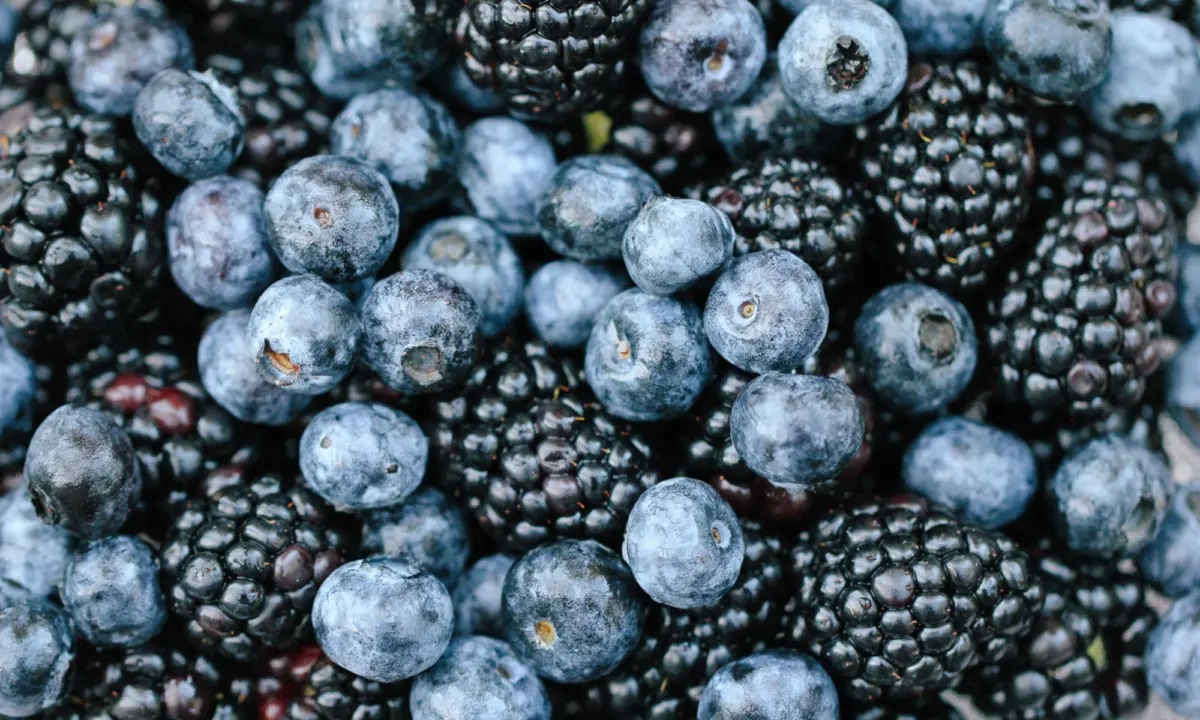
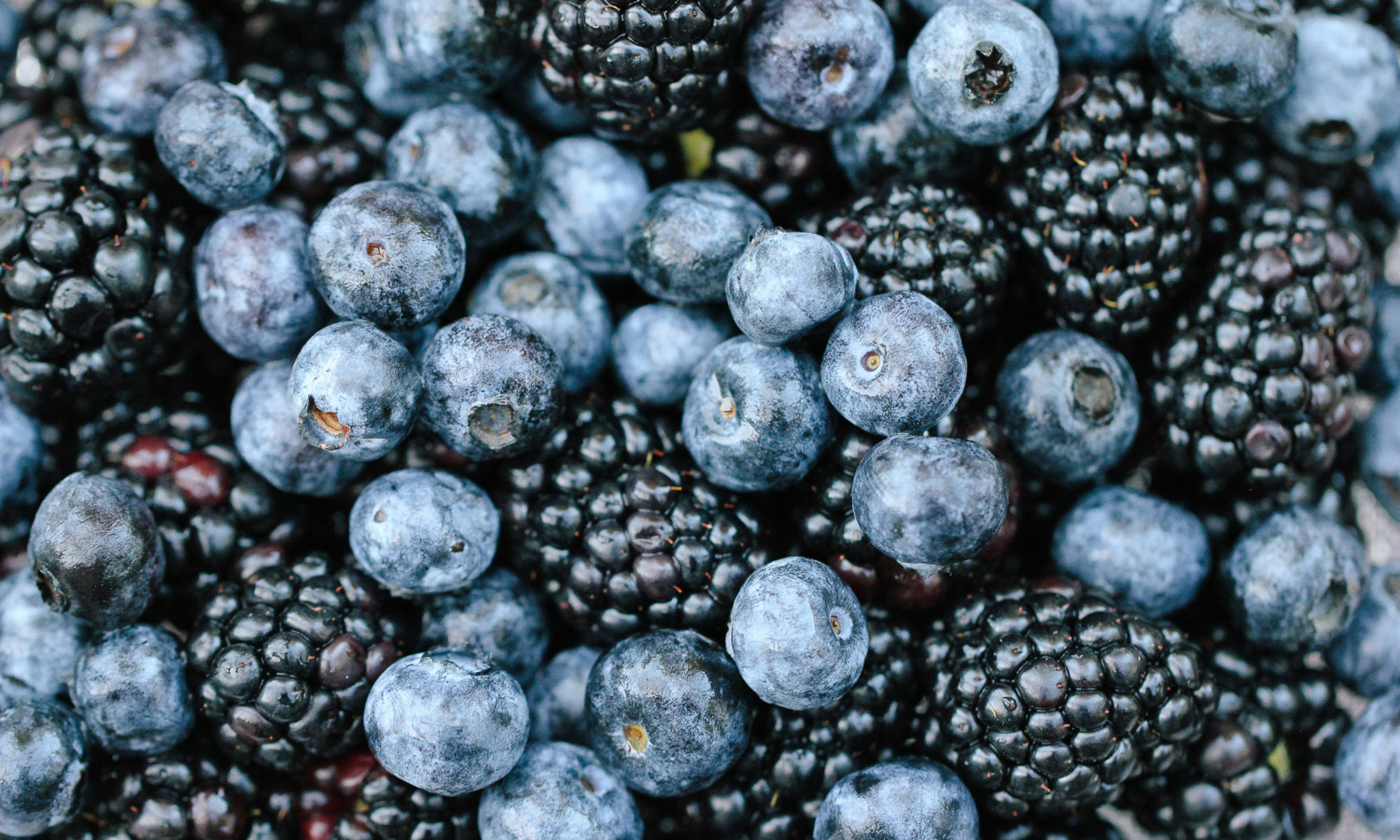
- Berries: Blueberries, blackberries, raspberries, and strawberries (exceptionally rich in anthocyanins and flavonoids).
- Beverages: Quality coffee, green tea, black tea, and pure cocoa.
- Fruits and Botanicals: Tart cherries, pomegranates, and citrus fruits.
- Nuts and Seeds: Walnuts, pecans, and flaxseeds.
Looking ahead, the implications of this research extend far beyond post-workout muscle soreness. As personalized nutrition advances, future sports science protocols may involve microbiome sequencing to tailor specific polyphenol interventions to an athlete’s unique bacterial profile, optimizing everything from heat acclimatization to endurance recovery.
Until then, the takeaway for fitness enthusiasts is reassuringly simple. The old adage to "eat a rainbow" of plant foods remains sound physiological advice. By nurturing your gut microbiome with a diverse array of polyphenol-rich plants, you are building a resilient biological foundation that supports not just your muscles, but your entire body through every mile, lift, and grueling sprint.
