

Published: September 2, 2026
By: Backpacker Field Reports
Main Facts: The 191-Mile Alpine Odyssey
For travelers seeking cinematic mountain grandeur without the punishing crowds of Western Europe’s overcrowded itineraries, a new outdoor destination has emerged as the continent’s best-kept secret. The newly designated Kamnik-Savinja Alps Water Trail (KSAWT) in Slovenia offers a 191-mile loop of pristine alpine environments, historic villages, and world-class hiking infrastructure.
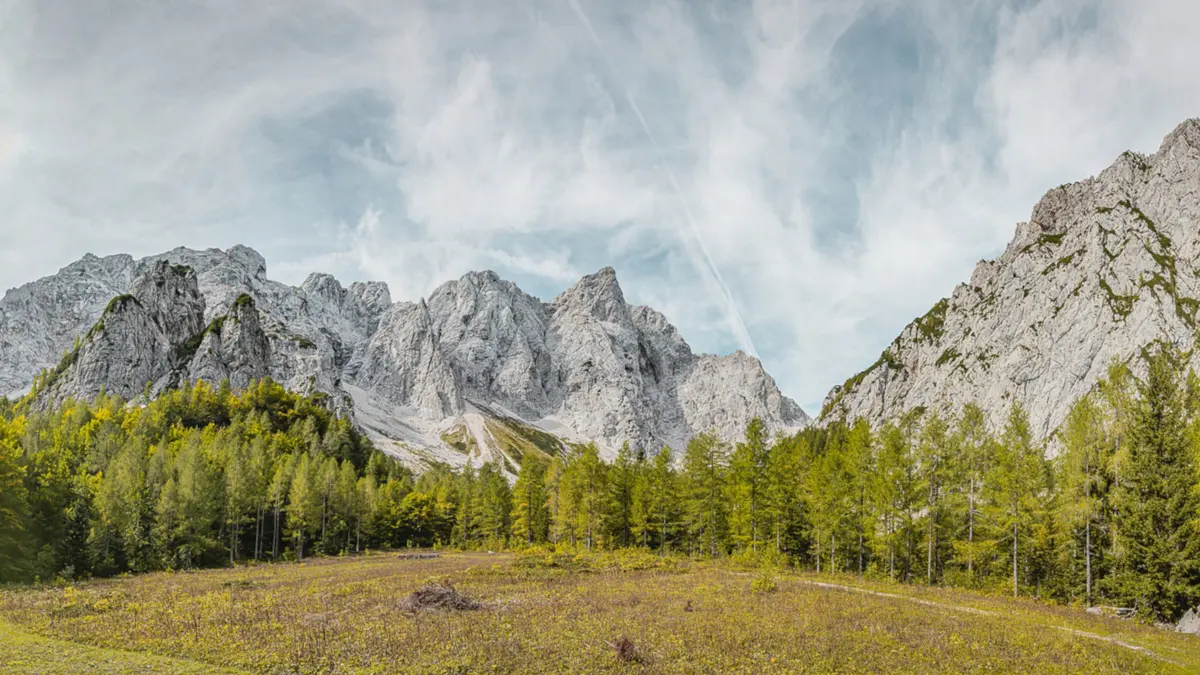
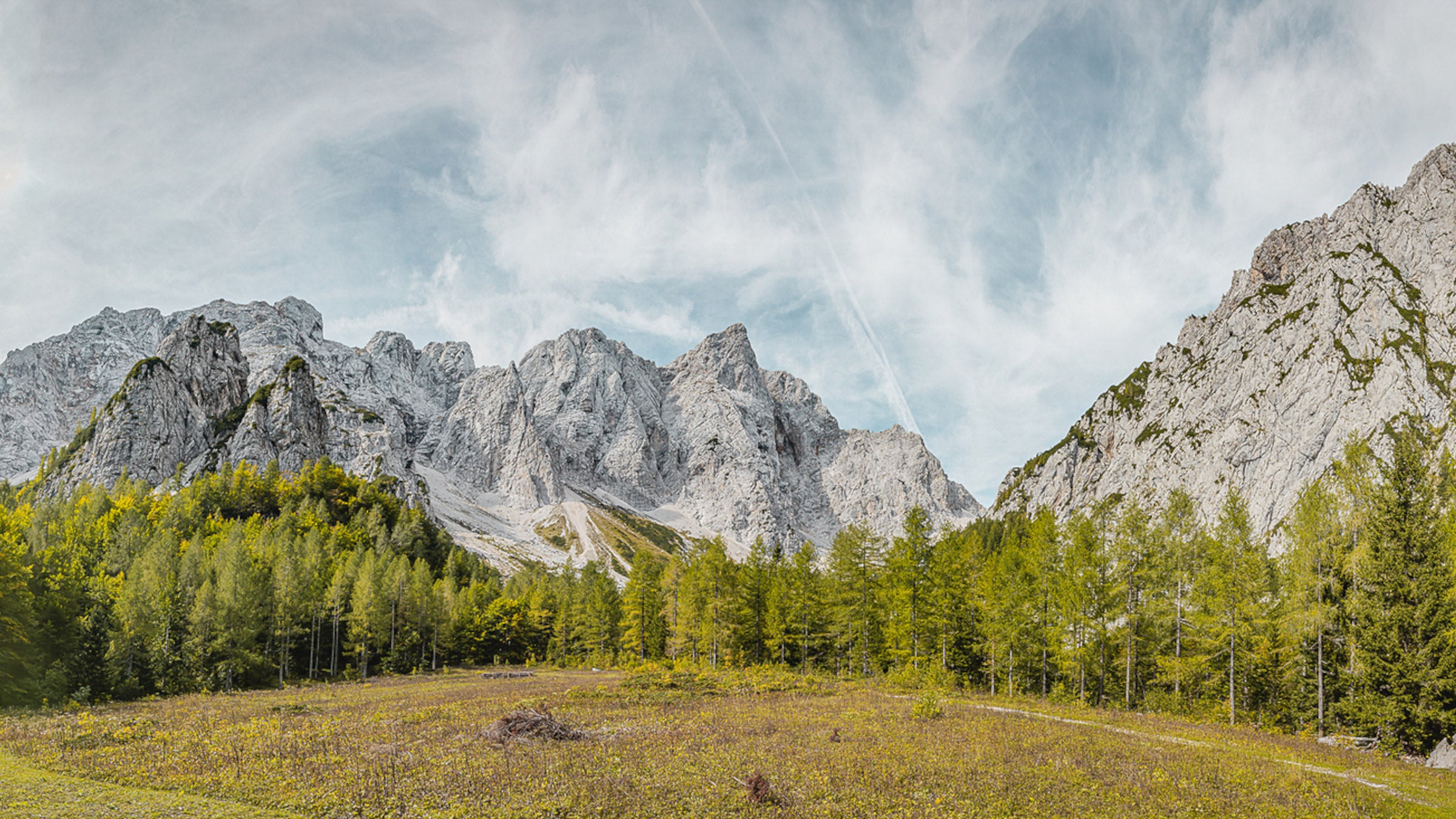
Passing through landscapes that directly evoke the cinematic wonder of Peter Jackson’s Middle-earth, the 11-stage route is a masterclass in destination trail design. Trekkers traverse jagged limestone peaks, dense conifer forests, silvery linden and elm woods, and wildflower-strewn meadows. The trail links more than a dozen historic towns and villages, three crystalline lakes, four major rivers, cascading waterfalls, and over 200 natural springs and streams.
Unlike the notoriously technical and grueling Slovenian Mountain Trail—which features more than 23 miles of cumulative elevation gain—the KSAWT offers a more accessible, leisurely pace. Averaging roughly 10.6 miles per stage, the trek prioritizes immersion in alpine valleys, cultural heritage, and culinary traditions over relentless summit-bagging. Supported by a network of affordable Scandinavian-style mountain lodges, electric shuttle vans for easy "slackpacking," and amenity-packed historic hubs like the medieval fortress town of Kamnik, the KSAWT is redefining the European long-distance backpacking experience.
Chronology: From Conservation Project to Premier Thru-Hike
The genesis of the Kamnik-Savinja Alps Water Trail is rooted not in recreational tourism, but in grassroots environmental conservation and regional hydrology.
Phase I: The 2022 Spring Mapping Initiative
The foundation for the trail was laid in 2022, when local stakeholders, regional conservation groups, the Slovenian Tourist Board, and the European Union Common Agricultural Policy Network launched a comprehensive project. Their objective was to map, analyze, and protect the region’s most productive natural water sources.
During this intensive phase, researchers identified and cataloged 54 pristine watering holes, including rare carbonated iron and mineral springs. To protect these vital ecological assets from unmitigated hiker foot traffic while inviting visitors to engage with them, the coalition installed protective infrastructure. Hardened treads, stone headwalls, spring boxes, and outflow pipes were meticulously constructed. Simultaneously, local communities organized annual drinking water festivals to celebrate the region’s aquatic wealth and its influence on local agriculture, viticulture, and brewing.
Phase II: The 2023 Trail Integration
Following the successful mapping of the springs, regional planners recognized an opportunity. By connecting existing footpaths to the 54 protected springs and the waterways they feed, planners could create a transformative long-distance route. In 2023, the KSAWT network was officially unified. Informational signage detailing local geology and historical significance was erected along the paths, transforming a standard hike into an interactive educational journey.
Phase III: The 2026 Global Launch
By late summer 2026, the trail gained international recognition as a premier bucket-list trek. Bolstered by endorsements from global outdoor communities and trail advocates, the route officially established itself as an alternative to heavily commercialized European pathways, drawing backpackers looking for a blend of physical activity, natural history, and culinary exploration.
Supporting Data: Slovenia vs. Western Europe
To understand the appeal of the Kamnik-Savinja Alps Water Trail, one must examine the broader landscape of European long-distance trekking.
| Metric | Camino de Santiago (Spain) | Slovenian Mountain Trail | Kamnik-Savinja Alps Water Trail (KSAWT) |
|---|---|---|---|
| Annual Thru-Hikers | 530,000+ | ~10,350 (since 1953) | Growing / Low-density |
| Total Route Length | Varies (Francés is ~500 mi) | ~370+ miles | 191 miles |
| Stage Intensity | Moderate (Cultural/Walking) | Extreme (23+ miles elevation gain) | Moderate (10.6 miles/day average) |
| Geographic Density | Cross-country (Spain) | National cross-country | Regional loop (Slovenia) |
Slovenia—which shares borders with Italy, Austria, Hungary, and Croatia—is roughly the geographic size of the U.S. state of Massachusetts. Yet, the nation boasts an astonishing 6,200 miles of designated hiking trails, accommodating approximately 1.7 million trekker tourists annually. Despite this healthy influx of outdoor enthusiasts, the country’s meticulous trail networks and decentralized regional routes ensure that hikers can experience profound solitude.
By contrast, Spain’s iconic Camino de Santiago absorbs more than half a million pilgrims annually, leading to bottlenecked trails and crowded staging albergues. The KSAWT, operating in a country where only 10,350 total hikers have completed the historic Slovenian Mountain Trail over seven decades, offers a secluded, high-reward alternative.
Official Responses: Voices from the Trail
Industry experts and regional officials emphasize that the KSAWT represents a fundamental shift in how backpackers experience alpine environments.
Scott Vanderlip, a retired software engineer, serial entrepreneur, and founder of Trail Angel Central (TAC), has spent decades logging miles on legendary global routes, including the Pacific Crest Trail and Europe’s prominent pathways. Having experienced the KSAWT firsthand, Vanderlip views Slovenia as a major discovery for the international backpacking community.
"To me, Slovenia is a treasure trove for long-distance backpackers," says Vanderlip. "Particularly those who prefer their alpine views with a hardy side of cultural history and traditional foods, yet want to avoid big crowds."
Maša Puklavec Polutnik, a spokesperson for the Slovenian Tourist Board, notes that the trail’s design was an intentional departure from traditional mountaineering routes.
"Then we thought, why not connect these amazing resources in a network that provides a very different kind of experience than your usual mountaineering trail," explains Polutnik.
Highlighting the region’s historical role as an ecological provider, Polutnik adds:
"These mountains have acted like a natural water tower that supplies clean, potable water to settlements and villages for millennia."
This deep connection to hydrology is woven directly into the hiking experience. Trekkers are encouraged to engage in "palate challenges," comparing the mineral compositions and precise taste-notes of individual springs against scientific breakdowns provided along the trail.
"It’s a really cool side quest to do as you’re passing through these astoundingly beautiful and historic areas," Vanderlip remarks. "And unlike anything that I’m aware of in the U.S."
Implications: Cultural Preservation, Gastronomy, and Sustainable Tourism
The establishment of the Kamnik-Savinja Alps Water Trail carries significant implications for regional economic sustainability, cultural preservation, and the evolution of international adventure tourism.
A Culinary and Viticultural Renaissance
Beyond the physical journey, the KSAWT serves as a portal into the distinct gastronomic heritage of the Northern Slovenian uplands. Vanderlip emphasizes that local foodways and traditions are points of immense regional pride.
Hikers traversing the route are exposed to ancient agricultural practices that have survived centuries of shifting European borders:
- Unique Viticulture: Slovenian wines frequently utilize rare, indigenous grape varietals absent from standard Western European or American markets. Ancient vinification techniques, such as whole-cluster fermentation (retaining the stems) and the use of native yeasts, produce flavor profiles radically distinct from conventional commercial wines.
- Artisanal Cured Meats: Walkers can sample regional delicacies like zgornjesavinjski želodec, a specialized cured sausage crafted from fresh pork leg and shoulder, cubed bacon, sea salt, pepper, and garlic water, pressed completely flat during the curing process.
- Heritage Cheeses: High-elevation culinary traditions are exemplified by Trnič, an ornate, pear-shaped cheese traditionally crafted by shepherds on the Velika Planina plateau from a base of cottage cheese, cream, and salt.
Environmental Conservation via Ecotourism
By anchoring the trail network to the 54 cataloged natural springs, the KSAWT model demonstrates how modern ecotourism can actively fund environmental protection. The infrastructure investments required to maintain hardened treads, spring boxes, and interpretive signage are directly sustained by visitor interest. This framework prevents the degradation of delicate alpine ecosystems while educating travelers on watershed management and climate resilience.
The Future of "Hidden Gem" Travel
As popular long-distance routes across the globe grapple with over-tourism, environmental erosion, and hyper-commercialization, Slovenia’s KSAWT offers a blueprint for sustainable, low-impact adventure travel. By deliberately bypassing inaccessible 8,000-foot summits in favor of accessible valleys, historic towns, and community-operated lodges, the trail distributes economic benefits evenly across rural municipalities.
For backpackers willing to venture off the beaten path, the Kamnik-Savinja Alps Water Trail delivers a rare combination: world-class alpine scenery, uncrowded pathways, interactive natural history, and a rich tapestry of European culture—cementing its status as an essential modern pilgrimage.
