

Macro wildlife photography has long held a reputation as one of the most hypnotic and demanding disciplines in the visual arts. By plunging into a world measured in millimeters, photographers bypass the grand vistas of traditional landscape imagery to reveal intricate, mesmerizing details that exist right under our noses. Yet, for all its creative potential, the genre has fallen into a predictable creative rut. For decades, mainstream macro portfolios have been overwhelmingly dominated by two main subjects: the vibrant petals of wildflowers and the chitinous, multifaceted eyes of common insects.
While bugs and blossoms certainly tick all the right boxes for eye-catching color and hidden detail, they represent only a fraction of what is possible through a dedicated macro lens. Expanding horizons beyond traditional creepy-crawlies opens up a universe of neglected subjects—ranging from glistening reptile scales and iridescent bird feathers to tactile mammalian whiskers and the surreal, otherworldly geometries of marine life and fungi.
Stepping off the beaten path requires more than just a change of scenery; it demands a fusion of specialized gear, nuanced field techniques, and an unwavering commitment to ethical wildlife practices.
Main Facts: Redefining the Microscopic Frontier
To truly master macro wildlife photography today, practitioners must understand the core shifts defining the modern approach to close-up imaging:

- Diversification of Subjects: Moving past insects and flowers introduces resilient, high-texture subjects including amphibians, reptiles, mammals, marine invertebrates, and macro-scale fungi.
- Essential Gear Arsenal: Achieving razor-sharp, frame-filling images of moving or elusive subjects requires a dedicated macro lens (or budget-friendly alternatives like extension tubes), off-camera flash units, and specialized softbox diffusers.
- Technical Rigor: Handheld stabilization, a standard working aperture of around f/11, precise manual or AI-assisted focusing on key details (such as an animal’s eye or scale pattern), and shooting exclusively in RAW format form the bedrock of technical success.
- Ethical Imperative: Because macro subjects are often fragile, stressed by close encounters, or potentially hazardous, strict adherence to minimal disturbance policies and species education is non-negotiable.
Chronology: The Evolution of Macro Fieldcraft
The practice of macro photography has evolved dramatically alongside camera technology. Tracing this historical and technical progression highlights how modern gear has made small-subject exploration more accessible than ever:
- The Early Era of Studio-Bound Optics: In the mid-to-late 20th century, macro photography was heavily confined to controlled studio environments or rigid tripod setups. Heavy glass, slow film speeds, and rudimentary flash units meant that capturing dynamic, living subjects in the wild was a game of immense chance.
- The Digital Revolution (Late 1990s–2000s): The advent of digital sensors allowed photographers to instantly review exposures, experiment freely without burning through expensive film stock, and utilize higher ISOs to freeze motion in dim, natural woodland settings.
- The Rise of Specialized Macro Gear and Portable Lighting (2010s): As mirrorless camera bodies emerged alongside lightweight, high-output portable flashes and foldable diffusers, handheld macro photography exploded in popularity. Photographers could now comfortably roam rainforests, deserts, and backyards unburdened by heavy tripod systems.
- The Modern Shift Toward Overlooked Fauna and Flora (Present Day): Today, the macro community is actively redefining boundaries. With macro-capable systems integrated into everything from rugged weather-sealed bodies to specialized underwater housings, creators are shifting their focus toward high-texture, unconventional subjects like reptiles, amphibians, and elusive fungi.
Supporting Data & Subject Breakdown: Finding Beauty in the Unconventional
When you look beyond standard insects, a vast taxonomy of incredible subjects awaits. Each category presents unique photographic opportunities and visual challenges:

1. Reptiles and Amphibians
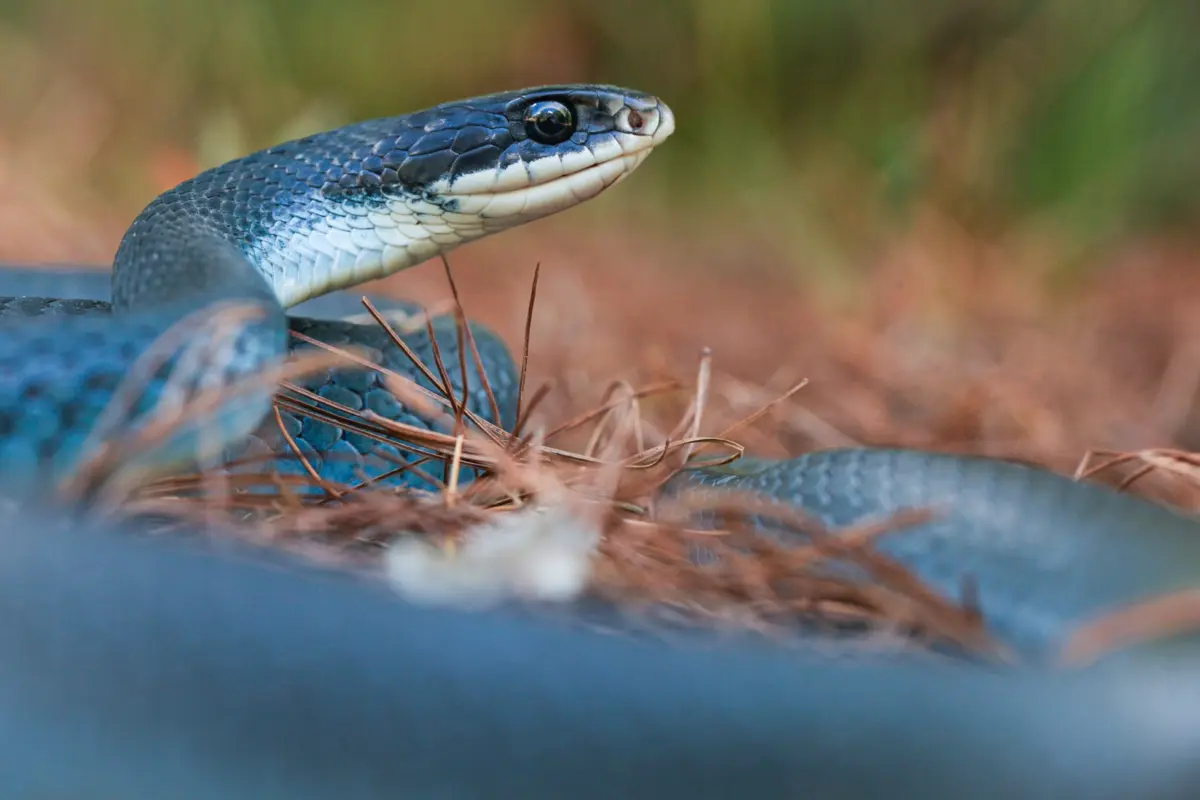
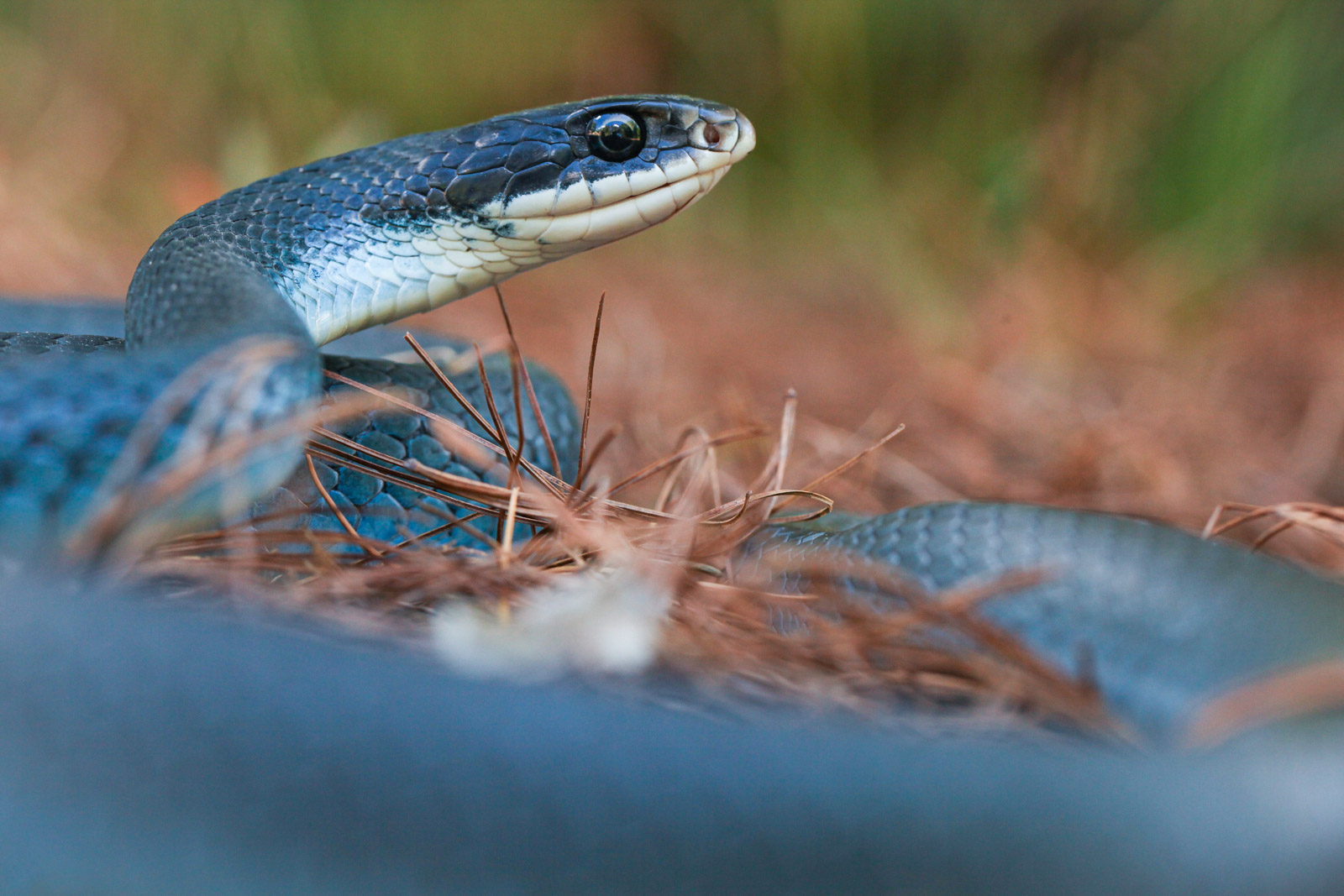
Cold-blooded creatures offer some of the most dynamic textures in the natural world. Scales, scutes, and translucent skin can refract light like a prism, creating rainbow-reflective highlights. Whether capturing the hypnotic, vertical-slit pupil of a snake or the glistening, moisture-rich skin of a glass frog, these subjects reward patience with staggering detail.
2. Avian Micro-Details
While bird photography is traditionally associated with heavy telephoto lenses shooting from vast distances, intimate macro encounters happen organically. Feathers, talons, beaks, and the intricate pattern of an iris provide abstract, graphic compositions when isolated from the rest of the bird.

3. Mammalian Textures
Mammals are notoriously fleeting, but capturing macro-level portraits of fur structure, wet rhinariums (noses), whiskers, and expressive eyes creates an immediate, emotional connection with the viewer.
4. Marine Invertebrates
Underwater macro photography—utilizing specialized waterproof housings and strobes—unlocks a kaleidoscope of color. From flamboyant nudibranchs to crystalline crustaceans, marine environments harbor organisms with bizarre physiologies that defy terrestrial imagination.

5. Fungi and Micro-Flora
Unlike animals, stationary subjects like fungi do not run away. Boasting elaborate gills, porous caps, and velvety surfaces, mushrooms and slime molds make for exceptional abstract studies, especially when back-lit in misty woodland environments.
Technical Mastery: Gear, Lighting, and Field Techniques
Transitioning to overlooked macro subjects requires upgrading both your equipment strategy and your field execution.

Investing in the Right Glass and Lighting
While a true 1:1 macro lens is the gold standard, photographers on a budget can achieve exceptional magnification by pairing standard prime lenses with extension tubes or close-up diopter filters. However, lens choice is only half the battle.
In macro photography, light is everything. Natural light is rarely strong or directional enough when shooting at narrow apertures and high magnifications. Successful macro shooters rely on a dedicated flash unit paired with a quality diffuser—such as a foldable body-mounted diffuser for fast-paced encounters or an off-camera softbox for dramatic, dimensional lighting. Experimenting with flash angles (top, side, or backlighting) transforms flat, clinical shots into moody, low-key masterpieces.

Stabilization and Camera Settings
Because small-subject macro wildlife photography demands high mobility, heavy tripods can often slow you down. Instead, many field photographers prefer shooting handheld, bracing the camera body firmly with both hands, or utilizing a beanbag or low-profile mat when working close to the ground.
When dialing in your camera settings:

- Aperture: Start around f/11 to strike a balance between adequate depth of field and avoiding optical diffraction.
- Focusing: Utilize AI-focus, one-shot, or manual focus depending on your comfort level, ensuring the critical focal plane locks squarely onto the subject’s eye, leading edge of a feather, or primary scale.
- File Format: Always shoot in RAW. Fleeting wildlife moments often result in imperfect exposures; having uncompressed RAW data ensures you can successfully recover shadow details and correct white balance during post-processing.
Official Responses and Conservation Ethics
As the popularity of macro wildlife photography surges, conservationists and professional nature photographers have increasingly spoken out regarding the ethical implications of handling small animals.
The Golden Rule: Animal Welfare First
Official wildlife guidelines emphasize that no photograph is ever worth compromising the health, safety, or natural behavior of a living organism. When interacting with vulnerable creatures like amphibians, reptiles, and ground-dwelling mammals, photographers must adhere to strict ethical standards:

- Minimize Disturbance: Stress can be fatal to small animals. The most accomplished macro photographers develop their efficiency—practicing lighting and focusing techniques at home on inanimate models—so that time spent near a wild animal in the field is kept to an absolute minimum.
- Know Your Subject: Entering the field equipped with knowledge about local species ensures you can recognize venomous, protected, or overly fragile animals. Never forcefully manipulate an animal, alter its natural micro-habitat (such as ripping apart rotting logs without replacing them), or artificially cool cold-blooded creatures to make them sluggish for a photo shoot.
Adhering to these ethical guardrails not only preserves delicate ecosystems for future generations but also elevates the standard of professional fieldcraft across the entire photographic community.
Implications: Changing How the World Sees the Miniature
The implications of expanding macro photography beyond conventional insects and flowers extend far beyond personal portfolio building. When photographers turn their lenses toward the overlooked—the iridescent scales of a garden snake, the geometric gills of a woodland mushroom, or the delicate barbs of a fallen feather—they spark a profound shift in public perception.

By revealing the intricate beauty hidden in plain sight, macro photographers teach audiences to look closer, care deeper, and appreciate the complex web of life that operates on a microscopic scale. Whether you are exploring an exotic rainforest or simply turning over stones in your suburban backyard, the miniature world is waiting to be uncovered. Grab your gear, respect your subjects, and step out to discover the extraordinary details of our planet’s hidden wildlife.
