


Published: August 14, 2026
Category: Wellness / Health & Fitness / Mindfulness

Main Facts
The way we begin our mornings often dictates the psychological and physical trajectory of the entire day. Rather than waking up abruptly, reaching for a smartphone, and jolting the nervous system into a state of high alert, wellness experts advocate for a deliberate, somatic transition from sleep to wakefulness.

A newly released 10-minute morning yoga routine, demonstrated by yoga instructor Emily Baltzer, offers a structured framework for this transition. Designed to be accessible to practitioners of varying skill levels, the sequence requires no specialized props—though a standard yoga block and mat can enhance comfort, particularly for those practicing before their morning caffeine intake.

The core philosophy of the routine relies on syncing breath with dynamic movement. By pairing inhalations and exhalations with deliberate stretches, practitioners slowly enliven dormant joints, stimulate blood circulation, and signal to the central nervous system that the body is safe to move, stretch, and engage.
Chronology of the 10-Minute Morning Flow
To maximize the physiological benefits of early morning mobility, the routine follows a deliberate anatomical progression, moving from gentle floor-based openers to active standing postures, and finally returning to grounding, restorative shapes.
Phase 1: Grounding and Spinal Awakening
The practice begins on the mat, gently coaxing the spine and shoulders out of their nocturnal stillness.
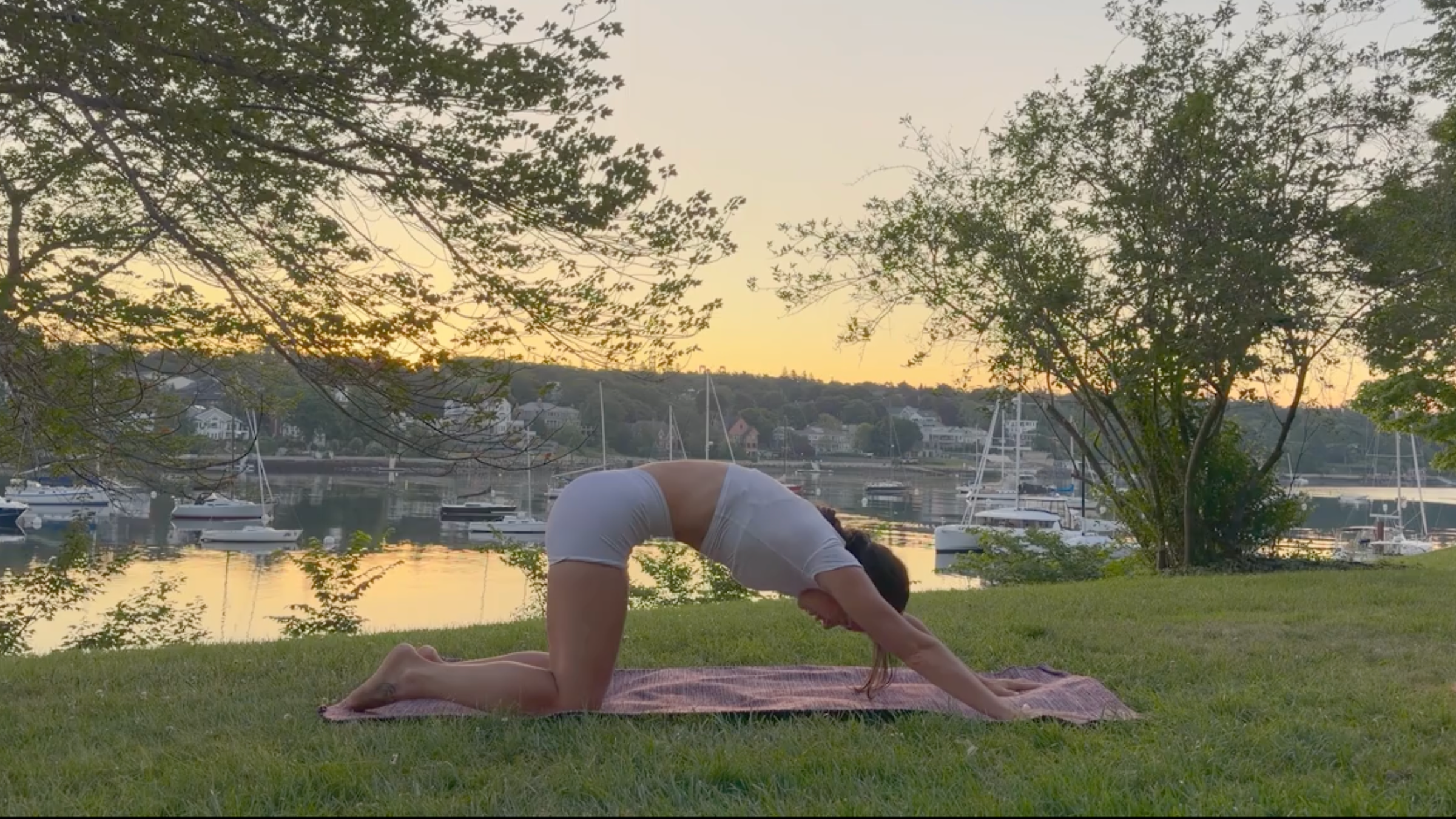
- Puppy Pose: Practitioners begin on their hands and knees, stacking hips over the knees. By walking the hands forward and melting the heart toward the mat, the upper back and shoulders receive an immediate, passive opening. The forehead or chin rests gently on the ground.
- Dynamic Puppy Pose: Introducing breathwork, the practitioner inhales to soften the chest deeper toward the floor, then exhales to press into the hands, round the spine, and tuck the chin while keeping hips stacked. This cat-cow variation is repeated five times.
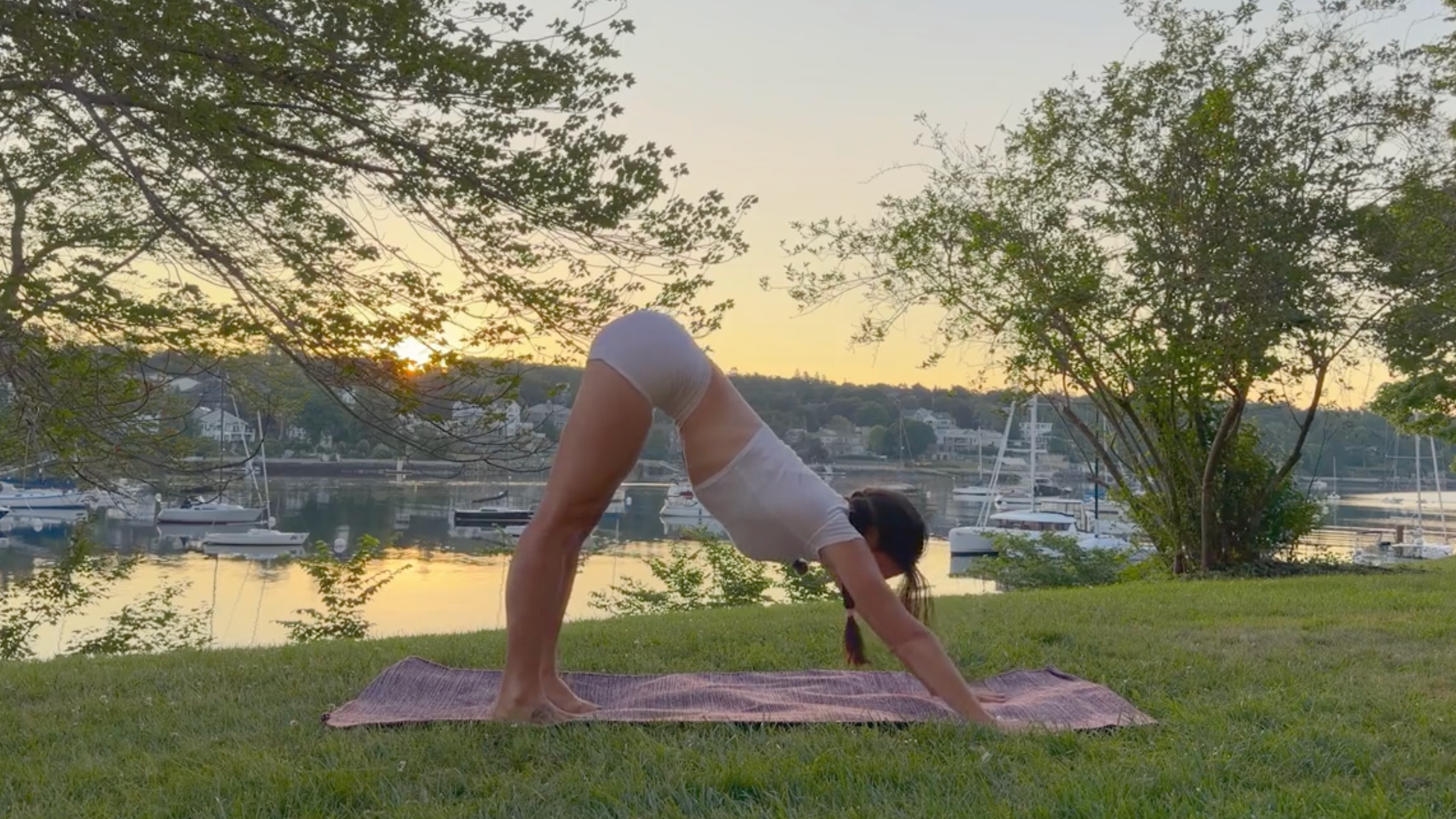
- Downward-Facing Dog: Transitioning smoothly, hands are placed beneath shoulders, toes are tucked, and an exhalation sends the hips up and back into a classic Downward-Facing Dog for one full, grounding breath.
Phase 2: Lower Body Mobility and Deep Lunges
This segment targets the hips, hamstrings, and hip flexors—areas notoriously tight after hours of static sleep.
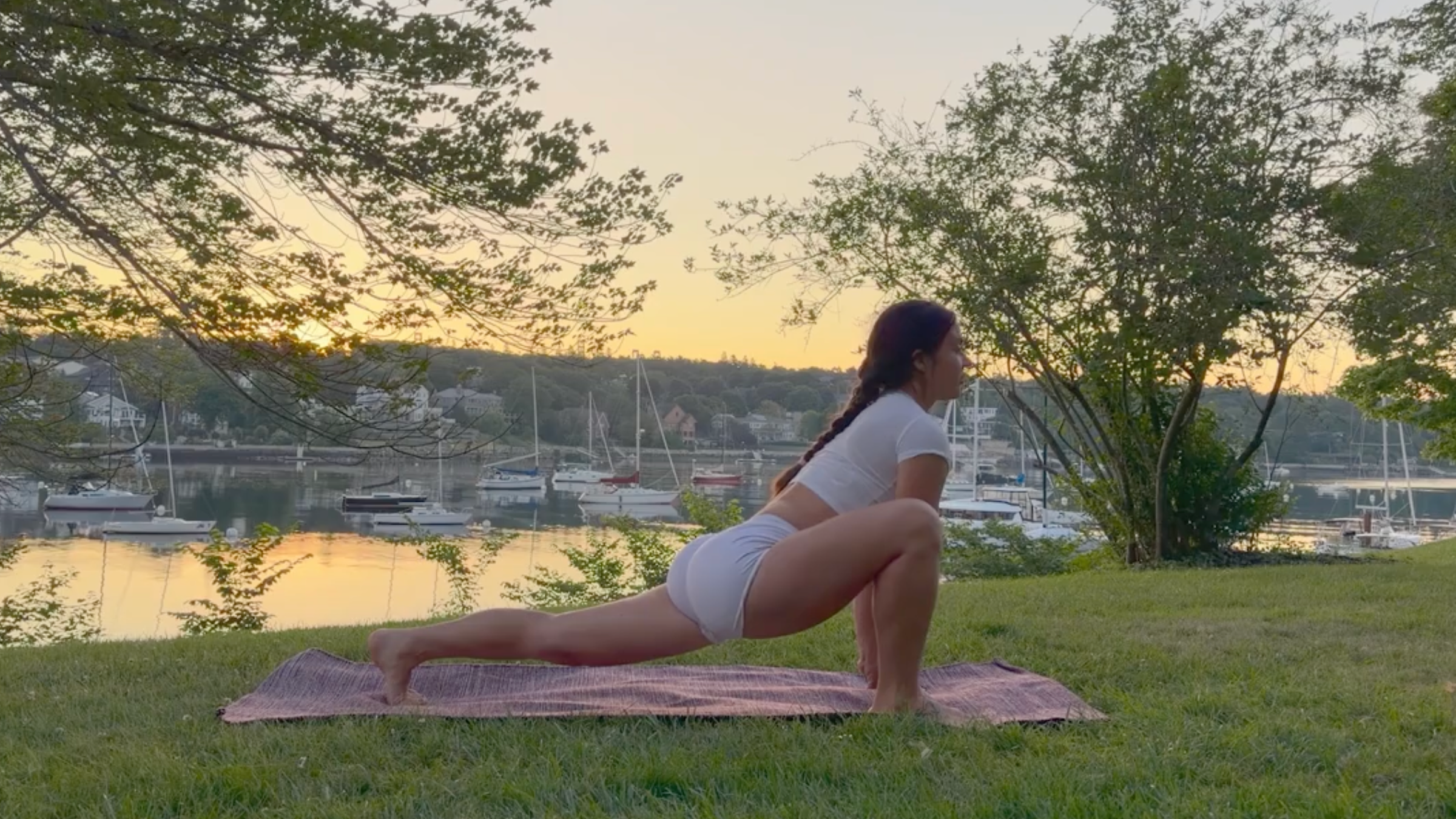
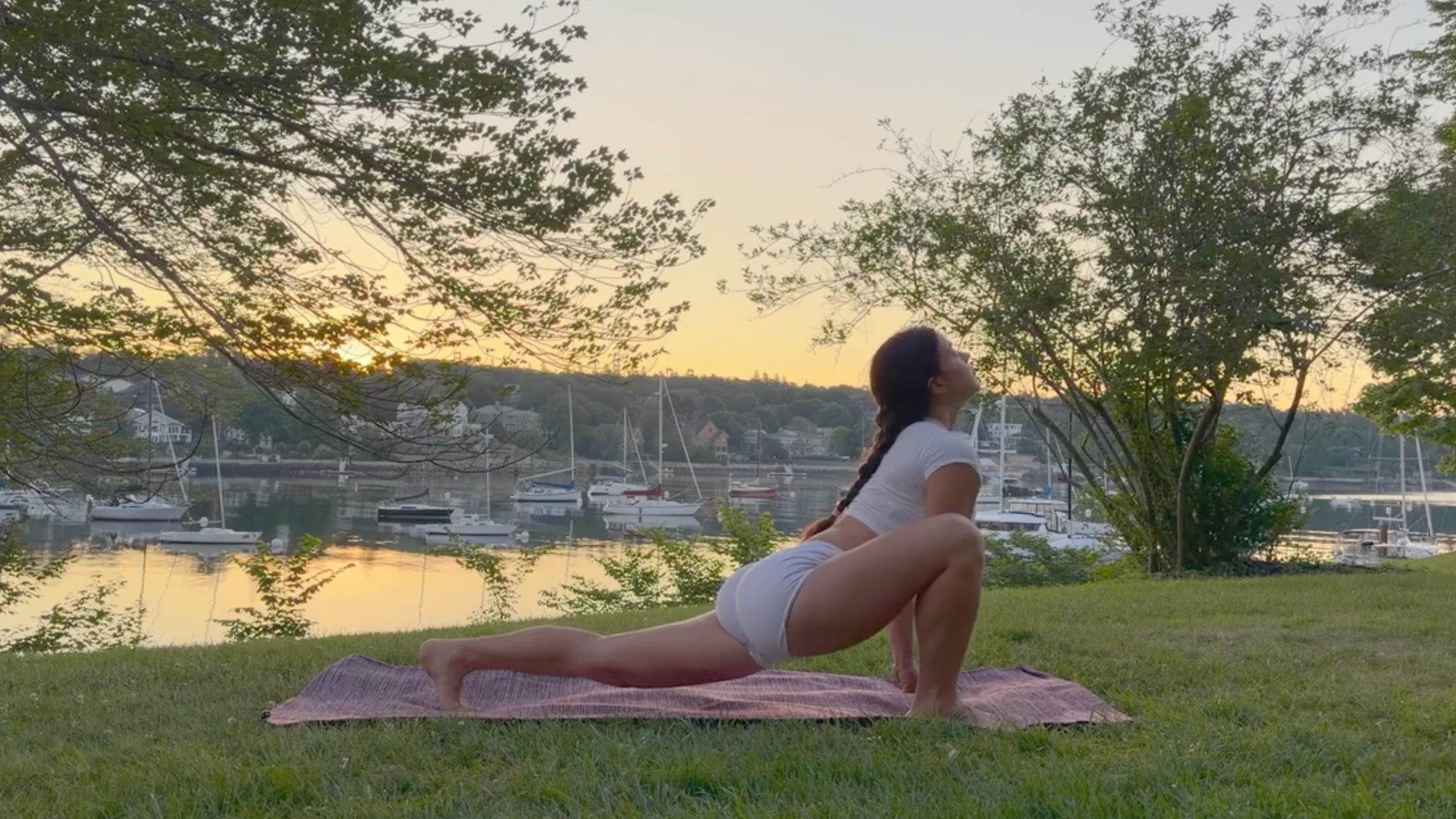
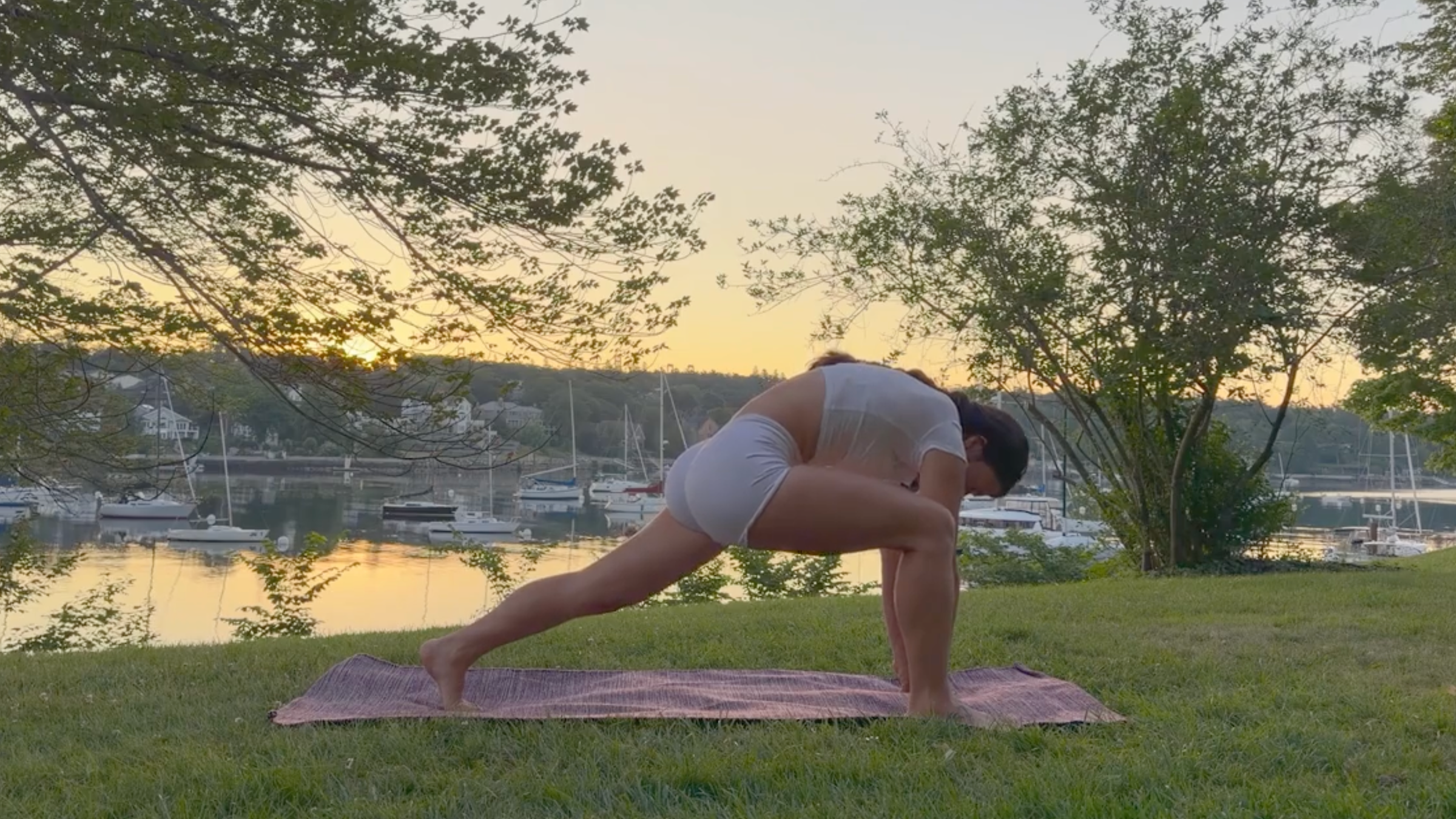
- Lizard Lunge: From Downward-Facing Dog, the right leg lifts high on an inhalation into Three-Legged Dog, then steps softly to the outside of the right hand. The back leg remains strong and lifted for one breath.
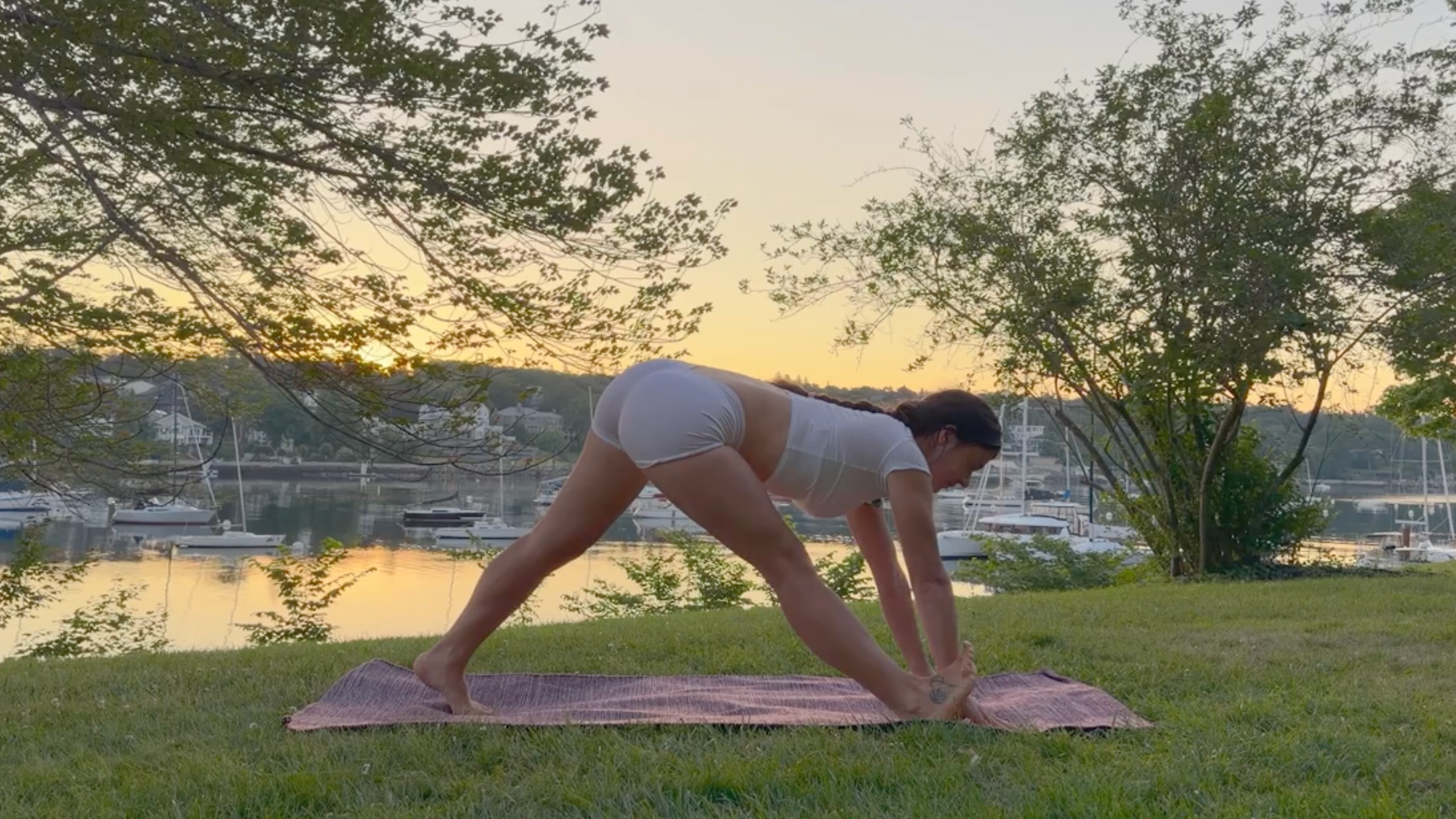
- Pyramid Pose Variation: On an exhalation, the front leg straightens while hands remain grounded or tented on fingertips, stretching the hamstring. Practitioners cycle dynamically between Lizard Lunge and Pyramid Pose five times, moving with the breath.
- Dynamic Lizard Pose: Returning to Lizard Lunge, the practitioner introduces spinal waves—inhaling to sink hips and lift the chest, and exhaling to round the back and tuck the chin, repeating five times.
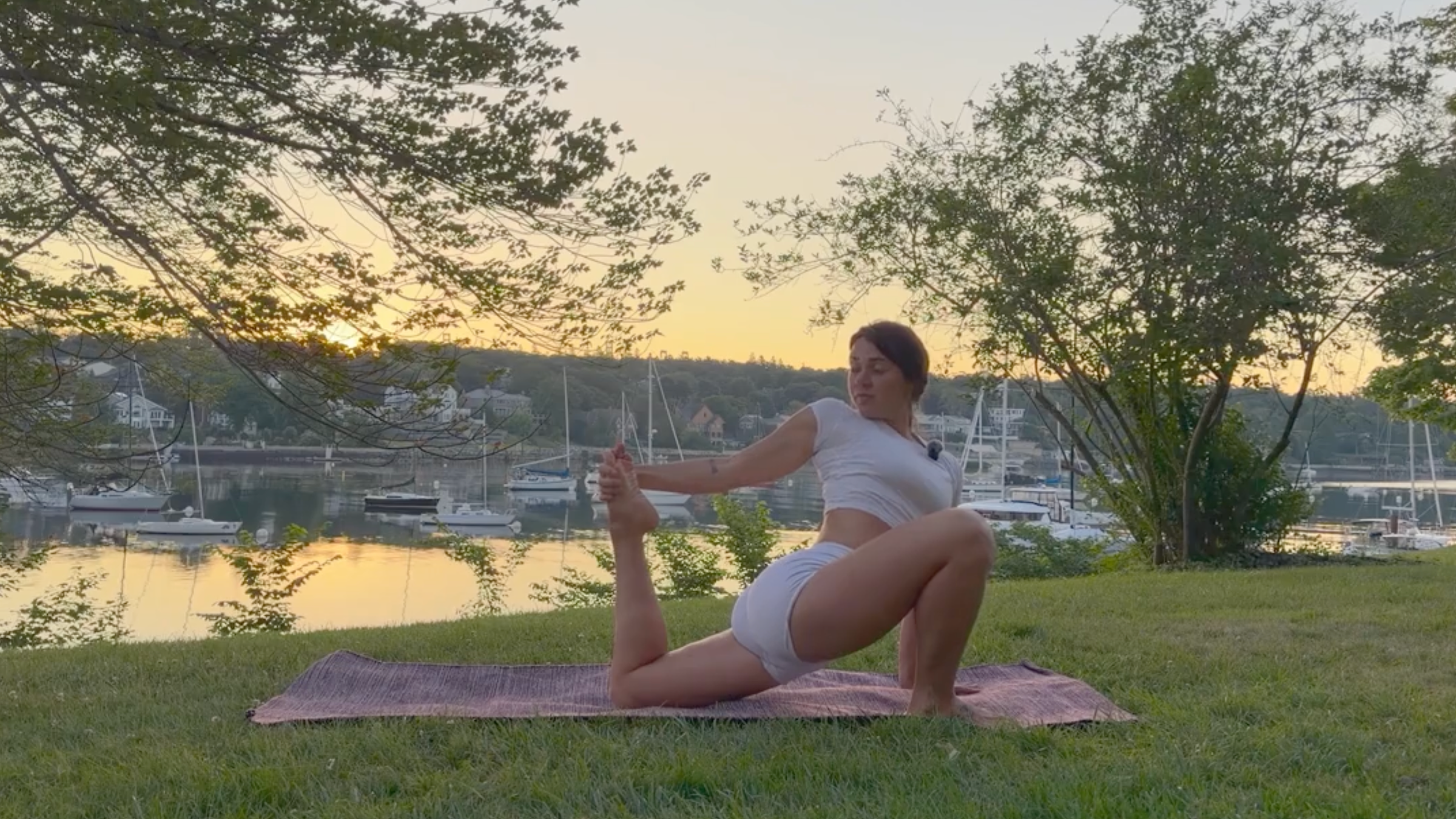
- Bound Low Lunge: The back knee drops gently to the mat. To deepen the twist, practitioners can bend the back knee, reach the right hand back to catch the foot, and open the chest toward the right for a single breath.
- Yogi Squat (Malasana): Releasing the bind, the left foot steps forward to the top of the mat, and the hips sink into a deep squat. Shoulders draw back to broaden the chest.
- Dynamic Halfway Lift: Inhaling, the practitioner straightens the legs while maintaining a flat, long spine (Halfway Lift), then exhales back down into Yogi Squat. This cycle repeats five times.
Phase 3: Standing Extensions and Heart Openers
As the core body temperature rises, the practice transitions to standing movements that challenge balance and expand the chest.
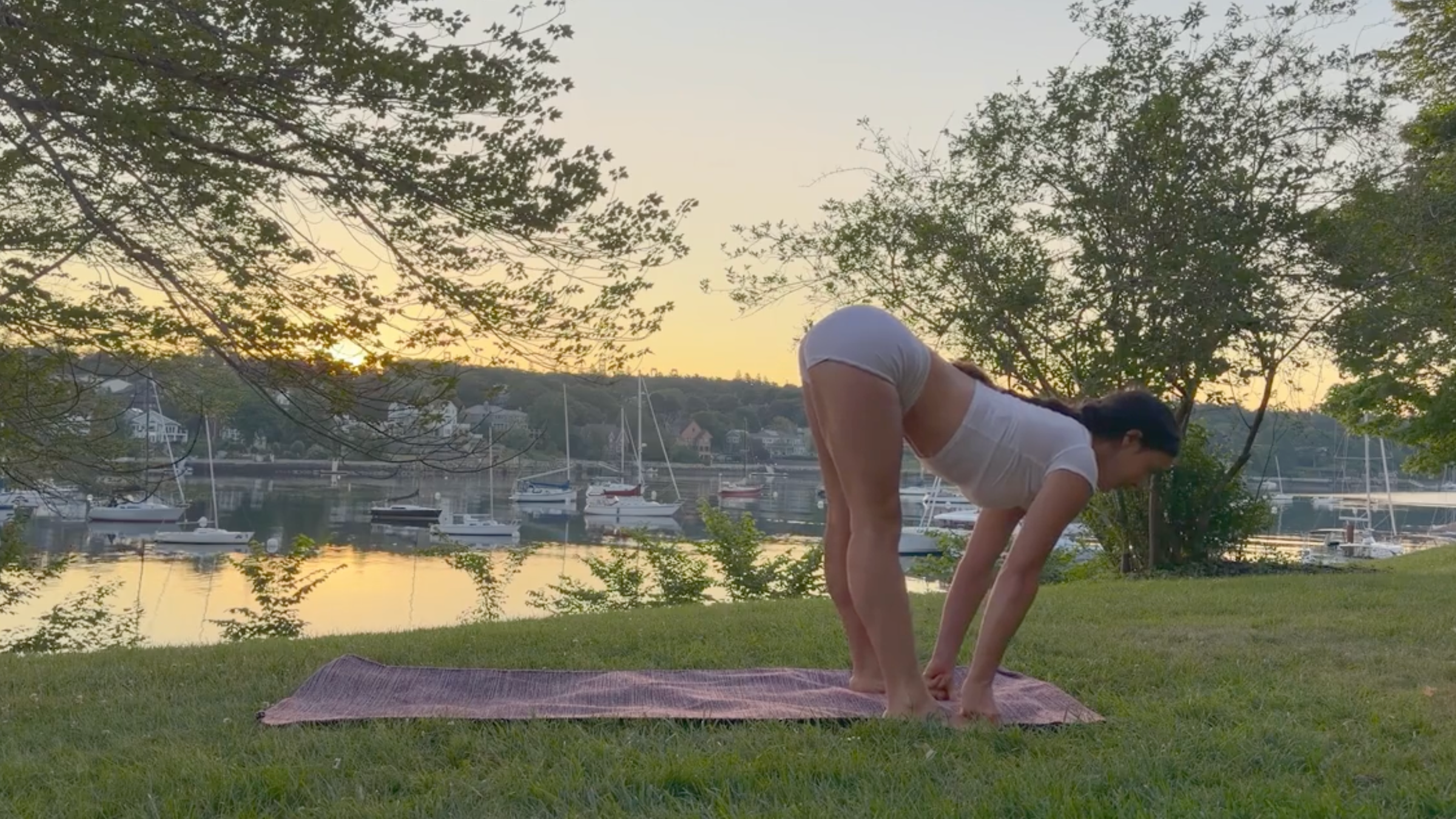
- Standing Forward Bend: Rising from the squat, the practitioner folds fully forward, keeping legs straight or knees micro-bent to protect the lower back and hamstrings. Holding opposite elbows, they hang in a "rag doll" position for one breath.
- Standing Heart Opener & Closer: Rolling up slowly one vertebra at a time, the practitioner stands tall. An inhalation opens the chest into cactus arms; an exhalation bends the knees, rounds the spine, and brings elbows toward the thighs. This is repeated five times.
- Vinyasa Transition: Arms reach overhead on an inhalation, folding back down on an exhalation, stepping back through a Halfway Lift, and returning to Downward-Facing Dog before repeating the entire lunge sequence on the left side.
Phase 4: Integration and Savasana
- Plank & Cobra Poses: Shifting forward from Downward-Facing Dog, the body lowers to the mat for a gentle Cobra Pose, engaging the back muscles.
- Child’s Pose to Savasana: Knees widen, and sit bones press back into Child’s Pose, where practitioners are encouraged to linger for one to three minutes—or transition into Corpse Pose (Savasana)—before closing the practice with a seated bow of gratitude.
Supporting Data: The Physiology of Morning Movement
While morning stretching has long been a cultural staple of wellness routines, modern exercise science increasingly validates its physiological efficacy.
- Viscous Fluid Shifts in the Spine: During sleep, intervertebral discs absorb fluid, making the spine significantly more rigid and vulnerable to injury in the morning hours. Gentle somatic movements—such as the dynamic puppy and cat-cow variations—help squeeze and hydrate the spinal discs safely without high-impact stress.
- Cardiovascular and Lymphatic Stimulation: Ten minutes of synchronized breath and movement jumpstarts lymphatic drainage, which relies entirely on muscle contraction and deep diaphragmatic breathing rather than a central pump like the heart.
- Cortisol Regulation: Abrupt morning stressors (such as alarm clocks and immediate news consumption) spike cortisol and adrenaline. Conversely, slow-paced yoga combined with nasal breathing activates the parasympathetic nervous system, lowering baseline stress hormones and improving cognitive focus for the remainder of the day.
Official Responses and Expert Perspectives
Somatic movement educators and physiotherapists have increasingly championed micro-routines over prolonged morning workouts for the general population.
Dr. Elena Vance, a physical therapist specializing in spinal health, notes: "Many people wake up and immediately try to force their bodies into high-intensity workouts or heavy lifting, bypassing the critical window where connective tissue is cold and unpliant. A 10-minute flow that prioritizes joint mobility and breath acts as a biological warm-up, significantly reducing acute strain injuries."

Furthermore, mindfulness experts emphasize the psychological shift generated by intentional movement. By focusing on the mechanics of inhalation and exhalation during the first ten minutes of the day, individuals build a cognitive buffer against reactive stress.
"Presence is not a passive state; it is a discipline," explains mindfulness coach Marcus Thorne. "When you map your physical breath to simple movements before looking at a screen, you are actively training your brain to choose intention over distraction."

Implications for Daily Wellness and Workplace Productivity
The integration of brief, mindful movement practices into a morning routine carries profound implications for both individual health and professional performance.

- Ergonomic Resilience: With a significant portion of the global workforce engaged in sedentary, desk-bound labor, morning hip openers and spinal extensions counteract the postural degradation caused by prolonged sitting. Opening the chest and hip flexors first thing in the morning establishes a physical baseline that makes slouching less automatic throughout the workday.
- Cognitive Enhancement: Studies on morning physical activity indicate improvements in executive function, working memory, and emotional regulation. By clearing mental fog through structured breath-to-movement sequences, practitioners enter their workspaces with enhanced clarity.
- Accessibility and Habit Formation: A primary barrier to physical wellness is the psychological friction associated with long, demanding workout regimens. By reducing the barrier of entry to a manageable 10-minute timeframe requiring zero equipment, routines like Emily Baltzer’s morning flow empower individuals to build sustainable, lifelong habits of self-care.
Ultimately, dedicating ten minutes to conscious movement serves as an investment not only in physical flexibility, but in mental resilience—proving that how we start our day profoundly shapes how we experience the world.
