

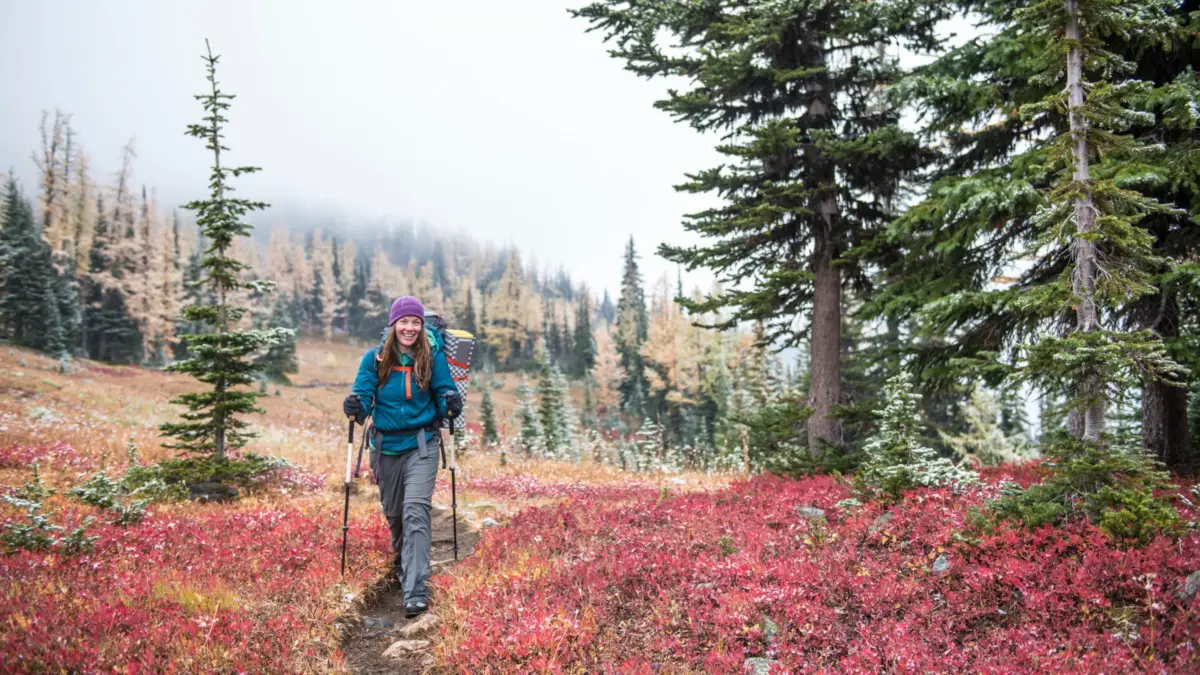
Main Facts: The Seasonal Shift
As the calendar turns to late September, millions of outdoor enthusiasts experience a collective bout of seasonal amnesia. The transition from the warm, forgiving days of summer to the crisp, unpredictable climate of autumn happens with astronomical precision, yet hikers year after year are caught unprepared. Shivering in the dark, misjudging mileage, and relying on companions for emergency layers are classic symptoms of failing to adjust outdoor habits for the autumn shoulder season.
The core reality of autumn hiking is that the margins for error shrink dramatically. Shorter days, plummeting evening temperatures, erratic weather patterns, and the physiological toll of cold-weather exposure demand a fundamental reset of gear, mindset, and logistics. According to search-and-rescue (SAR) coordinators across North America, autumn triggers a notable spike in callouts—not necessarily because trails are inherently more dangerous, but because hikers accustomed to long, warm summer days fail to account for early darkness and rapid temperature drops.
To help outdoor enthusiasts avoid becoming a statistic, seasoned backpackers and outdoor safety experts emphasize a series of non-negotiable transitions. Preparing for a successful autumn hiking season requires more than just throwing an extra sweater into a pack; it demands a systematic overhaul of lighting, navigation, gear storage, waterproofing, and packing lists.
Chronology: Understanding the Autumn Timeline and Physiological Realities
The Slippery Slope from Summer to Autumn
The shift from summer to fall is rarely a gradual psychological adjustment for the chronic optimist. The timeline of seasonal complacency typically follows a predictable, regrettable path:
- Late August to Early September: Hiker experiences lingering summer habits—starting late afternoon hikes, packing minimal layers, and leaving headlamps behind because "the sun is always out."
- The Equinox (Mid-to-Late September): Fall officially arrives. Day length rapidly diminishes by roughly two to three minutes per day. Sunset shifts from a leisurely 9:00 p.m. to a brisk 7:00 p.m., catching unprepared hikers miles from the trailhead.
- October: Temperatures begin to swing wildly. A 75-degree afternoon can plunge to 35 degrees the moment the sun dips below the ridge. Rain turns to sleet or early-season snow in higher elevations.
- November: The true shoulder season takes hold. Frozen mud, icy rock faces, and sub-freezing nights require full winter protocols, even if daytime conditions feel deceptively mild.
The Biological and Psychological Lag
Human beings are creatures of habit. Psychologically, hikers become accustomed to the "summer buffer"—the cushion of extra daylight and warm ambient air that forgives navigational errors, slow paces, and poor planning. When autumn arrives, that buffer evaporates. Physiological responses to cold—such as shivering, impaired dexterity from chilled fingers, and rapid caloric burn—set in quickly when hikers are caught wearing only a moisture-holding cotton t-shirt and shorts.
Supporting Data: The Mechanics of Autumn Exposure
Understanding why autumn trips go sideways requires looking at environmental data and gear performance metrics in cooler conditions.
Daylight Deficit
At the 45th parallel north (roughly the latitude of Portland, Oregon; Minneapolis, Minnesota; and Montreal, Canada), daylight hours shrink at their fastest rate during the autumn equinox. Hikers lose nearly three hours of usable daylight between September 1 and October 31. A hike that takes four hours in July safely finishes at 8:00 p.m. in bright twilight; the exact same hike started at 4:00 p.m. in October ends in absolute, pitch-black darkness by 7:30 p.m.
Battery Drain in Sub-Optimum Temperatures
Lithium-ion batteries—the power source for modern smartphones, GPS units, and rechargeable headlamps—suffer significant performance degradation in cold weather. At temperatures around 32°F (0°C), a standard lithium-ion smartphone battery can lose up to 20% to 30% of its functional charge simply due to the chemical slowdown caused by the cold. Hikers who rely exclusively on phone-based GPS apps without a backup external battery bank or paper maps frequently find themselves facing dead devices precisely when visibility is lowest.
Hypothermia Risks Above 50°F
A common misconception among recreational hikers is that hypothermia is strictly a winter phenomenon associated with sub-zero blizzards. In reality, the vast majority of mild-to-moderate wilderness hypothermia cases occur in temperatures between 30°F and 50°F (-1°C to 10°C), particularly when combined with wind and moisture. Wet clothing combined with a brisk autumn breeze accelerates heat loss through convection up to 25 times faster than dry air.
Official Responses and Expert Recommendations
To mitigate these risks, wilderness educators, mountain guides, and search-and-rescue organizations have established clear guidelines for transitioning outdoor kits from summer minimalist modes to robust shoulder-season setups.
1. Charge and Inspect Your Headlamp
"A headlamp is not an optional luxury item for an afternoon stroll; it is an essential life-support tool," notes the National Association for Search and Rescue (NASAR).
- The Action Item: Retrieve the headlamp from storage, verify that rechargeable units are fully charged, or replace alkaline batteries with fresh lithium alternatives (which perform significantly better in cold weather).
- The Habit: Dedicate a specific pocket in the hiking pack exclusively for the headlamp so it is never accidentally left behind on the kitchen counter.
2. Upgrade and Redundancy in Navigation
Relying solely on cell service or an unverified digital screen is a primary vector for getting lost during shorter autumn days.
- The Action Item: Download offline topographic maps (such as Gaia GPS or similar apps) prior to leaving home. Pair digital navigation with a physical compass and a waterproof topographic paper map of the specific trail network.
- The Habit: Practice compass bearings in low-light conditions. Ensure that backup power banks are fully charged and stored close to body heat (such as an inner jacket pocket) to preserve battery life during cold outings.
3. Extract Winter Gear from Storage Early
Down jackets, heavy fleece layers, sleeping bags, and microspikes should not languish in dark attics or plastic storage bins until the first snowstorm hits.
- The Action Item: Pull down insulated gear weeks in advance. Down-filled items need time to re-loft after being compressed in storage sacks. Air out gear to eliminate musty odors and inspect zippers, seams, and drawcords.
- The Habit: Keep a designated "shoulder-season bin" accessible so that transitioning from a light summer day-pack to a weather-resistant autumn setup takes minutes rather than hours.
4. Comprehensive Rewaterproofing
Autumn brings sustained rainfall to coastal regions and damp, misty conditions to inland forests. Factory DWR (Durable Water Repellent) finishes on rain shells, tents, and packs degrade over a single heavy summer season of UV exposure and abrasion.
- The Action Item: Wash waterproof garments with specialized technical cleaners (such as Nikwax Tech Wash) and apply a fresh wash-in or spray-on DWR treatment. Inspect tent seams, reapply seam sealer where necessary, and condition leather hiking boots with appropriate waxes or waterproofing pastes.
- The Habit: Perform a backyard hose test on tents and rain jackets before heading into the backcountry. Discovering a leak in your living room is infinitely preferable to discovering it at midnight in a freezing downpour.
5. Overhaul the Packing List
Summer packs prioritize minimal weight and maximum breathability. Autumn packs demand versatility, thermal regulation, and emergency preparedness. An updated autumn packing list must explicitly include:
- An Insulated Layer: A packable down or synthetic jacket.
- A Shell Layer: A truly waterproof/windproof breathable rain jacket.
- Warm Accessories: A wool or fleece beanie and lightweight gloves.
- Emergency Fire-Starting Kit: Waterproof matches, a lighter, and tinder.
- Extra Nutrition: High-calorie, fat-dense snacks to fuel internal body heat generation.
- An Emergency Bivy or Space Blanket: For unexpected overnights.
Implications: The Broader Impact of Preparation
Failing to adapt to autumn conditions carries consequences that extend far beyond personal discomfort. When individual hikers neglect basic seasonal preparation, the ripple effects touch entire outdoor communities, local rescue volunteers, and land management agencies.
The Strain on Search and Rescue (SAR) Resources
Volunteer-based SAR teams are frequently stretched thin during the autumn transition period. When an unprepared hiker gets turned around in the dark, suffers mild hypothermia due to a lack of proper layers, or slides down a muddy, unmaintained trail, emergency services are mobilized. These missions often take place in deteriorating weather conditions, putting professional and volunteer rescuers at unnecessary risk. Taking thirty minutes to charge a headlamp and re-waterproof gear is a direct contribution to community safety.
Environmental Stewardship and Trail Integrity
Unprepared hikers under stress tend to make poor environmental decisions. A cold, panicked hiker looking for a quick exit from a dark forest may cut switchbacks, trample fragile alpine vegetation, or abandon gear on the trail. By maintaining a professional approach to trip planning—knowing the route, respecting turnaround times, and carrying adequate gear—recreationists protect not only themselves but the delicate ecosystems they traverse.
Cultivating a Sustainable Outdoor Mindset
Ultimately, mastering the transition from summer to fall represents a maturation in an outdoor enthusiast’s skill set. It shifts the paradigm from passive recreation to active stewardship and self-reliance. By embracing the crisp air, early sunsets, and changing foliage equipped with the right gear and knowledge, hikers ensure that autumn remains what it was always meant to be: the most rewarding, visually stunning, and peaceful season of the year to explore the backcountry.
