

By Outdoor Recreation Desk
Published September 24, 2026
Introduction and Main Facts
Yosemite National Park is globally celebrated for its majestic granite monoliths, ancient sequoias, and roaring, cascading waterfalls. However, the park’s awe-inspiring topography also harbors severe, unforgiving risks. In late September 2026, the park became the site of yet another devastating tragedy when 19-year-old Ryan George—a promising college sophomore and accomplished wrestling star at Santa Rosa Junior College—lost his life following a catastrophic 400-foot fall near Illilouette Falls.
Mr. George’s death marks the second fatal incident involving a young visitor and a Yosemite waterfall during the summer 2026 season. Coming on the heels of a similar tragedy in June, the accident has reignited urgent conversations surrounding backcountry safety, the inherent dangers of recreating near sheer precipices, and the mounting strain placed on National Park Service (NPS) search-and-rescue (SAR) personnel amid surging visitation numbers and persistent funding challenges.
While outdoor recreation offers profound physical and mental health benefits, national parks across the United States continue to record alarming statistics regarding accidental falls. Data compiled by federal land management agencies underscores that falls remain consistently among the leading causes of unintentional fatalities across the entire National Park System, trailing only motor vehicle accidents and drownings. As federal officials, park rangers, and outdoor safety advocates evaluate the circumstances surrounding George’s death, the broader narrative points to an urgent need for heightened visitor awareness, improved infrastructure, and a sober reassessment of how millions of tourists interact with America’s most volatile wilderness environments.
Chronology of Events
The sequence of events leading to the tragic death of Ryan George unfolded on the weekend of September 20, 2026, transforming a routine recreational outing into a full-scale emergency response.
The September 20 Incident Near Illilouette Falls
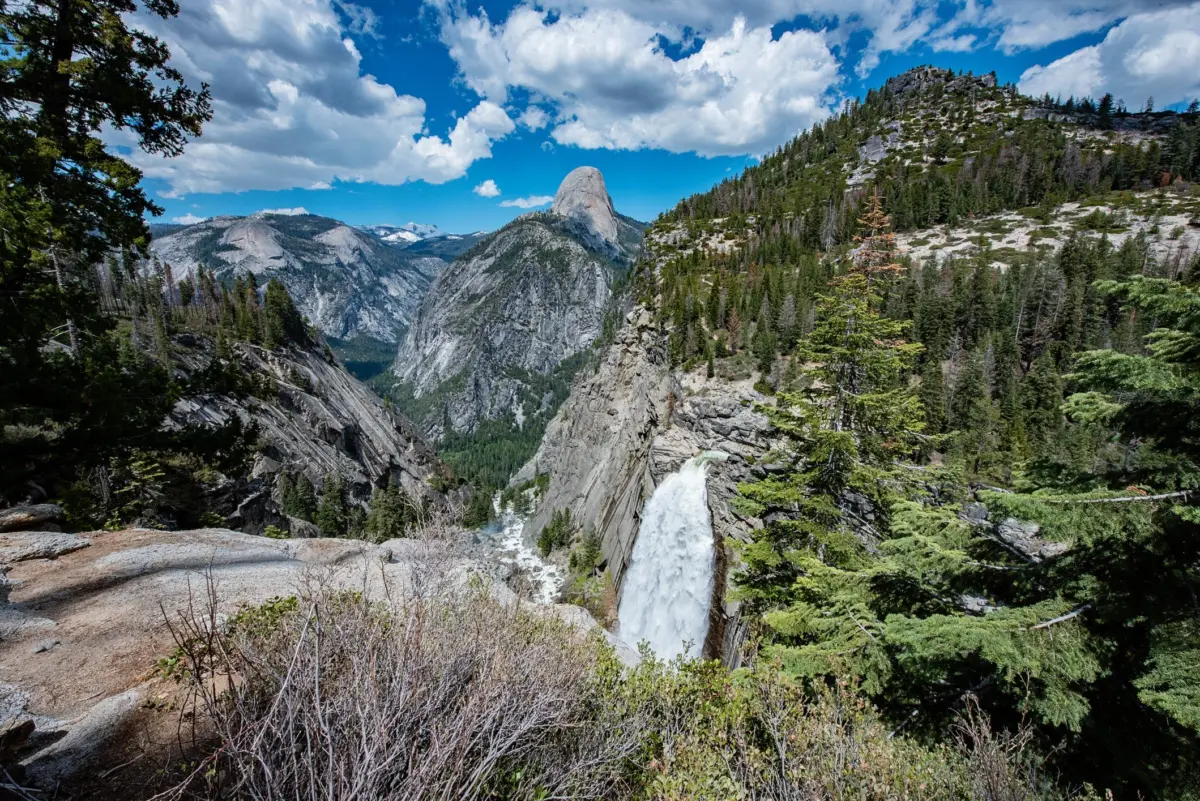
On Saturday, September 20, Ryan George was hiking in the vicinity of Illilouette Falls with a group of friends. Illilouette Falls, a dramatic 370-foot waterfall situated south of Yosemite Valley, drops into a deep, rugged canyon and is renowned for its remote beauty and treacherous surrounding terrain.
According to preliminary reports released by park officials, George slipped while navigating terrain near the waterfall, resulting in a devastating fall estimated at approximately 400 feet. Emergency communications quickly brought park rangers to the scene. Responders located George’s body near the Glacier Point Trail, a heavily trafficked pathway known for offering sweeping, panoramic views of Yosemite Valley, Half Dome, and Illilouette Falls itself. Despite the rapid mobilization of rescue personnel, George had succumbed to massive trauma sustained during the fall. The National Park Service immediately launched a formal investigation to determine the precise environmental and mechanical factors that contributed to the slip.
The Earlier Summer Fatality: Josue Biares Alfaro
George’s death was not an isolated tragedy for Yosemite’s summer season. Barely three months prior, on June 20, 2026, the park experienced a remarkably similar fatal incident involving another young visitor.
Twenty-two-year-old Josue Biares Alfaro was visiting the park when he fell near the towering, 594-foot Nevada Fall. Emergency dispatches were triggered following frantic eyewitness reports that an individual had slipped into the powerful rushing cascade of water. Park rangers and SAR teams flooded the area, initiating an intensive recovery operation. Alfaro’s body was recovered later that same day downstream from the fall.
While Alfaro’s accident occurred within the heavily congested Mist Trail corridor on the opposite side of Yosemite Valley, both incidents share tragic common denominators: young adults in the prime of their lives, slippery granite terrain in close proximity to major water features, and the unforgiving physics of high-altitude mountain environments.
Supporting Data and Context
To fully comprehend the gravity of these incidents, safety analysts look past isolated events to examine systemic park data, visitor demographics, and infrastructural pressures within Yosemite National Park and the broader federal public lands network.
The Pressure Points of Yosemite’s Infrastructure
Yosemite National Park experiences cyclical surges in tourism, with millions of visitors flocking to the Sierra Nevada range annually. Certain sectors of the park absorb a disproportionate share of this foot traffic. For instance, the Mist Trail corridor—encompassing the Happy Isles area, the Mist Trail itself, the John Muir Trail, Vernal Fall, Nevada Fall, and key access routes to Half Dome—is widely recognized as one of the busiest hiking arteries in the world.
During peak tourism months, an estimated 85,000 people traverse the Mist Trail corridor every single month. This relentless concentration of human activity exponentially increases the statistical probability of slips, trips, and medical emergencies. Furthermore, park administrators have long grappled with the compounding pressures of rising visitation paired with administrative and budgetary constraints, which can affect staffing levels for preventative search and rescue (PSAR) teams, trail maintenance crews, and ranger patrols.
Search and Rescue Statistics
Public meeting disclosures from Yosemite project teams shed light on the sheer volume of emergencies handled by park personnel. During a briefing in June 2026, Ansley Singer, a Yosemite project team member, revealed that the park had already responded to 99 distinct search and rescue incidents that year alone.
Most notably, 45 of those 99 operations—nearly half—took place exclusively within the Mist Trail corridor, the very same geographical zone where Josue Biares Alfaro lost his life. For historical context, the park recorded 98 search-and-rescue incidents parkwide by the exact same point in the previous year (2025), culminating in a staggering total of 69 SAR operations within the Mist Trail corridor by the end of that calendar year.
National Fall Statistics Across Public Lands
Fatal falls are by no means unique to Yosemite. Across the National Park System, vertical environments present perpetual hazards.
- Zion National Park (April 2026): 68-year-old Gilberto Ramos suffered a fatal fall from a steep, chained section of the iconic Angels Landing trail, highlighting the dangers associated with narrow, exposed red-rock ledges.
- Denali National Park (June 2026): Veteran Denali National Park ranger Robin Pendery tragically lost her life after falling into a deep crevasse near the 14,000-foot high camp while actively patrolling the treacherous mountaineering routes of Alaska.
Comprehensive mortality data published by the National Park Service covering the multi-year span from 2014 to 2019 reveals that unintentional falls rank securely among the top three leading causes of visitor mortality, sitting directly behind motor-vehicle accidents and accidental drownings. More granular datasets from 2014 to 2016 indicate that fatal falls alone accounted for roughly 17% of all recorded fatalities within the national park system—translating to dozens of lives lost annually to gravity-related accidents.
Official Responses and Memorials
The loss of a young life reverberates far beyond park boundaries, touching academic institutions, athletic communities, and the tight-knit family of federal land stewards.
Tributes to Ryan George
In the wake of the tragedy, the campus community at Santa Rosa Junior College entered a period of mourning. Ryan George was not only a dedicated student but also a standout athlete, competing as a sophomore on the college’s wrestling team.
Fred Duerr, George’s wrestling coach, offered a deeply moving tribute in the days following his passing, remembering him as "one of the most genuine, positive people" he had ever coached. Friends, classmates, and teammates emphasized George’s infectious enthusiasm, resilience on the mat, and deep appreciation for the outdoors—qualities that made his sudden death exceptionally painful for those who knew him.
Proactive Mitigation and Trail Engineering
In response to chronic safety concerns along high-risk routes, the National Park Service has increasingly leaned into engineering and educational interventions. Over recent years, park management has executed targeted safety improvements along the Mist Trail corridor. These upgrades include:
- Widening heavily congested shelf sections of the trail to allow safer passing.
- Lowering the vertical height of stone and concrete steps below Vernal Fall to reduce knee strain and tripping hazards.
- Installing robust handrails and guard chains in high-exposure areas prone to icy mist or slick granite.
Additionally, ongoing initiatives like the current Mist Trail Corridor project are explicitly designed to improve visitor orientation, enhance signage regarding slippery surfaces, and streamline access to vital safety information before hikers commit to steep, challenging terrain.
Implications for the Future
As the National Park Service navigates an era of unprecedented visitation, the tragedies at Yosemite highlight critical lessons for the future of outdoor recreation management, public communication, and individual wilderness ethics.
The Illusion of Safety in Managed Wilderness
One of the most persistent challenges facing land managers is the modern perception of national parks as curated, theme-park-like environments rather than wild, dynamic ecosystems. Paved paths, handrails, and interpretive signs can inadvertently foster a false sense of security among casual visitors who may underestimate how quickly a manageable hike can transform into a life-threatening situation. Waterfalls, in particular, present compound hazards: mist constantly coats adjacent granite rocks with microscopic films of water and algae, transforming seemingly solid stone surfaces into frictionless sheets of ice-like slickness.
Policy and Funding Imperatives
The staggering volume of search-and-rescue operations—nearly 100 incidents by mid-summer in Yosemite alone—signals an urgent need for sustained federal investment in park infrastructure and staffing. Preventative Search and Rescue (PSAR) programs, which focus on educating hikers before they embark on dangerous trails rather than pulling them off cliffs afterward, have proven effective at reducing accidents. However, these programs frequently rely on grant funding, philanthropic support, or stretched park budgets. Advocacy groups argue that robust, permanent federal funding is essential to maintain adequate ranger presence on high-traffic trails, repair aging infrastructure, and manage visitor flows sustainably.
A Personal Responsibility Framework
Ultimately, outdoor experts and park officials emphasize that personal situational awareness remains the single most critical deterrent against backcountry fatalities. Visitors are routinely urged to adhere strictly to established trails, respect warning signs and seasonal closures, wear footwear with aggressive, high-traction rubber soles, and exercise extreme caution when approaching steep drop-offs, cliffs, and rushing water.
As Yosemite National Park and the wider outdoor community mourn the loss of young lives like Ryan George and Josue Biares Alfaro, the enduring hope is that these somber lessons will inspire a renewed culture of respect, preparation, and mindfulness among the millions who seek solace in America’s wild spaces.
