

Published September 2, 2026
After five years, over one hundred published stories, and countless miles logged on some of North America’s most demanding terrain, Nathan Pipenberg is stepping down from his post as Backpacker magazine’s resident ultralight gear columnist. Over half a decade of field-testing the bleeding edge of outdoor manufacturing, Pipenberg has evaluated everything from featherlight titanium spoons to experimental shelter fabrics designed for mountaineers pushing sub-zero ridges.
When asked to reflect on his tenure, Pipenberg bypasses the sentimental farewells typical of industry departures. Instead, he zeroes in on the single topic that dominates the ultralight community’s collective consciousness—and the one obsession every backpacker harbors, regardless of how aggressively minimalist they claim to be: the gear.
Having enjoyed early, unhindered access to the industry’s most sought-after products, Pipenberg has seen the good, the mediocre, and the profoundly disappointing. As he prepares to transition away from his role as an industry insider, he pulls back the curtain to reveal his definitive, unfiltered list: the pieces of equipment worth every hard-earned dollar, and the hyped-up innovations he wouldn’t spend a dime on.
Chronology of an Evolution: Five Years at the Cutting Edge of Ultralight
To understand Pipenberg’s current gear philosophy, one must understand how the ultralight landscape has shifted between 2021 and 2026.
- 2021–2022 (The Composite Boom): Pipenberg’s early years at Backpacker coincided with the golden era of high-molecular-weight polyethylene. Brands leaned heavily into Dyneema Composite Fabrics (DCF) for tents and early iterations of woven composite pack materials, promising unprecedented strength-to-weight ratios.
- 2023–2024 (The Comfort Revolution): The industry experienced a cultural pivot. Ultralight backpacking stopped being an exercise in pure suffering. Manufacturers began integrating technical features like vest-style shoulder straps, highly breathable active-insulation midlayers (such as Polartec Alpha Direct), and comfort-focused sleep systems that prioritized warmth over bare-minimum weight savings.
- 2025–2026 (The Material Diversification & Price Surge): Advanced woven materials like Ultra and ALUULA’s Graflyte challenged DCF’s dominance. Concurrently, inflation and rising manufacturing costs pushed retail prices into territory that forced even well-funded gear reviewers to re-evaluate the true value proposition of high-end equipment.
Worth Buying: The Elite Tier of Backpacking Gear
After testing hundreds of products, Pipenberg’s "buy list" reflects a pragmatic shift toward comfort, multi-use capability, and long-term durability over chasing arbitrary low-weight figures on a scale.
1. Frameless Backpacks with Vest-Style Straps
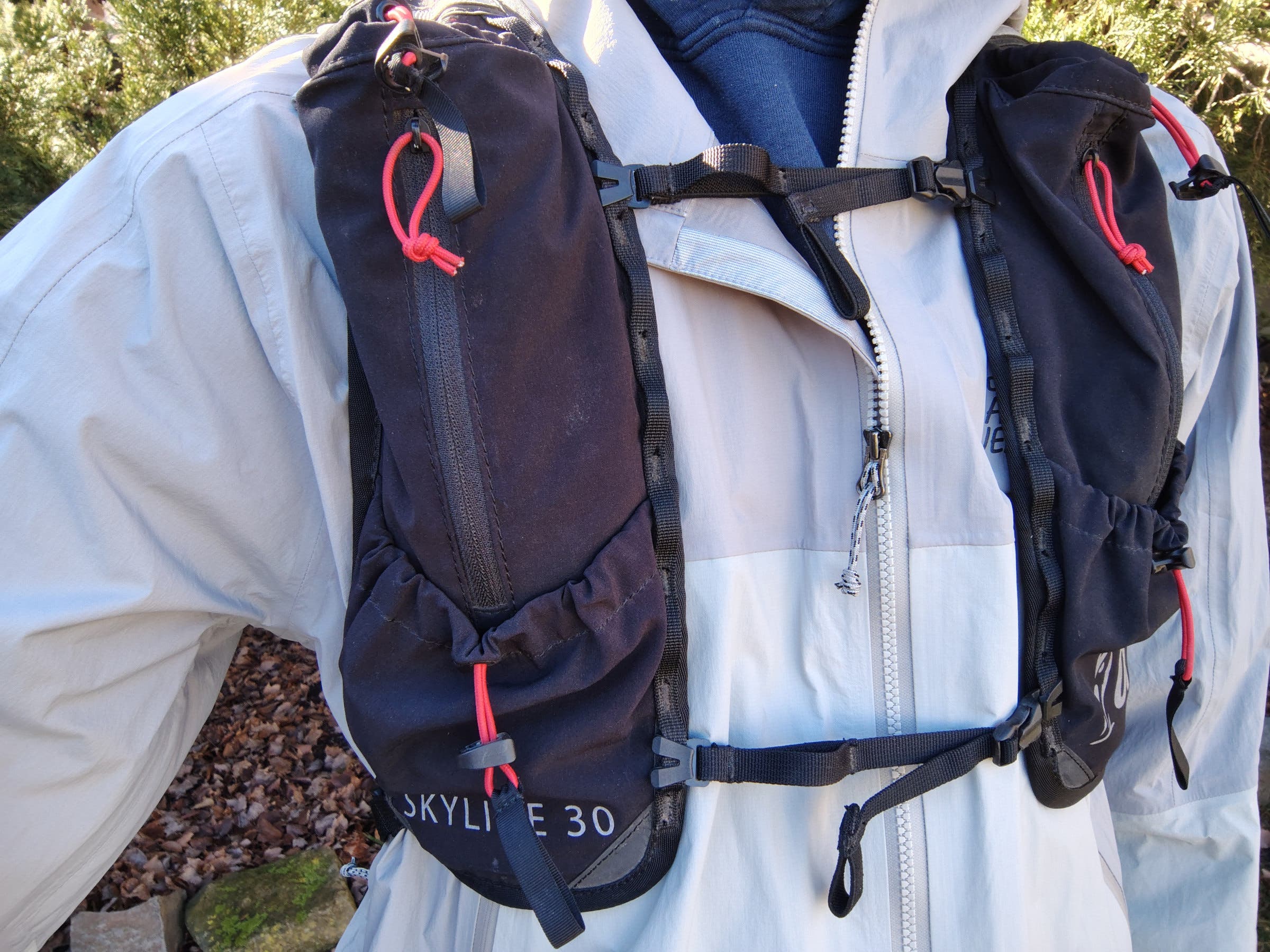
For a long time, the traditional ultralight dogma dictated a strict binary: either you carry a heavy-duty framed pack or you suffer through a minimalist frameless sack that digs into your collarbones. However, the recent evolution of "vest-style" shoulder straps—wider, stretchier, and ergonomic—has completely revitalized the frameless category.
Pipenberg notes that these strap designs act as a comfort upgrade on par with a lightweight internal frame, distributing pack loads across the entire torso rather than concentrating the weight on the shoulders. Furthermore, the wider profile provides prime real estate for shoulder strap pockets, allowing hikers to ditch hip-belt pouches entirely.
- Top Pick: The Gossamer Gear Skala 38. Pipenberg highlights it as a near-perfect frameless pack: lightweight, remarkably simple, supremely comfortable, and priced sensibly enough that buying it doesn’t induce buyer’s remorse.
2. Polartec Alpha Direct and Tecnowool Midlayers
While Polartec Alpha Direct has rightfully earned its stellar reputation for offering unmatched warmth-to-weight ratios paired with breathability, it now faces legitimate competition.
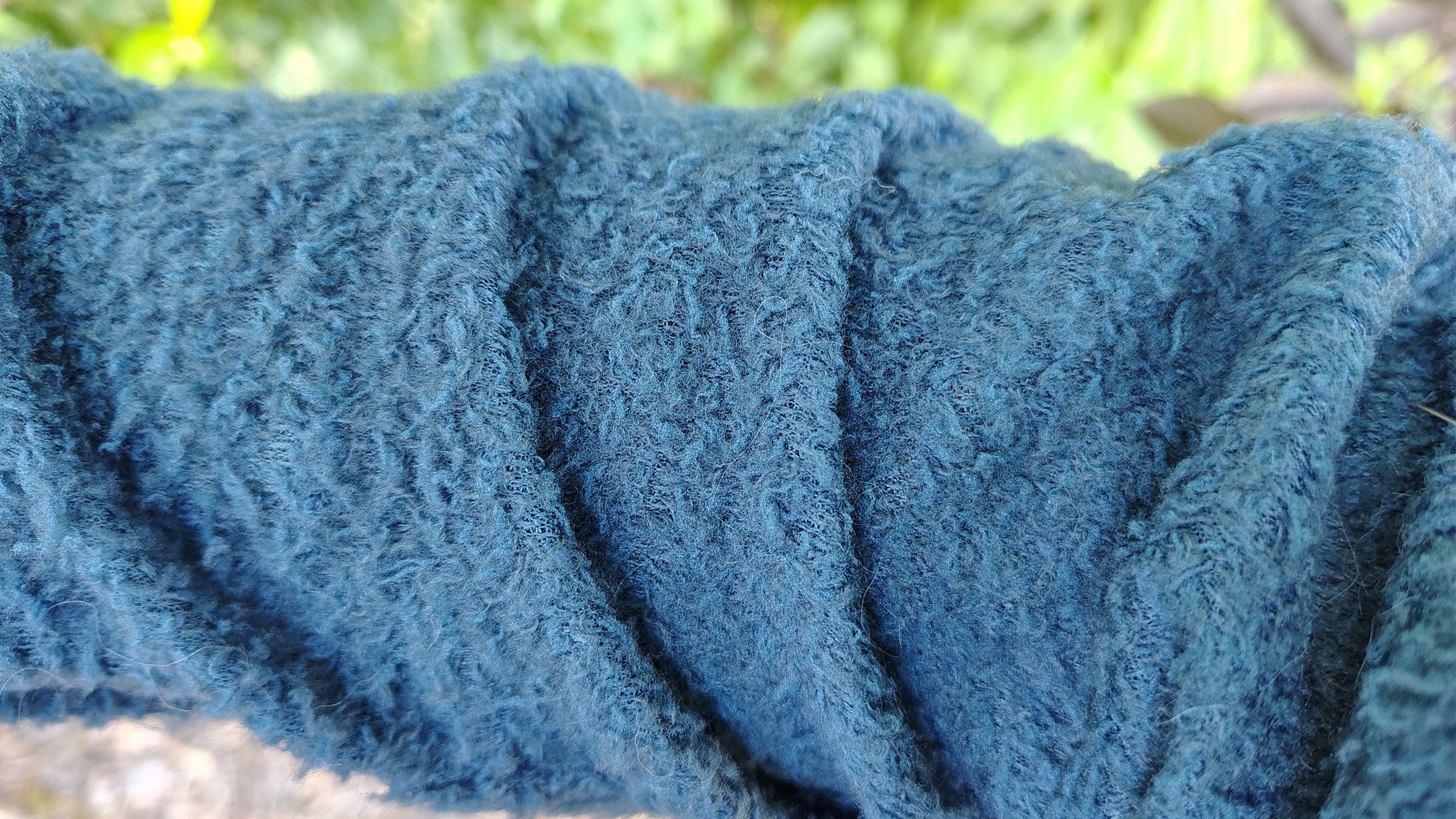
Pipenberg’s new favorite active-insulation layer is the Farpointe Tecnowool Cruiser. Tecnowool features a traditional wool exterior tufted for durability while maintaining the internal loft and breathability of modern synthetic fleece. According to Pipenberg, Tecnowool matches Alpha Direct’s breathability while delivering a softer, stretchier, and significantly less odor-retaining wearing experience.
3. Showers Pass Cloudburst Hoodie
Rain jackets are notoriously difficult to love. Traditional hardshells are loud, lack breathability regardless of marketing claims, degrade rapidly as DWR (Durable Water Repellent) coatings fail, and serve virtually zero purpose when the sun is shining. In dry climates like Idaho, carrying an uncomfortable hardshell feels like dead weight.
The Showers Pass Cloudburst Hoodie breaks the mold. Retailing at $260 and tipping the scales at nearly 10 ounces, it violates strict ultralight dogma, yet Pipenberg argues it is worth every ounce.
- Performance Highlights: The jacket utilizes a soft, quiet, stretchy fabric that functions seamlessly as a standalone windbreaker both on-trail and around town. While it lacks pit zips, its baseline breathability and waterproofing are high enough that Pipenberg trusts it for weekend-long rain storms without turning into a portable sauna.
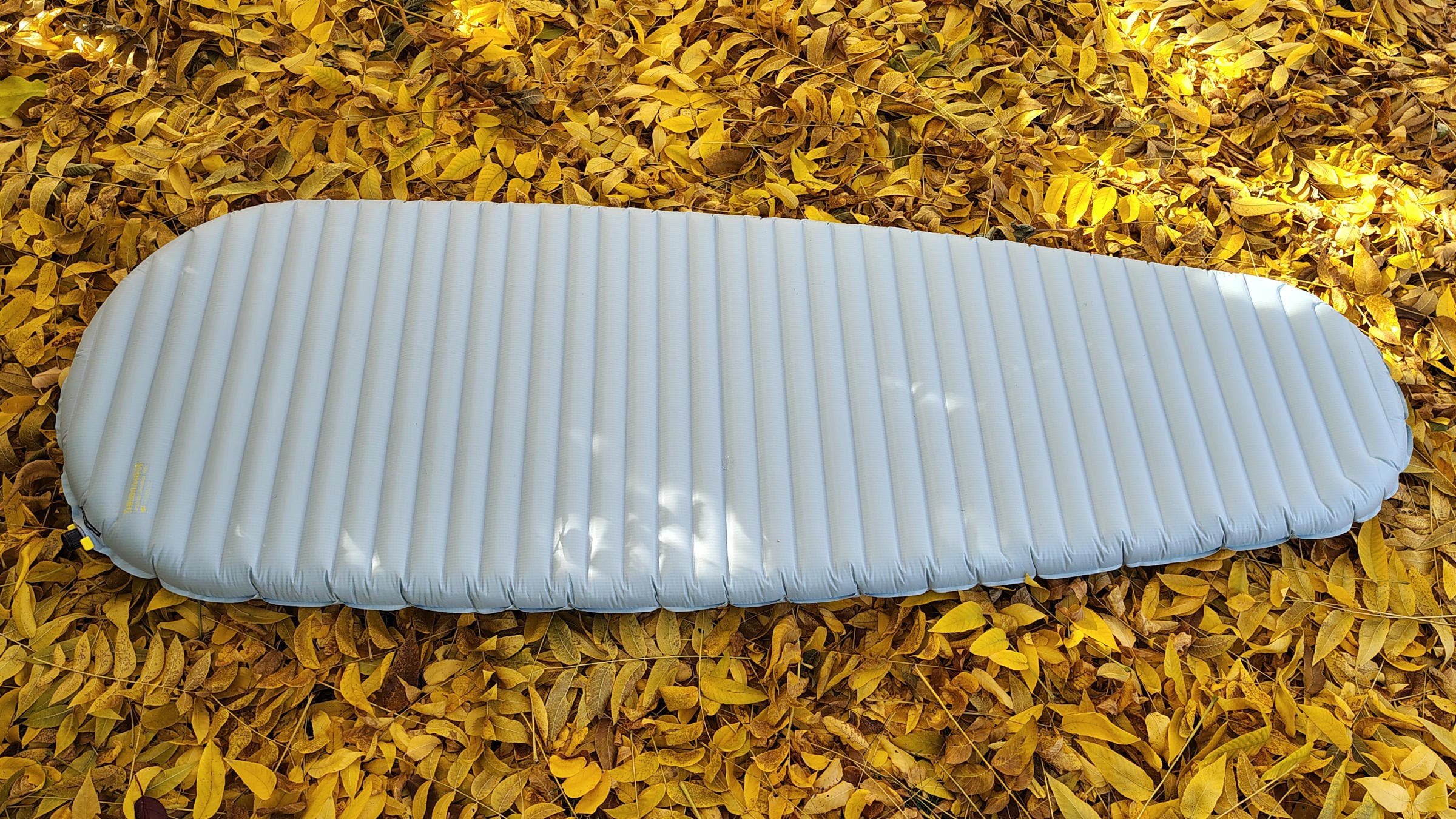
4. Therm-a-Rest NeoAir XTherm NXT
As sleeping pad prices soar, choosing the right insulation layer is a critical financial and thermal decision. Pipenberg’s choice for a four-season pad is the Therm-a-Rest NeoAir XTherm NXT, driven by three structural advantages over lighter alternatives:
- It is virtually identical in weight to its three-season sibling, the NeoAir XLite NXT.
- It features a rugged 70-denier nylon bottom, providing a massive durability upgrade over the 20- to 40-denier fabrics found on competing ultralight pads.
- Winter pads can comfortably be used year-round; the internal mylar reflective layers actually assist in blocking radiant heat from the ground during scorching summer nights.
Backed by Therm-a-Rest’s lifetime warranty, the XTherm NXT represents a permanent investment piece.
5. Summer Sleeping Quilts
Shedding the traditional 20-degree sleeping bag in favor of a dedicated summer quilt is, in Pipenberg’s eyes, the ultimate "luxury" upgrade for warm-weather trips. A high-end 40-degree quilt packs down to the size of a football and weighs less than some base-layer shirts.
- Top Pick: The Cumulus Neo Quilt 150. At a mere 9.5 ounces, it provides all the thermal regulation necessary for peak summer conditions, rendering traditional three-season sleeping bags unnecessary for fair-weather itineraries.
Not Worth Buying: Overhyped Traps in the Ultralight Market
Not every expensive innovation passes Pipenberg’s real-world litmus test. Two massive categories of gear failed to justify their inflated price tags during his tenure at Backpacker.
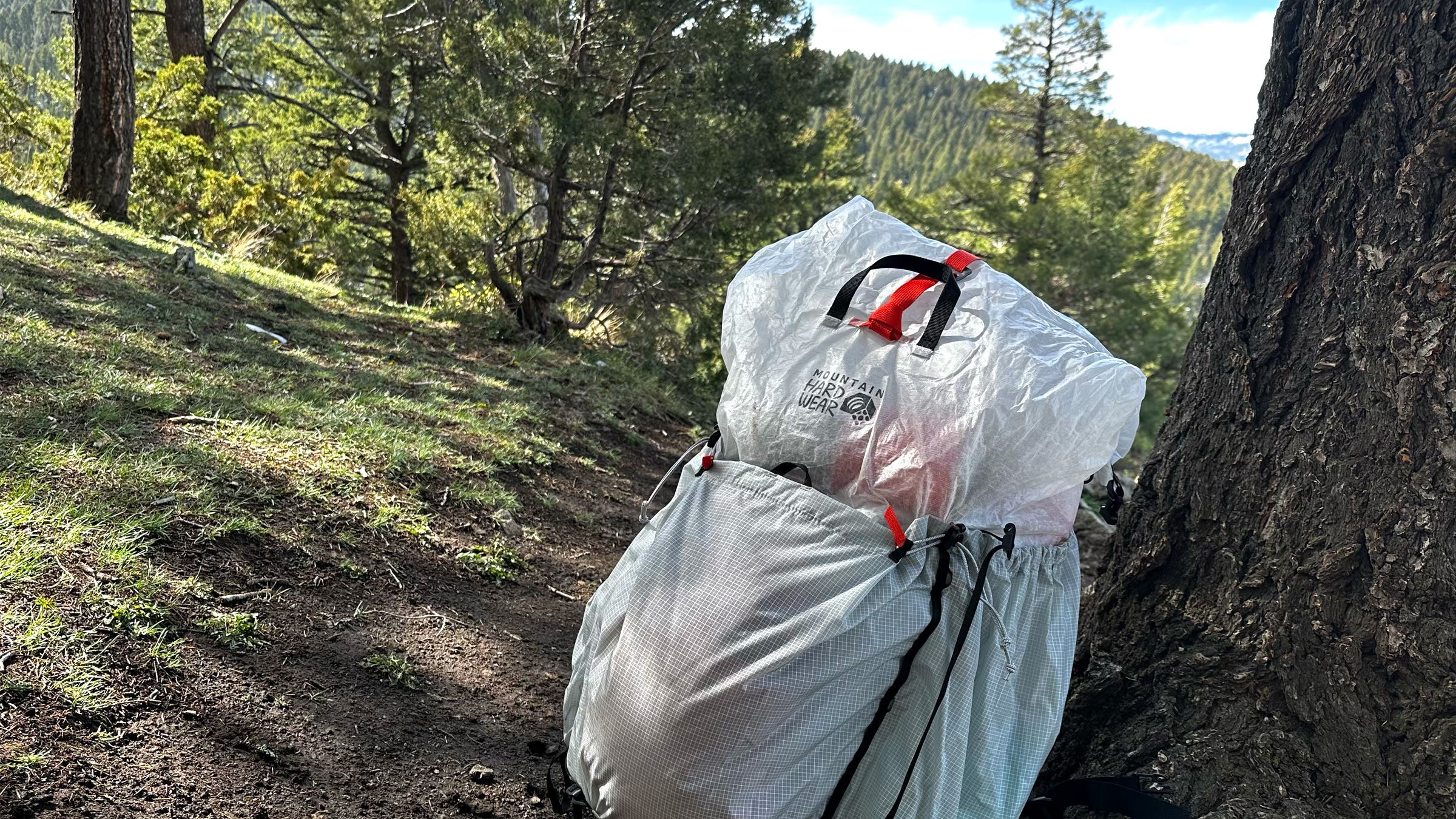
1. Composite Fabrics (Dyneema, Ultra, and Graflyte)
Ultra-high-molecular-weight-polyethylene (UHMWPE) composite fabrics have defined the cutting edge of lightweight backpacking for a decade. While Pipenberg acknowledges their technical brilliance in terms of raw tear-resistance, he warns consumers against buying into the marketing hype.
- The Backpack Problem: Pipenberg argues that material selection matters very little in an ultralight backpack because a pack consumes barely a yard of fabric. Furthermore, composite materials suffer from lamination failure (films peeling away over time) and struggle to hold stitches securely at high-stress seams. Traditional nylon remains cheaper, quieter, and adequately durable.
- The Shelter Problem: While Dyneema shines in single-wall tarps and tents, it is extraordinarily expensive (often exceeding $600) and structurally flawed. Dyneema creases permanently when folded or rolled, leading to material shrinkage over time. Pipenberg maintains that silicone-impregnated polyester (silpoly) remains the undisputed king of shelter fabrics: economical, lightweight, and completely sag-free when wet.
2. Hiking-Specific Apparel
After years of reviewing high-end trail clothing, Pipenberg remains profoundly skeptical of the outdoor apparel industry’s markup strategies.
The technical performance gap between a $90 technical button-down from a premier outdoor brand and a $15 polyester workout shirt from a wholesale club is virtually nonexistent. Pipenberg advocates for thrifting and sourcing basic synthetic layers rather than paying a steep premium simply to "dress like a mannequin in a flagship store."
Supporting Data & Market Implications
Pipenberg’s exit interviews and gear evaluations arrive at a precarious time for the outdoor industry. Economic pressures, shifting consumer habits, and technological stagnation have created distinct trends across the market:
| Gear Category | Consumer Trend (2026) | Pipenberg’s Verdict |
|---|---|---|
| Packs | Transition from rigid frames to vest-style frameless suspensions | Buy (Improves weight distribution and torso comfort) |
| Midlayers | Shift toward breathable active insulation (Alpha Direct, Tecnowool) | Buy (Exceptional thermoregulation) |
| Shells | Premium hardshells vs. versatile comfort hoodies | Buy (Showers Pass Cloudburst for multi-use versatility) |
| Pads | Premium multi-season insulated pads | Buy (XTherm NXT for durability and 4-season utility) |
| Shelters | High-end Dyneema vs. traditional Silpoly | Skip (Dyneema is prone to creasing, delamination, and high cost) |
| Apparel | Branded trail-specific clothing vs. generic athletic wear | Skip (Massive corporate markups for negligible performance gains) |
Implications for the Future of Ultralight Backpacking
Pipenberg’s departure from Backpacker signals a broader cultural maturation within the ultralight community. For years, the movement was defined by radical reductionism—shaving grams at all costs, regardless of comfort, financial expense, or gear longevity.
By prioritizing hybrid materials like Tecnowool, multi-use weather shells, and durable winter sleeping pads even in summer, Pipenberg’s parting advice points toward a sustainable ethos: true ultralight efficiency is not about buying the most expensive space-age composite fabric on the market; it is about selecting reliable, multi-functional gear that keeps you comfortable, protects your investment, and gets you outside more often.
As the outdoor industry continues to grapple with rising retail costs and diminishing returns on marginal weight savings, Pipenberg’s final message to consumers is clear: ignore the hype, interrogate the marketing claims, and spend your money where comfort and durability genuinely intersect.
