

By Outdoor & Wildlife Investigative Desk
Published August 18, 2026
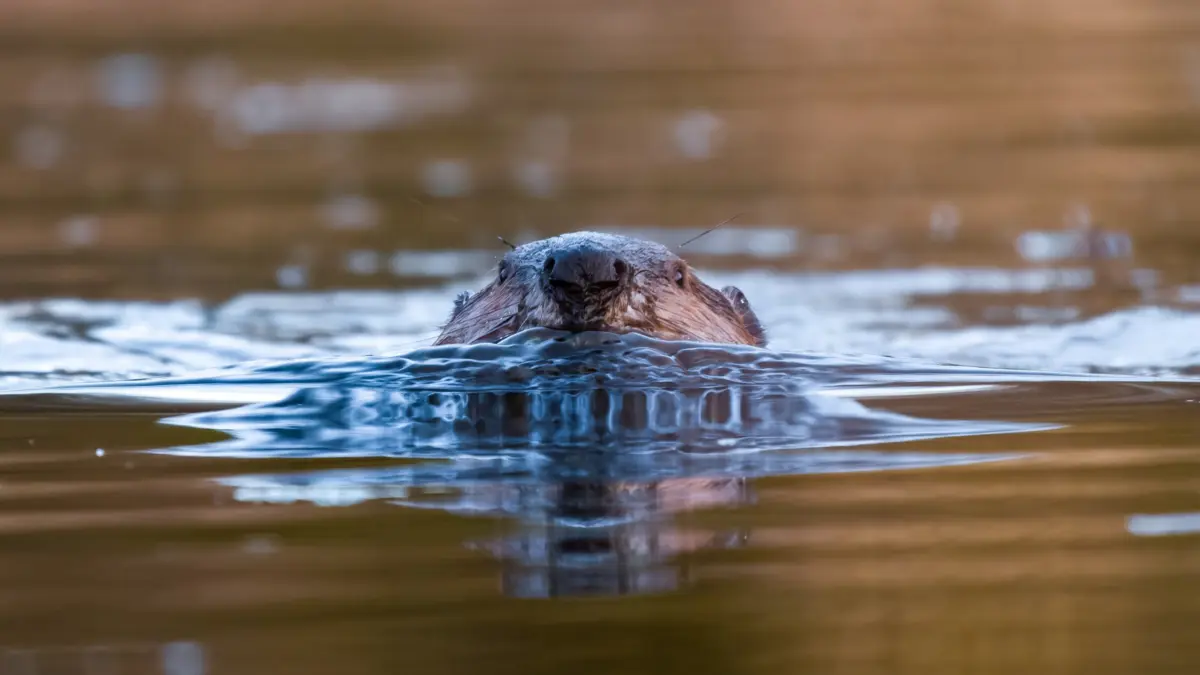
Wildlife officials and public health authorities in Maryland are grappling with an extraordinary and alarming series of incidents following three separate beaver attacks on humans within a span of less than one month. While beaver attacks are historically vanishingly rare—often considered statistical anomalies in the realm of human-wildlife conflicts—the clustering of these events has raised red flags. Compounding the alarm is the confirmation that beavers involved in prior attacks tested positive for rabies, a fatal viral disease that fundamentally alters animal behavior.
The most recent encounter, which occurred at a popular swimming area in Seneca Creek State Park, has left a 10-year-old child injured and triggered temporary park closures. As state agencies scramble to monitor waterways, dismantle dams, and investigate potential localized epizootics (animal epidemics), outdoor recreationists and conservationists alike are left questioning what is driving these historically docile aquatic architects to turn aggressive.
Main Facts: A Cluster of Unprovoked Encounters
The crisis centers on two distinct state parks in Maryland, culminating in an aggressive streak that has upended summer recreation. The most recent attack took place on August 14, 2026, at approximately 3:30 p.m., near a well-frequented swimming hole close to the Potomac River in Seneca Creek State Park.
A 10-year-old girl, participating in an organized summer camp outing, was swimming and wading in the water when a beaver launched a sudden, unprovoked attack. The animal bit the child, inflicting a laceration on her upper leg before vigilant camp counselors intervened, physically pulling the animal off the victim. The beaver managed to escape back into the murky depths of the water.
Family members immediately transported the injured child to Suburban Hospital in Bethesda, Maryland, for medical evaluation and treatment. Fortunately, no other physical injuries were reported during that specific encounter. However, the volatility of the wildlife became apparent moments later when nearby canoers reported that a beaver aggressively "attempted to charge" their watercraft, signaling that the animal remained in a hyper-aggressive state.
In response to the Seneca Creek incident, park management swiftly closed the affected swimming areas and nearby trails until further notice, launching intensive searches for the rogue animal.
While the Seneca Creek attack is still under active investigation by the Maryland Department of Natural Resources (DNR), it mirrors two preceding incidents that occurred just 36 miles north at Cunningham Falls State Park. In both of those prior cases, captured beavers subsequently tested positive for rabies, transforming what might have been viewed as freak nature accidents into a public health concern.
Chronology of Events: The 30-Day Timeline of Attacks
To understand the scope of the current wildlife crisis, authorities have mapped out a tight, concerning timeline of aggressive interactions spanning late July and mid-August 2026.
- July 26, 2026 (Cunningham Falls State Park): A 13-year-old swimmer is attacked and bitten while enjoying the water at Cunningham Falls, 36 miles north of Seneca Creek. The aggressive behavior immediately alerts park staff to potential neurological issues in the local wildlife population.
- July 27, 2026 (Cunningham Falls State Park): Wildlife officials successfully track, capture, and euthanize the beaver responsible for the July 26 attack. Subsequent laboratory testing confirms that the animal was infected with the rabies virus.
- August 5, 2026 (Cunningham Falls State Park): A second attack occurs within the same park system. A 19-year-old fisherman is bitten on the ankle by a beaver while standing near the water. The angler transports himself to Meritus Medical Center in Hagerstown, Maryland, where he receives immediate post-exposure rabies treatment and a tetanus booster.
- August 6–10, 2026 (Cunningham Falls State Park): In response to the escalating threat, Natural Resource Police and wildlife biologists intensify patrols. Authorities successfully catch and euthanize the second attacking beaver, which also tests positive for rabies. Park officials begin dismantling a beaver dam near the July 26 incident site and institute a strict protocol of "nighttime monitoring" and daytime surveillance to remove potentially infected animals.
- August 14, 2026 (Seneca Creek State Park): The crisis shifts southward. A 10-year-old girl at a summer camp swimming hole near the Potomac River is bitten on the upper leg by a beaver. Canoers nearby report being charged by an aggressive beaver in the same timeframe. Park sections are closed, and investigations begin.
- August 18, 2026: The Maryland Department of Natural Resources continues its investigation into the Seneca Creek incident, while public health officials monitor the possibility of a broader rabies vector issue, even as they officially categorize the Seneca Creek and Cunningham Falls events as geographically and socially distinct.
Supporting Data: The Statistical Rarity of Beaver Rabies and Attacks
To grasp how unusual these events are, one must look at historical wildlife data. Beavers (Castor canadensis) are North America’s largest rodents. They are herbivorous, highly social, family-oriented animals that spend the vast majority of their lives hidden inside lodges or working on complex aquatic engineering projects. They are fundamentally defensive, rather than offensive, creatures. Seeing a beaver in the wild during daylight hours is uncommon; being attacked by one is statistically minuscule.
Prior to the summer of 2026, Maryland wildlife officials had recorded a total of only two rabid beaver attacks since 2015—matching the total number of rabid beaver incidents in just one month this year.
National data confirms how rare this phenomenon is. According to a comprehensive 2025 case report published by the Wilderness Medical Society, there were only 40 confirmed cases of rabies in beavers across the entire United States between 2002 and 2021. Because beavers are rodents, they are categorized as "low-vector" species for rabies. While mammals like raccoons, skunks, foxes, and bats frequently contract and transmit the virus, rodents rarely survive long enough after contracting rabies to spread it broadly, largely due to their small size and vulnerability to primary predators. However, when a beaver does contract the virus, the disease radically alters its brain chemistry, erasing its natural fear of humans and replacing it with unprovoked, berserk aggression.
When these rare attacks do occur, the consequences can be severe. Beavers possess specialized, iron-reinforced orange incisors designed to fell trees and strip bark. These powerful teeth can deliver devastating bite wounds capable of crushing bone, severing arteries, and causing deep tissue lacerations.
Medical literature documents the terrifying nature of these encounters. The Wilderness Medical Society report highlights an incident involving a 46-year-old swimmer in the Connecticut River. The victim recalled feeling something brush against his legs before a vicious, premeditated assault began. The rabid beaver bit and clawed him three separate times, eventually clamping its powerful jaws onto his left arm and refusing to let go. The swimmer managed to make it to shore, ultimately clubbing the animal to death with a heavy log while noting that the creature was actively "trying to drag him underwater." Subsequent lab tests confirmed that the attacking river animal was rabid.
Official Responses and Management Strategies
The Maryland Department of Natural Resources (DNR), alongside park rangers and local health departments, has mobilized a multifaceted response to protect park visitors while managing the local wildlife populations.
In Cunningham Falls State Park, where two confirmed rabid beavers were euthanized in late July and early August, the response has been aggressive. Park authorities have closed multiple recreation areas to limit human-animal contact. In a rare and heavy-handed wildlife management step, teams dismantled a major beaver dam near the site of the first attack to discourage other animals from lingering in high-traffic human zones. Furthermore, officials deployed a specialized protocol featuring "nighttime monitoring" and intensive daytime surveillance, allowing sharpshooters and wildlife handlers to safely remove additional beavers from the area to test them for the virus and eliminate potential vectors.
At Seneca Creek State Park, the approach following the August 14 attack has focused on immediate public safety closures, water patrols, and forensic wildlife tracking.
Despite the alarming back-to-back nature of the events, the Maryland DNR has stated that it currently does not consider the Seneca Creek attacks to be directly related to the Cunningham Falls incidents. Given the distance between the two parks (roughly 36 miles) and the territorial family structures of wild beavers—which typically do not travel vast overland distances in short spans—wildlife biologists believe these are separate, isolated instances of rabies manifesting locally within two distinct animal populations.
Public health advisories have been amplified across Maryland. State officials are reminding the public that while wild beavers are typically non-aggressive and actively avoid human contact, visitors must maintain a strict viewing distance of at least 25 yards from any wildlife. Furthermore, recreationists are instructed to report any unusual animal behavior—such as a beaver approaching humans in broad daylight, swimming erratically, or displaying uncharacteristic fearlessness—to park rangers immediately.
Implications for Outdoor Recreation and Public Health
The Maryland beaver attacks serve as a stark reminder of the unpredictable nature of wildlife and the creeping threat of zoonotic diseases in public natural spaces. As human populations expand and encroach upon natural habitats, encounters between people and wild animals are inevitably on the rise. However, the introduction of pathogens like rabies introduces a volatile, dangerous variable into standard outdoor recreation.
For hikers, campers, swimmers, and anglers, the events at Seneca Creek and Cunningham Falls do not mean that state parks have become hostile territory, but they do underscore the vital importance of situational awareness. Water-based activities, which naturally bring humans into the habitats of otters, muskrats, and beavers, require heightened vigilance.
Medical professionals stress that anyone bitten or scratched by a wild animal—particularly one displaying abnormal aggression—must seek immediate medical attention. Post-exposure prophylaxis (PEP), a series of rabies shots administered shortly after exposure, is nearly 100% effective at preventing the onset of rabies, which is otherwise almost universally fatal once symptoms appear.
As Maryland wildlife officials continue their investigations and maintain increased surveillance across state park waterways, the hope is that these isolated chains of rabid animal encounters will subside. Until then, the state’s rivers and lakes remain under a watchful eye, serving as a cautionary tale of how profoundly a microscopic virus can alter the behavior of nature’s most iconic engineers.
