

Published August 12, 2026
For generations, outdoor enthusiasts seeking an unobstructed view of the night sky faced a frustrating compromise. They could opt for traditional cowboy camping—sleeping directly on a groundsheet beneath the stars—and risk waking up to stinging insects, crawling wildlife, or sudden, soaking rain. Alternatively, they could pitch a standard backpacking tent, trapping themselves beneath opaque fabrics and heavy mesh windows that obstructed the celestial panorama.
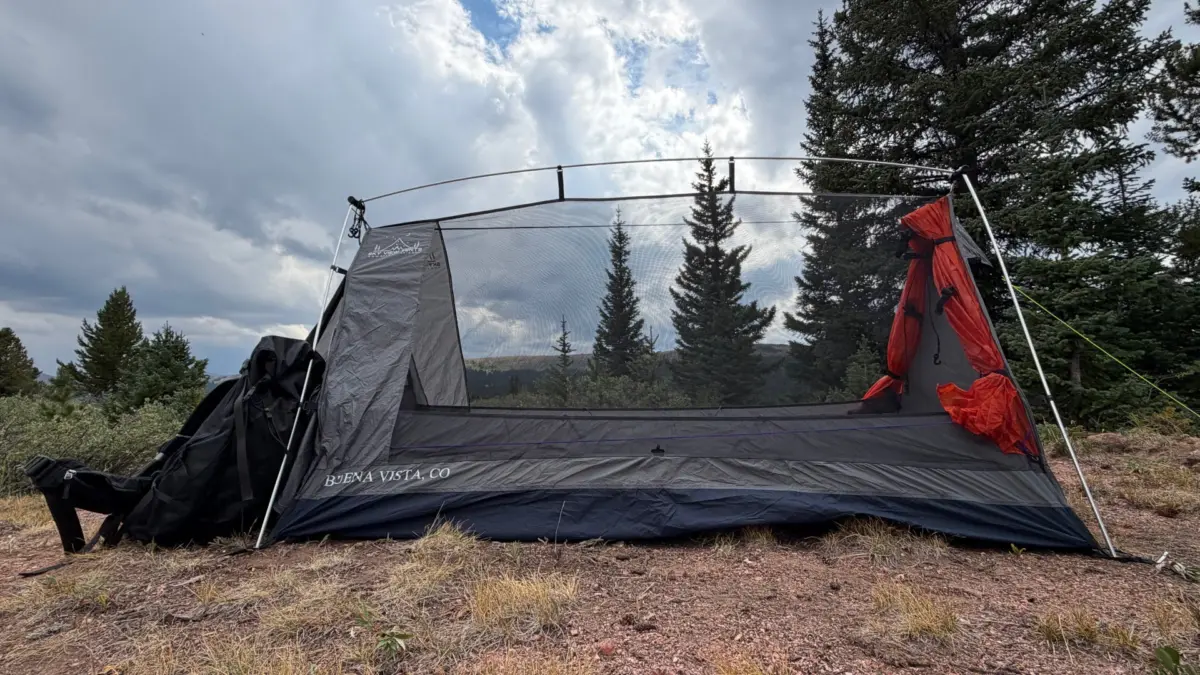
Enter a new niche in outdoor gear: the dedicated stargazing tent. Leading this charge is the Sky View Solo Tent, a piece of equipment purpose-built to marry the raw exposure of open-air sleeping with the protective comforts of modern shelter. While high-alpine mountaineering tents prioritize wind shear resistance and heavy-duty stormproofing, and ultralight thru-hiking shelters focus strictly on shedding ounces, Sky View has carved out a distinct corner of the market for astro-campers, night-sky photographers, and meteor shower chasers.
Main Facts: The Anatomy of a Celestial Shelter
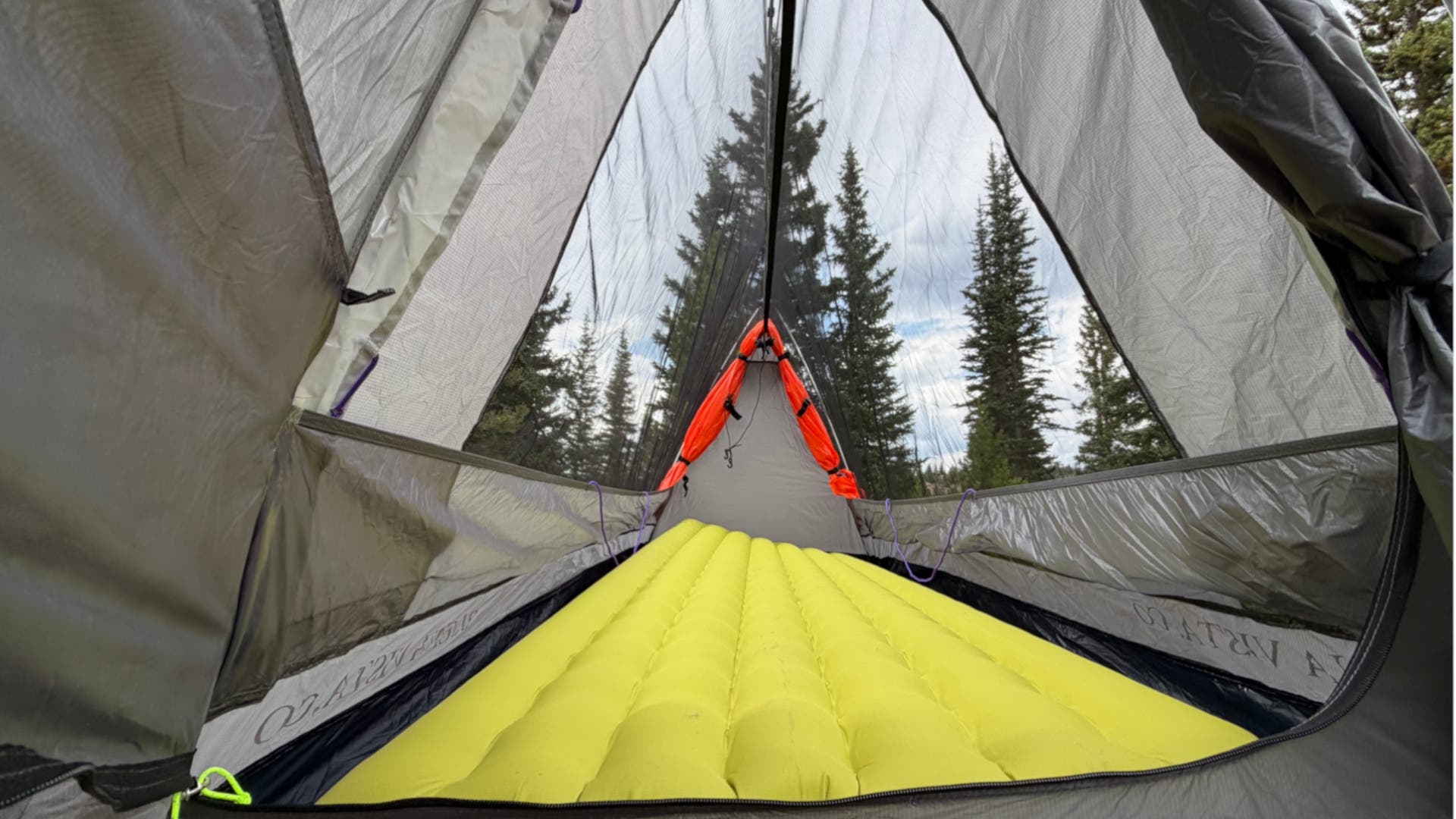
At first glance, the Sky View Solo Tent appears to be a standard, freestanding, one-person backpacking shelter. It tips the scales at 3.8 pounds, packs down small enough to strap onto a standard pack, and provides just under 21 square feet of interior floor space. Built with durable 20- and 40-denier ripstop nylon and featuring a vestibule large enough to house a pack and a pair of hiking boots, it checks all the practical boxes of a fair-weather shelter.
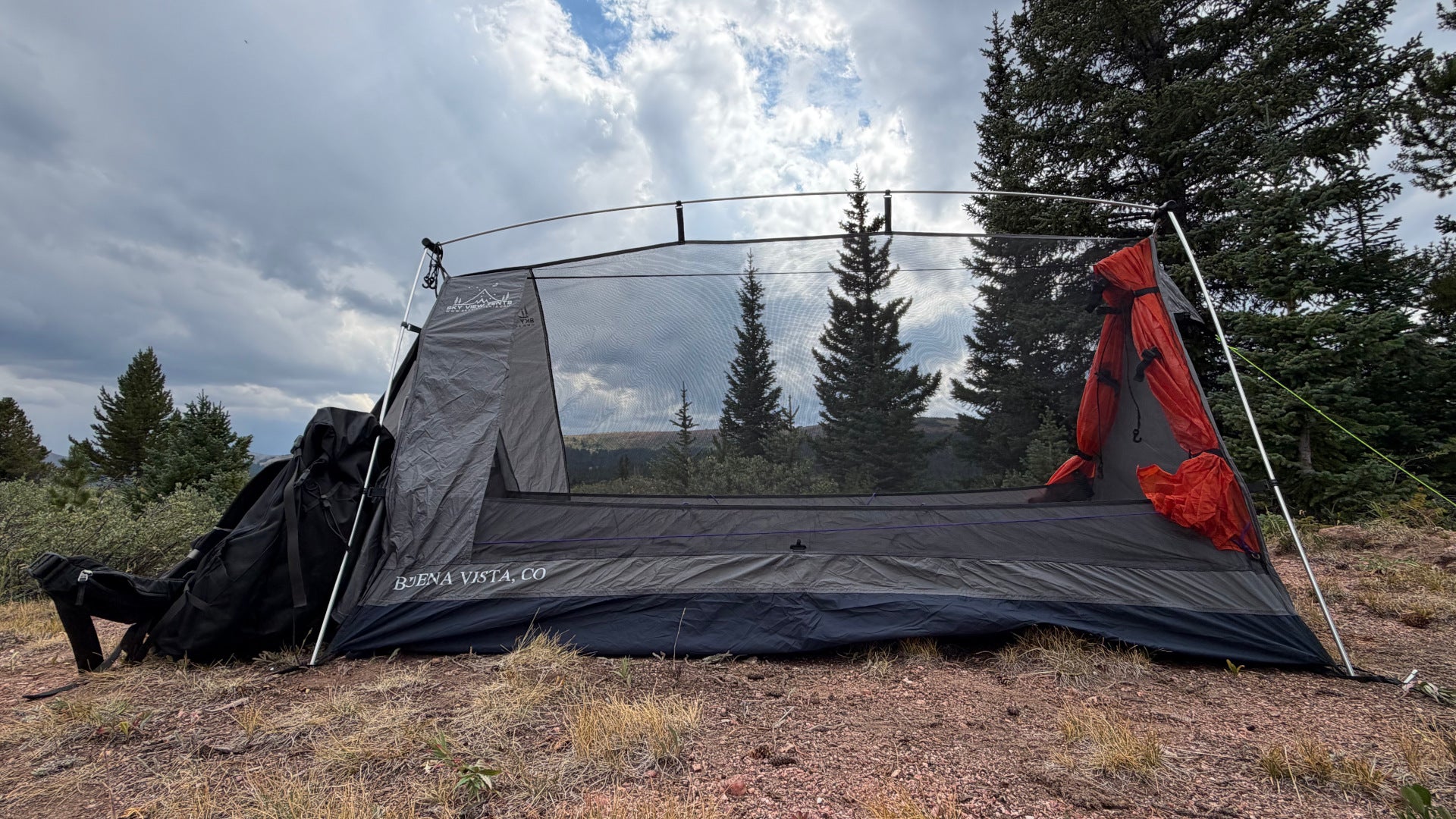
However, its engineering diverges sharply from traditional tents in two critical areas:
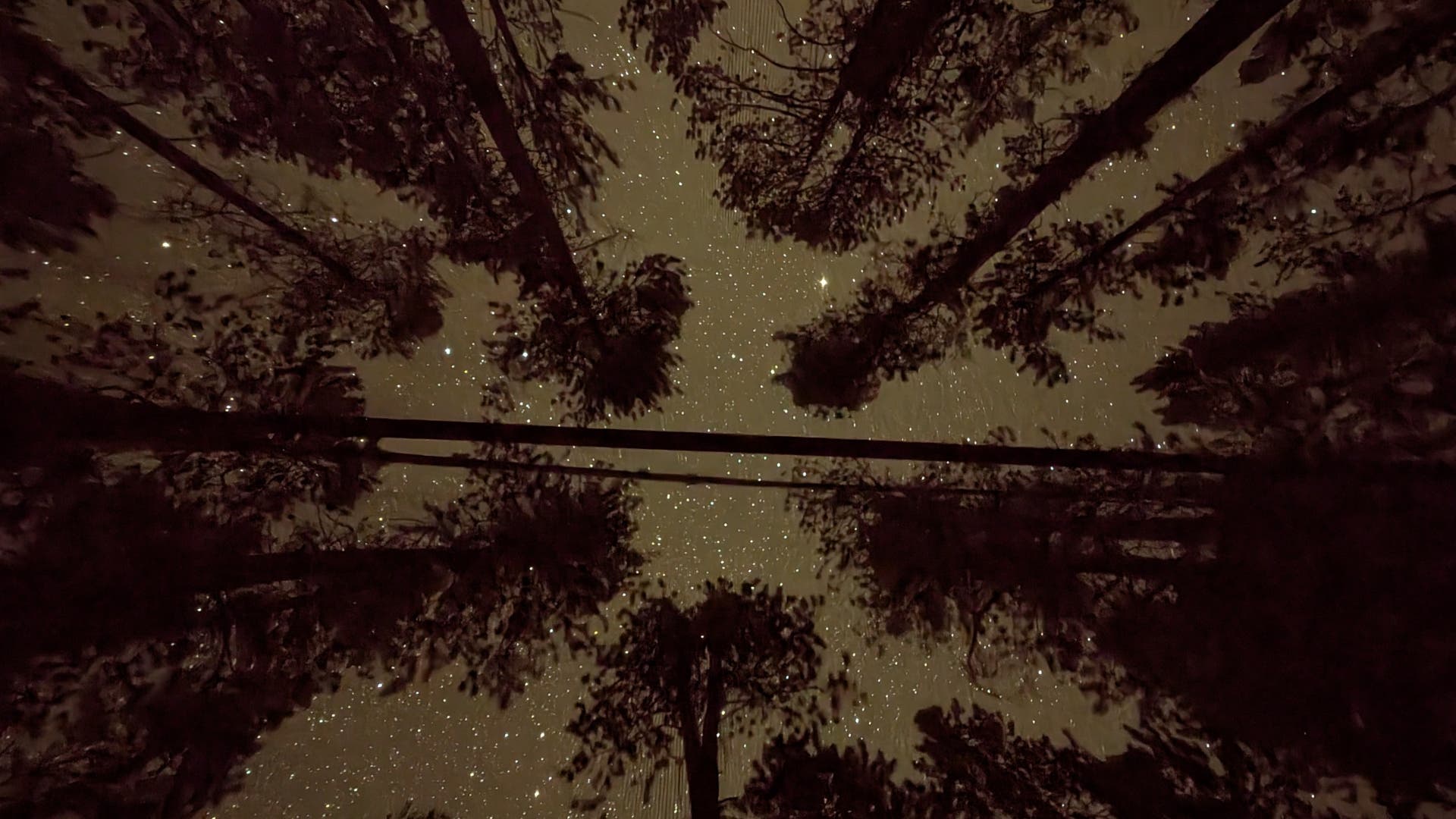
- The UltraVue 2 Mesh: Standard tent mesh, while effective at keeping bugs out, tends to diffuse light and create a hazy barrier between the occupant and the outside world. Sky View utilizes "UltraVue 2"—a high-visibility insect mesh traditionally reserved for permanent residential screen enclosures. This material is startlingly transparent, offering a crystal-clear, unobstructed view of the night sky that makes campers feel as though they are sleeping directly in the open air.
- The Interior-Deployed Rainfly: In a traditional tent, dealing with sudden midnight precipitation means fumbling outside in the dark, wrestling with wet fabric, and clipping an exterior fly into place. The Sky View flips this script by mounting its orange waterproof rainfly (which features a robust 3000mm waterproof coating) on the inside of the tent. If weather rolls in unexpectedly, occupants can simply unfasten the fly from its storage pocket and clip it across the ceiling without ever leaving their sleeping bag.
Chronology: From a New Year’s Eve Epiphany to Colorado Innovation
The concept for Sky View did not emerge from a sterile corporate boardroom or a computer-aided design lab. Instead, its genesis traces back to the early morning hours of New Year’s Day, deep on a beach in Mexico.
The Spark (Circa 4:00 AM, New Year’s Eve)
Company founder Joe Bissonnette was spending the holiday on a Mexican beach with his fiancée when a brilliant shooting star streaked across the atmosphere. Describing it years later as "one of the craziest ones I’ve ever seen," Bissonnette experienced a familiar outdoor dilemma. "I was like, ‘Man, I wish I brought one of our tents so we could spend the night at the beach,’" he recalled.
Iteration and Prototyping
Inspired by that moment, Bissonnette began experimenting with prototypes. His earliest designs relied on a clear plastic top to maintain visibility while offering weather protection. The experiment failed quickly; ventilation was atrocious, trapping condensation and fogging up, while the optical clarity of the plastic left much to be desired.
The breakthrough came when Bissonnette discovered residential high-visibility mesh. Realizing its superior transparency, he recognized that the missing link in astro-camping gear was not a better type of plastic, but a superior grade of screen material.
Shaping the View
To maximize the viewing angle, Bissonnette selected a classic A-frame layout. While structural engineers often favor domes or geodetic shapes for high winds, the A-frame provides the widest, most natural horizontal and vertical field of view for someone lying flat on their back.
Retail and Showcase: Buena Vista, Colorado
Today, Sky View’s physical footprint matches the eclectic nature of its product line. Located in downtown Buena Vista, Colorado, the brand’s storefront functions simultaneously as a tent factory, an art gallery showcasing local astrophotography, and a garden store featuring display-only San Pedro cacti. At the center of the showroom sits the brand’s flagship model, the Sky View XL. Boasting 55 inches of headroom and more than 56 square feet of floor space—enough to comfortably accommodate three or four stargazers—the XL can be tested by visitors inside a specialized dark room illuminated by laser arrays that simulate a starry night.
Supporting Data: Field-Testing the Sky View Solo
To understand how the Sky View performs in real-world conditions, field-testers took the Solo Tent out for a spin in the rugged landscape of Twin Lakes, Colorado.
The conditions were ideal: a crisp, clear night with a gentle, manageable breeze. Setting up the tent proved straightforward, but the true test began once night fell.
+--------------------------------------------------------------------------+
|                        SKY VIEW SOLO: QUICK SPECS                        |
+--------------------------+-----------------------------------------------+
| Weight                   | 3.8 lbs                                       |
| Floor Space              | <21 sq. ft.                                   |
| Materials                | 20D & 40D Ripstop Nylon, UltraVue 2 Mesh      |
| Rainfly Rating           | 3000mm waterproof coating (Interior-deployed) |
| Ideal Use                | Astro-camping, meteor showers, clear nights   |
+--------------------------+-----------------------------------------------+
Unlike traditional mesh tents, where the netting acts as a visual filter, the UltraVue 2 material practically vanishes in the dark. Testers reported an immersive sensation, noting that the stars overhead looked close enough to touch.
However, the field test also highlighted the design trade-offs inherent in a specialized shelter. Around 11:30 p.m., a brilliant moon rose, flooding the tent with harsh, sleep-disrupting light. Rather than packing up or sleeping exposed, the tester reached upward, unclasped the interior-mounted orange rainfly, and clipped it into place across the ceiling. The fabric quickly blocked out the lunar glare, allowing for undisturbed sleep until morning.
Official Responses and Design Philosophy
While the Sky View has drawn praise from outdoor journalists, photographers, and casual campers alike, the company is transparent about what the tent is not designed to do.
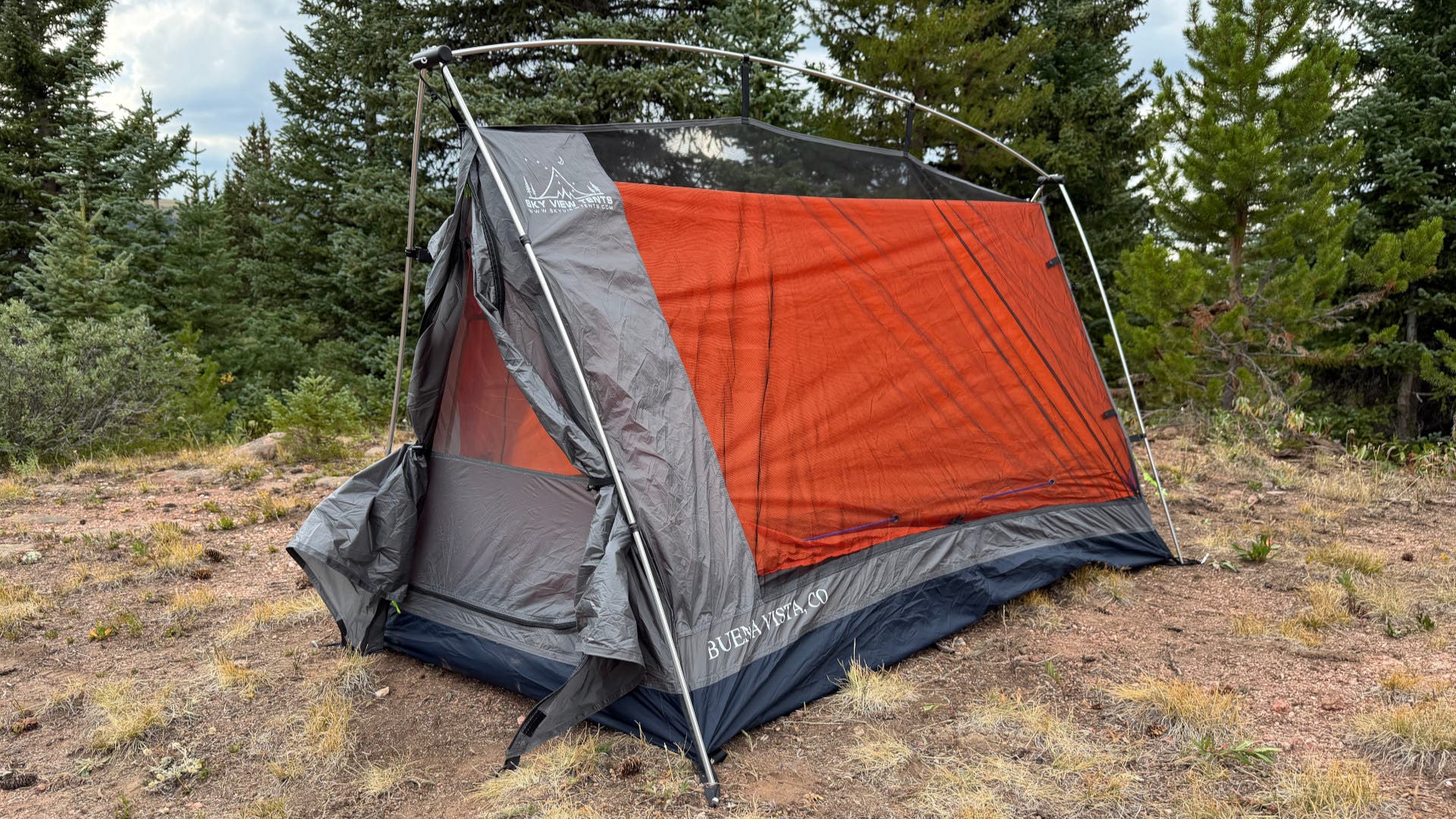
Joe Bissonnette and his design team readily admit that the A-frame architecture sacrifices some wind resistance compared to aerodynamic dome tents. Furthermore, the reliance on expansive mesh means the tent is inherently unsuited for winter mountaineering, high-alpine gales, or torrential, multi-day downpours where warmth retention is paramount.
"The Sky View certainly isn’t for everyone, or every occasion," company representatives note. Instead, it is positioned as a purpose-built specialty tool. "For astro-camping, night sky photography, and other stargazing activities, Sky View tents are a game-changer."
Industry analysts point out that this philosophy represents a growing trend in the outdoor recreation market: hyper-specialization. As more consumers seek unique, experiential outdoor adventures—such as chasing the Perseid meteor showers or engaging in minimalist night-sky photography—gear manufacturers are moving away from the "one-tent-does-all" model in favor of gear designed around specific emotional and aesthetic experiences.
Implications: The Future of Experiential Camping
The introduction and steady adoption of specialized stargazing shelters like the Sky View point to a broader shift in how people recreate in natural spaces. For decades, the evolution of backpacking gear was driven entirely by metrics like weight reduction, waterproof ratings, and durability against brutal weather. Comfort was largely defined by how well a tent could keep the outside world out.
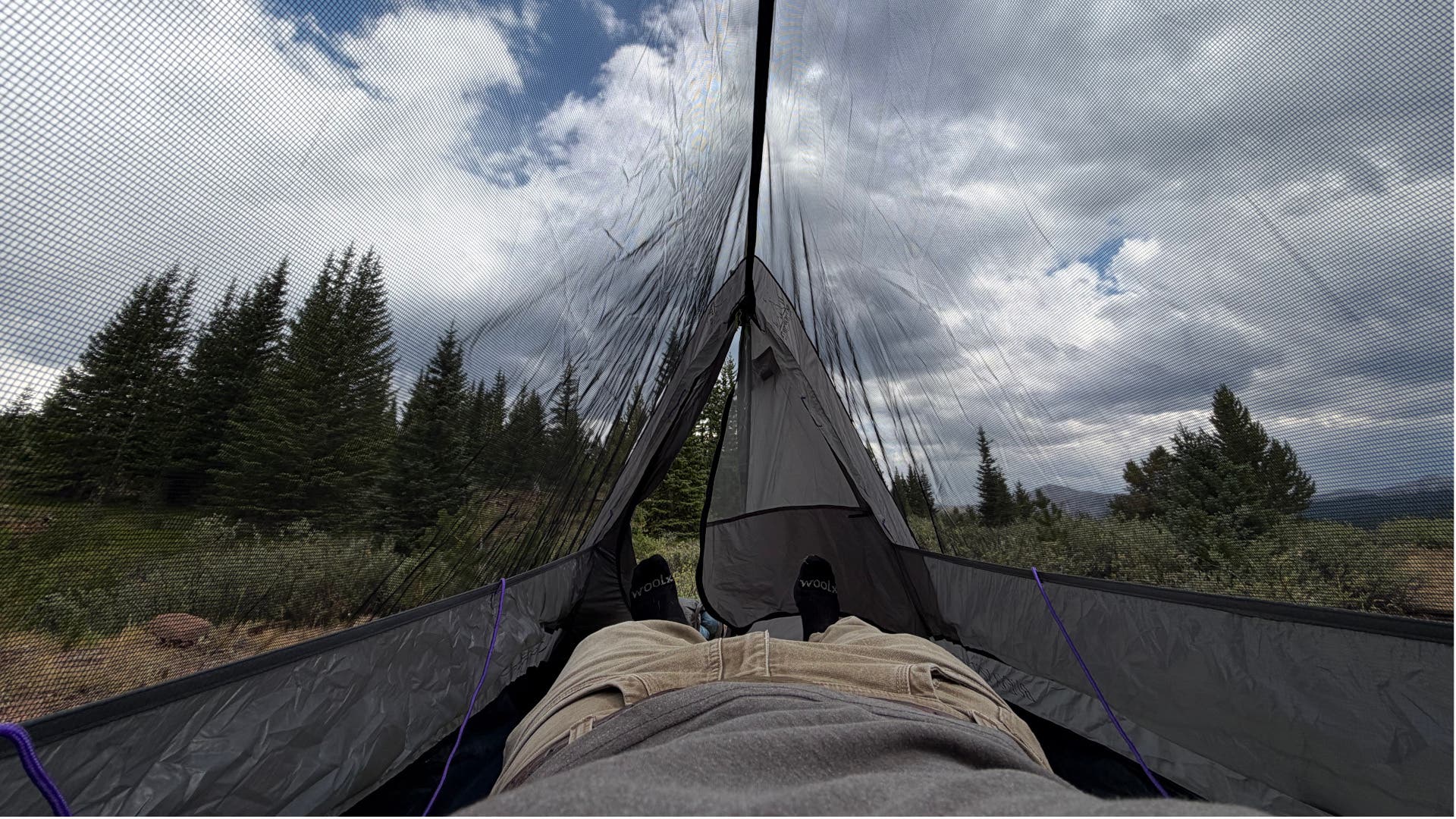
The Sky View philosophy inverts this paradigm. By focusing on how well a shelter lets the outside world in, it bridges the gap between the raw vulnerability of cowboy camping and the sanitary detachment of traditional tent walls.
For the modern adventurer, this opens up new possibilities. Weekend warriors no longer have to gamble between getting a good night’s sleep and enjoying the majesty of the Milky Way. As dark-sky tourism continues to grow and campers seek deeper connections with the natural environment, gear that enhances—rather than blocks—our view of the cosmos is poised to find a permanent, valued place in the outdoor industry.
