

Published August 11, 2026
For outdoor enthusiasts, stepping into the wilderness requires careful preparation, resilience, and—above all—the right equipment. But when it comes to acquiring that gear, modern consumers generally find themselves at a crossroads.
There is the mainstream strategy: the frictionless, brightly lit experience of purchasing shiny new inventory from big-box corporate storefronts or slick online web portals. Then, there is the counterculture route. It is a path forged through dusty aisles, fueled by community passion, and sustained by the timeless ethos of reuse: the secondhand outdoor gear shop.
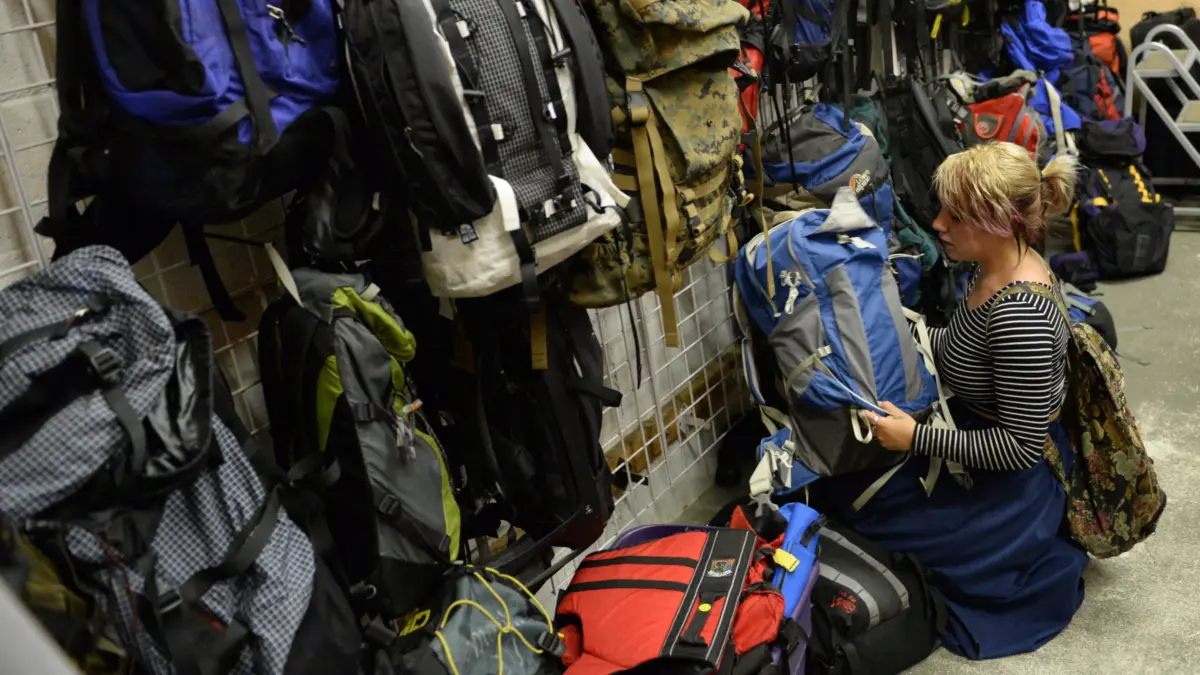
Far from being mere thrift stores, used gear outposts are the unsung heroes of the budget backpacking and mountaineering world. They offer a vital entry point for beginners eager to explore a new sport without sacrificing a month’s rent, while simultaneously providing veteran adventurers an ethical, sustainable way to offload aging gear without condemning it to a landfill. Often held together by a combination of heavy-duty duct tape, local grit, and encyclopedic wilderness knowledge, these shops possess an unmistakable character. They are, in modern parlance, a total vibe.
Yet, shopping secondhand demands a certain spirit of adventure. These stores are rarely located in glossy retail parks; they are frequently tucked away in basements, obscure industrial corners, or labyrinthine downtown spaces. Walking into one can sometimes feel less like retail therapy and more like spelunking—a headlamp is occasionally a helpful accessory. They are dark, dingy, tough to locate, and steeped in the accumulated stories (and occasional unidentifiable residue) of past explorers. But for those willing to trade corporate convenience for the thrill of the hunt, these spaces yield genuine treasures.
Main Facts: The Anatomy of the Secondhand Gear Economy
The modern outdoor industry is caught in a paradox. Technological advancements in synthetic fabrics, ultralight titanium cookware, and advanced membranes have made backcountry travel safer and more comfortable than ever. However, these innovations have driven retail prices to historic highs. A complete, brand-name backpacking setup—including shelter, sleep system, pack, and technical apparel—can easily run well into the thousands of dollars. This financial barrier threatens to gatekeep outdoor recreation, transforming access to nature into an exclusive luxury.
Secondhand gear shops dismantle that barrier. Operating primarily on consignment models, these businesses create a circular economy that benefits buyers, sellers, and the environment alike.
- Affordability for Beginners: Newcomers can acquire field-tested, highly functional equipment at a fraction of retail cost, lowering the financial risk of trying a sport they may not yet know they love.
- Sustainability and Waste Reduction: By keeping functional items out of landfills, these shops directly counteract the fast-fashion and planned-obsolescence cycles plaguing the broader retail landscape.
- Ethical Retail Philosophy: Unlike traditional big-box retailers driven primarily by shareholder returns, secondhand shops are typically embedded directly within the communities they serve, operating as community hubs, repair centers, and cultural anchors.
Chronology and Research: How the Community Curated the List
To understand the scope and cultural footprint of these operations, we conducted an extensive crowdsourced audit. As part of the research for this feature, a social media call was distributed to a broad network of outdoor writers, photographers, wilderness guides, and adventure partners, asking a simple question: Where are the best used gear shops in the country?
The response was immediate and overwhelming. Within minutes, dozens of direct messages rolled in. Within hours, an avalanche of recommendations flooded the inbox, mapping out a vibrant, nationwide network of independent stores. While the submissions spanned coast-to-coast, a dozen brick-and-mortar institutions emerged repeatedly as the gold standard of the industry.
The evolution of these spaces tells a fascinating chronological story. Pioneers like Next Adventure in Portland, Oregon (founded in 1997) and Second Wind Sports in Bozeman, Montana (open since 1988) laid the groundwork decades ago, proving that used gear could sustain a thriving, community-centric business model. In the decades that followed—accelerating particularly into the 2010s and 2020s—a new wave of eco-conscious entrepreneurs built upon this foundation, incorporating in-house repair shops, community events, and digital consignment to meet the demands of modern adventurers.
Supporting Data: The Nation’s Premier Used Gear Institutions
From the rugged peaks of the Rockies to the forested valleys of the East Coast, these twelve shops represent the absolute pinnacle of the secondhand outdoor retail experience.
Boulder Sports Recycler (Boulder, CO)
Boulder benefits from two distinct economic realities: a massive outdoor industry presence and a high concentration of affluent residents. Boulder Sports Recycler captures the overflow of both. Shoppers routinely find barely worn ski apparel and product samples featuring factory tags, all priced reasonably. Over the years, patrons have unearthed first-edition guidebooks, vintage Dana Design backpacks, and historic Chouinard-era climbing hardware. Formerly occupying a maze-like two-story space north of town, BSR has expanded into a spacious warehouse facility in East Boulder, allowing for a broader inventory of bikes, gear, and an integrated in-house repair shop.
Gear Fix (Bend, OR)
Operating for over two decades, Gear Fix is as woven into the identity of Bend, Oregon, as the nearby Deschutes River. Renowned for its immaculate organization, the store curates an exceptional selection of both soft and hard goods by focusing strictly on high-performing brands.
Second Wind Sports (Bozeman, MT)
Open since 1988, Bozeman’s quintessential secondhand shop boasts decades of character alongside a progressive consignment structure that favors sellers while keeping prices accessible for buyers. Beyond technical mountaineering gear—such as like-new Patagonia alpine pants—shoppers can frequently unearth eclectic vintage finds, including retro jumpsuits, neon overalls, and platform boots.
International Mountain Equipment Rock and Snow Annex (North Conway, NH)
While International Mountain Equipment is a staple of New Hampshire’s climbing community, its basement-level Rock and Snow Annex is where local legend lives. Offering top-tier mountaineering gear, apparel, and hardware at minimal cost, the annex doubles as a historical archive. The second floor features genuine relics from historic regional ascents, while summer months bring an added bonus: fresh produce sold at the counter from local farms.
Regear (Boone, NC)
Founded from a modest pile of equipment in a friend’s garage by Rio Sawhill, Regear has blossomed into a thriving hub in the forested heart of Western North Carolina. Featuring handwritten signage and a distinctly home-grown aesthetic, the shop bridges the gap between funky vintage backpacking gear and near-mint modern footwear.
Outdoor Gear Exchange (Burlington, VT)
Celebrating over thirty years in business, Outdoor Gear Exchange expertly balances new, used, and low-cost factory surplus inventory from premier outdoor brands like Prana and Dovetail Workwear. Crucially for distant fans, OGE is one of the rare secondhand operations that allows customers to browse and purchase consigned gear online.
Gear Room (Salt Lake City, UT)
Legend has it that the Gear Room was born from a coin toss between brothers Chris and Kevin Gmitro. Twelve years later, that coin toss has yielded a Salt Lake City institution dedicated to rehoming hiking and camping equipment. Beyond retail, the Gear Room demonstrates profound community stewardship by maintaining and restocking remote wag-bag stations for the Wasatch Range’s iconic Lone Peak Cirque.
Next Adventure Bargain Basement (Portland, OR)
Founded in 1997 by lifelong friends Deek and Bryan, Next Adventure remains a cornerstone of Portland’s outdoor community. While the main floor caters to traditional retail shoppers, the lower-level bargain basement delivers the unmistakable thrill of the thrift, offering deeply discounted, locally vetted gear in a high-traffic social hub.
Ragged Mountain Sports (Carbondale, CO)
Women-owned since its inception, Ragged Mountain Sports acts as the beating heart of affordable recreation on Colorado’s Western Slope. Compact yet efficiently designed—complete with a garage door, a bookshelf-lined loft, and an invitingly cluttered atmosphere—it is a space engineered for lingering.
Duluth Gear Exchange (Duluth, MN)
Established in 2019 to fill a distinct regional void, the Duluth Gear Exchange has rapidly evolved into a trusted source for pre-vetted, reliable outdoor equipment tailored to the Midwest’s paddling, biking, and hiking populations. Beyond retail and consignment, the shop functions as a vital repair station and community gathering spot (frequently supervised by the resident shop dog, Filbert).
Wonderland Gear Exchange (Seattle, WA)
Seattle’s Wonderland Gear Exchange views sustainability through a lens of radical community engagement. Alongside waste-reduction efforts, the shop hosts lively public events, such as its signature trail-partner matching nights. With a secondary location in Salt Lake City, Wonderland prioritizes inclusivity, exemplified by initiatives like donating brand-new helmets to Indigenous families and youth programs.
Snow, Mountain, River (Flagstaff, AZ)
Flagstaff’s Snow, Mountain, River began as a modest used gear operation before expanding into a multi-faceted community nexus. Founder Mike Ohly has integrated a comprehensive gear rental fleet, a specialized climbing shoe resoling station, bicycle repair services, and custom sewing facilities alongside youth programs and local environmental clean-up initiatives.
Official Responses and Expert Testimonial
The cultural resonance of these shops is best articulated by the athletes, guides, and industry professionals who rely on them daily.
JoAnne Carilli, a lifelong mountain athlete and outdoor industry professional based in the Pacific Northwest, emphasizes the curation quality of premier consignment models. "The selection of gear is always phenomenal, both in soft goods and hard goods, because they focus on the brands that perform," Carilli notes. "The staff is extremely friendly, and they have one of the best consignment programs that I’ve seen in any gear shop."
Echoing this sentiment is Kate York, a longtime customer of Burlington’s Outdoor Gear Exchange, who contrasts the corporate retail experience with the authenticity of the secondhand market. "It’s so down to earth, and in it for the true enthusiasts—not just for the folks who want to look cool outdoors for their Instagram," York says. "And also their humans are just so lovely and helpful."
Connor Ryan, a professional skier and Indigenous activist who has collaborated with institutions like Wonderland Gear Exchange, points to the deeper ethical alignment driving these spaces. "They really embody the spirit of accessibility and stoke and inclusivity," Ryan explains. "Anytime I’ve gone in the store in person, they have an attitude that shows they exist for a purpose, not just as a business."
Implications: The Future of Sustainable Adventure
As the outdoor recreation industry navigates the pressures of commercialization, climate change, and rising economic inequality, the role of the secondhand gear shop is becoming increasingly critical.
These businesses are no longer merely alternative retail options for budget-conscious students and dirtbag climbers; they are proving models for a sustainable industry future. By normalizing the circulation of pre-owned equipment, fostering local repair infrastructure, and prioritizing community over corporate growth, secondhand shops are safeguarding the future of outdoor access.
In an era where digital algorithms dictate modern consumerism, walking into a dimly lit, duct-taped gear annex—and stumbling upon a piece of history with miles left to give—reminds us why we head into the wild in the first place: for the unexpected discovery, the shared human connection, and the deep respect for what has come before.
