

Updated August 4, 2026
Main Facts: The Paradox of Northwest Montana’s Overtourism
Northwest Montana remains one of the last true bastions of the American Wild West—a dramatic landscape defined by roaming grizzly bears, jagged misty peaks, thousands of acres of uninhabited wilderness, and water bodies so vast they generate their own localized weather patterns. Yet, this rugged frontier is facing a modern conservation and infrastructure crisis familiar to many of America’s most cherished natural sanctuaries: overtourism.
Every summer, approximately 3 million visitors descend upon Glacier National Park. Drawn by the hypnotic allure of social media feeds showcasing pristine alpine meadows, turquoise glacial lakes, and undisturbed wildlife, travelers arrive expecting serene solitude. Instead, they are met with bumper-to-bumper traffic, fully packed parking lots at dawn, gridlocked trailheads, and a level of human congestion that actively degrades the fragile ecosystems they came to admire.
The core takeaway for modern travelers is not that Northwest Montana should be avoided, but rather that the region is vast—genuinely, staggeringly massive—and deeply rewarding. Incredible wilderness access and absolute solitude are entirely achievable for visitors willing to look beyond the park boundaries of Glacier.
Chronology: The Evolution of Montana’s Tourism Strain and the Shift Toward Regional Exploration
To understand the current state of travel in Northwest Montana, it is helpful to look at how visitor patterns have evolved over the past decade:
- Pre-2016: Glacier National Park experienced steady, manageable annual increases in tourism, with local gateway communities easily absorbing the seasonal influx of nature enthusiasts.
- 2018–2021: Social media platforms exponentially accelerated the visibility of specific alpine locations (such as Avalanche Lake and the Going-to-the-Sun Road), transforming hidden gems into viral hotspots. Annual visitation consistently pushed or exceeded the 3-million mark.
- 2022–2024: Park management introduced vehicle reservation systems to mitigate severe traffic congestion. While successful in capping daily entries along primary corridors, these measures inadvertently squeezed displaced travelers into surrounding national forests and secondary recreation areas, heightening strain on local infrastructure.
- 2025–2026: Tourism boards, local outfitters, and conservation groups began actively promoting a "dispersed recreation" model. Travelers are increasingly encouraged to explore the broader Flathead, Swan, and Kootenai regions, shifting economic benefits to lesser-known towns while preserving heavily impacted park ecosystems.
Supporting Data: The Metrics of Peak Season Pressure
- 3 Million: The approximate annual number of tourists visiting Glacier National Park during the summer season, placing immense stress on localized infrastructure.
- 22 Miles: The length of the Great Northern Historical Trail in Somers, Montana—a prime example of repurposed infrastructure accommodating cyclists and hikers away from park bottlenecks.
- 270 Acres: The size of Lone Pine State Park near Kalispell, offering robust multi-use recreation options just minutes from urban amenities.
- 35 Miles: The trail network span within the Jewel Basin Hiking Area, an alpine sanctuary favored by locals precisely because it lacks the heavy crowds of nearby national parks.
- 1,200 Miles: The total length of the Pacific Northwest Trail (PNT), which cuts through northern Montana’s wild backcountry, offering an alternative to heavily trafficked day-use zones.
Official Responses: Managing the Wilderness Balance
Land managers, local business owners, and state tourism officials have increasingly spoken out regarding the ecological footprint of concentrated tourism.
"The desire to connect with nature is entirely understandable, but when millions of people converge on a single narrow corridor like Glacier’s Sun Road during a compressed eight-week window, both the visitor experience and the natural habitat suffer," notes a regional conservation liaison for Flathead National Forest. "Our message isn’t ‘stay away from Montana.’ Our message is ‘Montana is huge—spread out, respect the wildlife, and discover the millions of acres that lie just outside the park gates.’"
Local tourism initiatives emphasize sustainable travel ethics, urging visitors to utilize established multi-use rail trails, support family-owned agritourism sites, and practice strict Leave No Trace principles in fragile alpine zones like the Jewel Basin, where backcountry camping remains permit-free but heavily monitored for environmental impact.
Implications: A New Era for Sustainable Travel in the Northern Rockies
The shift away from hyper-concentrated national park tourism toward regional exploration carries profound implications for the economic and environmental future of Northwest Montana.
From an ecological standpoint, dispersing visitors across a wider geographical footprint minimizes trail erosion, reduces wildlife habituation caused by roadside feeding and overcrowding, and protects sensitive watershed areas. Biologists point out that animals like grizzly bears and bighorn sheep require contiguous, undisturbed corridors—corridors that are increasingly fragmented when human activity spills endlessly into every accessible valley.
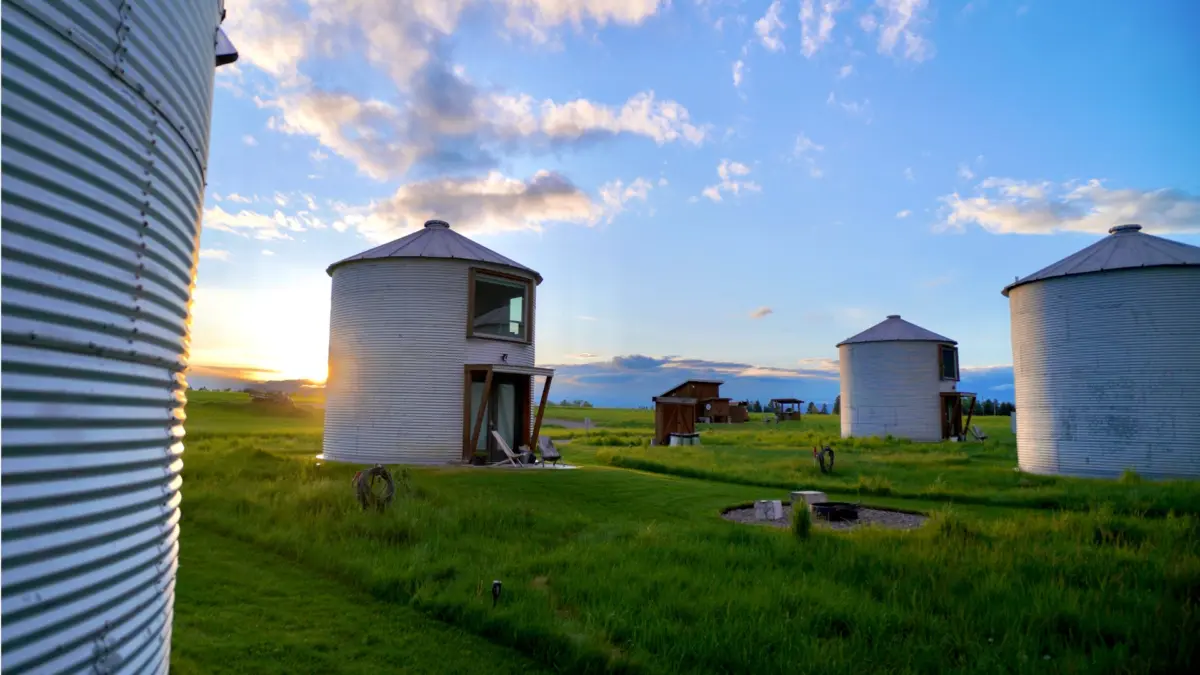
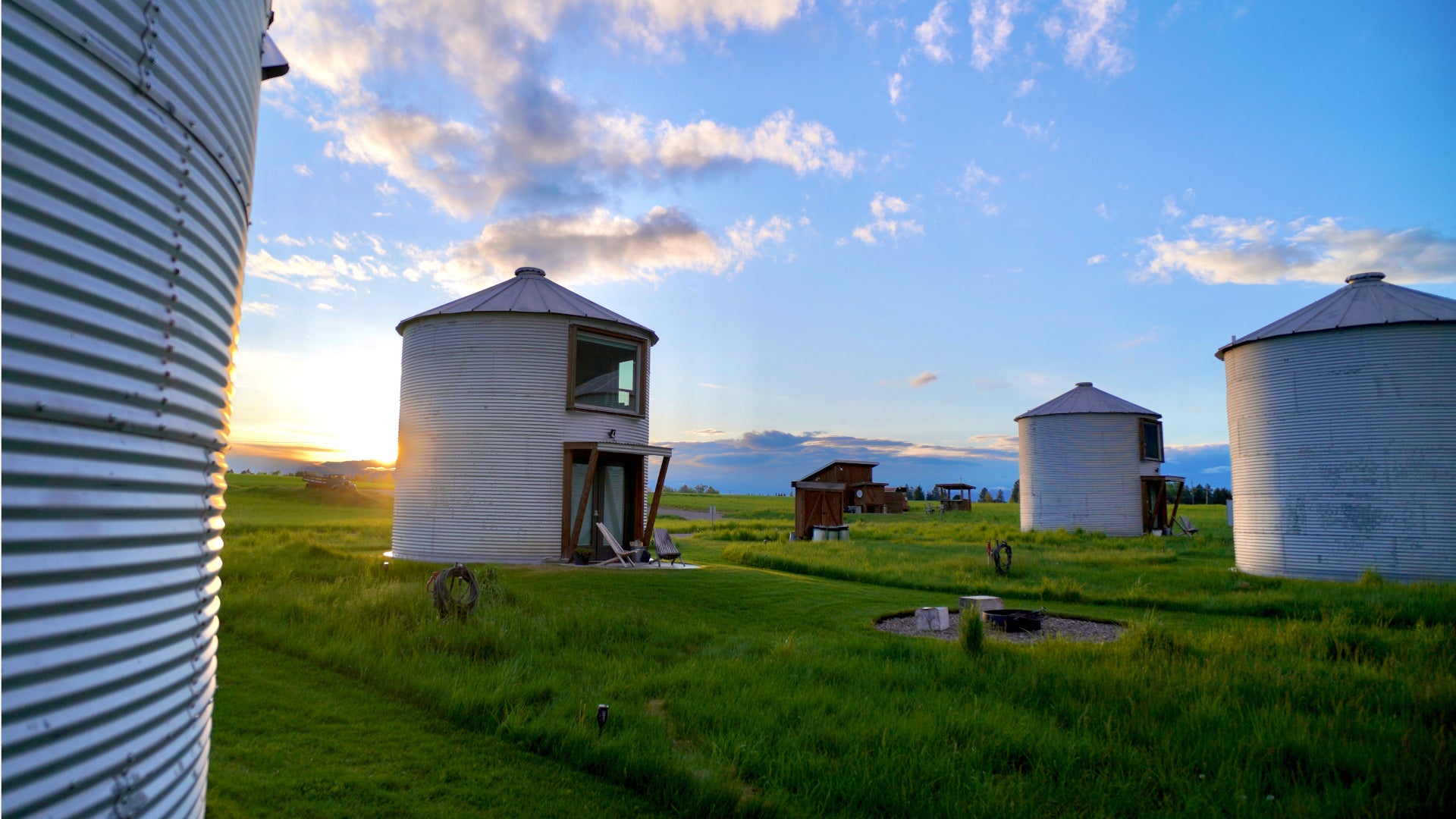
Economically, this diversification breathes life into overlooked rural communities. Towns like Somers, Bigfork, Eureka, and the historic downtown core of Kalispell benefit directly when travelers trade souvenir shops inside park gates for local farm-to-table cideries, converted grain-bin lodgings, and independent outfitters.
Ultimately, redefining the Montana summer itinerary ensures that the spirit of the American Wild West survives not merely as a postcard fantasy, but as a living, breathing ecosystem capable of welcoming travelers for generations to come.
Seven Ways to Explore Northwest Montana Without the Glacier Crowds
1. Hit an Old Rail Trail and Agritourism Stops
Somers, Montana, serves as the gateway to the Great Northern Historical Trail, a 22-mile former railroad corridor transformed into a premier asphalt-and-gravel pathway for cycling, running, and hiking. Operated under Montana’s successful "rail-to-trail" revitalization initiative, it offers seamless movement through sweeping landscapes without the hassle of vehicle permits.
For a slower, sensory-rich afternoon, travelers can visit the Longview Lavender Farm, a family-run five-acre property that cultivates, harvests, and distills its own lavender on-site, providing a aromatic counterpoint to high-alpine exertion.
2. Navigate Flathead Lake and Wild Horse Island
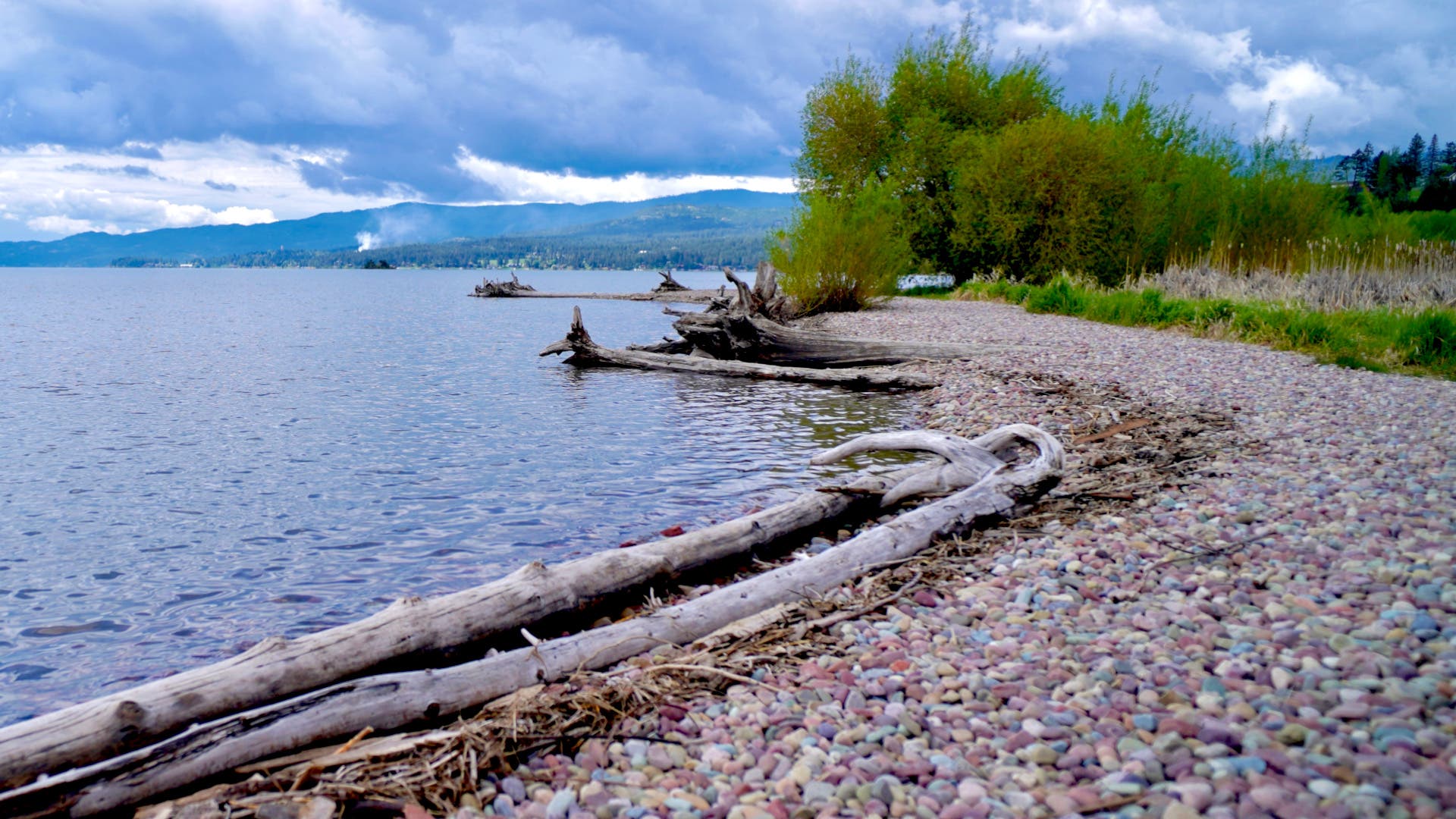
As the largest natural freshwater lake in the Western United States outside of Alaska, Flathead Lake offers endless aquatic recreation. However, true immersion requires pushing past the shoreline. Renting a kayak or paddleboard allows visitors to cross the open water to Wild Horse Island State Park.
This secluded landmass features two primary trails: a 2.2-mile grassland loop offering prime opportunities to observe bighorn sheep and soaring birds of prey, and a 3.1-mile forest and shoreline loop that navigates historic homestead ruins.
3. Kayak Under the Stars in Bigfork
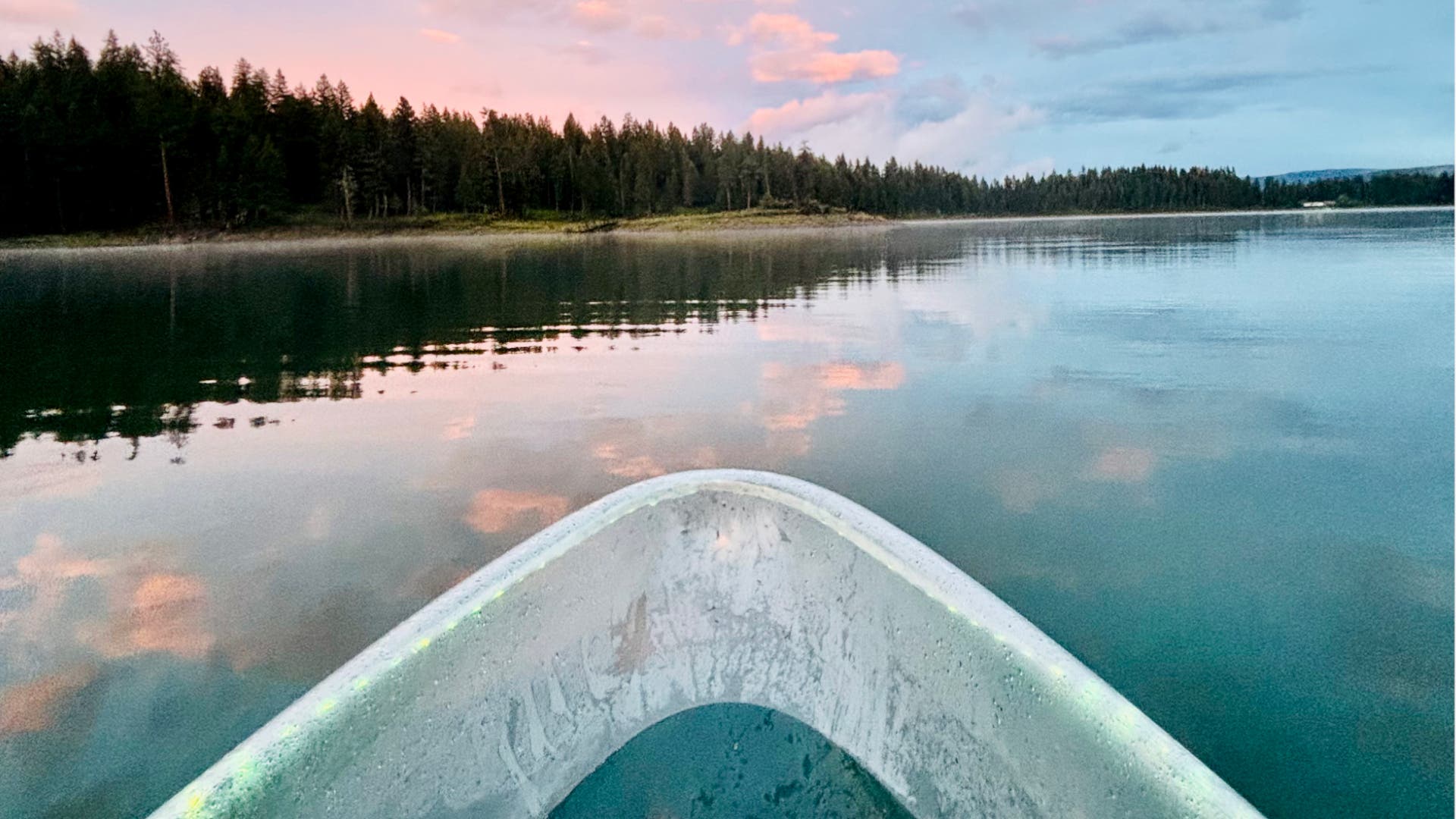
For travelers seeking absolute quiet, nocturnal recreation offers a profound departure from daytime tourism. The Rocky Mountain Glass Kayak Company leads nighttime excursions on Peterson Lake using LED-illuminated watercraft.
Paddling out at dusk with a small group reveals crystal-clear sub-surface marine life, sweeping silhouettes of the Swan Mountains, and unpolluted night skies. Visitors can cap off the evening with a 15-minute drive to Clark Farm Silos, a unique lodging concept featuring converted steel grain bins outfitted with luxury king beds and private outdoor fire pits.
4. Traverse the Alpine Wilderness of Jewel Basin
Local residents frequently bypass Glacier National Park entirely during peak summer months, heading instead to the Jewel Basin Hiking Area within the Swan Mountains, roughly an hour from Kalispell. Encompassing dozens of alpine lakes and 35 miles of meticulously maintained trails, Jewel Basin rewards hikers with dramatic topography.
The strenuous 6-mile Aeneas Trail yields sweeping 360-degree vistas overlooking distant park peaks, while the Strawberry Lake Trail delivers tranquil waterfront views following a series of steep switchbacks. Camping is permitted without a permit, though strict backcountry regulations apply. Afterward, visitors can unwind at Big Mountain Ciderworks, a nearby family-owned orchard and taproom.
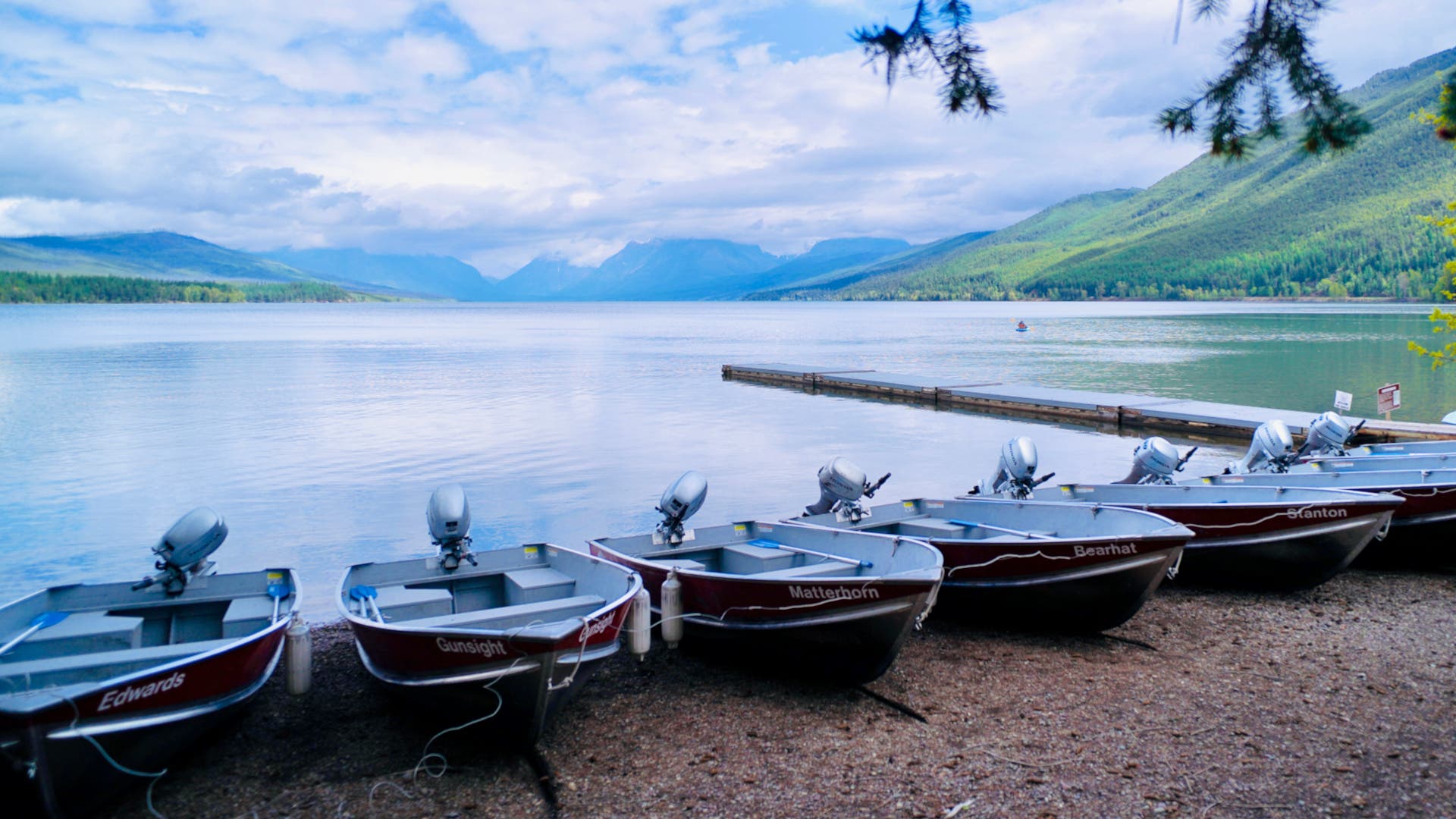
5. Explore the Local Trails and History of Kalispell
Often treated merely as an airport transit hub, Kalispell boasts robust recreational assets within its immediate municipal footprint. Lone Pine State Park spans 270 acres of forested ridgelines, offering mountain biking, equestrian paths, and panoramic valley views. Nearby, the Herron Park Loop provides 7.5 miles of shared-use trails tracking scenic waterways and timbered hillsides.
Post-hike recovery is best found in Kalispell’s historic downtown district, where preserved Old West architecture houses culinary staples like The Desoto Grill, celebrated for its slow-smoked meats and signature peanut butter pie.
6. Venture Deep into the Ten Lakes Wilderness Study Area
For those willing to venture further off the beaten path, the Ten Lakes Wilderness Study Area near Eureka offers rugged, remote terrain reminiscent of Canada’s high country. Featuring networks of alpine bowls, jagged ridgelines, and pristine tarns, trails here see a fraction of the foot traffic recorded in primary national park sectors. It stands as a premier destination for self-sufficient backpackers seeking genuine solitude.
7. Hike a Section of the Pacific Northwest Trail (Bonus)
While long-distance thru-hikers revere iconic routes like the Appalachian Trail and the Pacific Crest Trail, the Pacific Northwest Trail (PNT) offers an equally epic alternative. Cutting horizontally across the northern tier of the country, the 1,200-mile route originates inside Glacier National Park before traversing the untamed expanses of Flathead National Forest and Kootenai National Forest.
Section-hikers can tackle segments of the trail and resupply in frontier outposts like Polebridge, Eureka, and Yaak before the route crosses into Idaho, culminating ultimately at the Pacific coastline within Washington’s Olympic National Park.
