

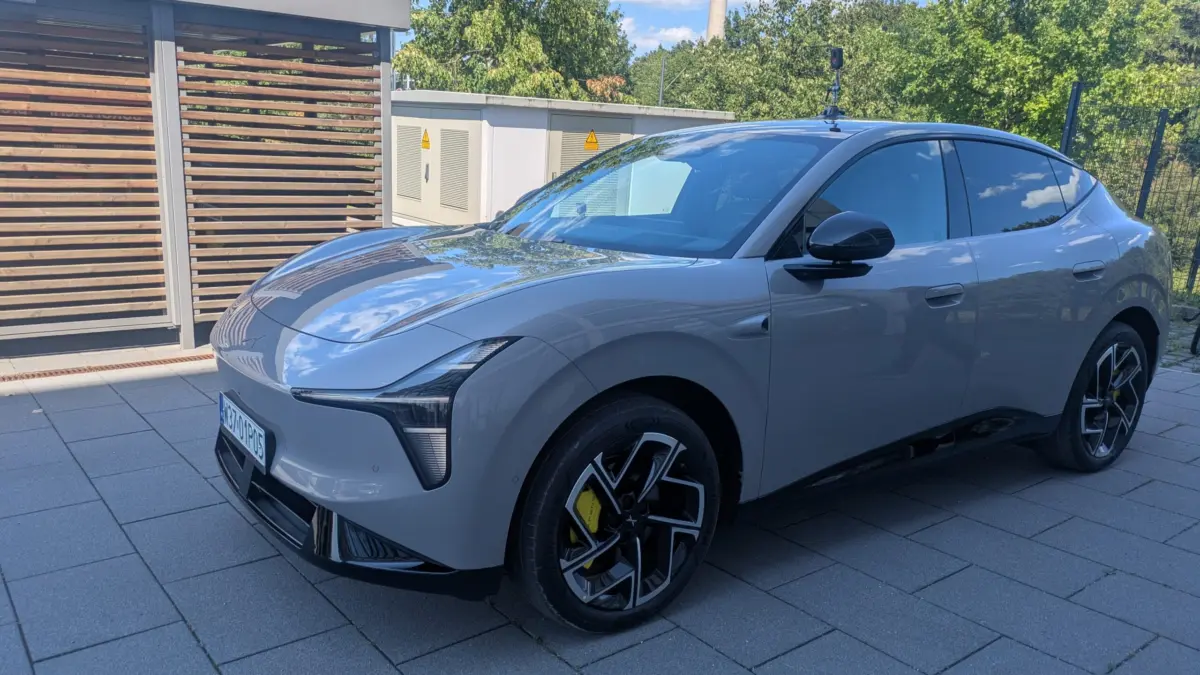
The next evolution of XPENG’s physical AI ecosystem is unfolding rapidly. Recent announcements highlight major breakthroughs spanning the company’s "IRON" humanoid robotics division, the rollout of VLA 2.0 intelligent driving, and robust corporate financial maneuvers. While many of these technological advancements have yet to fully materialize in bottom-line net profits, they are strategically positioning the rapidly expanding technology company to capture leadership in the next era of mobility and robotics.
Main Facts
XPENG’s recent financial disclosures and product updates underscore a sweeping pivot from a traditional vehicle manufacturer into an advanced technology powerhouse.

- Financial Performance: XPENG reported Q2 revenue of $2.91 billion, marking an 8.0% year-over-year increase and a 51.5% jump from Q1. The company achieved a gross margin of 20.7%, outpacing competitors like Tesla (16.8%). However, vehicle margins dipped to 12.1% due to launch costs for new models, meaning the broader gross margin was heavily sustained by high-margin technology R&D services supplied to the Volkswagen Group.
- Bottom-Line Investment: A net loss of $200 million for the quarter was driven primarily by a 35% increase in R&D expenditure, alongside scaling administrative and selling costs tied to aggressive global expansion and high-profile model rollouts.
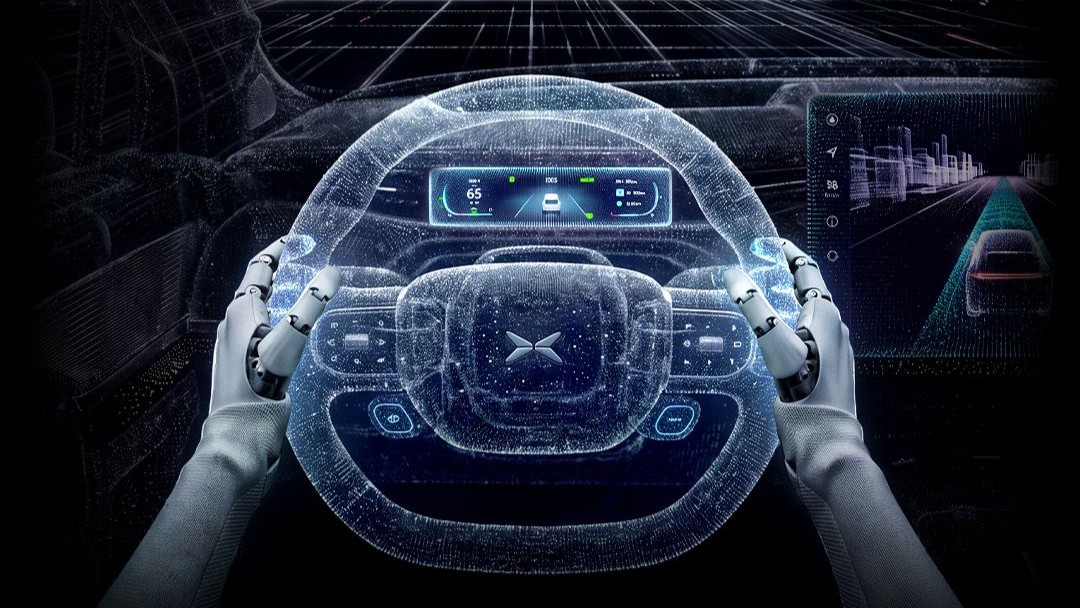
- VLA 2.0 Version 6.3.0 Upgrade: The latest intelligent driving architecture introduces 4D temporal perception, continuous streaming inference, and proactive reasoning through "X-Foresight," yielding a claimed 300% improvement in latency and response speed, and a 20x boost in safety performance.
- Robotics Capital Infusion: XPENG’s robotics subsidiary, Dogotix, secured $900 million in a single-round private financing valuing the division at $6.3 billion—reportedly the largest private funding round in China’s embodied AI industry history. Strategic investors include tech giants Alibaba and Tencent.
Chronology of Developments
The trajectory of XPENG’s physical AI integration has accelerated significantly over the past two quarters through a carefully sequenced series of technical reveals, product launches, and financial milestones.
- April 2026: XPENG releases its comprehensive World Model technical report, detailing the foundational architecture powering the upcoming VLA 2.0 model for R&D and digital verification.
- May 2026: The company begins small-scale internal production and public road deployment of L4-capable Robotaxis, accumulating over 2,000 public-road test orders.
- June 2026: XPENG unveils the "X-Mind" architecture, introducing early concepts of future-foresight brain capabilities designed to give autonomous vehicles proactive reasoning skills.
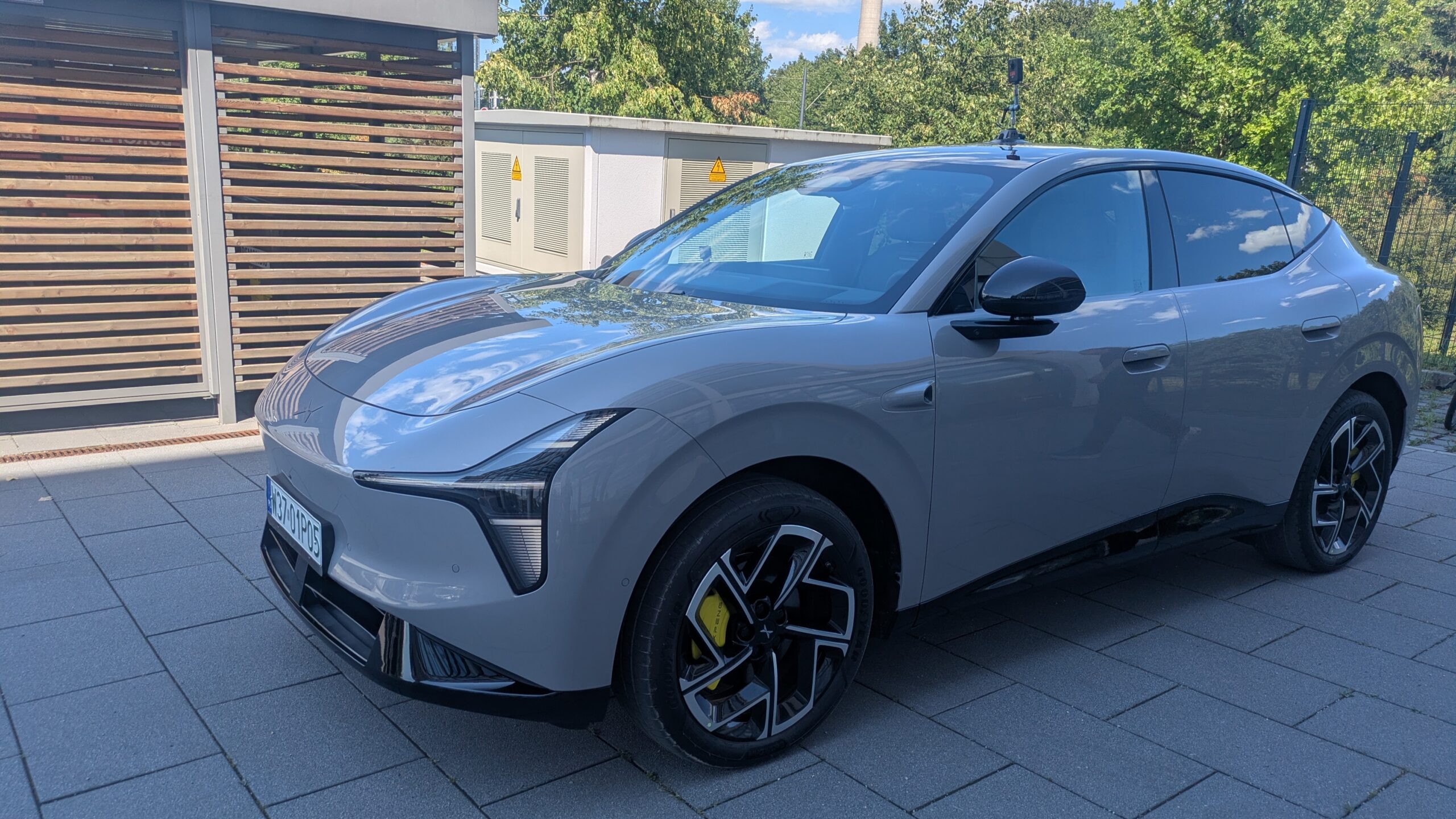
- July 2026: Global marketing kicks into high gear with high-profile international showcase events, including the L03 launch in Munich, where international media test-drive the VLA 2.0 system on European roads.
- August 2026: XPENG releases Q2 financial results and formally announces VLA 2.0 version 6.3.0, paired with the record-breaking $900 million funding round for its Dogotix robotics arm.
Supporting Data & Technical Architecture
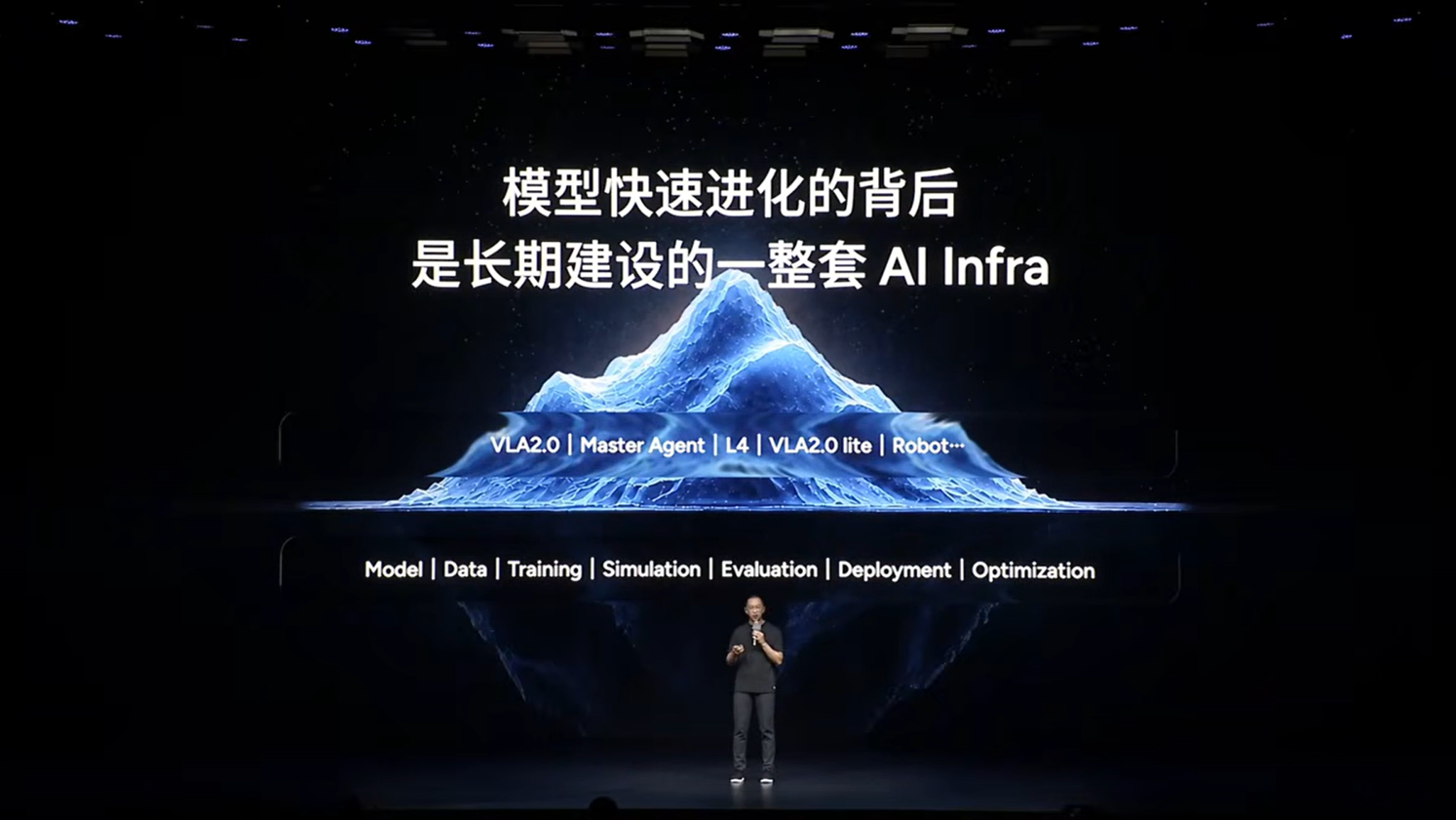
XPENG’s strategy hinges on solving the industry’s hardest infrastructure challenges first, utilizing an "iceberg" methodology where 95% of the underlying software and hardware architecture is shared across vehicles and robots.
VLA 2.0 Version 6.3.0 Capabilities
When designing intelligent driving systems, safety and low latency are paramount. XPENG’s updated VLA 2.0 model introduces several pioneering software features:
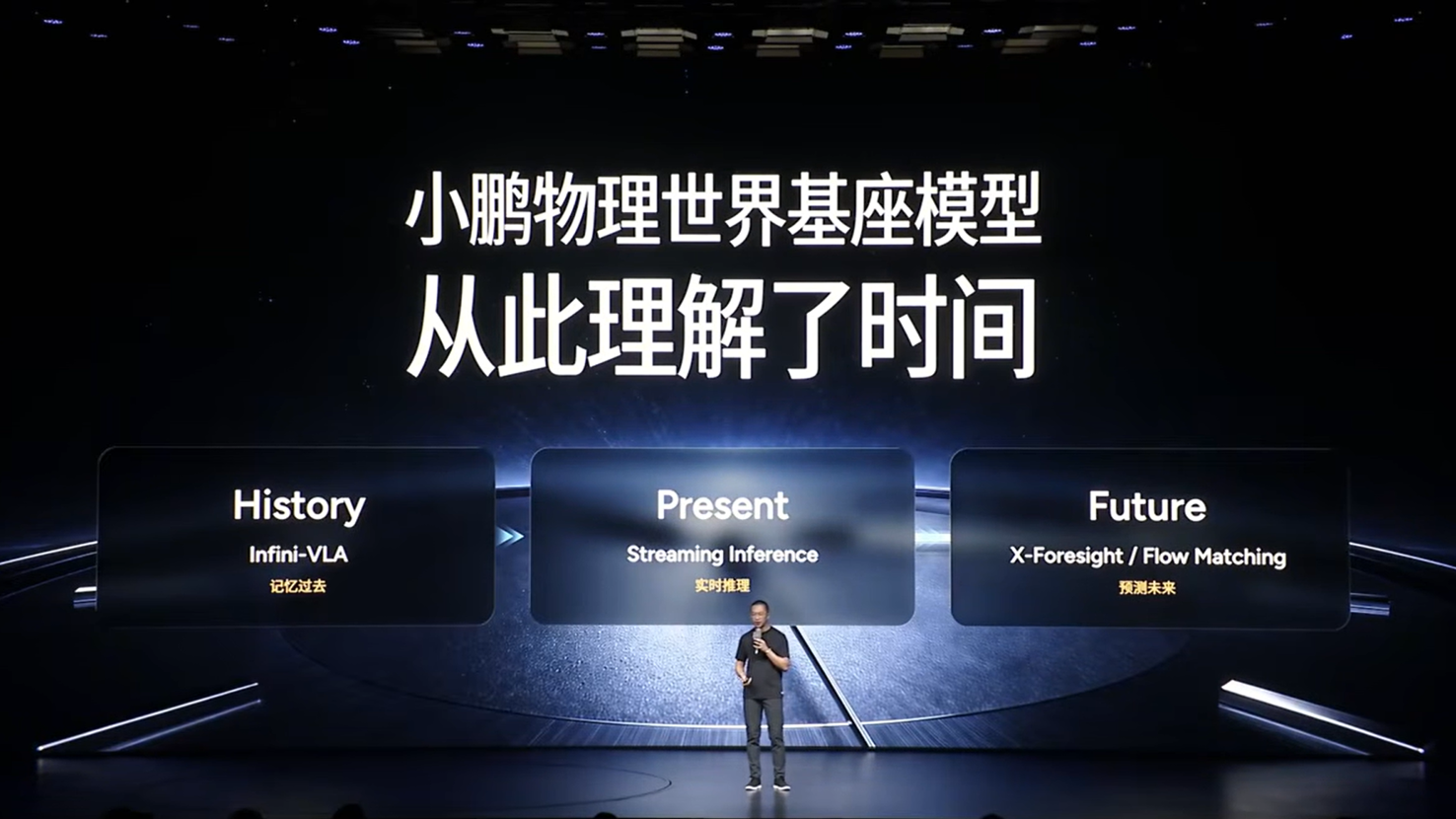
- Infini-VLA: Incorporates 4D temporal perception, analyzing historical timelines up to 30 seconds into the past to predict future actions contextually.
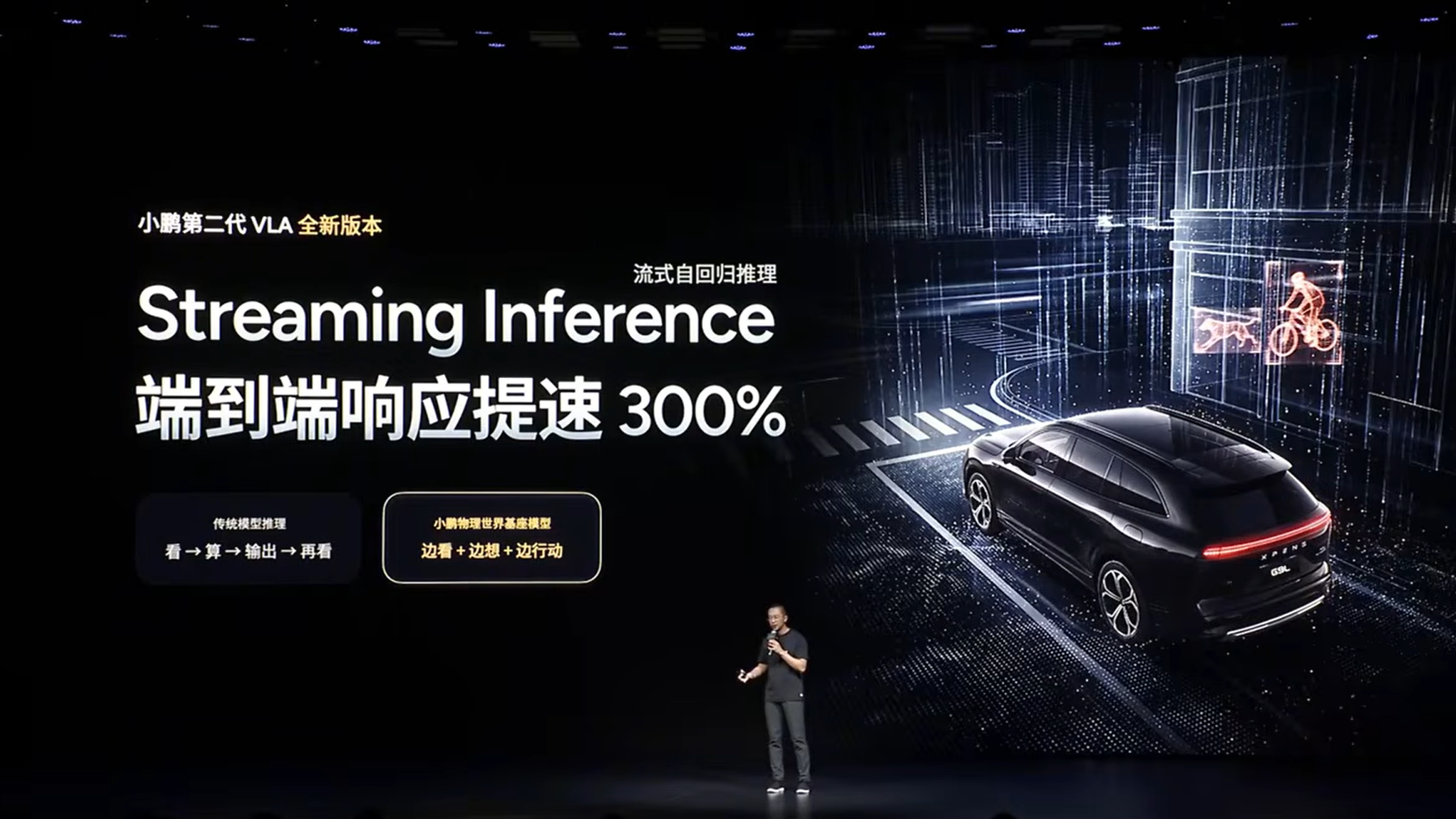
- Streaming Inference: Eliminates processing bottlenecks by enabling the system to see, think, and output trajectory tokens simultaneously and continuously, boosting response speeds by 300%.
- X-Foresight & Flow-Matching: Uses historical data to infer future scenarios up to 21 seconds ahead (capped at 6 seconds of active outward reasoning to conserve computing power), evaluating multiple potential paths to choose the safest probabilistic route.
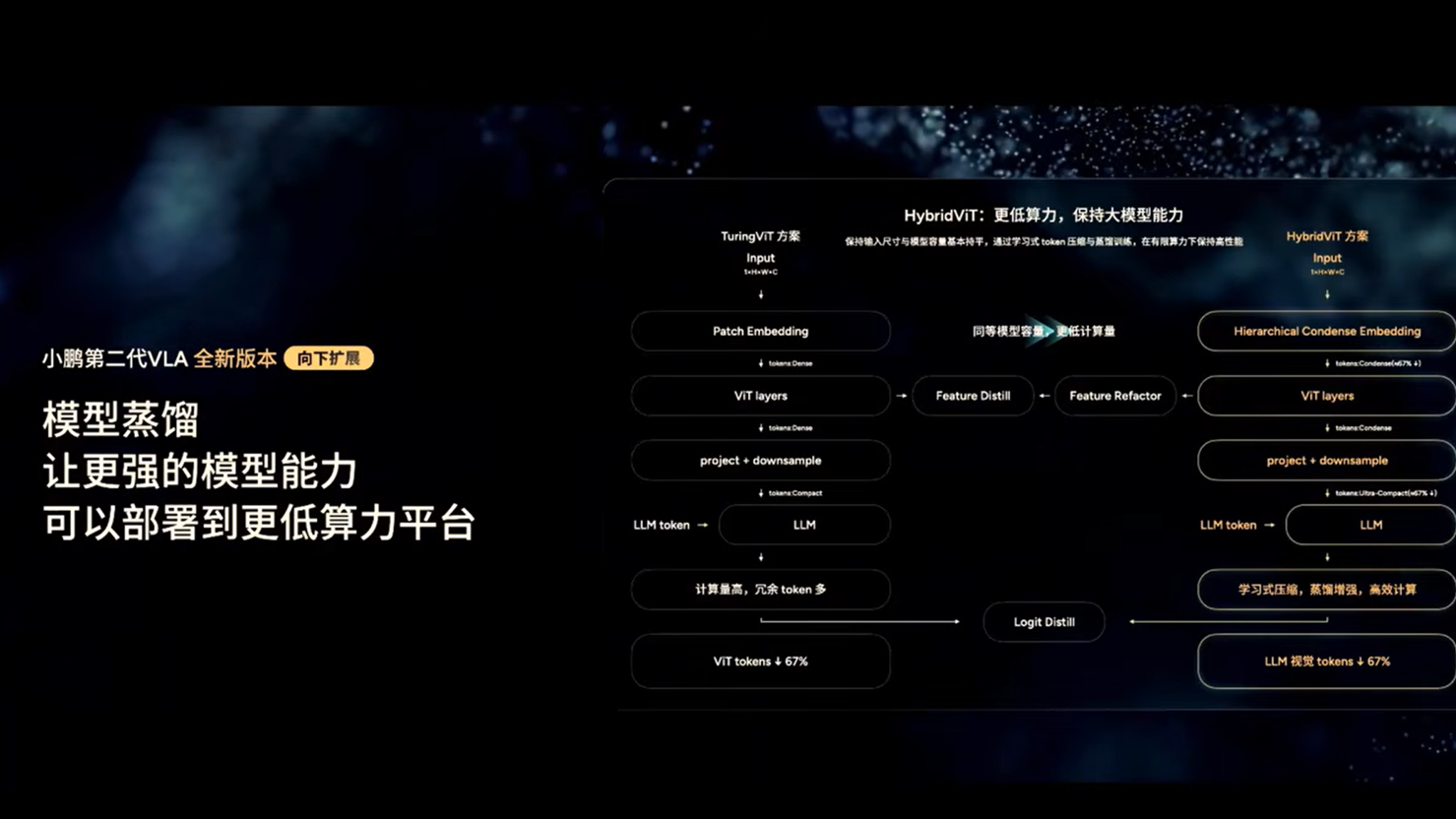
- HybridViT: Scales advanced VLA capabilities down from multi-Turing chip setups to single-chip variants (such as Max trims) without simply trimming features, preserving core performance through underlying architectural adjustments.
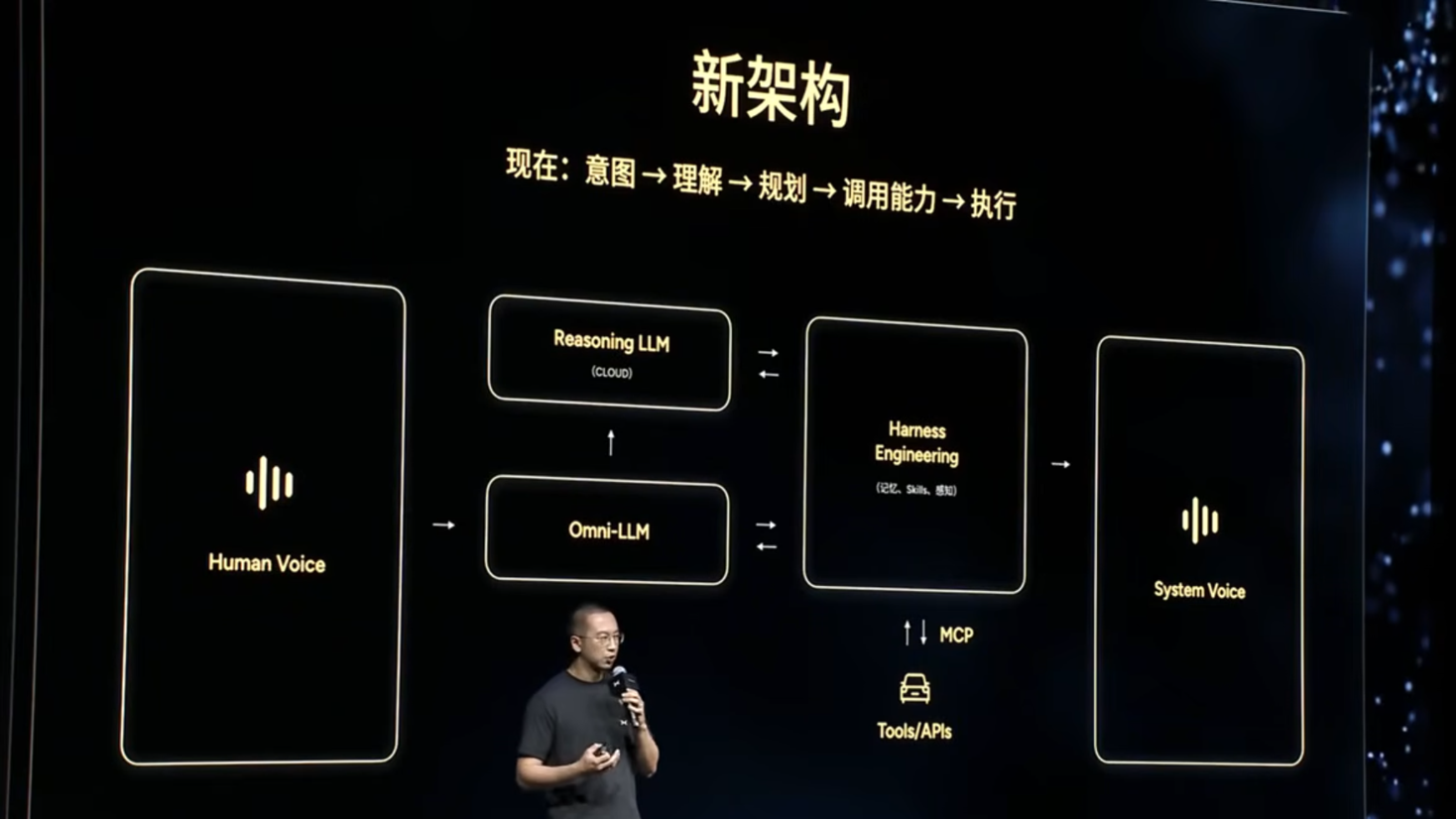
- Master Agent Voice Control: Utilizing an Omni multimodal model running locally on a dedicated Turing chip, the system acts as a conversational in-car agent. Capable of processing over 20 tokens per second via optimized XLLM architecture, it handles complex, multi-step natural language commands without relying on pre-set menu prompts.
Hardware and Training Data Scale
XPENG’s hardware configurations scale modularly:
- Intelligent Driving: 1 to 2 proprietary Turing chips (750 TOPS each, surpassing Tesla HW4 total compute).
- Voice & Communication: A 3rd dedicated Turing chip.
- Robotaxis: A 4th chip reserved exclusively for safety redundancy.
To train these models, data collection has expanded to 110 million video clips, while the X-World simulation engine has boosted daily generated simulation models by 290% since June. This massive dataset allows the system to effortlessly manage extreme edge cases, such as navigating complex construction zones and loading/unloading onto ferries.
Official Responses & Industry Context
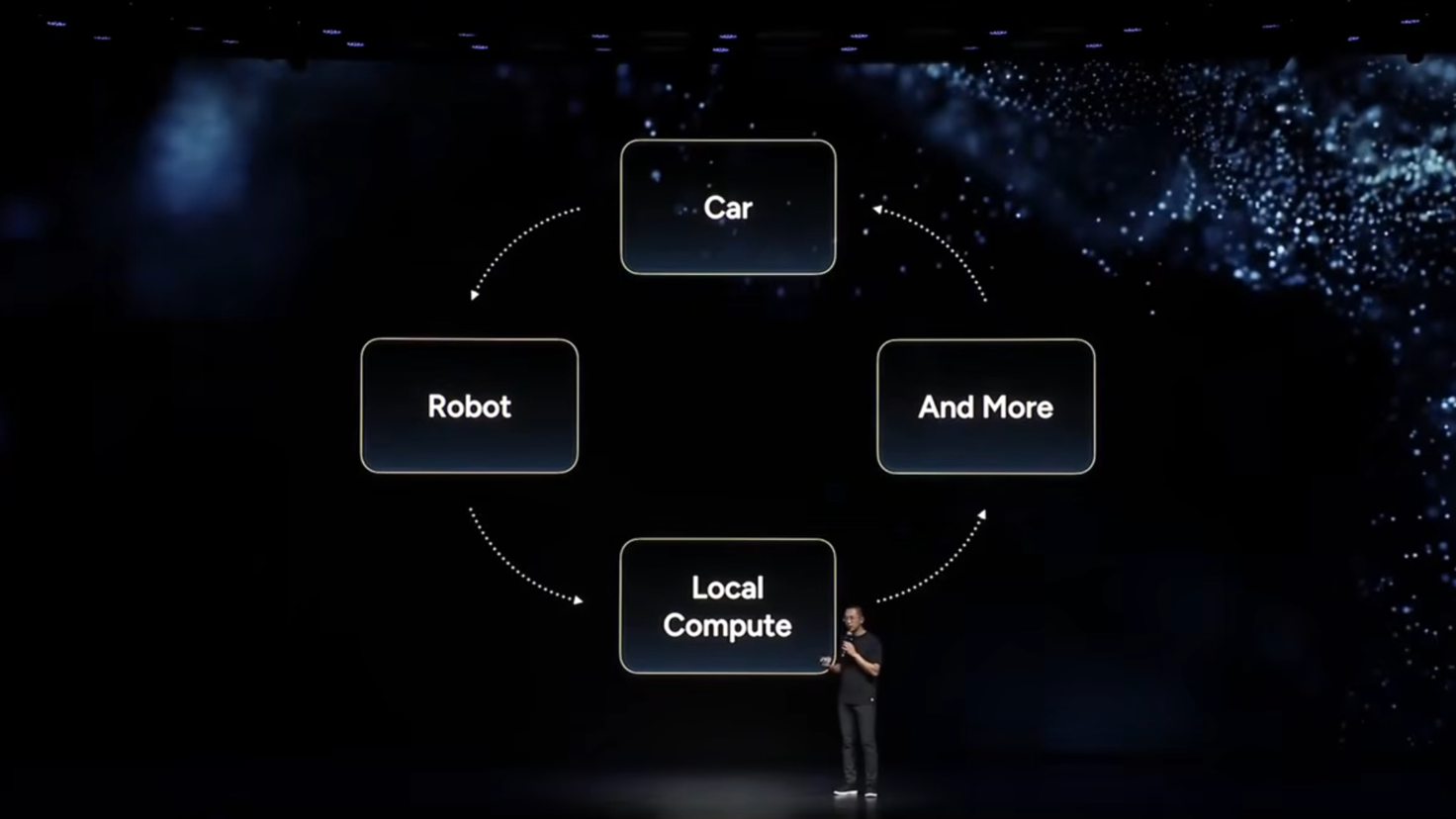
XPENG’s leadership has maintained that tackling difficult, foundational problems upfront yields long-term compounding benefits, creating what they term an "AI Flywheel."

By avoiding short-cuts that rely on heavy cloud data centers—which frequently run into regulatory and privacy hurdles—XPENG has doubled down on localized, edge-computing solutions. This approach allows their systems to run efficiently within regional data sovereignty frameworks while maintaining ultra-low latency.
Furthermore, XPENG’s approach stands in sharp contrast to industry peers who charge additional subscription fees to unlock hardware-capable features. XPENG is pushing continuous, comprehensive updates out to existing vehicle owners, providing upgraded features free of charge to unify and elevate the user experience across their active fleet.
Implications
The commercial and technological ramifications of XPENG’s current development phase stretch far beyond immediate quarterly vehicle delivery numbers:

- Deepening B2B Technology Services: The lucrative technical R&D services agreement with the Volkswagen Group—and potential emissions pooling partnerships with brands like Porsche in Europe—signal that XPENG is successfully transforming into a technology licensor. If VLA 2.0 is integrated into global Volkswagen architectures, XPENG’s revenue streams will diversify away from pure automotive manufacturing.
- The Robotics Frontier: The spin-out and massive $900M valuation of Dogotix, backed by giants like Alibaba and Tencent, paves the way for commercial deployments of the IRON humanoid robot. Planned for retail store support in 2026 and broader commercial service rollout in 2027, these robots are projected by XPENG to eventually yield higher lifetime unit margins than passenger cars.
- Global Regulatory Readiness: By engineering localized physical AI that maximizes computing efficiency, XPENG is positioned as an early frontrunner to meet harmonized United Nations DCAS (Driver Control Assistance Systems) regulations, paving the way for seamless expansion into global markets.
- The AI Flywheel Acceleration: Better vehicles gather more edge-case data; better data refines the AI models; refined models improve autonomous driving safety and convenience; and superior capabilities ultimately drive higher EV sales and software licensing demand.
As XPENG transitions its heavy R&D expenditures into commercial reality across passenger cars, robotaxis, and humanoid robotics, the coming quarters will determine whether this aggressive, foundational approach sets a new benchmark for the global physical AI landscape.
