

Published: August 24, 2026
Author: Fitness & Wellness Desk
Main Facts
In an era dominated by sedentary desk jobs, prolonged screen time, and the physical toll of daily stress, finding an accessible way to reset the body has never been more vital. Enter a newly released, expertly curated 15-minute full-body stretch routine designed by renowned yoga instructor Yoga With Kassandra.
This slow, gentle, all-levels flow is engineered to serve as a daily flexibility practice. While ideal for waking up the body in the morning, it is equally effective as an end-of-day wind-down routine to melt away accumulated stiffness from work. The sequence requires zero mandatory props—though blocks, straps, or household items can be incorporated for comfort—and guides practitioners through a carefully balanced progression of reclined, seated, kneeling, and standing poses.
By targeting primary tight spots such as the hips, back, and shoulders, the sequence delivers holistic, total-body benefits that help practitioners leave physical tension behind in just a quarter of an hour.
Chronology of the Routine: Step-by-Step Flow
To maximize the therapeutic benefits of this 15-minute practice, the routine follows a deliberate biomechanical progression. It moves the body intelligently from prone (lying on the stomach) positions to kneeling, standing, seated, and finally supine (lying on the back) postures.
Phase 1: Prone Awakening (Spine and Quads)
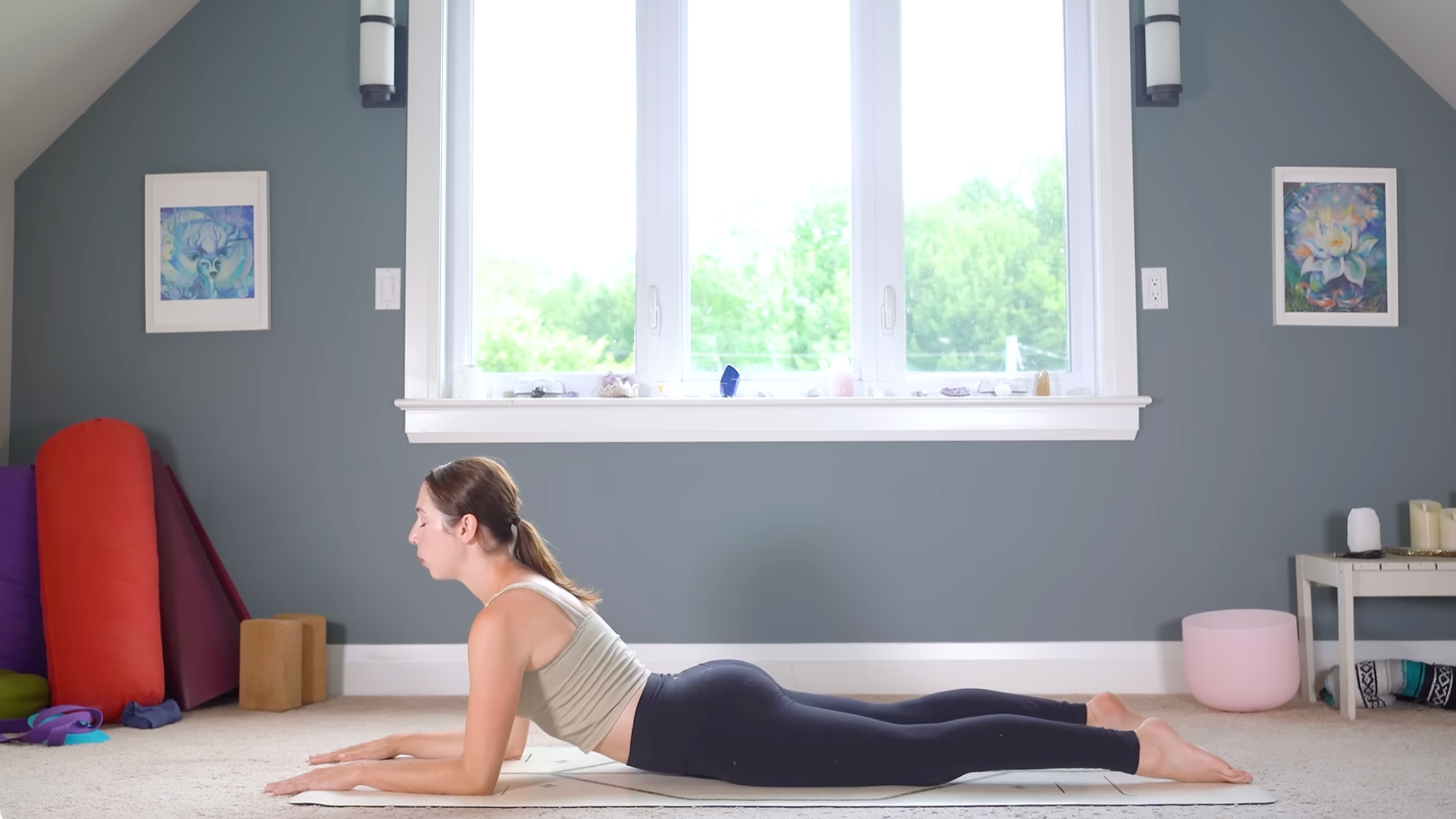
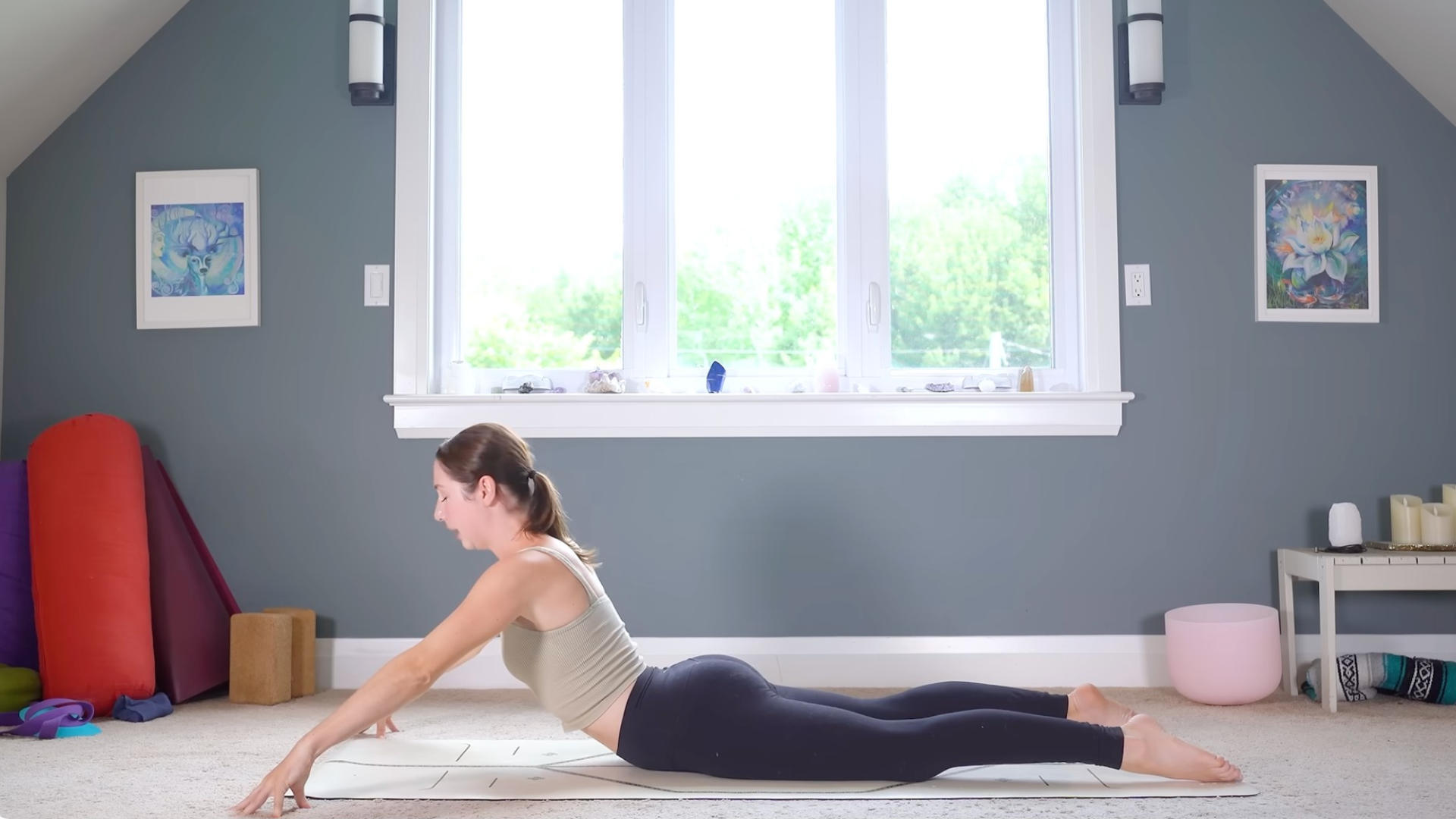
- Sphinx Pose: Initiating the practice on the stomach, practitioners place forearms on the mat with elbows slightly forward. By pressing down through the tops of the feet, hip bones, and pubic bone while lifting the chest and rolling the shoulders back, the upper back opens without compressing the lumbar spine.
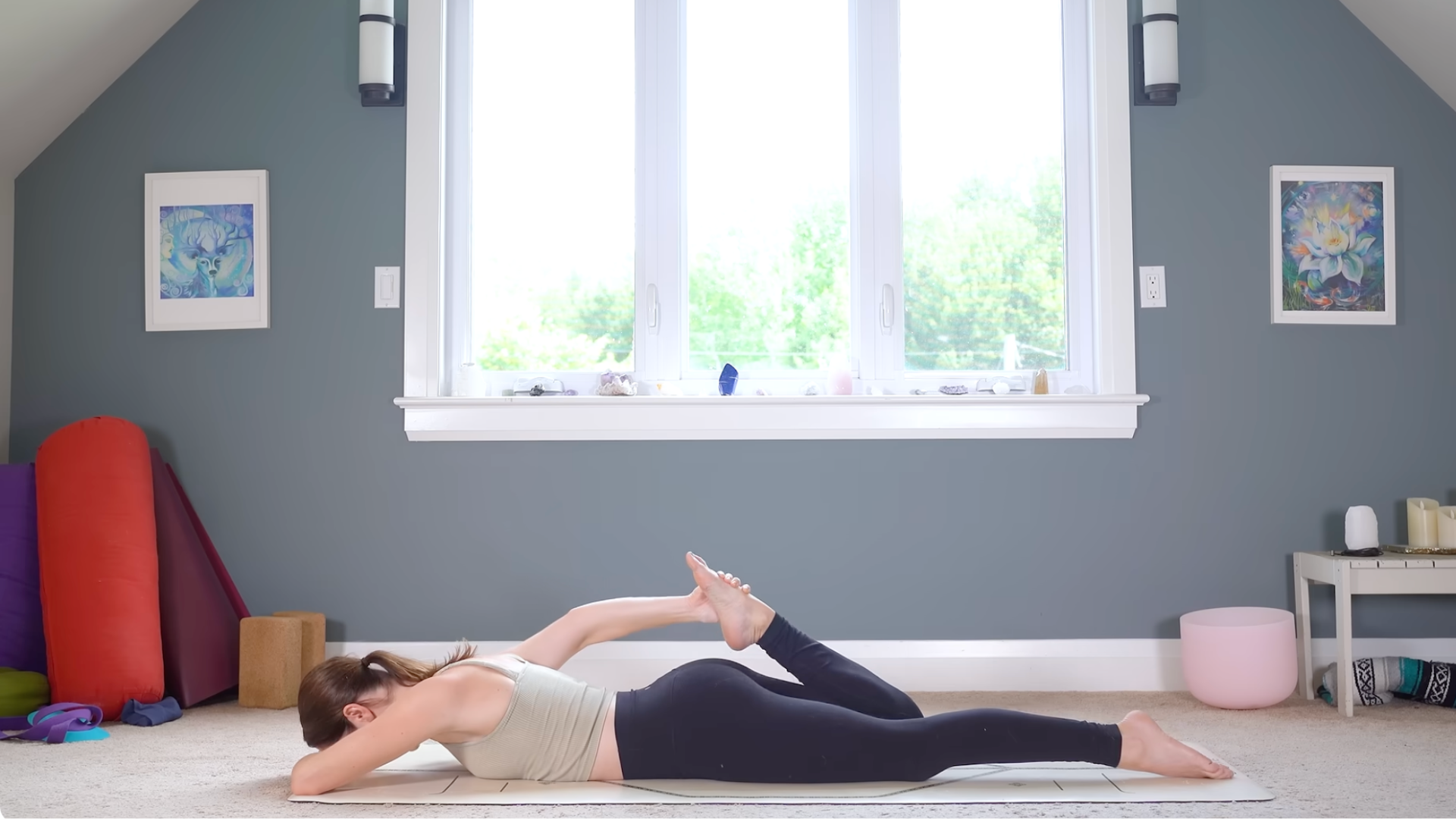
- Quad Stretch: Lying flat with the forehead rested on the hand, practitioners reach back to draw the right heel toward the right glute. Maintaining hip-distance alignment between the knees and pressing the pubic bone into the mat opens the quadriceps and hip flexors. The movement is then mirrored on the left side.
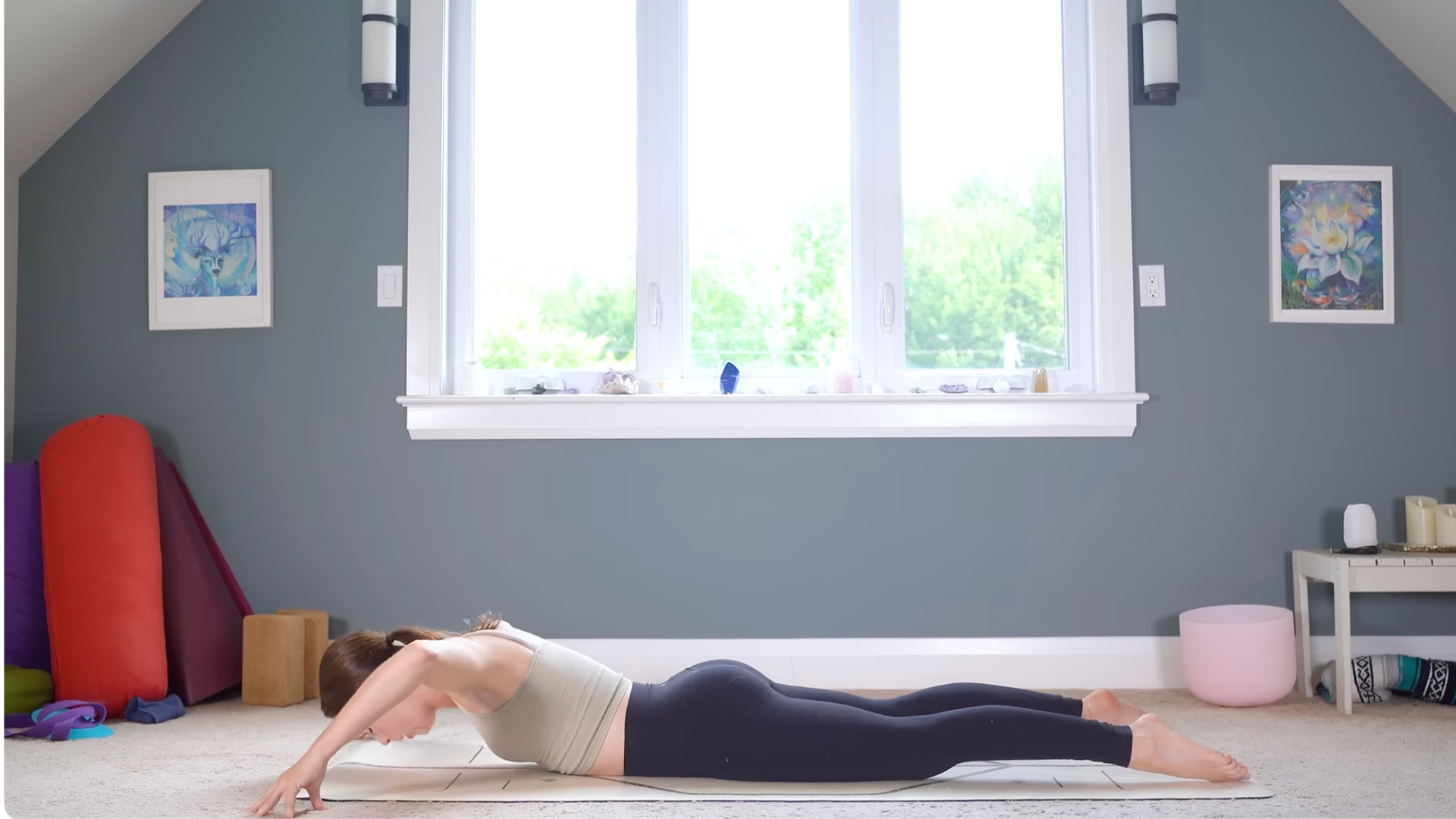
- Dynamic Cobra Pose: Hands widen off the mat onto the fingertips like spiders. Inhaling lifts the chest into a gentle backbend, while exhaling melts the torso back down in a fluid, wave-like motion repeated multiple times.
Phase 2: Kneeling Mobility (Hips and Upper Back)
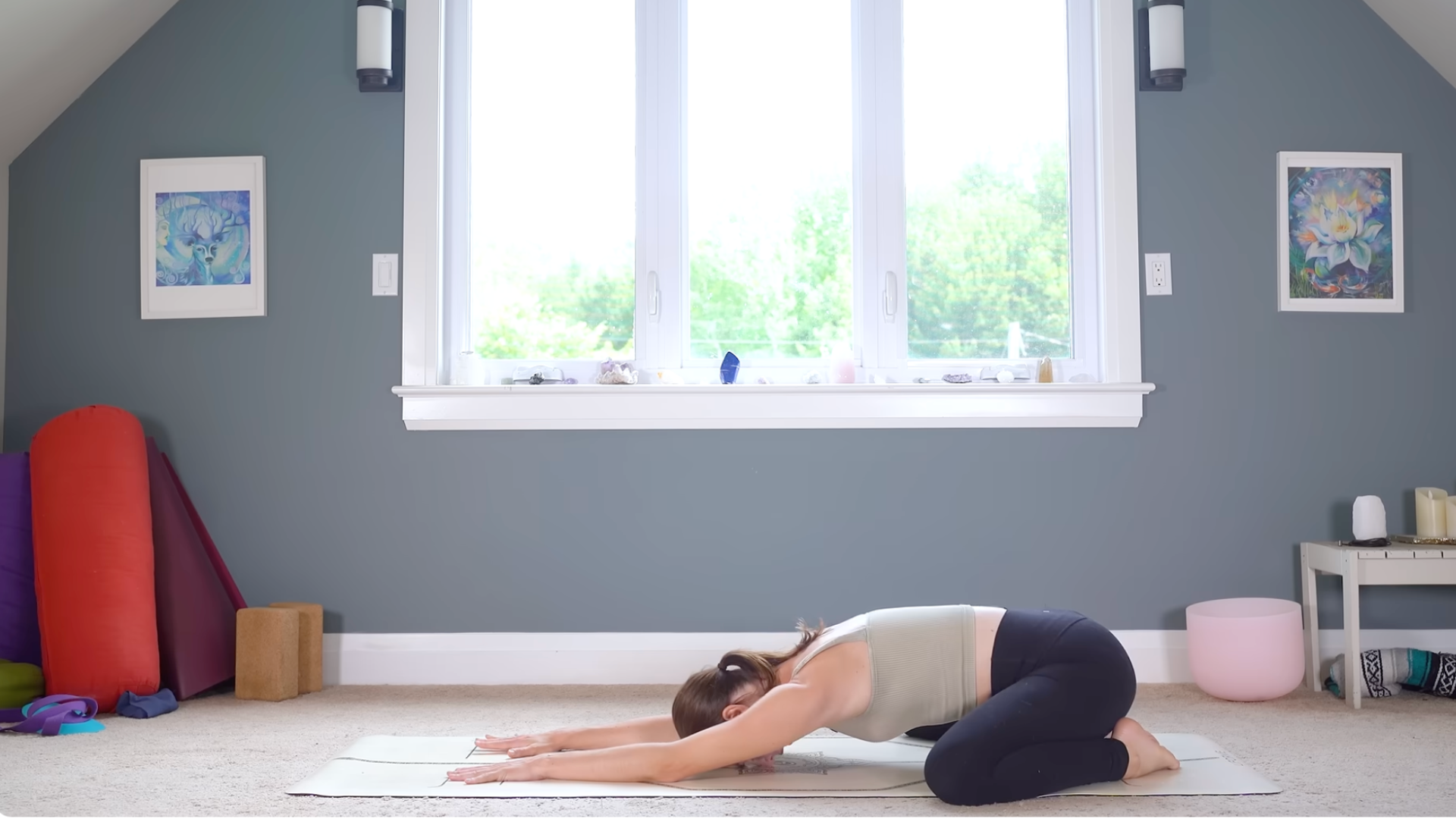
- Child’s Pose: Big toes touch while knees angle wide toward the mat edges. Hips press back toward the heels while arms reach forward, engaging the shoulders and armpits to open the upper back and inner thighs.
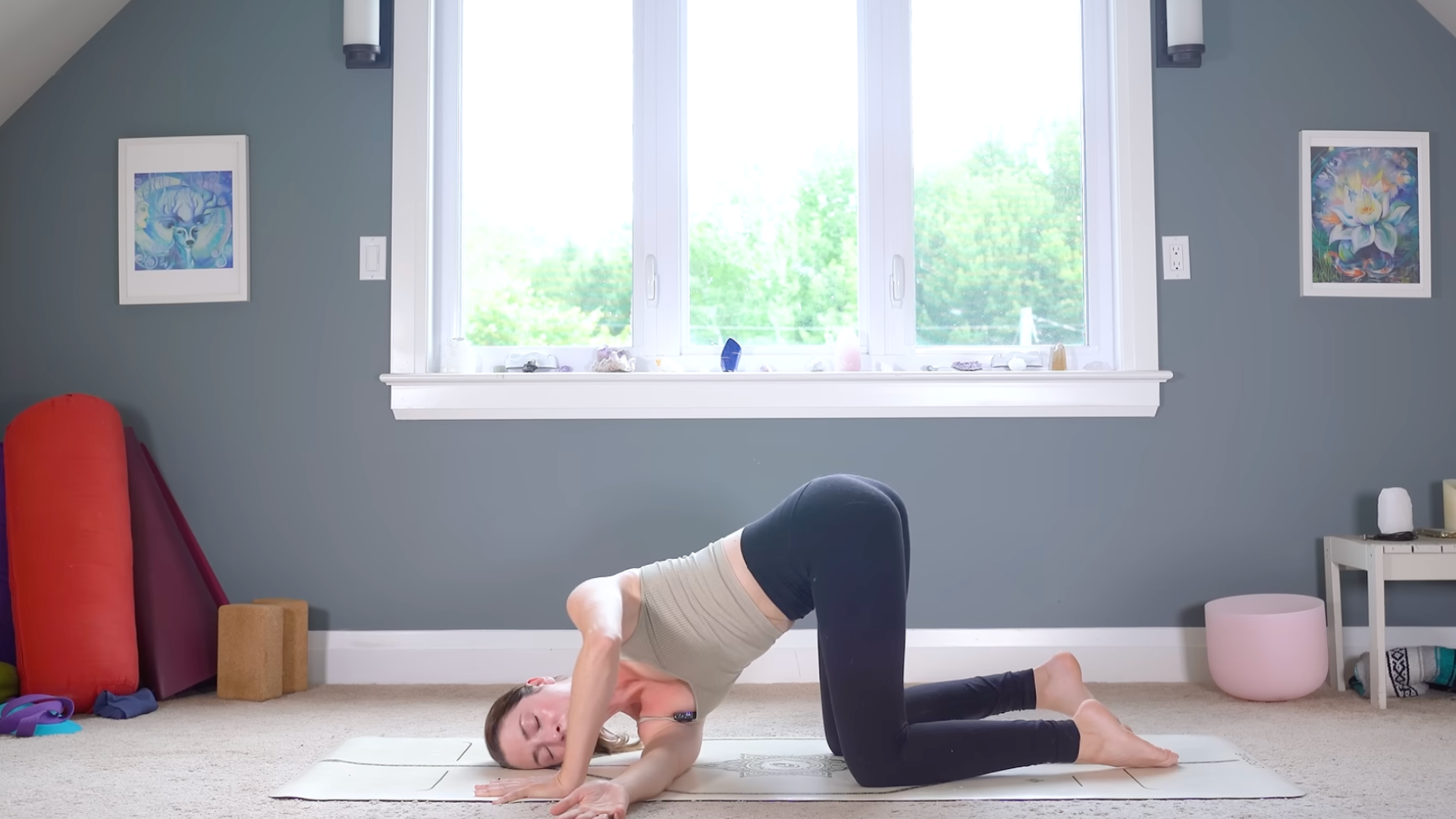
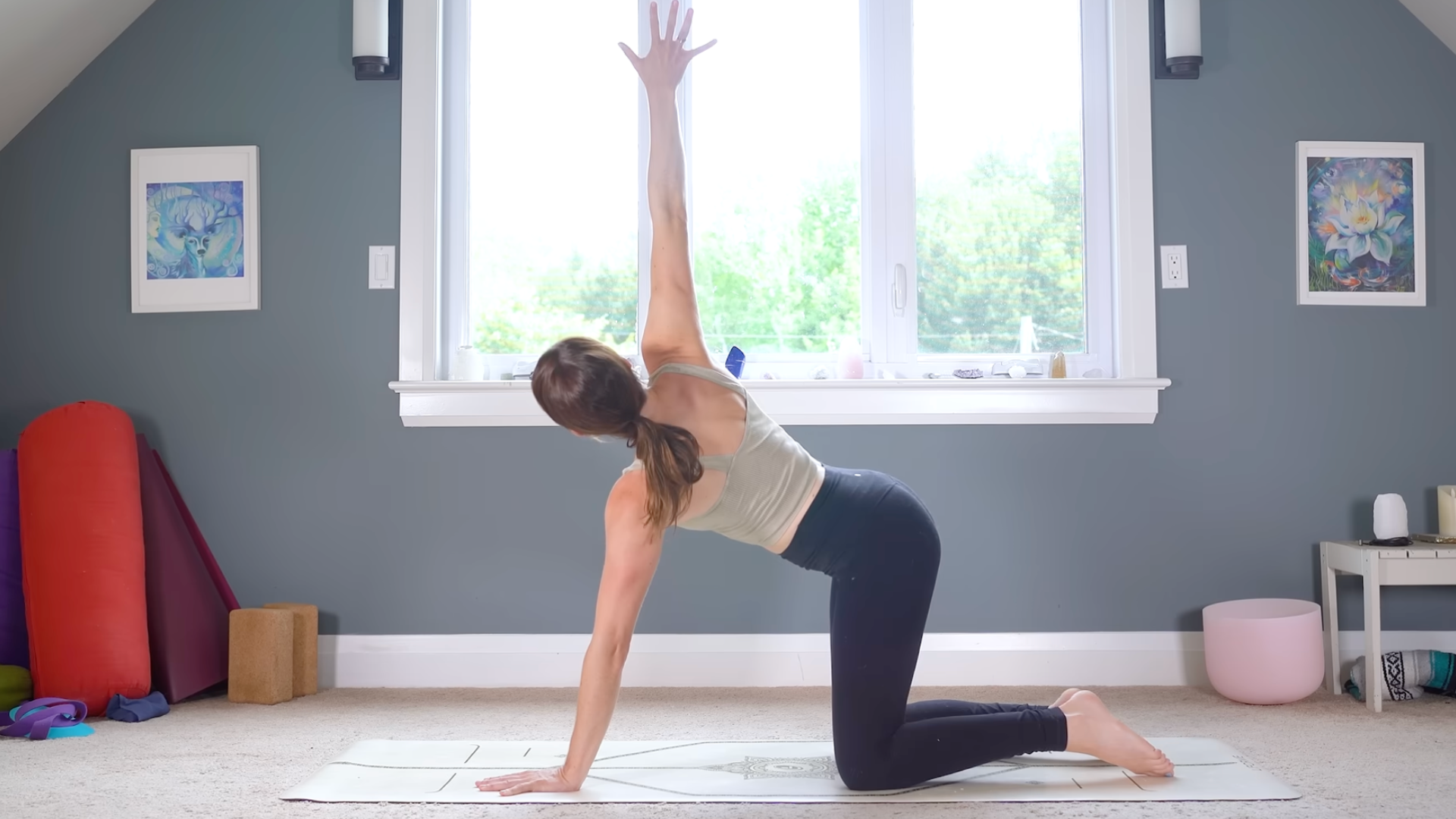
- Thread the Needle: Transitioning to a table-top position on hands and knees, the right arm reaches skyward before threading underneath the chest to the left. The right shoulder and ear rest on the mat while the practitioner stabilizes the right hip and breathes into the upper back, before repeating on the opposing side.
Phase 3: Standing Integration (Lower Body and Side Body)
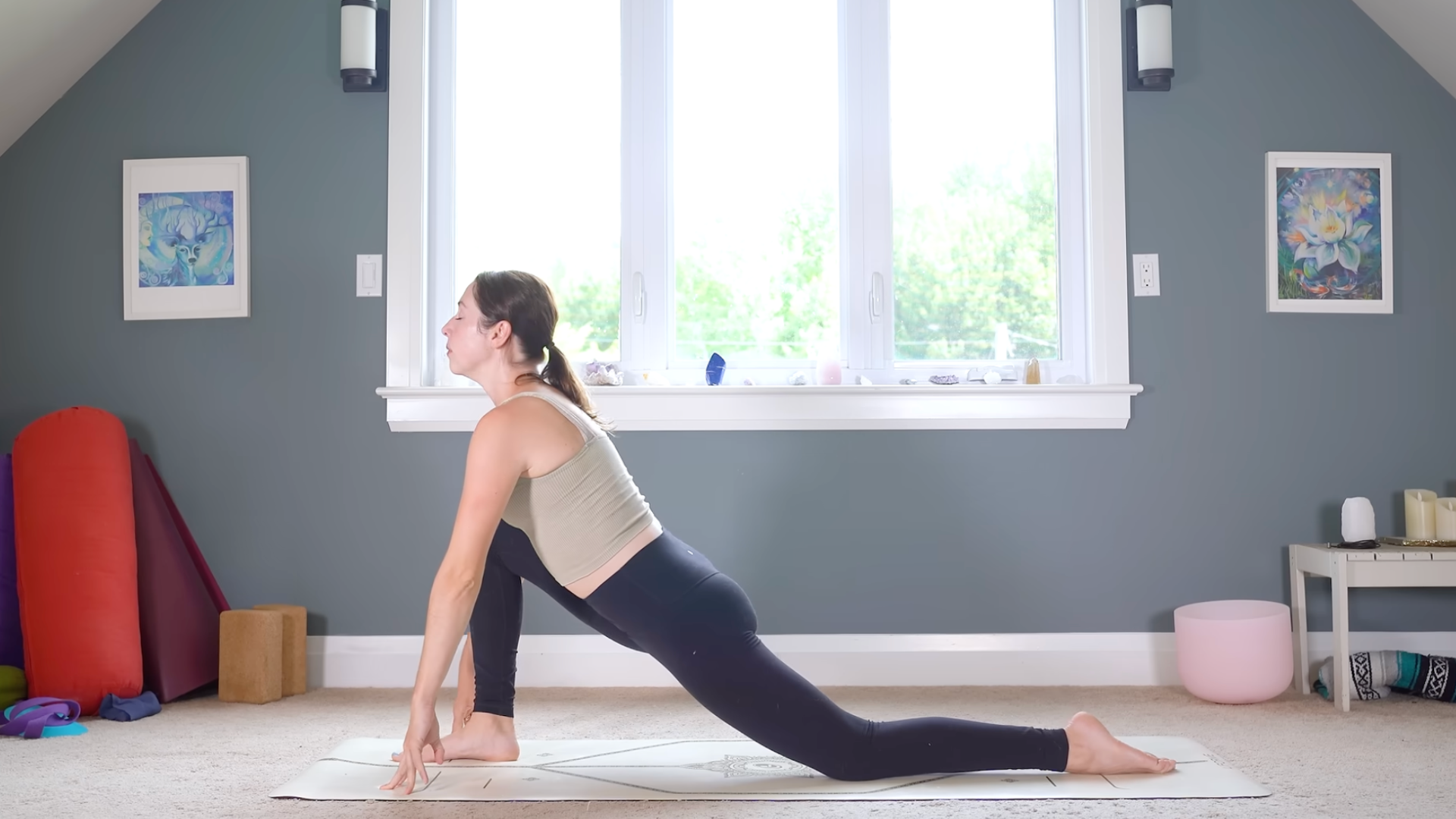
- Low Lunge to Three-Legged Dog: Stepping the right foot forward into a low lunge, the practitioner sweeps the right leg back and up into a three-legged dog, bending the knee to open the hip and mimic the earlier quad stretch.
- Warrior 2 & Reverse Warrior: The practitioner steps forward into Warrior 2, grounding the back foot parallel to the short edge of the mat with arms extended. Dropping the back hand and reaching the front arm skyward yields a deep side-body stretch in Reverse Warrior.
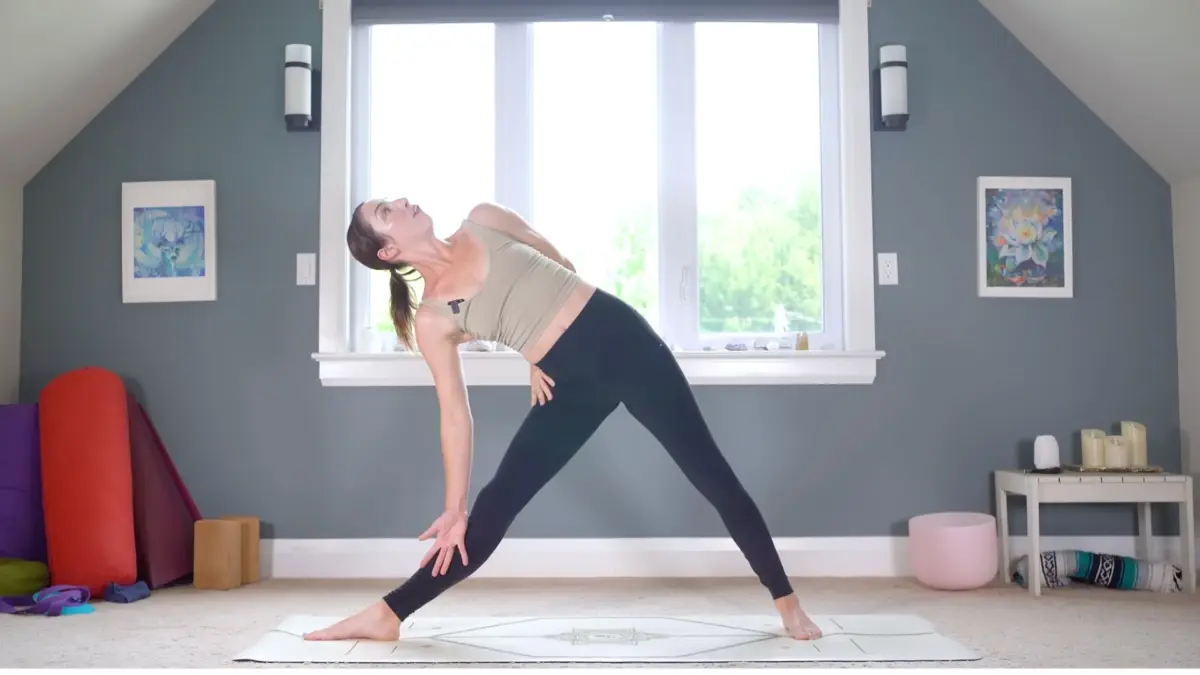
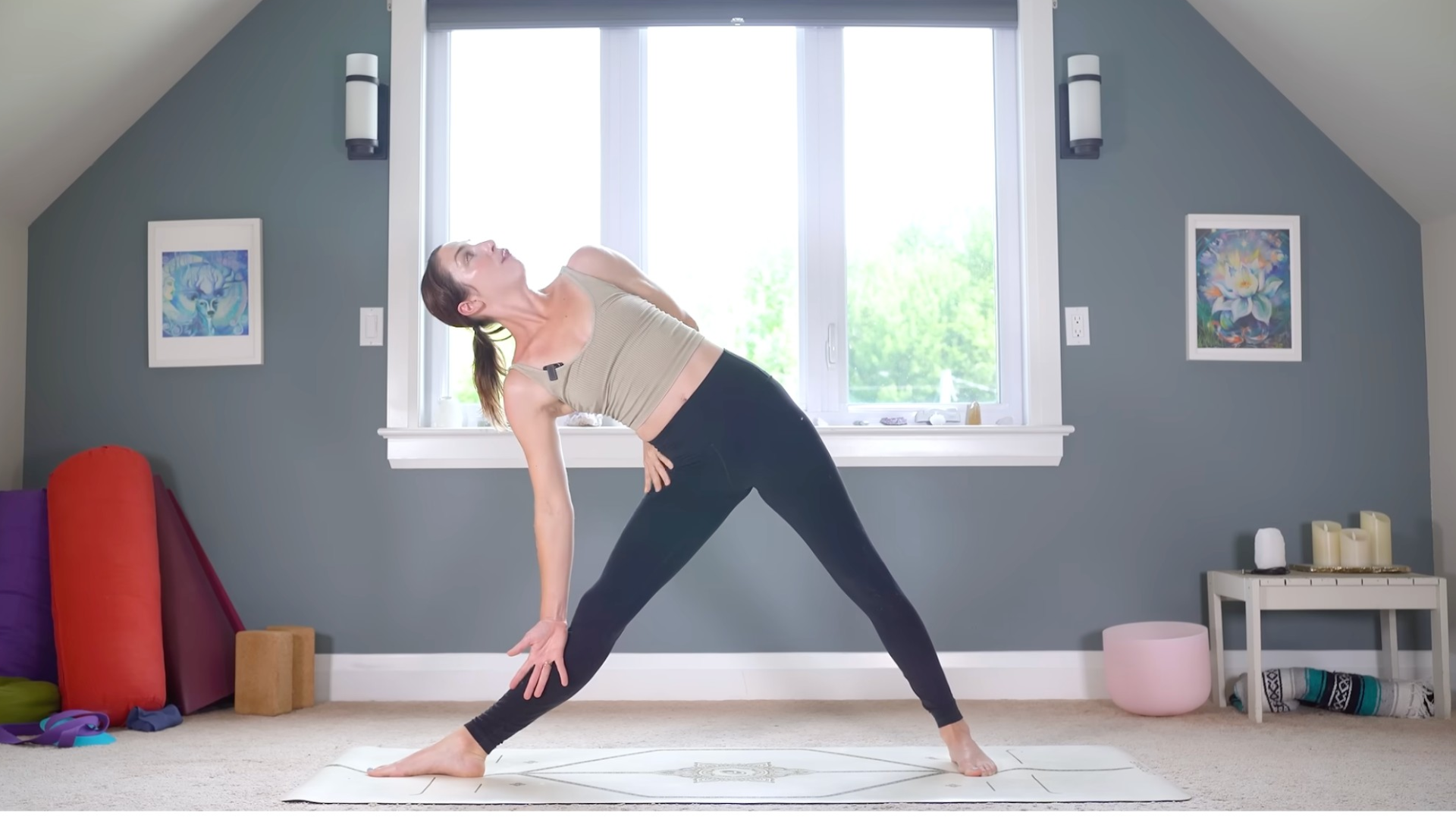
- Triangle Pose: Straightening the front leg, the torso extends forward and down into Triangle Pose, with an optional half bind wrapping the top hand to the inner thigh for advanced practitioners.
- Downward-Facing Dog: The sequence flows through a transition back to Downward-Facing Dog before executing the entire standing series on the left side.
Phase 4: Seated and Supine Release
- Seated Twist: Returning to the mat with legs extended, practitioners bend the right knee, cross the foot over the left thigh, and twist toward the right, lifting tall through the spine.
- Cow-Face Pose: Transitioning from the twist, the left knee bends and stacks beneath the right (or shins are staggered for modifications), followed by a gentle forward fold to stretch the outer hips. Both movements are repeated on the left.
- Happy Baby Pose: Lying flat on the back, knees draw toward the armpits, and hands grasp the feet, ankles, or shins. Practitioners can straighten alternating legs or both simultaneously, followed by windshield-wiper knee drops to massage the lower back.
- Savasana: The practice culminates in Corpse Pose, allowing the body to absorb the physical benefits through three minutes of deep relaxation and conscious breathing.
Supporting Data: Why 15 Minutes is Enough
Skeptics often question whether a 15-minute routine can genuinely impact overall physical wellness. However, exercise science and kinesiology data consistently support "micro-dosing" movement throughout the week over sporadic, lengthy workout sessions.
- Consistency over Duration: Studies on flexibility and range of motion indicate that daily, short-duration stretching (10 to 15 minutes) yields superior long-term tissue adaptation compared to a single 60-minute session once a week.
- Nervous System Regulation: By pairing deep, slow nasal breathing with low-impact stretches, practitioners stimulate the vagus nerve, down-regulating the sympathetic nervous system (fight-or-flight) and reducing cortisol levels linked to physical muscle tightness.
- Targeted Muscle Relief: Desk workers typically suffer from predictable postural imbalances: shortened hip flexors, tight quadriceps, rounded shoulders, and compressed thoracic spines. This routine strategically addresses every single one of these common pain points through postures like Sphinx, Quad Stretch, and Thread the Needle.
Expert Insights and Official Responses
Physical therapists and yoga educators have long championed routines that bridge the gap between restorative recovery and active mobility.
According to movement specialists, the primary mistake people make when stretching is holding tension in the neck, jaw, and lower back—areas explicitly guarded against in Yoga With Kassandra’s instructional cues. By emphasizing foundational alignment, such as pressing down through the pubic bone during prone backbends, the routine protects the lumbar spine from pinching, making it safe for individuals with mild, non-acute back stiffness.
Furthermore, wellness advocates note the psychological component of the practice. "We use our breath to encourage ourselves to let go and release tension not only when we stretch but when we encounter any kind of challenge," notes the instructional philosophy of the sequence. This framing transforms a simple physical exercise into a mindfulness tool, helping users mentally decompress after a demanding workday.
Implications for Daily Wellness and Long-Term Health
The widespread availability of guided, short-form digital wellness content carries profound implications for public health. As remote and hybrid work models persist, the boundaries between home and office continue to blur, leading to prolonged static postures that degrade spinal health and joint mobility.
- Accessibility and Barrier Reduction: A 15-minute time commitment removes the intimidation factor for beginners who might feel overwhelmed by advanced, hour-long vinyasa classes. By utilizing household props and offering accessible modifications (such as staggering shins in Cow-Face Pose or looking down during Triangle Pose for balance), the routine democratizes yoga and flexibility training.
- Injury Prevention: Regular engagement in full-body stretching improves joint articulation, enhances neuromuscular coordination, and corrects muscular imbalances. Over time, individuals who incorporate this practice into their daily schedules report fewer incidents of acute strain during routine physical activities, better posture, and enhanced athletic performance.
- Mental Resilience: Beyond physical metrics, the incorporation of breathwork and Savasana trains the brain to pause, reset, and process daily stressors. In a fast-paced society, carving out 15 intentional minutes to reconnect with the body fosters sustainable self-care habits that ripple positively into personal and professional life.
