


August 26, 2026 — In an era dominated by blue-light screens, high-stress work environments, and the modern plague of the "racing mind," the global quest for a restorative night’s sleep has reached a fever pitch. Millions find themselves tossing and turning well past midnight, caught in an exhausting cycle of fatigue and insomnia. While sleep aids and nighttime routines have long been the frontline defense, a growing body of medical research and holistic health data points toward an ancient practice as a profound modern remedy: evening yoga.
Far more than a physical workout, incorporating targeted, slow-paced yoga into a pre-bedtime routine bridges the gap between the waking world and deep slumberland. As sleep specialists and wellness experts alike point out, finding stillness in a thoughtful, restorative shape can quiet the nervous system, lower the heart rate, and clear the mental slate—even if you only have time for a single pose.
The Main Facts: Yoga as a Clinically Backed Sleep Catalyst
The integration of yoga into sleep hygiene is not merely a lifestyle trend; it is supported by a robust and expanding array of scientific literature. Research published in medical journals—including landmark studies indexed by the National Institutes of Health (NIH) and insights highlighted by institutions like Johns Hopkins Medicine—indicates that regular yoga practitioners fall asleep significantly faster and experience a measurable enhancement in overall sleep quality compared to non-practitioners.
Unlike high-intensity aerobic exercise, which can stimulate the body if performed too close to bedtime, restorative yoga is designed to shift the body away from the "fight-or-flight" sympathetic nervous system and into the "rest-and-digest" parasympathetic nervous system.

The core mechanisms driving this transition include:
- Autonomic Regulation: Slowing the breath and heart rate.
- Physical Decompression: Releasing physical tension accumulated from hours of sitting or standing.
- Cognitive Offloading: Interrupting the loop of daily ruminations and modern anxieties that fuel insomnia.
Chronology of a Restful Transition: From Mat to Mattress
To understand how evening yoga works, it helps to look at the chronological progression of winding down. The practice is less about physical exertion or "doing" and entirely about "being."
Phase 1: The Wind-Down Ritual (30 Minutes Before Bed)
The transition begins before you even touch your yoga mat. By dimming the lights, turning off notifications, and setting aside time for intentional movement, you signal to your circadian rhythm that the day is concluding.
Phase 2: Breath-Led Movement (15 Minutes Before Bed)
Moving through a slow, deliberate flow—or settling into a sequence of restorative postures—aligns inhalations and exhalations. This breath-to-movement connection forces the brain to anchor in the present moment, starving the "monkey mind" of the stray thoughts that typically keep people awake.
Phase 3: The Final Descent (Immediate Bedtime)
The ultimate goal of an evening yoga sequence is a seamless slide from the practice space directly into bed. Many restorative postures can even be modified to be performed right on top of your mattress, ensuring that the physical relaxation achieved on the mat travels with you under the covers.
Supporting Data: What the Research Shows
As insomnia rates climb across industrialized nations, public health data continues to validate mind-body interventions:
- Speed to Sleep: Clinical trials focusing on participants with chronic sleep disturbances show that yoga interventions reduce sleep latency—the amount of time it takes to fall asleep—by a significant margin.
- Sleep Efficiency: Studies examining older adults and high-stress demographics reveal that participants incorporating yoga report fewer nighttime awakenings and a higher subjective rating of sleep depth.
- Stress Hormone Reduction: Evening stretching and restorative holds have been shown to lower cortisol levels in the bloodstream, removing the chemical barriers that prevent deep, uninterrupted REM cycles.
Official Responses and Expert Perspectives
Medical professionals, sleep researchers, and certified yoga therapists increasingly advocate for integrative approaches to insomnia, moving away from an over-reliance on pharmaceutical sleep aids.
Dr. Eleanor Vance, a behavioral sleep medicine specialist, notes that cognitive hyperarousal is the primary culprit behind chronic sleeplessness. "Patients often tell me they are exhausted physically, but their brains refuse to turn off," Dr. Vance explains. "Mindful movement acts as a physical conduit. By consciously releasing tension in the hips, shoulders, and jaw, we send a biological feedback loop to the brain that says, ‘It is safe to let go now.’"
Yoga educators emphasize that the practice does not require flexibility or advanced training. "You don’t need to touch your toes or stand on your head to benefit from yoga at night," says senior yoga instructor Marcus Thorne. "The most effective sleep sequences utilize passive shapes where gravity does the heavy lifting for you."
Implications: The 5 Essential Poses for Better Rest
To help practitioners navigate the transition from wakefulness to sleep, experts recommend focusing on restorative poses, inversions, and prone positions that encourage the entire body to release and reset. Here are five foundational poses recommended for an evening routine:
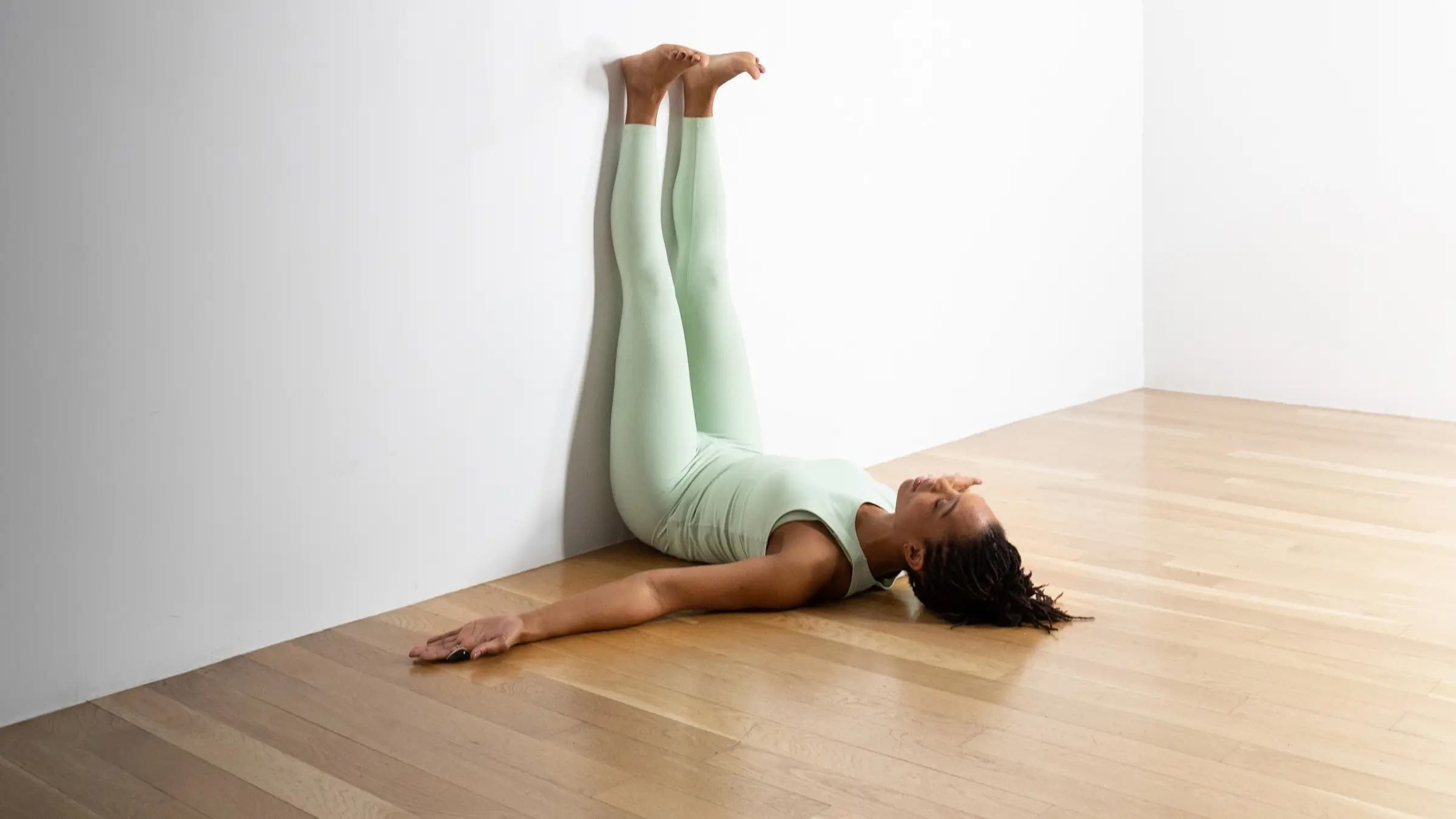
1. Legs Up the Wall (Viparita Karani)
A beloved and highly accessible inversion, Legs Up the Wall calms the body with remarkable speed. By elevating the legs, this restorative pose immediately stimulates the parasympathetic nervous system, lowering blood pressure and heart rate. It drains stagnant fluid from the lower extremities while soothing racing thoughts, ensuring your head hits the pillow unencumbered by daily ruminations.
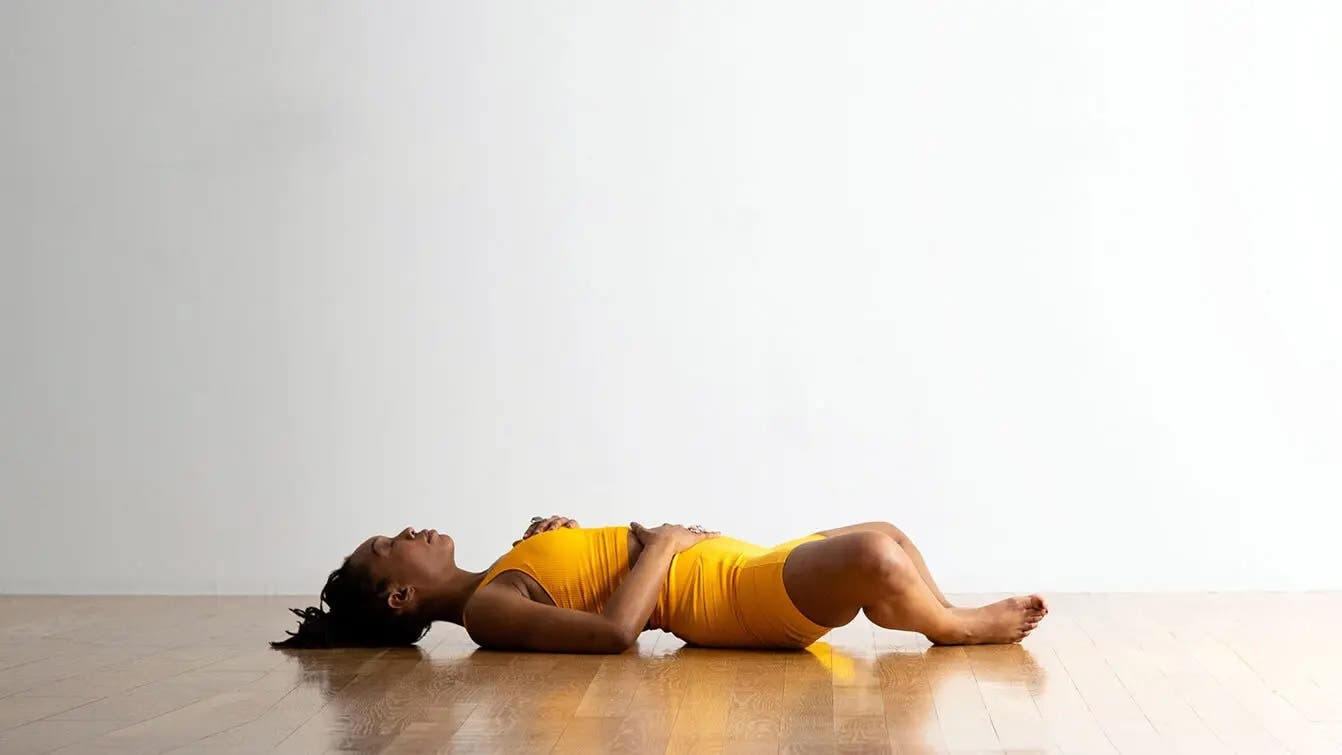
2. Reclining Bound Angle Pose (Supta Baddha Konasana)
With one hand resting gently on your heart, the other on your belly, and your awareness anchored to your breath, this posture is the embodiment of rest. The soles of the feet press together while the knees splay wide to deliver a satisfying, gentle hip stretch. Beyond releasing emotional tension often stored in the hips, it undoes the postural tightness accrued from a long day of sitting at a desk.
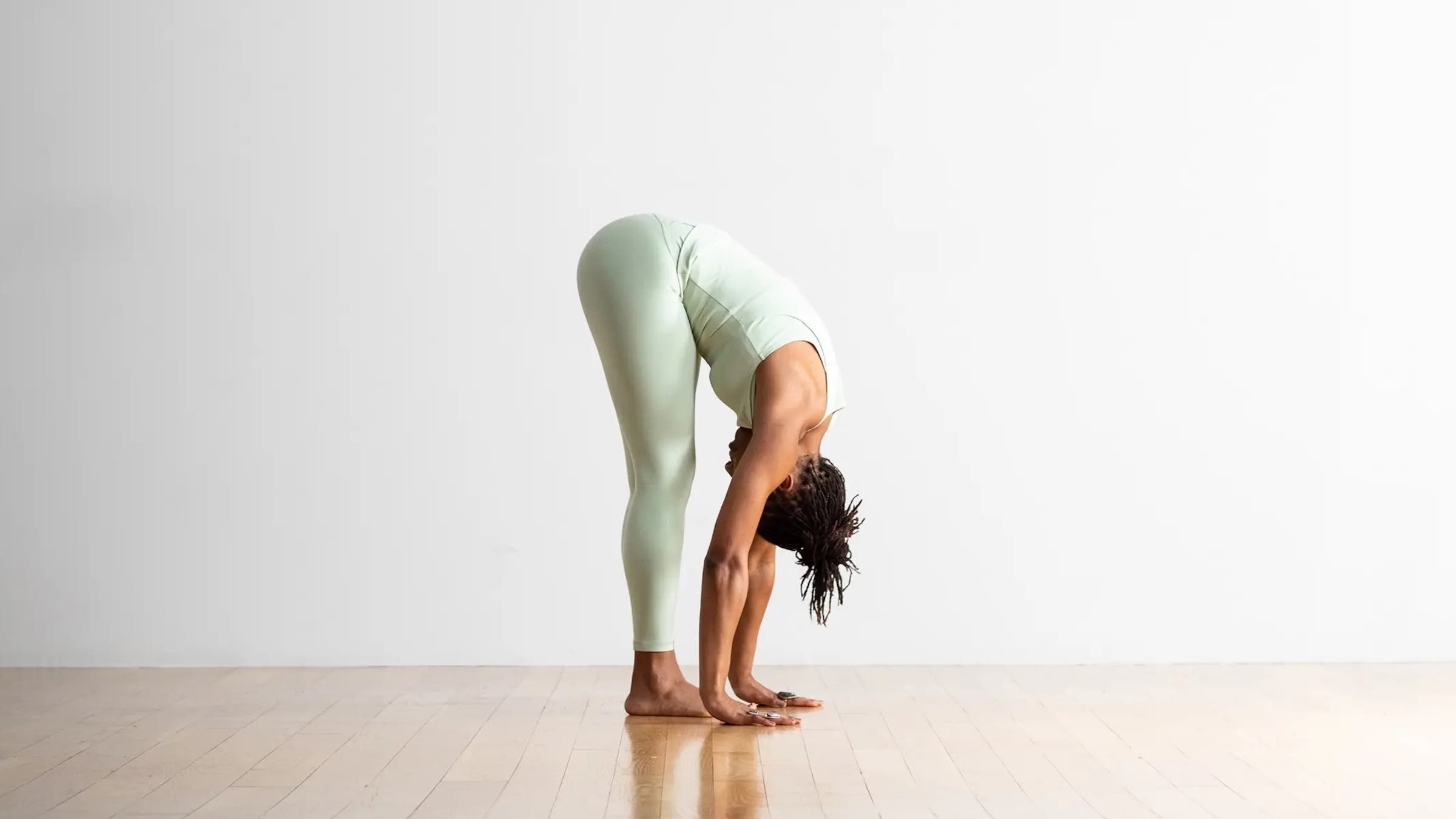
3. Standing Forward Bend (Uttanasana)
Allowing the head, neck, and upper body to hang heavy and passive is a remarkably effective way to shed the energetic weight of the day. This gentle inversion sends oxygenated blood rushing toward the brain while positioning the head below the heart, inviting the nervous system to slow down and decompress.
4. Happy Baby Pose (Ananda Balasana)
This mild inversion is entirely about release—the golden rule of bedtime yoga. Happy Baby stretches the lower back, gently opens the hips, and acts as a built-in spinal massage. Once settled in the shape, gently rocking from side to side allows the floor to massage the lower back, which in turn coaxes the brain into a state of physical surrender.
5. Corpse Pose (Savasana)
Perhaps the most intuitive pose of all, practicing deep, rhythmic breathing in Savasana is the ultimate rehearsal for sleep. In fact, many specialized yoga-for-sleep routines are deliberately structured to be performed right inside your bed, allowing you to finish your practice and drift straight into dreamland without breaking the spell of tranquility.
Looking Forward
As modern life continues to blur the boundaries between work and rest, the necessity for accessible, non-pharmacological sleep interventions will only grow. By carving out even ten minutes before bed to practice mindful, restorative yoga, individuals can reclaim their nights, quiet their minds, and transform their relationship with sleep—one breath at a time.
