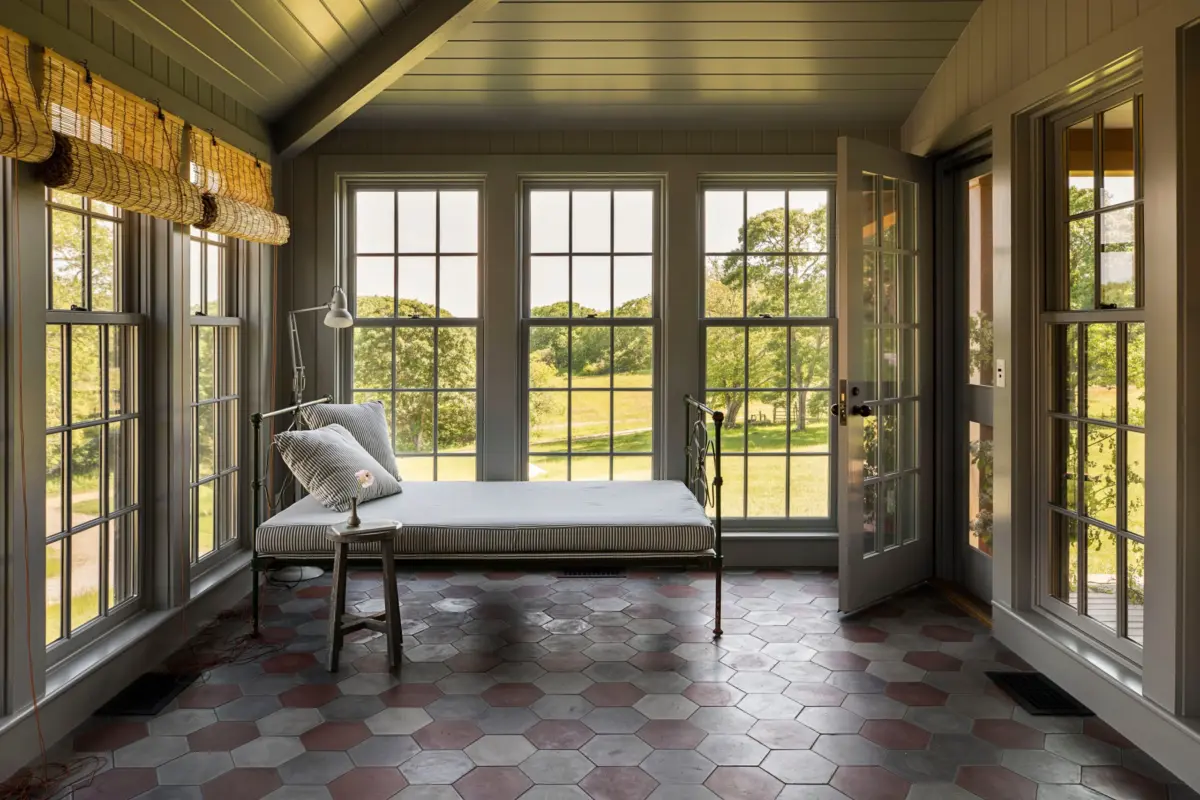
Few furniture pieces match the chameleonic versatility of a well-chosen daybed. Doubling effortlessly as a luxurious windowside lounge, a compact sleeper sofa, or an impromptu bed for last-minute overnight guests, daybeds eliminate the immediate need to shop for a spare mattress. Whether stationed in a sunlit reading nook, a productive home office, or a stylish multi-use guest room, these furnishings deliver daily utility without sacrificing aesthetic capital.
Unlike a bulky, traditional pull-out couch that can easily overwhelm tight floor plans, a sophisticated daybed looks like a million bucks while serving a rigorous daily function. Today’s interior design market boasts an array of shapes, materials, and price points, blending historical revivals—like 1970s silhouettes—with sleek, sustainable contemporary engineering.
Main Facts: The Renaissance of the Multi-Use Daybed
The resurgence of the daybed in modern interior design is driven by a shift toward intentional, space-conscious living. As urban apartments and multi-purpose rooms become increasingly common, homeowners are demanding furniture that performs double or triple duty.
Versatility: Daybeds function as daytime seating, reading perches, and nighttime sleeping quarters.
Space Efficiency: Offering a smaller physical footprint than standard sectional sofas or pull-out beds, they fit neatly into corners, studies, and nurseries.
Design Diversity: From midcentury icons that have stood the test of time to sustainable hemp-blend modular units and luxury designer collaborations, today’s daybeds cross aesthetic boundaries effortlessly.
Chronology: From Midcentury Marvels to 21st-Century Collaborations
The history of the daybed is rooted in architectural and industrial innovation. Understanding its evolution highlights why certain silhouettes remain popular today:
1950s (The Modernist Foundation): Industrial designer George Nelson introduced his iconic daybed for Herman Miller, setting a high standard for clean lines, customizable upholstery, and modular versatility that remains celebrated 75 years later.
The 1970s Retro Revival: The design world has increasingly turned its focus to the earthy, tactile, and sinuous shapes of the 1970s. Recent collaborations, such as Brigette Romanek’s collection with Crate & Barrel, have brought organic curves and integrated storage back to the forefront of contemporary interiors.
Present Day (Sustainability and Smart Living): Modern manufacturers are prioritizing eco-conscious materials—such as Sustainable Forestry Initiative (SFI)-certified plywood, recycled textiles, and natural hemp blends—alongside hidden functionality like built-in trundles and under-bed storage drawers.
Supporting Data & Top Curated Selections
To help navigate the market, design experts and commerce writers have evaluated a broad spectrum of daybeds, balancing visual appeal with real-world comfort.
1. The Elite Designer Collab: Sunset Daybed by Brigette Romanek
Retailer: Crate & Barrel
Price: $1,899
The Vibe: 1970s-influenced luxury with functional convenience.
Details: Featuring a sinuous cushioned top and built-in storage shelves below, this piece is a bibliophile’s dream. Commerce testers noted that its cocoon-like construction makes it ideal for intimate conversation or quiet relaxation. Its popularity even extended to the Condé Nast headquarters, where editors from Vogue, GQ, and Vanity Fair tested its ergonomic comfort.
2. A Modern Silhouette: Lulu and Georgia Emela Daybed
Retailer: Lulu and Georgia
Price: $1,858 – $2,323
The Vibe: Relaxed yet sophisticated low-profile seating.
Details: Characterized by soft edges and an exaggerated split wood base that creates a floating effect, the Emela daybed comes complete with four rounded accent cushions. It bridges the gap between casual lounging and formal living room aesthetics.
3. The Budget-Friendly Pick: Jaxx Alon Fold-Out Sleeper Daybed
Retailer: Amazon
Price: $524 – $582
The Vibe: Accessible comfort and convertible utility.
Details: Upholstered in soft poly-velvet with delicate golden platform feet, this twin-sized daybed easily folds out into a queen-size foam bed, making it an exceptional, cost-effective solution for guest rooms.
4. The Iconic Design: Herman Miller Nelson Daybed
Retailer: Design Within Reach / Herman Miller
Price: $3,071 – $4,095
The Vibe: Midcentury pedigree and master craftsmanship.
Details: Designed by George Nelson, this piece offers immense customization, including tapered or hairpin legs, optional backrests, ash or walnut bases, and over 40 upholstery choices ranging from bouclé to velvet.
5. Best for Nurseries: Nestig Cove Daybed
Retailer: Nestig
Price: $849
The Vibe: Bohemian warmth with growth potential.
Details: Built with wood and woven rattan panels, this twin-sized frame acts as a sophisticated sofa, a transition bed for toddlers, or a guest bed. An optional trundle addition maximizes sleep space without cluttering the floor.
6. For Sustainable Design: Sabai Elevate Daybed
Retailer: Sabai
Price: $2,495
The Vibe: Playful stripes and eco-conscious engineering.
Details: Available in striking hemp-blend colorways like forest green-and-white or yellow-clay-and-white, the Elevate collection utilizes recycled and upcycled upholstery wrapped around an SFI-certified plywood frame.
7. For a Midcentury Look: Article Sven Tufted Leather Chaise Lounge
Retailer: Article
Price: $1,189 – $1,399
The Vibe: Supple leather and timeless tailoring.
Details: Mimicking the family-favorite Sven sofa on a compact scale, this piece features buttery leather, classic tufting, and a removable bolster pillow for customizable neck support.
The Vibe: Tailored French seams and maximum utility.
Details: Designed with children and smaller spaces in mind, the Noa daybed features plush upholstery and under-bed storage that functions either as a spare trundle bed or a hidden repository for toys.
9. Bold Patterns: CB2 Nolan Pattern Daybed
Retailer: CB2
Price: $1,499 – $1,999
The Vibe: Statement upholstery and symmetry.
Details: With close to 90 fabric options—ranging from classic solids to velvet crane motifs and blue-and-white landscapes—the Nolan daybed invites interior maximalism.
10. Architectural Edge: House of Leon Milan Daybed
Retailer: House of Leon
Price: $3,490
The Vibe: Sleek stainless steel softened by tactile textures.
Details: This low-slung platform daybed contrasts sleek metal with tactile bouclé, camel nubuck, or bone shearling, making it an ideal anchor for high-end urban penthouses.
Official Industry Insights & Expert Responses
Interior designers and commerce specialists emphasize that investing in a daybed requires looking beyond initial visual impressions to evaluate structural integrity and textile performance.
Renowned interior designer Heidi Caillier, known for incorporating bold patterned furniture into high-profile residential projects, champions the use of statement upholstery:
"I love a printed sofa done in an impactful textile. I started using these in projects many years ago, and they are always the thing clients love the most. I think there is a fear of using pattern in a bold way, on a piece of upholstery, but it can really make a room."
Furthermore, furniture critics and product testers underscore the importance of material longevity. Premium daybeds constructed from solid hardwoods—such as walnut, oak, and birch—or certified sustainable engineered wood offer durability that justifies a higher upfront investment.
Implications for Modern Interior Design
The growing popularity of daybeds reflects broader lifestyle changes. As housing densities rise and remote work blurs the boundaries between professional and personal spaces, furniture must adapt.
Maximized Spatial Economy: Homeowners no longer have to sacrifice a dedicated guest bedroom to accommodate visitors. A stylish daybed allows a home office or living area to transform instantly into a welcoming sleep space.
Elevated Aesthetic Standards: Historically viewed as utilitarian or purely juvenile furniture, daybeds have been elevated by high-end designers and luxury brands into striking artistic focal points.
Eco-Friendly Consumption: With brands integrating sustainable forestry certifications, recycled fabrics, and natural hemp fibers, consumers can align their interior design choices with environmental stewardship.
What to Consider When Buying a Daybed
Primary Function: Determine whether the piece will primarily serve as a daytime reading lounge, a home office seat, or a frequent sleeping space for overnight guests.
Dimensions & Scale: Measure your floor plan carefully. Ensure there is enough clearance if you opt for a trundle or fold-out model.
Upholstery & Durability: Consider household traffic and lifestyle. Homes with children or pets may benefit from performance fabrics, leathers, or easily removable slipcovers, while low-traffic studies can support delicate bouclé or velvet.
Frame Materials: Prioritize solid woods or certified sustainable frames to ensure the piece withstands years of sitting, lounging, and sleeping.




.jpeg)
.jpeg)
.jpeg)
.jpeg)
.jpeg)
.jpeg)
