

PASADENA, CA — For centuries, the vast, undulating expanses of the American West have served as a boundless muse for painters, poets, and dreamers. Yet, few contemporary artists manage to capture the region not merely as a scenic backdrop, but as a living, breathing entity inextricably tied to the human spirit. This October, art enthusiasts and collectors will have the opportunity to experience this rare artistic alchemy firsthand.
Beginning October 10 and running through October 31, the Maxwell Alexander Gallery in Pasadena, California, will host Passages, a highly anticipated solo exhibition featuring more than a dozen new oil paintings by acclaimed California artist Glenn Dean. The exhibition opens with a public reception on Friday, October 10, from 6:00 p.m. to 8:00 p.m., offering attendees a chance to meet the artist and view his latest masterworks up close.
Main Facts: The Exhibition and the Artist
- Passages showcases a curated collection of more than a dozen new, deftly composed oil canvases by contemporary Western regionalist painter Glenn Dean.
- The exhibition runs from October 10 to October 31 at the Maxwell Alexander Gallery, located in Pasadena, California.
- An opening night reception with the artist will take place on Friday, October 10, from 6:00 p.m. to 8:00 p.m.
- The body of work centers on the profound interplay between the human figure—including cowboys, cowgirls, and Indigenous figures—and the monumental landscapes of the American West.
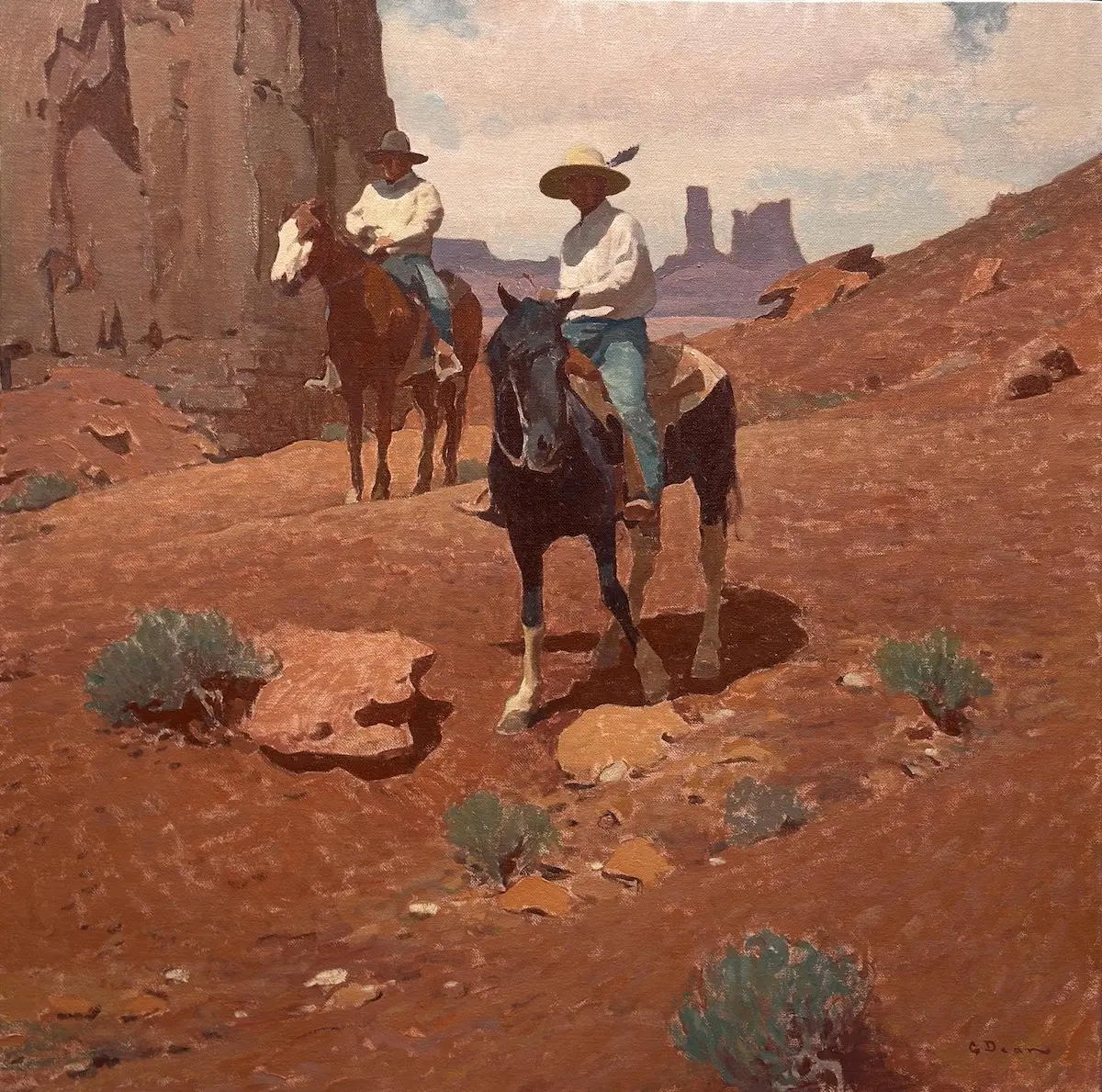
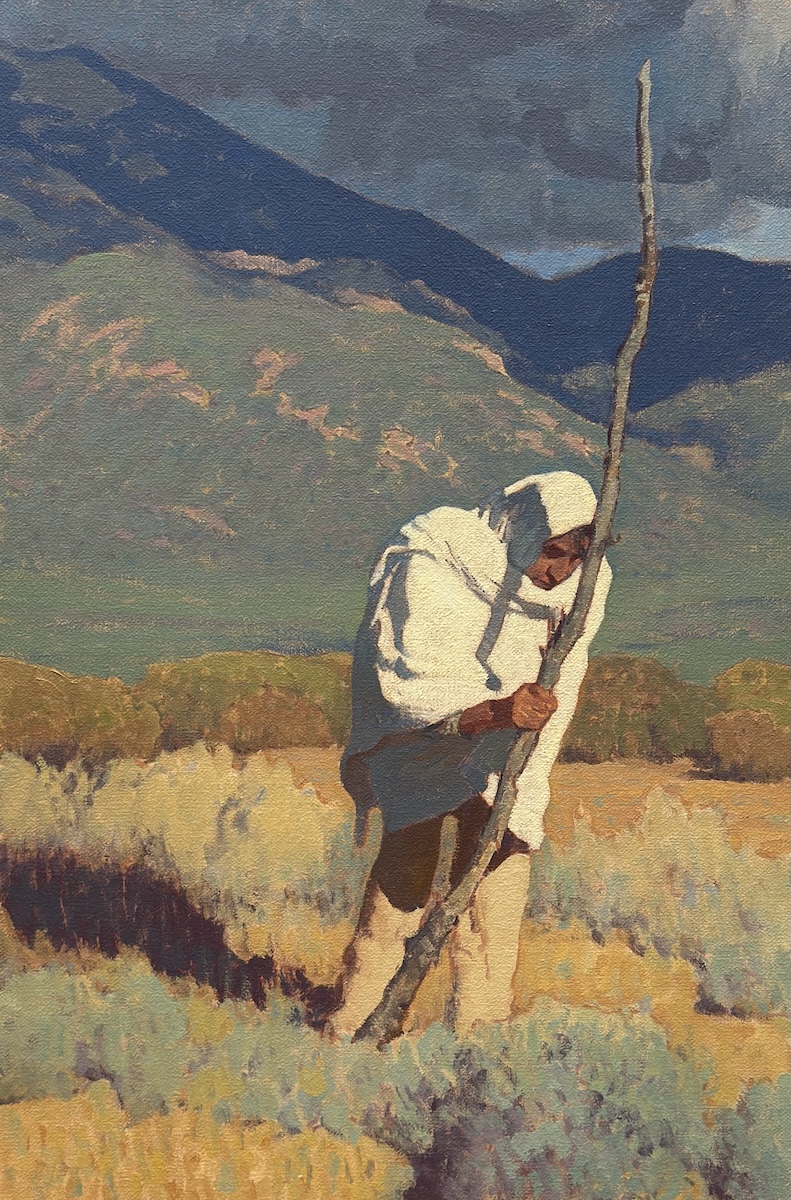
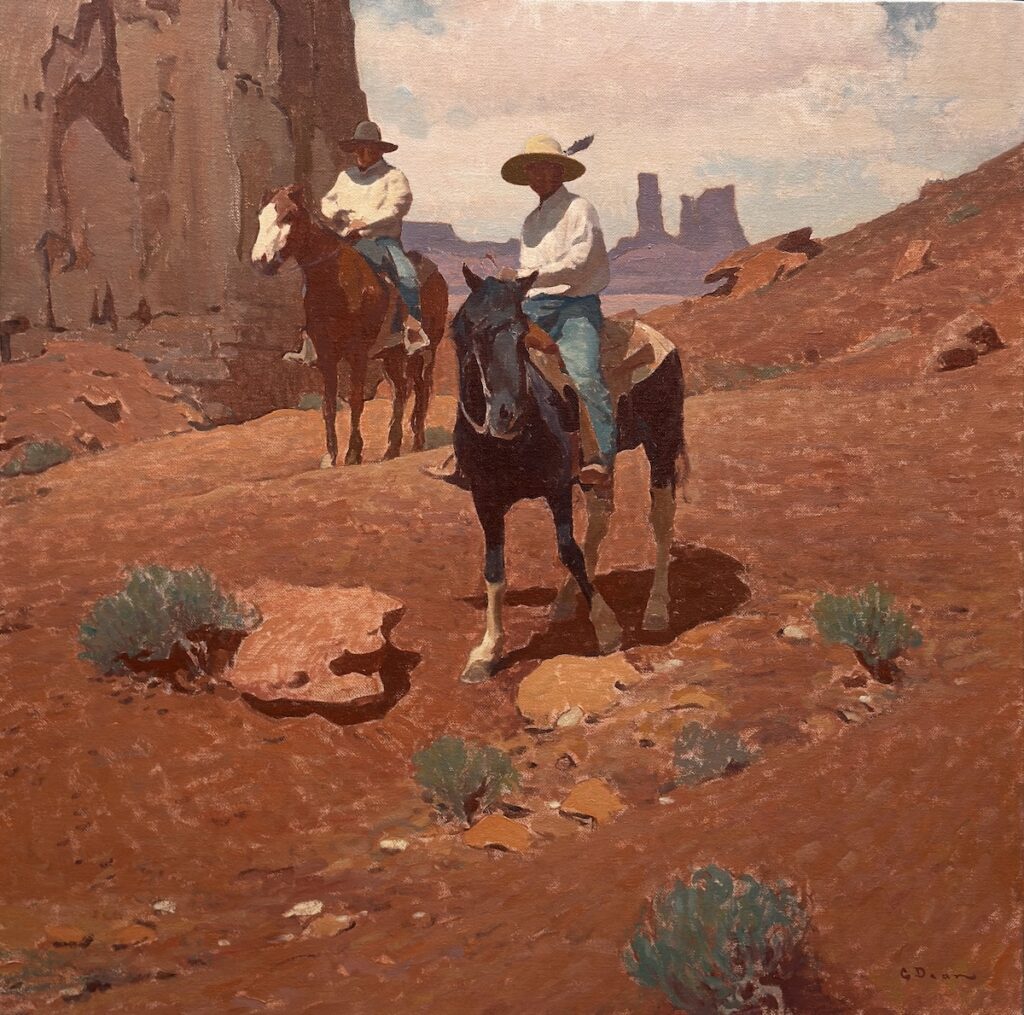
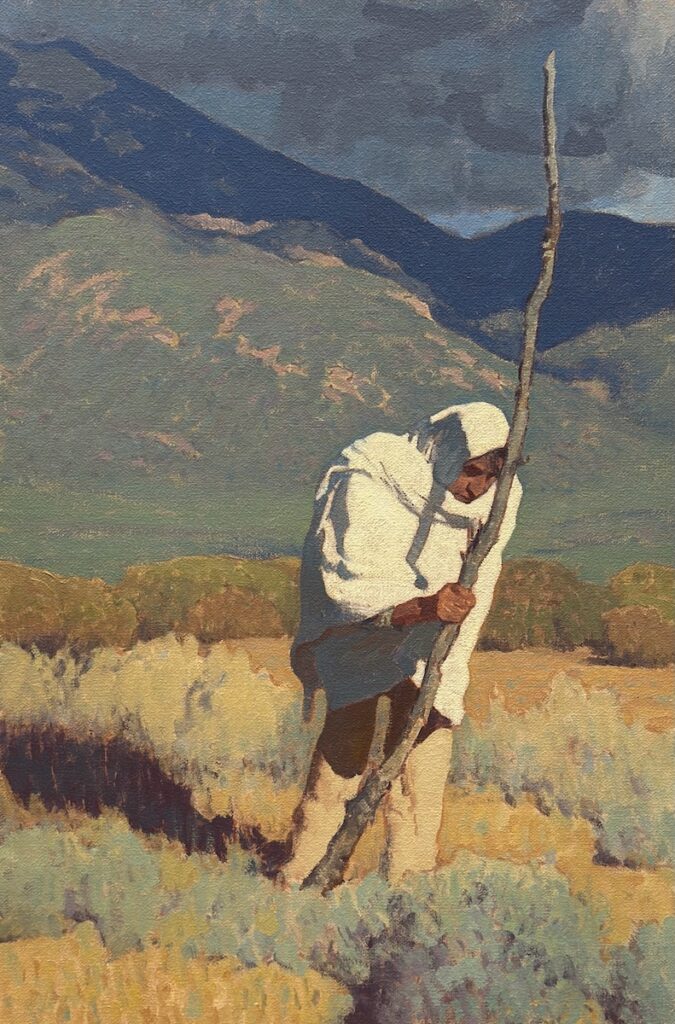
- Prominent pieces in the show include Brothers of the Valley (40×40 in.), Rooted (30×20 in.), and Convergence (36×36 in.).
- For inquiries, gallery-goers can contact the Maxwell Alexander Gallery at (213) 275-1060 or visit maxwellalexandergallery.com.
Chronology: A Lifelong Journey Through Southwestern Light
To understand the depth and maturity of Passages, one must look backward across the arc of Glenn Dean’s artistic evolution. Dean’s relationship with the rugged terrain of the American Southwest is not a recent professional endeavor; it is a vocation forged in his early twenties.
Introduced to plein air painting by his mother during his formative years, Dean experienced a paradigm shift in how he perceived the natural world. Plunging into the sprawling vistas, dramatic rock formations, and sweeping skies of the desert West left an indelible mark on his artistic consciousness.
- Early 20s: Dean is introduced to plein air painting by his mother, initiating a lifelong devotion to capturing the light, atmosphere, and topography of the Southwestern landscape.
- Decades of Fieldwork: Over the years, Dean transitions from traditional landscape studies to incorporating human figures into his compositions, recognizing that the history of the land cannot be separated from the generations of Indigenous and non-Native peoples who have called it home.
- The Genesis of Passages: The current body of work begins as a focused artistic exploration of Arizona’s dramatic Canyon de Chelly. As Dean works through the project, the scope organically expands into a broader celebration of the entire Western region.
- October 10–31, 2026: Passages officially debuts at the Maxwell Alexander Gallery, marking a major milestone in Dean’s career and a new chapter in his ongoing visual dialogue with the land.
Supporting Data and Artistic Analysis
At first glance, Glenn Dean’s canvases command attention through their masterful command of color, shadow, and light. However, closer inspection reveals a rigorous adherence to formal composition and emotional resonance. Rather than producing hyper-realistic, photographic reproductions of physical vistas, Dean creates complex visual narratives built upon sensory memory, atmosphere, and feeling.
The Anatomy of the Masterworks
- Brothers of the Valley (Oil, 40 x 40 inches): This large-scale square canvas exemplifies Dean’s architectural approach to composition. The monumental scale anchors the human figures firmly within the geography, creating a powerful sense of place and familial or cultural endurance.
- Rooted (Oil, 30 x 20 inches): A striking vertical composition that visually merges human anatomy with geological formations. In Rooted, the traveler’s posture mirrors the sharp angles of the surrounding mountains. Furthermore, the strong vertical line of a walking stick serves as a physical and symbolic extension of the traveler, seamlessly fusing flesh, bone, earth, and sky. The interplay of deep shadows and brilliant light adds profound depth and dramatic tension to the narrative.
- Convergence (Oil, 36 x 36 inches): Infused with a palpable, heady warmth, this painting envelops the viewer in an expansive theater of land and sky. The figures, facing away from the viewer, gaze upward into a lustrous, golden heaven punctuated by clouds stacked like ancient peaks. The piece invites quiet contemplation, merging the vibrations of the figures, their surroundings, and formal visual elements into a unified whole.
Official Responses and Curatorial Perspectives
The artistic weight of Passages has drawn high praise from gallery leadership and art critics alike. Beau Alexander, owner of the Maxwell Alexander Gallery, has expressed immense enthusiasm for mounting the exhibition, noting that Dean occupies a rarefied tier within contemporary art.
"Glenn is one of the most important contemporary Western regionalist artists," says Alexander. "His ability to minimize a scene to its most important elements and his talent to create such a true atmosphere without overworking the painting really sets him apart. Viewers will appreciate his storied use of color and atmosphere while also discovering fresh perspectives on the subject matter."
For his part, Glenn Dean views Passages as both a celebration of the collective human experience in the West and an introspective milestone in his own creative journey.
"While the subjects may differ," Dean reflects, "the underlying theme remains the same: humanity’s relationship with the land and our connection with the spiritual qualities of these landscapes of the West."
Elaborating on the title and origin of the exhibition, Dean adds:
"It’s about moving through landscapes that have shaped people for generations, and about the quiet, enduring connection between those places and the human spirit. It’s also about my personal passage on this journey as an artist."
Ultimately, Dean hopes his canvases will act as conduits for wonder, encouraging viewers to look beyond the surface level of the paint and recognize the profound responsibility embedded in our shared home.
"I hope these paintings leave viewers with a renewed sense of the grandeur of the world around us," Dean concludes, "and an appreciation for the extraordinary beauty we’ve been entrusted to care for."
Implications: The Evolution of Contemporary Western Art
The debut of Passages arrives at an important cultural juncture for contemporary Western art. For decades, the genre was often narrowly defined by romanticized, hyper-nostalgic tropes that treated the landscape as an empty stage waiting to be conquered. Painters like Glenn Dean are helping to redefine this paradigm by reframing the West as a relational space—one where humans do not dominate nature, but rather exist as an organic extension of it.
By placing cowboys, cowgirls, and Indigenous figures within these monumental spaces with equal reverence, Dean acknowledges the layered, complex histories that define the American terrain. His work speaks to a modern audience increasingly concerned with ecological mindfulness, historical continuity, and spiritual grounding.
As Passages opens its doors at the Maxwell Alexander Gallery this October, it offers more than just a visual feast of oil and pigment. It invites us to slow down, to step into the vast golden light of the Southwest, and to re-examine our own place within the enduring tapestries of land, history, and the human spirit.
This feature story originally appeared in the October/November 2026 print and digital issues of Southwest Art magazine. To explore more in-depth coverage of contemporary Western art, consider subscribing to the magazine today.
