

For millions of people worldwide, the day begins and ends with coffee. Brewing a cup at home rather than purchasing a daily takeaway is widely viewed as the more sustainable, budget-friendly, and responsible choice. Yet, a closer inspection of standard kitchen countertops reveals a jarring irony: even individuals who buy strictly organic beans, filter their water, and sip from ceramic mugs are often brewing their morning elixir through a labyrinth of heated plastic components.
As global awareness regarding microplastics and synthetic chemical leaching intensifies, consumers are taking a hard look at their everyday kitchen appliances. From non-toxic cookware and wooden cutting boards to silicone-free utensils, the movement to detoxify the modern kitchen has finally reached the most important morning appliance of all: the coffee maker.
The Core Facts: The Microplastic Crisis in Your Kitchen
Standard automatic coffee makers are engineered for convenience, speed, and cost-effectiveness. To achieve this, manufacturers heavily rely on plastics, including polypropylene and other synthetic polymers.
When boiling or near-boiling water travels through internal plastic tubing, liquid containers, spray nozzles, and filter baskets day after day, thermal degradation occurs. Repeated heating causes plastics—even those marketed as BPA-free—to subtly soften and break down. Over time, this process can leach synthetic compounds, plasticizers, and microscopic plastic particles directly into the liquid you consume.
- The Mechanism of Leaching: Heat is a primary catalyst for chemical migration. As water reaches temperatures near 200°F inside a plastic reservoir or tube, polymers degrade at a microscopic level.
- Cumulative Exposure: Because coffee is a daily ritual consumed over decades, intermittent low-level ingestion of synthetic compounds compounds into a significant cumulative exposure.
- The Environmental Counter-Productivity: Investing in premium, ethically sourced, organic coffee only to extract it through industrial-grade plastics undermines the health goals of the conscientious consumer.
Recognizing this hidden vector of exposure, a growing market of manufacturers is shifting back to inert, durable materials like borosilicate glass, stainless steel, and ceramic.
Chronology of the Shift: From Plastic Convenience to Conscious Craft
The evolution of the home coffee maker mirrors broader industrial manufacturing trends over the last century, tracking the transition from artisanal durability to mass-market disposable convenience.
Mid-20th Century: The Rise of Metal and Glass
In the decades following World War II, home coffee brewing relied heavily on stovetop percolators made of aluminum or stainless steel, manual drip systems, and glass vacuum pots. Durability was paramount, and appliances were built to last decades.
Late 20th Century: The Plastic Revolution
As consumer culture accelerated in the 1970s and 1980s, the mass-market introduction of the automatic drip machine revolutionized kitchens. Plastic became the dominant material due to its lightweight nature, low manufacturing cost, and safety relative to breakage. Speed and programmability overshadowed material purity.
The 2010s: The Specialty Coffee Renaissance
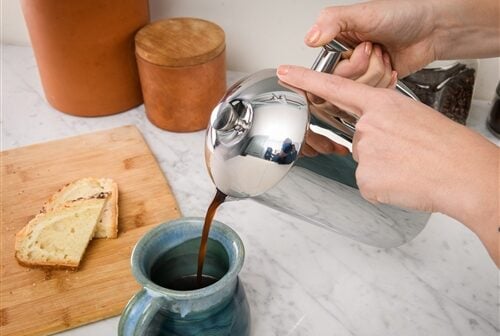
The third-wave coffee movement sparked renewed interest in craft brewing methods. Consumers rediscovered pour-over cones, artisanal French presses, and chemex systems, inadvertently reducing their reliance on plastic automated machines in favor of manual, inert-material brewing.
Present Day: The Demand for Automated Purity
Today, consumers are demanding the best of both worlds: the automated convenience of a traditional drip machine combined with the material safety of stainless steel and glass. Brands have responded by engineering high-end, low-plastic, and entirely plastic-free automated brewers that cater to health-conscious coffee aficionados.
Supporting Data: Evaluating the Market’s Best Low-Plastic and Plastic-Free Brewers
To help consumers navigate this emerging market, lifestyle and culinary experts have rigorously tested top-tier machines based on material quality, brewing performance, durability, ease of use, capacity, and overall value.
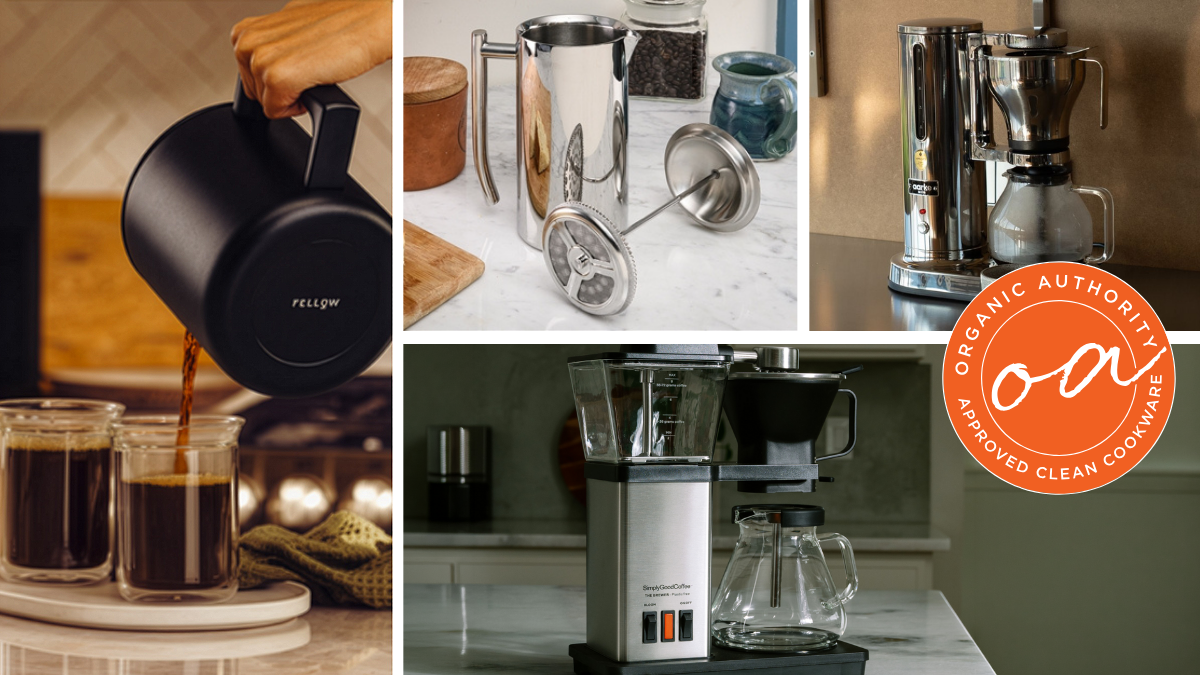
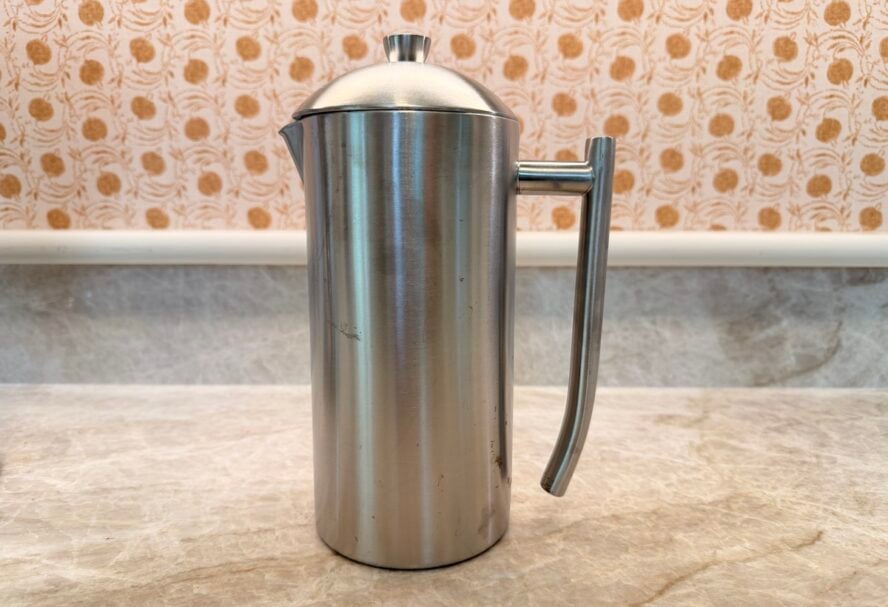
1. Frieling Brushed Stainless Steel French Press
For those prioritizing absolute material purity and indestructible durability, the classic French press remains unmatched.
- Materials: 100% double-wall stainless steel (carafe, plunger, and mesh filter). Zero plastic parts.
- Performance: Features exceptional thermal insulation, keeping coffee hot for up to an hour. It can also be placed in the refrigerator overnight for cold brew.
- Capacity Options: Available in 8 oz, 17 oz, 23 oz, 36 oz, and 44 oz sizes.
- Price Point: Approximately $89.95.
- Pros: Lifetime durability; no metallic taste transfer; fully dishwasher-safe; superior heat retention.
- Cons: Heavier than manual brewers; lacks visual indicators of brew strength during steeping.
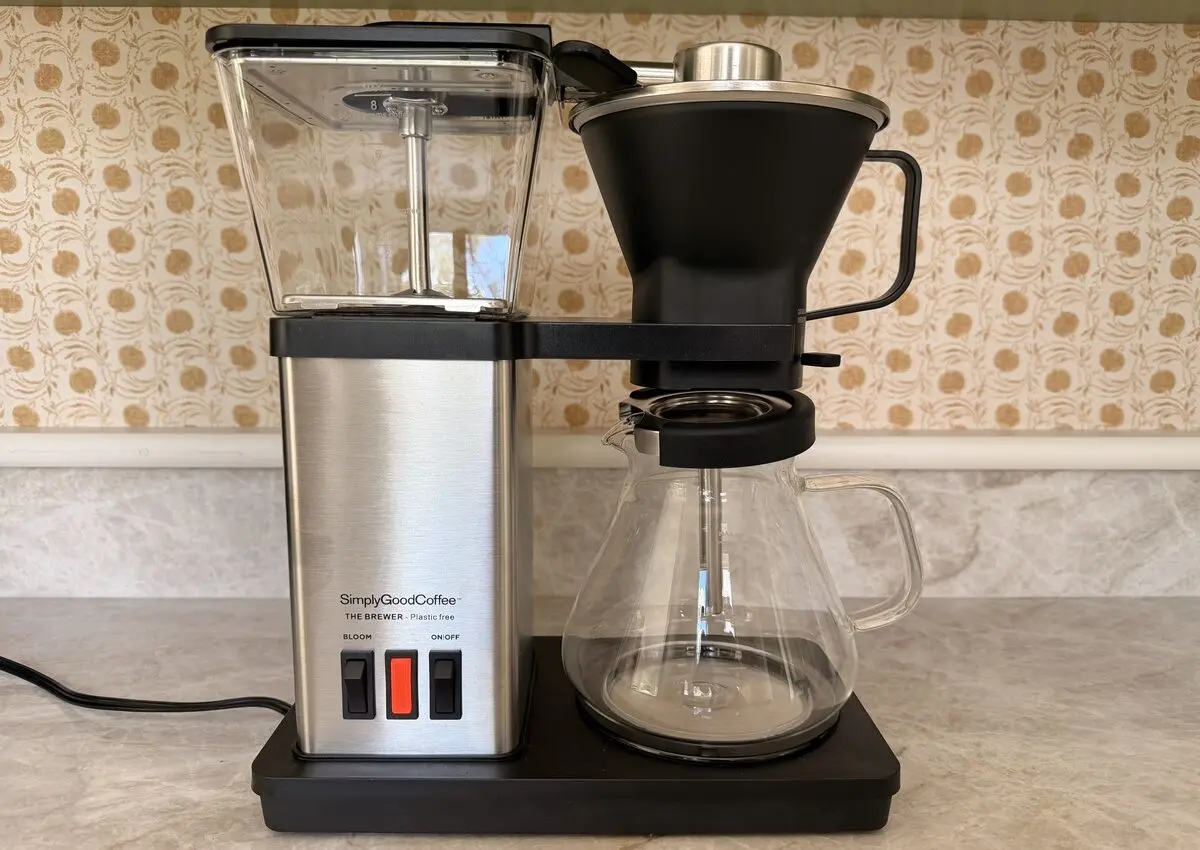
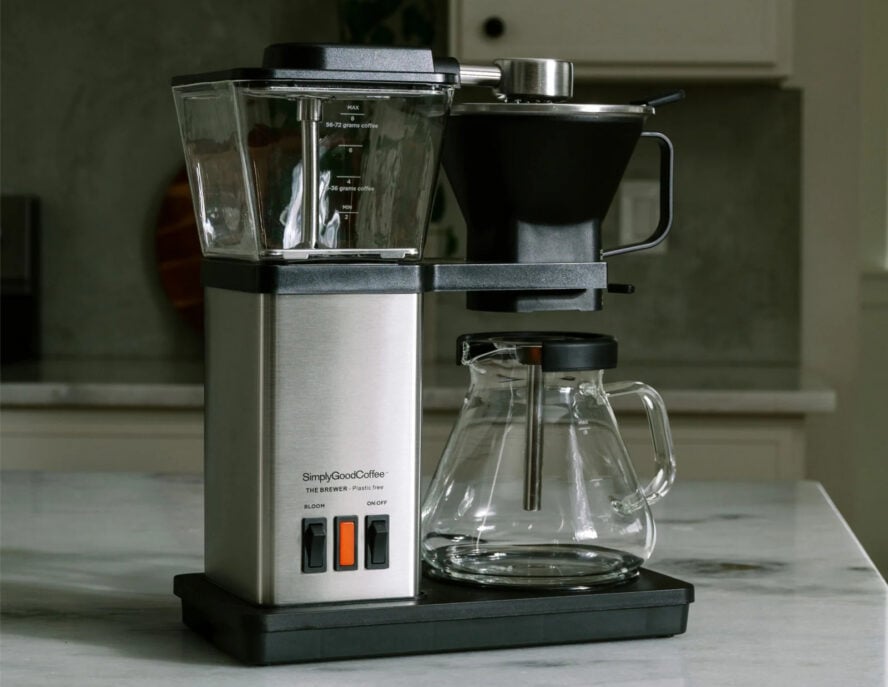
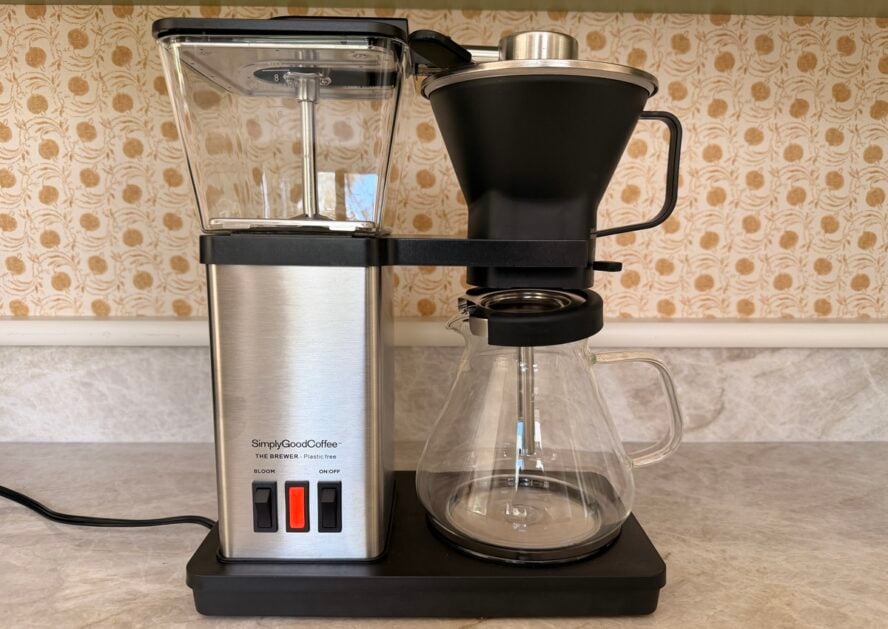
2. SimplyGoodCoffee The Brewer
A breakthrough product for consumers seeking fully automated drip coffee without the typical plastic compromises.
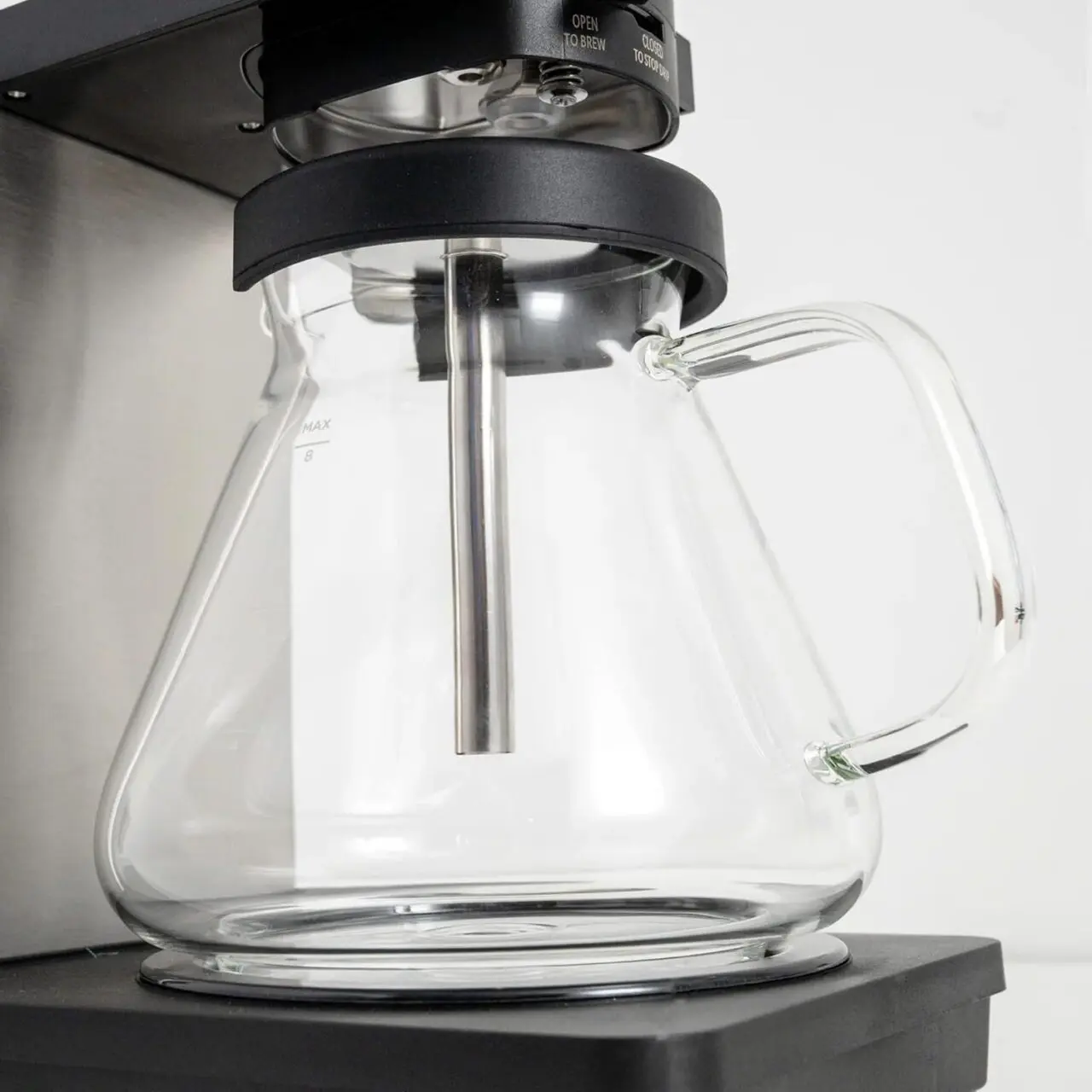
- Materials: Constructed entirely from stainless steel and borosilicate glass, utilizing a reusable metal filter. Zero plastic or aluminum contact with water or coffee.
- Performance: Employs an automatic pour-over mechanism with single-button operation, optimizing flavor extraction without burning the beans.
- Capacity: 8-cup capacity.
- Price Point: Approximately $479.99.
- Pros: Rare fully automatic plastic-free machine; dishwasher-safe removable parts; exceptionally clean taste profile.
- Cons: Premium price point; larger kitchen footprint compared to manual presses.
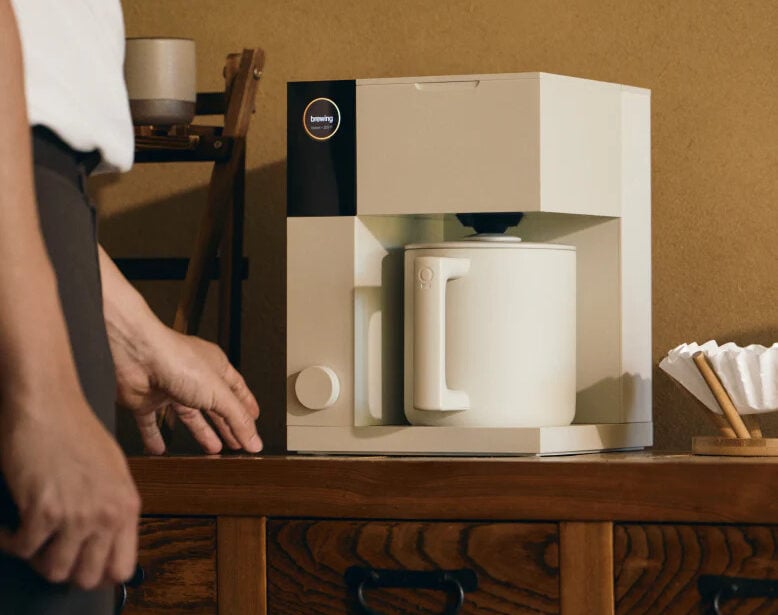
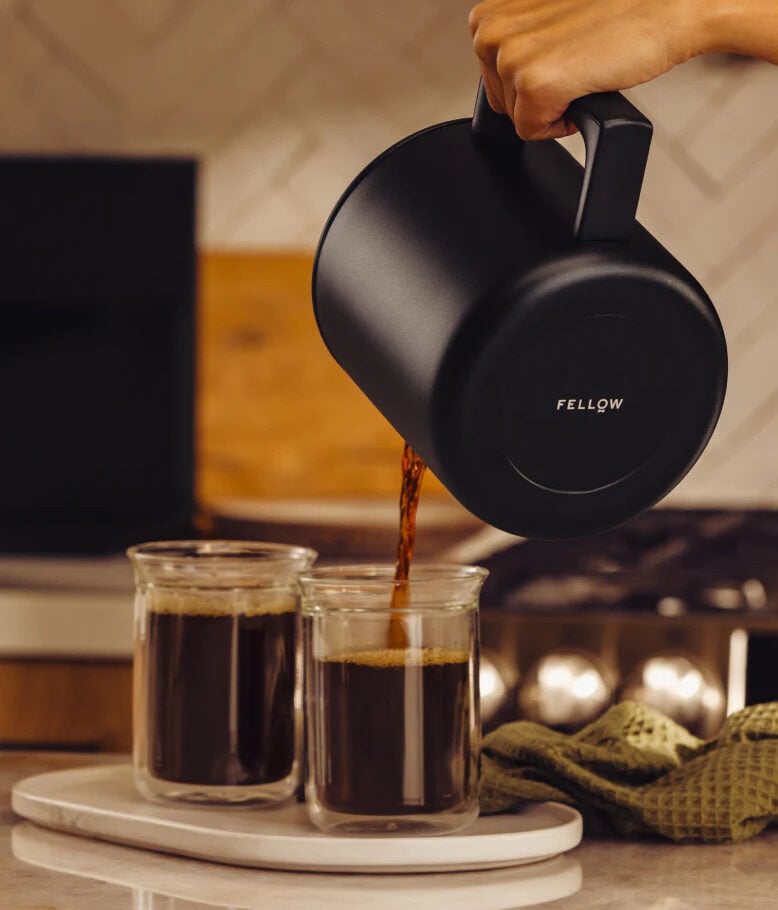
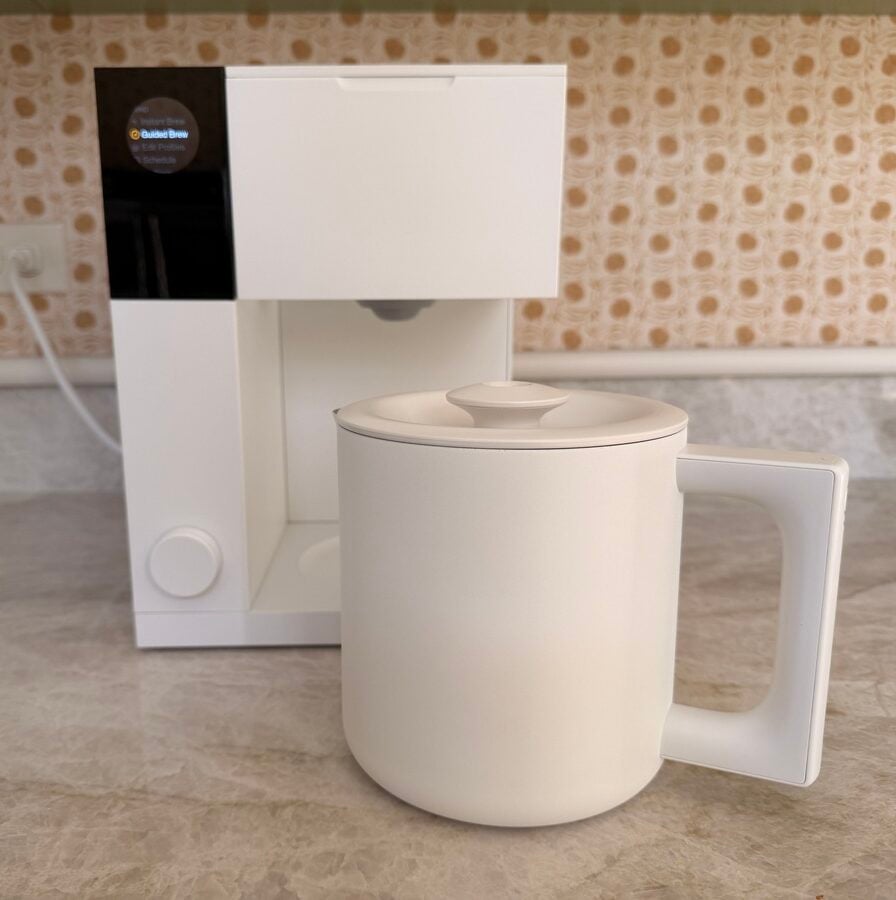
3. Fellow Aiden Precision Coffee Maker
Designed to bridge the gap between specialty pour-over flavor and high-tech automation.
- Materials: Features a double-walled stainless steel thermal carafe. Note: The integrated water tank utilizes BPA-free plastic, making this a low-plastic rather than a fully plastic-free option.
- Performance: Showers coffee grounds with pulsed hot water for optimal blooming and flavor extraction. Features a bright digital interface and companion app for scheduling and custom temperature control.
- Capacity: 10-cup capacity, with single-serve capabilities.
- Price Point: Approximately $399.95.
- Pros: Pour-over quality via automation; precise temperature and extraction control; batch and single-serve flexibility.
- Cons: Not entirely plastic-free; premium price; advanced features may exceed casual users’ needs.
4. Aarke Coffee Maker
An aesthetically striking machine that drastically minimizes plastic usage while delivering Scandinavian minimalist design.
- Materials: Built with heavy-duty stainless steel and a borosilicate glass brewing carafe. Minimizes plastic contact significantly compared to standard market alternatives.
- Performance: Maintains water between 197°F and 205°F for optimal extraction. Includes an optional blooming mode and a built-in descaling mode.
- Capacity: Up to 10 cups (2- to 10-cup flexible brewing).
- Price Point: Approximately $400.00.
- Pros: Exceptional temperature stability; rapid brewing (10 cups in under 6 minutes); smart warming plate or optional insulated stainless steel jug.
- Cons: Not completely plastic-free; higher price tier.
Comparative Analysis of Top Contenders
| Product | Brewing Style | Plastic Contact | Best Known For | Price |
|---|---|---|---|---|
| Frieling French Press | French Press | None | Lifetime durability & heat retention | $89.95 |
| SimplyGoodCoffee The Brewer | Pour-Over / Drip | None | Fully automatic plastic-free brewing | $479.99 |
| Fellow Aiden Precision | Automatic Drip | Minimal | Precision brewing & customization | $399.95 |
| Aarke Coffee Maker | Automatic Drip | Minimal | Scandinavian design & SCA-certified brewing | $400.00 |
Industry and Expert Responses
Culinary professionals, material scientists, and health advocates have increasingly voiced concerns over the presence of unregulated synthetic compounds in food-contact appliances.
Dr. Elena Vance, a material chemist specializing in polymer degradation, notes: "When consumers evaluate kitchen safety, they often focus strictly on food ingredients while ignoring the thermal stress placed on household appliances. Heating plastics repeatedly accelerates the release of oligomers and microparticulates. Transitioning to inert alternatives like glass and stainless steel is a scientifically sound step toward reducing endocrine disruptor exposure."
Coffee industry veterans also emphasize that material purity directly correlates with taste. Specialty roasters frequently advocate for glass and metal brewers because inert materials do not absorb coffee oils or impart synthetic odors, ensuring a truer, cleaner expression of the bean’s origin notes.
Implications: Making the Switch for Health and Sustainability
Choosing a plastic-free or low-plastic coffee maker carries broad implications for both personal wellness and environmental stewardship.
Health Implications
By eliminating hot-water contact with synthetic polymers, households immediately remove a daily, repetitive source of microplastic ingestion. For individuals managing chronic health conditions, endocrine sensitivities, or striving to lower their overall toxic load, this kitchen upgrade is an impactful preventive measure.
Environmental and Economic Implications
While machines like SimplyGoodCoffee The Brewer or the Aarke Coffee Maker require a higher upfront investment than standard budget appliances, their durability alters the consumption cycle. Cheap plastic coffee makers frequently fail after a few years, contributing to the global e-waste crisis. In contrast, stainless steel French presses and premium metal-and-glass drip machines are engineered to last decades—often outliving their owners.
Conclusion: A Cleaner Cup Awaits
The morning coffee ritual should be a restorative experience, free from hidden compromises. Whether you choose the timeless simplicity of a manual stainless steel French press or invest in a cutting-edge, low-plastic automatic brewer, abandoning the plastic-heavy status quo yields immediate dividends in flavor, longevity, and peace of mind. A cleaner, more authentic cup of coffee truly starts with the right equipment.
