


By Investigative Health & Environment Desk
Published in partnership with agricultural and toxicological science reviews
For decades, the central defense of the agricultural chemical industry has rested on a foundational maxim of toxicology, originally coined by the 16th-century physician Paracelsus: The dose makes the poison.
For generations, chemical manufacturers, regulatory bodies, and agribusiness giants have argued that spraying American cropland, neighborhood parks, and domestic gardens with toxic pesticides does not warrant a ban. Their rationale? While these substances might be hazardous in massive, concentrated quantities, trace-level or low-dose exposure is simply not harmful enough to cause systemic human damage.
A landmark new study published in the Annals of Global Health has systematically dismantled that decades-old defense.
The research reveals that several commonly used agricultural chemicals—most notably the ubiquitous weedkiller glyphosate—can induce significant genetic damage in human cells, even at shockingly low levels of exposure. The findings challenge the very premise of modern chemical regulation, suggesting that when it comes to human DNA, a “safe” threshold of pesticide exposure may be an illusion.
Main Facts: What the New Study Discovered
The study, spearheaded by an international team of researchers, set out to evaluate the real-world dangers of low-dose pesticide exposure. Rather than picking chemicals at random, the investigators tested ten high-priority agricultural pesticides. These substances were flagged based on extensive prior research conducted by the European Union, which had scrutinized more than 200 different commercial agrochemicals.
The results of the Annals of Global Health evaluation are both sobering and alarming:
- High Toxicity Rates: A staggering 80% of the chemicals tested were found to cause genetic damage or structural alterations to human DNA.
- Approved for Use: Every single one of the eight toxic chemicals identified in the study is currently registered and actively used within the United States agricultural sector.
- Uncharted Threats: For certain substances, such as the fungicides and insecticides cyprodinil and deltamethrin, this study marks the very first documented evidence of potential cellular damage.
- Glyphosate at Trace Levels: In evaluations specifically targeting glyphosate—the active ingredient in Bayer’s Roundup—researchers observed measurable cell and DNA damage at extremely minute doses. This strongly indicates that human exposure carries biological risks even at levels previously deemed negligible by regulatory bodies.
“Low-dose testing in toxicology is fundamental,” said senior study author Daniele Mandrioli, a prominent researcher and the secretary general of the independent scientific organization Collegium Ramazzini. “Often, the effects of low doses are underestimated simply because they are not studied.”
Chronology: The Escalating Battle Over Glyphosate and Regulation
To understand the weight of this new scientific finding, it is essential to trace the history of glyphosate, its rise to agricultural dominance, and the legal and regulatory war zone surrounding it.
1974–2000s: The Rise of Roundup
Brought to market by Monsanto (which was later acquired by pharmaceutical and agricultural giant Bayer in 2018), glyphosate was introduced in 1974 under the brand name Roundup. It revolutionized global agriculture, particularly in the mid-1990s with the introduction of "Roundup Ready" genetically modified crops—plants engineered to survive direct dousing with the herbicide while weeds perished. It quickly became the most widely used weedkiller in human history, utilized not only on vast corporate farms but also in residential gardens, schoolyards, and municipal parks.
March 2015: The WHO Classification
A critical turning point occurred when the International Agency for Research on Cancer (IARC), an arm of the World Health Organization (WHO), formally classified glyphosate as a “probable human carcinogen.” This designation opened the floodgates for public scrutiny, independent scientific inquiry, and legal action against manufacturers, putting the safety profile of the world’s top herbicide under an international microscope.
2019–2024: The Legal Tsunami
As independent studies piled up linking chronic exposure to non-Hodgkin’s lymphoma and other severe health conditions, affected individuals began filing lawsuits in droves.
One prominent early case involved John Durnell, a Missouri gardener who sued Monsanto in 2019. Durnell alleged that decades of using Roundup without proper safety warnings caused him to develop non-Hodgkin’s lymphoma. A state jury initially ruled in Durnell’s favor, awarding him $1.25 million in damages. Across the United States, tens of thousands of similar plaintiffs came forward, culminating in a sprawling legal crisis for Bayer that involved roughly 65,000 active lawsuits by mid-2026.
June 2026: The Supreme Court Intervention
The legal landscape shifted dramatically when the U.S. Supreme Court overturned lower-court rulings in a major win for Bayer. The high court ruled that federal law preempts state-level failure-to-warn claims—meaning individual states do not have the legal authority to enforce product labeling regulations that go beyond federal pesticide standards overseen by the Environmental Protection Agency (EPA). According to analyses by Farm Progress, this sweeping decision threatens to dismiss tens of thousands of pending state-level lawsuits against Bayer, shielding the corporation from local liabilities even as scientific consensus regarding the chemical’s cellular toxicity deepens.
Supporting Data: The Science of Low-Dose Exposure
The debate over agricultural chemicals has long hinged on how regulatory agencies calculate risk. Historically, agencies like the EPA established "Acceptable Daily Intakes" (ADIs) and "No Observed Adverse Effect Levels" (NOAELs) based on high-dose animal studies, assuming that linear models applied—meaning if a high dose causes tumors, a millionth of that dose causes a millionth of the risk, effectively dropping to zero.
The Annals of Global Health study shatters this comforting assumption by highlighting the complex reality of endocrine disruptors and genotoxic agents.
- Non-Linear Endocrine Activity: Many modern pesticides act as endocrine-disrupting chemicals (EDCs). Unlike traditional toxins, EDCs often do not follow a linear dose-response curve. In biological systems, low doses can sometimes trigger more profound hormonal confusion or cellular disruption than high doses, because the body’s receptors become hyper-sensitive or overwhelmed in unexpected ways.
- Cumulative Exposure: Consumers are rarely exposed to just one pesticide at a time. Through diet, drinking water, and ambient drift from agricultural spraying, humans routinely ingest a "cocktail" of multiple low-dose chemicals simultaneously. The new study underscores that even if an individual chemical sits below its legally mandated "safe" limit, its combined synergistic effect with other residues can yield catastrophic genotoxic outcomes.
- Widespread Dietary Traces: Independent testing of consumer goods—including grain products, breakfast cereals, and even organic options contaminated by drift—consistently finds detectable levels of glyphosate and other residues. When studies like Mandrioli’s show that cell damage occurs at these exact microscopic thresholds, the implications for public health shift from a localized occupational concern to a universal population-wide exposure issue.
Official Responses: Industry Defense Versus Scientific Alarm
The reaction to the convergence of new toxicological data and ongoing legal battles highlights a stark divide between the agricultural biotechnology sector and independent public health advocates.
The Corporate and Regulatory Stance
Bayer and other major agrochemical manufacturers have consistently maintained that glyphosate and its peer compounds are safe when used in accordance with label instructions. Following favorable legal developments, such as the 2026 Supreme Court ruling, industry representatives have doubled down on the argument that decades of regulatory reviews by the EPA and international counterparts validate the products’ safety profile.

Industry advocates emphasize that feeding a growing global population requires advanced crop protection tools and that banning or heavily restricting these chemicals would devastate agricultural yields, drive up food costs, and force farmers to adopt less efficient, more labor-intensive weed management practices.
The Independent Scientific Community
Conversely, independent toxicologists, oncologists, and environmental health organizations view the industry’s reliance on outdated regulatory approvals as a public health failure.
"For too long, safety thresholds have been calculated based on what is convenient for industrial agriculture rather than what is observable under rigorous, modern low-dose testing," notes Dr. Elena Vance, an independent toxicologist not affiliated with the Annals of Global Health study. "When 80% of prioritized pesticides demonstrate genotoxicity, and when foundational chemicals like glyphosate show cellular disruption at trace levels, regulatory agencies can no longer hide behind outdated assumptions."
Public health organizations are increasingly calling for a comprehensive overhaul of pesticide registration processes, urging authorities to prioritize independent, peer-reviewed low-dose and multi-chemical mixture studies over industry-funded safety dossiers.
Implications: What This Means for Farmers, Consumers, and Policy
The revelation that common agricultural chemicals damage human DNA at low doses carries profound implications across multiple facets of society:
1. Occupational Safety for Farmers and Gardeners
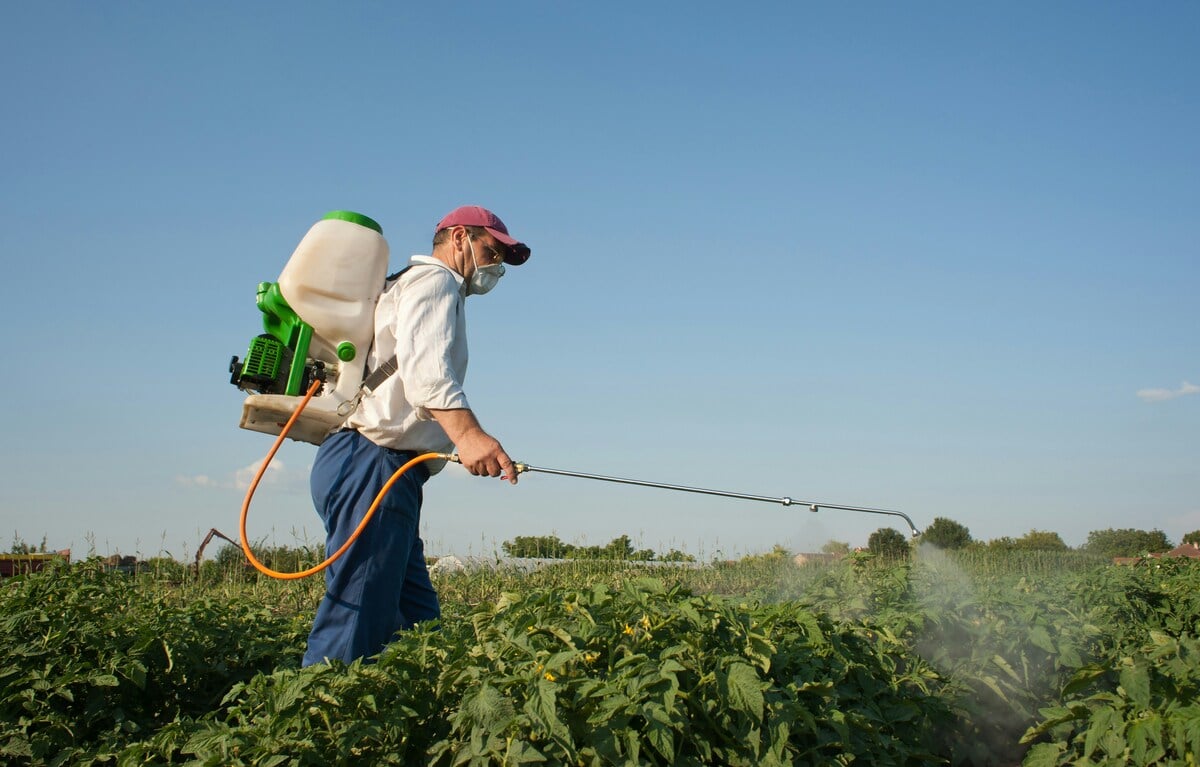
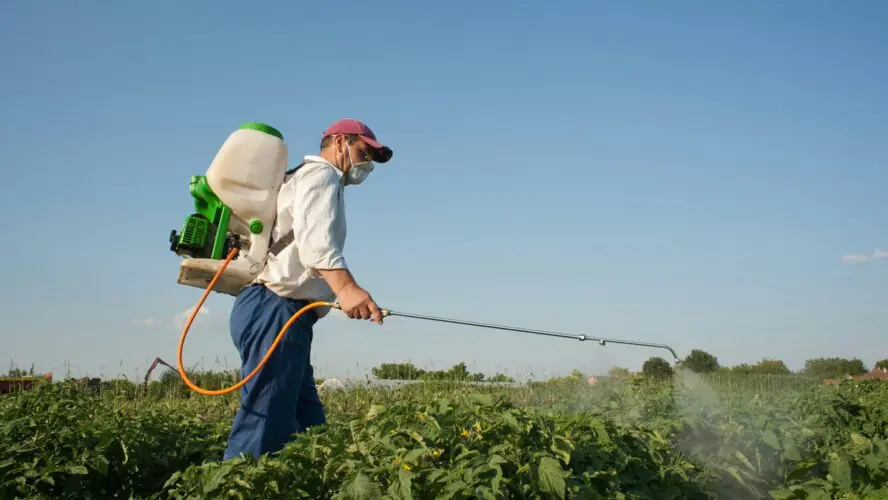
Agricultural workers, landscapers, and home gardeners remain on the front lines of exposure. Historically, protective equipment guidelines have assumed that casual contact or low-level drift is largely harmless. If trace exposures are genuinely genotoxic, occupational safety standards must be radically reassessed. Farmworkers face chronic, multi-decade exposure risks that go far beyond occasional dietary ingestion, placing them at heightened risk for blood cancers, neurological disorders, and reproductive complications.

2. The Future of Food Policy and Organic Agriculture
As consumers grow increasingly aware of the ubiquity of pesticide residues in the food supply, demand for organic produce and regenerative agriculture practices is poised to surge. However, organic farming alone cannot insulate the public from environmental drift and contaminated watersheds. Policymakers face mounting pressure to transition away from chemical-dependent farming models in favor of integrated pest management (IPM), biological controls, and regenerative practices that protect soil health without compromising human cellular integrity.
3. Judicial Accountability vs. Scientific Reality
The recent legal victories for chemical manufacturers—culminating in the Supreme Court’s preemption ruling—highlight a dangerous disconnect between the American legal system and evolving medical science. While courts may rule that federal labeling laws shield corporations from state-level lawsuits, biology does not care about legal preemption. Cellular mutations, genetic damage, and cancer cell proliferation proceed independently of statutory loopholes. This tension suggests that future battles will likely shift from state tort courtrooms to federal legislative halls and EPA administrative petitions.
Conclusion
The findings published in the Annals of Global Health mark a critical turning point in our understanding of environmental toxicology. By proving that common pesticides like glyphosate can induce genetic damage at minute, trace-level exposures, the study exposes the fundamental flaw in the "safe dose" narrative that has protected the agrochemical industry for half a century.
As the scientific community continues to unveil the hidden biological costs of industrial farming, the onus falls on policymakers, regulatory bodies, and society at large to confront an uncomfortable truth: in the realm of human health and genetics, there may no longer be any such thing as a safe dose.
