

By Lizzy Briskin
Published by Organic Authority
You do not have to be a certified tea sommelier to appreciate the vast difference between a properly steeped cup of tea and one ruined by scalding or tepid water. The distinction is unmistakable on the palate. Expose delicate green tea leaves to water at a rolling boil, and the resulting brew quickly turns bitter, astringent, and acidic. Conversely, fail to bring black tea to at least 200 degrees Fahrenheit, and you are left with a flat, flavorless, and disappointing cup.
For decades, the standard kitchen kettle operated on a simple binary: on or off, boiling or cold. But as consumer awareness surrounding material safety, culinary precision, and wellness continues to evolve, the tools we use in the kitchen are undergoing a quiet renaissance. The modern tea kettle is no longer just a vessel for boiling water; it is a precision instrument designed to unlock the full aromatic and chemical potential of your favorite loose-leaf blends.
Following extensive hands-on testing of top-tier models across the market—ranging from minimalist stovetop art pieces to fully automated digital machines—the landscape of home tea preparation has never looked more sophisticated. Whether you are upgrading your own morning ritual or hunting for the ultimate gift for a gadget-loving friend, understanding the mechanics of water temperature, material safety, and design engineering is essential before making your next investment.
The Core Facts: Why Water Temperature is the Secret Variable in Tea
To the uninitiated, brewing tea appears deceptively simple: boil water, drop in a bag or infuser, and let it steep. In reality, tea brewing is a delicate chemistry experiment. The exact water temperature dictates the extraction rate of specific flavor compounds, known as catechins, tannins, and amino acids, each of which responds differently to thermal energy.
Delicate varieties, such as white and green teas, require much lower brewing temperatures—typically between 160°F and 185°F—to preserve their subtle, grassy sweetness and complex aromatics. When these tender leaves encounter boiling water (212°F), their structural integrity breaks down aggressively, releasing an excess of bitter tannins within seconds. On the other end of the spectrum, robust black, oolong, and herbal teas demand near-boiling or fully rolling water to unlock their deep, dark flavor profiles and therapeutic properties.
With a traditional, single-mode kettle, the home brewer faces a frustrating dilemma. You either race to catch the water at an arbitrary sub-boiling temperature using a manual kitchen thermometer, or you boil the water completely and wait impatiently for it to cool down to an acceptable range. Precision temperature kettles eliminate this guesswork entirely, allowing users to dial in exact thermal targets down to the degree.
Chronology of the Kettle: From Basic Stovetop to Automated Precision
The evolution of the tea kettle tracks parallel to the broader history of home kitchen automation. For generations, humanity relied entirely on metal stovetop kettles. These devices served a singular purpose: conducting heat from an open flame, electric coil, or induction cooktop to water, signaling completion via a mechanical steam whistle. While reliable and virtually indestructible, they offered zero thermal control.
As electricity became ubiquitous in the 20th century, the first generation of electric kettles emerged, speeding up boil times by housing heating elements directly within the appliance base or floor. However, these early electric iterations maintained the same binary limitation as their stovetop ancestors: they simply heated water until it boiled, then automatically shut off.
It wasn’t until the late 2010s and early 2020s that manufacturers began catering directly to specialty coffee enthusiasts and tea connoisseurs. The introduction of variable temperature digital controls transformed kettles from blunt heating instruments into smart appliances. Today, the market features advanced ecosystems—ranging from ceramic-coated stovetop showpieces to automated, self-lowering glass tea makers—that dictate not only the temperature of the water, but the precise duration of the steeping process itself.
Supporting Data: Material Safety and the Hidden Dangers of Plastic
Because water spends relatively little time inside a kettle, consumers rarely scrutinize the materials composing their appliances. However, recent scientific findings suggest that the materials in direct contact with boiling water warrant serious consideration, particularly regarding synthetic polymers.
Many budget-friendly electric kettles incorporate plastic components within their internal water filters, inner lids, spout linings, and structural bodies. Every time water is brought to a boil, thermal stress accelerates the potential leaching of synthetic compounds. This is especially true for older, scratched, or non-food-grade plastics.
The presence of microplastics in global drinking water supplies is well-documented. Emerging scientific research highlights that high-heat environments—such as boiling water repeatedly inside plastic-lined electric kettles—can accelerate the shedding and release of micro- and nanoplastic particles directly into the beverage.
Furthermore, interior materials significantly influence taste. Plastic components can impart a distinct chemical off-flavor, particularly during an appliance’s first few uses. While glass and stainless steel offer far more neutral flavor profiles, health-conscious consumers must still prioritize robust, non-toxic construction across both electric and stovetop categories to ensure lifelong safety.
Evaluated Models: The Best Tea Kettles on the Market Today
Based on rigorous testing criteria encompassing material safety, temperature accuracy, ease of use, capacity, speed, and overall value, four standout models lead the industry.
1. Caraway Tea Kettle (Best Non-Toxic Option & Best Whistle)
- Type: Stovetop
- Price: $195 (Use code
10organicauthorityfor 10% off) - Overall Rating: 4.1 / 5
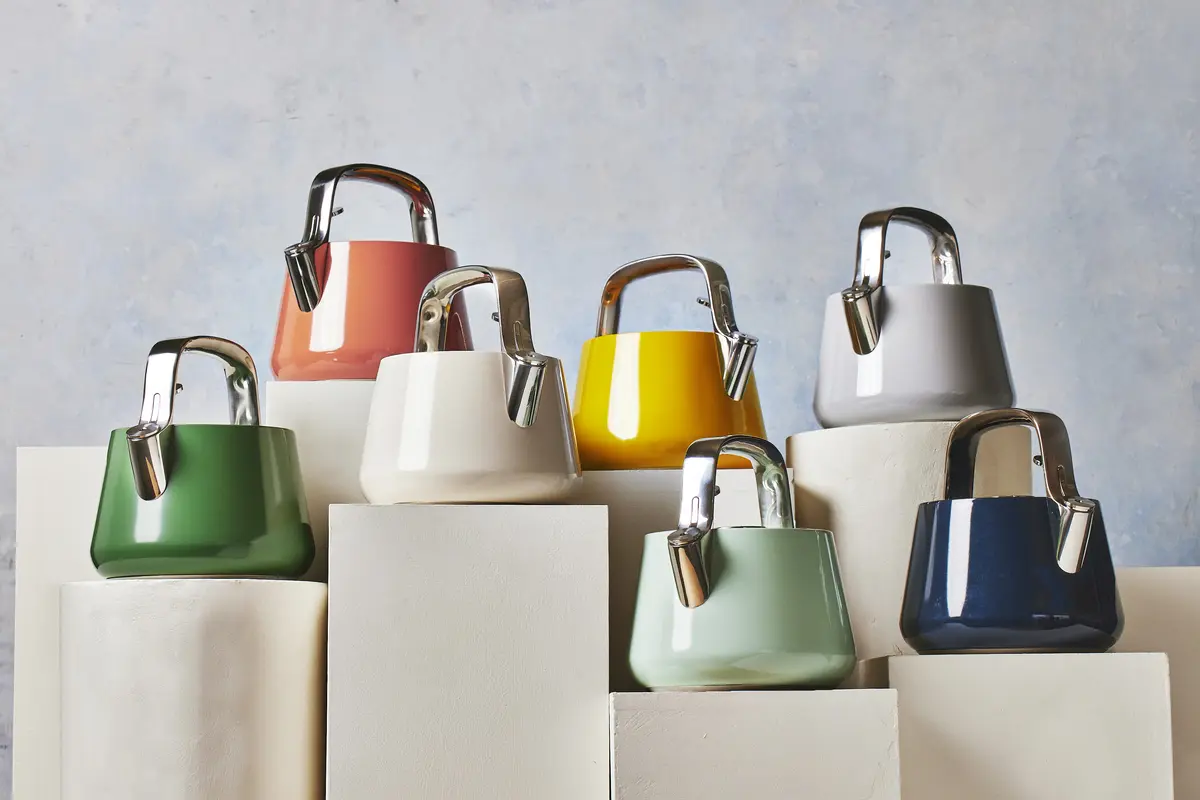
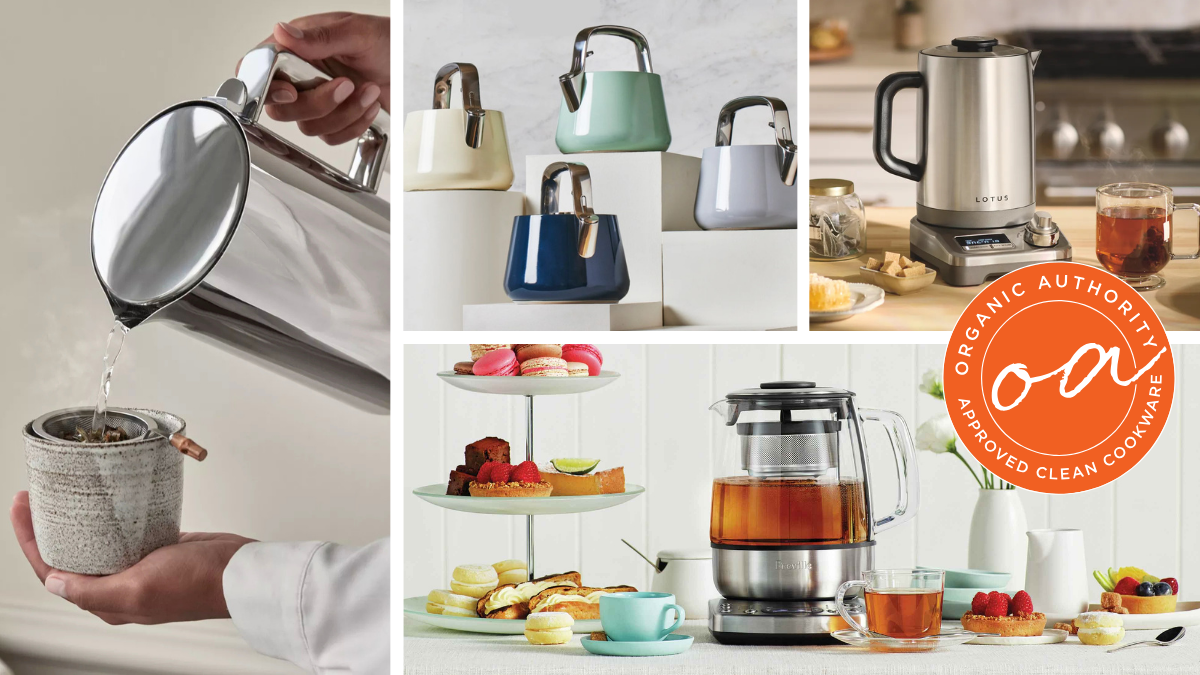
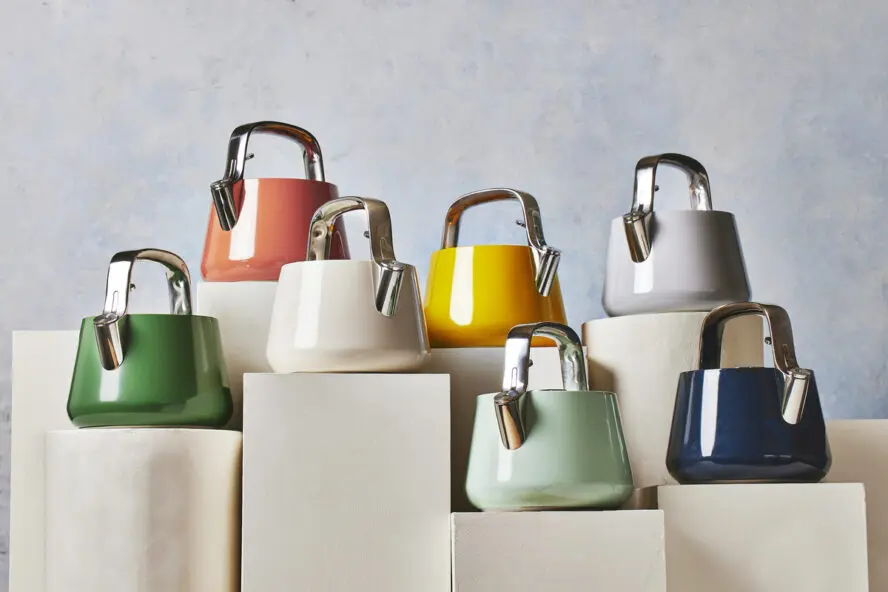
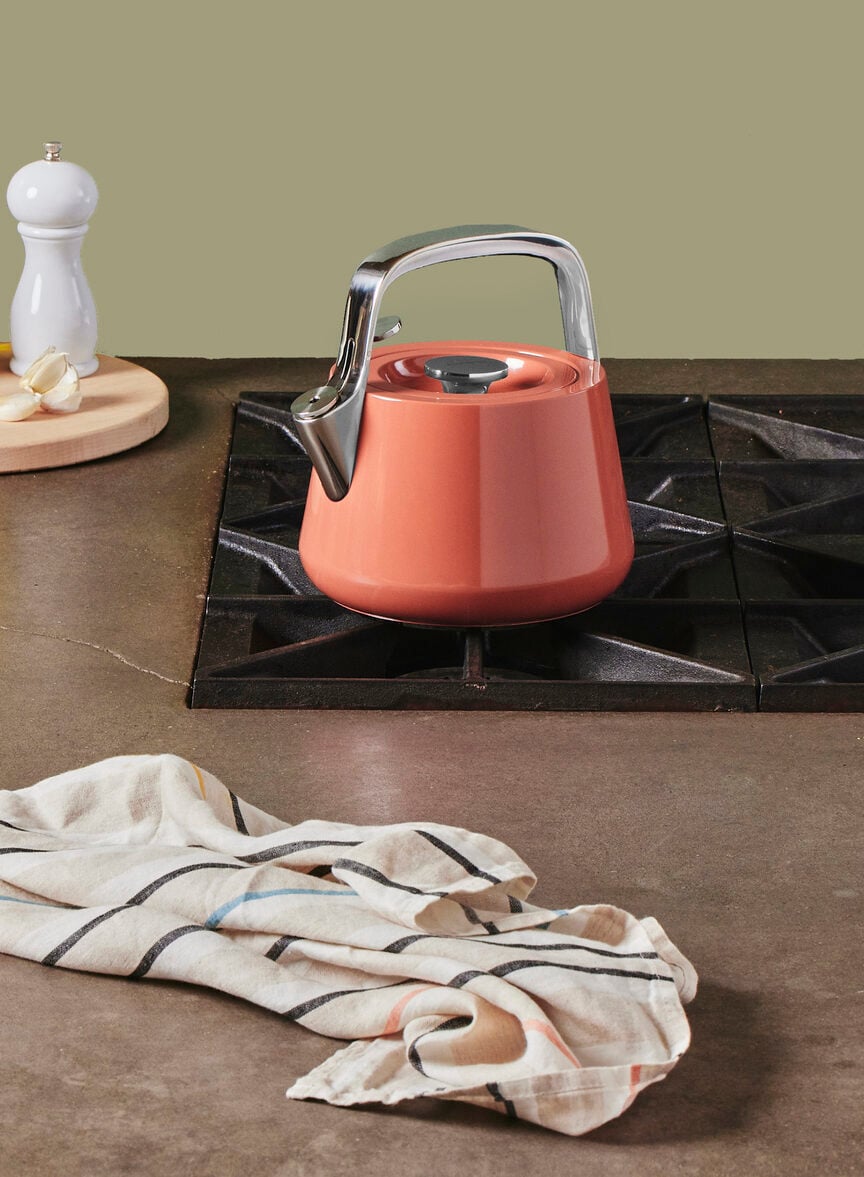
For those uninterested in digital displays and complex settings, the Caraway Tea Kettle is a masterclass in functional minimalism. Sporting a fully stainless steel interior coated with a non-toxic ceramic finish, this stovetop piece guarantees that your water never touches exposed plastic, PFAS, PTFE, or PFOA. Compatible with all cooktops (including induction), it comes in nine sophisticated colorways ranging from classic cream to bold marigold. When the water reaches a rolling boil, it emits a gentle, single-tone whistle that alerts the household without causing a startle. Its generous two-quart capacity easily handles up to eight cups of tea—or doubles as a rapid-boil vessel for pasta water.
2. Lotus Purist Precision Temperature Kettle (Best for Pro Tea Drinkers)
- Type: Electric
- Price: $299.95
- Overall Rating: 4.6 / 5
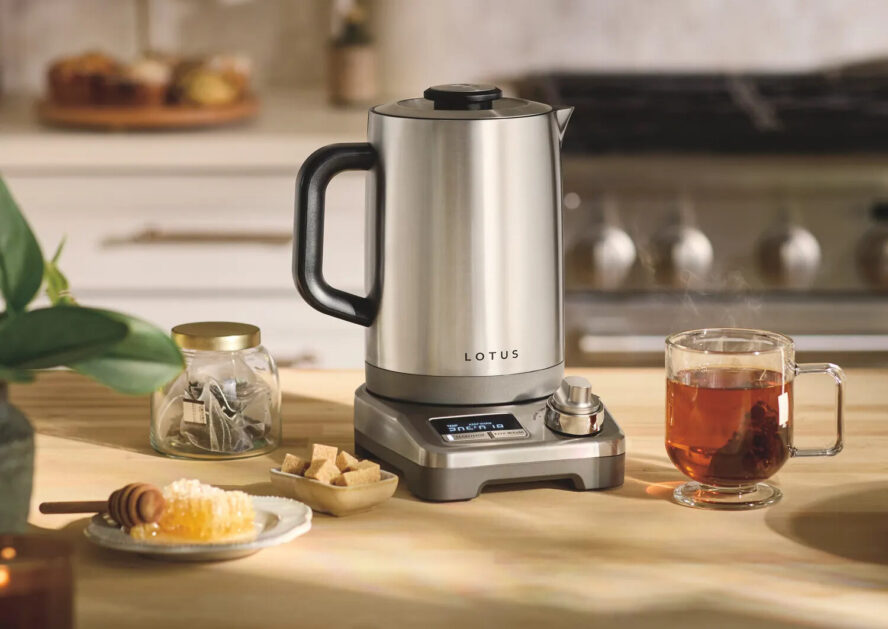
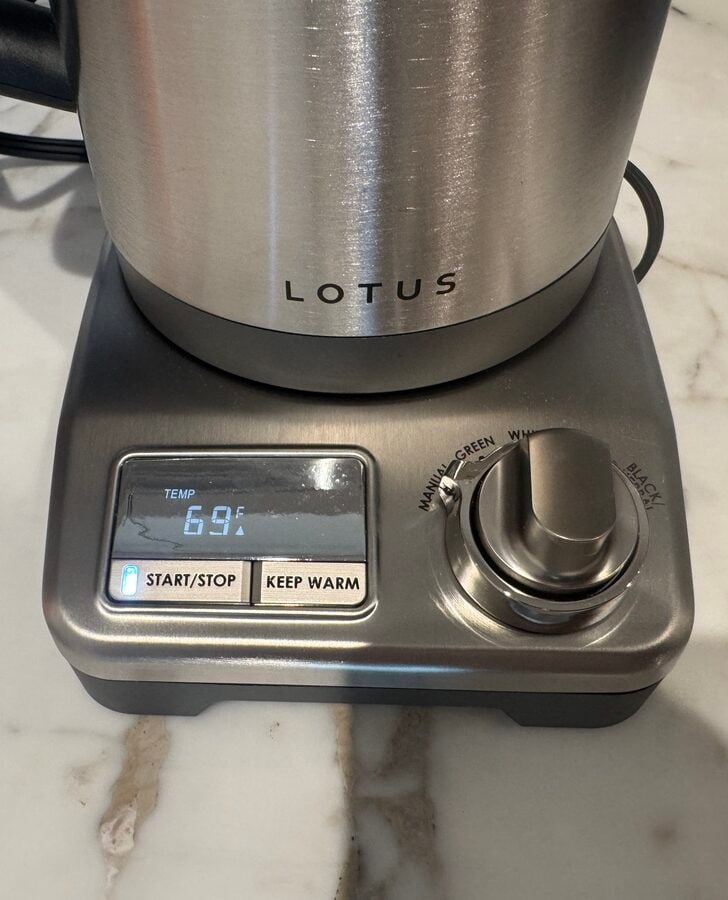
Representing a massive leap forward in digital precision, the Lotus kettle balances advanced functionality with intuitive design. It features dedicated preset programs tailored for green, white, oolong, and black or herbal teas, alongside a manual variable control range from 95°F to 212°F. Its double-walled stainless steel carafe maintains internal heat while keeping the exterior cool to the touch. A "Keep Warm" mode preserves your target temperature over extended periods, while safety features include an auto-shutoff mechanism activated by low water levels. The fully detachable lid makes manual interior scrubbing effortless.
3. Breville Tea Maker (Best Full Automation)
- Type: Electric Tea Maker
- Price: $329.95
- Overall Rating: 4.4 / 5
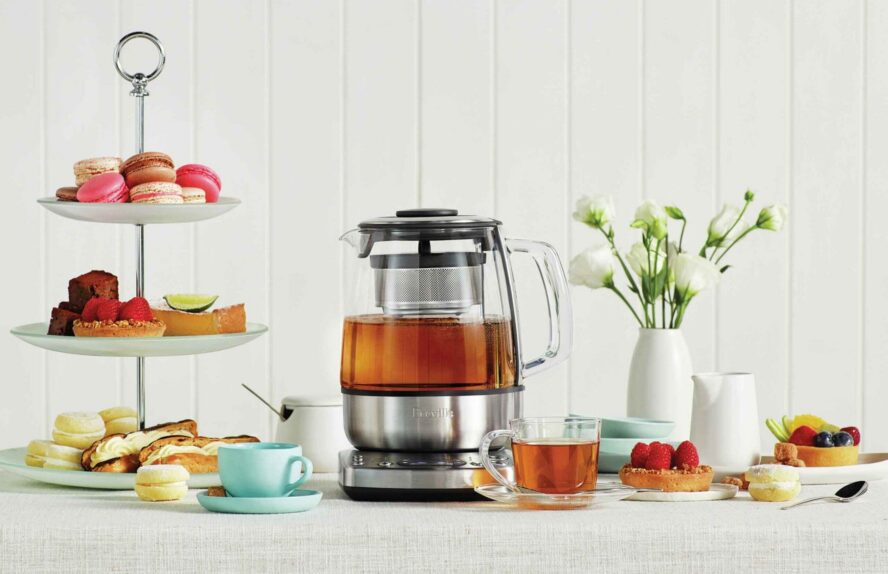
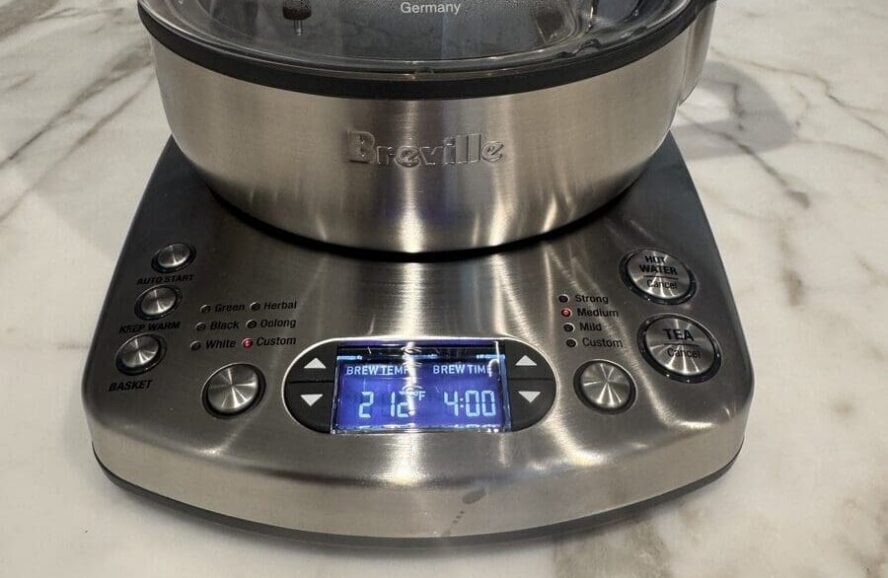
For the dedicated daily tea drinker, the Breville Tea Maker is the pinnacle of kitchen efficiency. This sophisticated machine heats water and actively brews loose-leaf tea directly within its heat-resistant glass pitcher via a motorized, removable tea basket. Users simply load their leaves, select a tea-specific preset, and let the machine handle the rest. Once optimal steeping time is reached, the basket automatically elevates the leaves out of the water, entirely eliminating accidental oversteeping and bitterness. While it commands a premium price tag and occupies a larger counter footprint, its automated convenience and mesmerizing visual display of unfolding leaves are unmatched.
4. Aarke Kettle (Best Overall Design)
- Type: Electric
- Price: $250
- Overall Rating: 4 / 5
Marrying Scandinavian industrial design with everyday utility, the Aarke Kettle bridges the gap between basic boiling and granular temperature control. Encased in a double-wall stainless steel body available in matte black, steel, and sand finishes, it features five precise temperature presets (104°, 170°, 185°, 200°, and 212°F). It brings a maximum capacity of 1.2 liters to a rolling boil in roughly three minutes, all while maintaining a quiet operation and a remarkably compact counter footprint.
Official Responses and Industry Insights
Manufacturers within the small appliance sector are increasingly responding to consumer demand for radical transparency regarding material composition. As public scrutiny around endocrine-disrupting chemicals and microplastics intensifies, heritage brands and modern startups alike are shifting toward ceramic coatings, surgical-grade stainless steel, and borosilicate glass interiors.
Industry analysts note a distinct pivot away from utilitarian, plastic-heavy kitchen gadgets toward durable, countertop-worthy statement pieces. Kitchen appliance brands are discovering that modern consumers view tools like kettles not merely as functional utilities, but as design extensions of their living spaces and wellness philosophies.
Implications: Making the Right Choice for Your Kitchen
Ultimately, selecting the right tea kettle requires evaluating your personal consumption habits.
If you maintain a straightforward routine, drinking the same robust black or herbal tea every morning at a rolling boil, a premium stovetop option like the Caraway Tea Kettle offers unbeatable durability, aesthetic charm, and guaranteed plastic-free water contact.
Conversely, if your palate spans delicate green teas, complex oolongs, and precise pour-over coffees, investing in an electric variable-temperature model like the Lotus Purist or the Aarke Kettle will dramatically elevate your daily brewing results. For ultimate, hands-off automation, the Breville Tea Maker stands ready to transform your countertop into a private teahouse.
No matter which path you choose, upgrading to a high-quality, temperature-conscious kettle ensures that every cup you pour reaches its absolute highest potential.
