

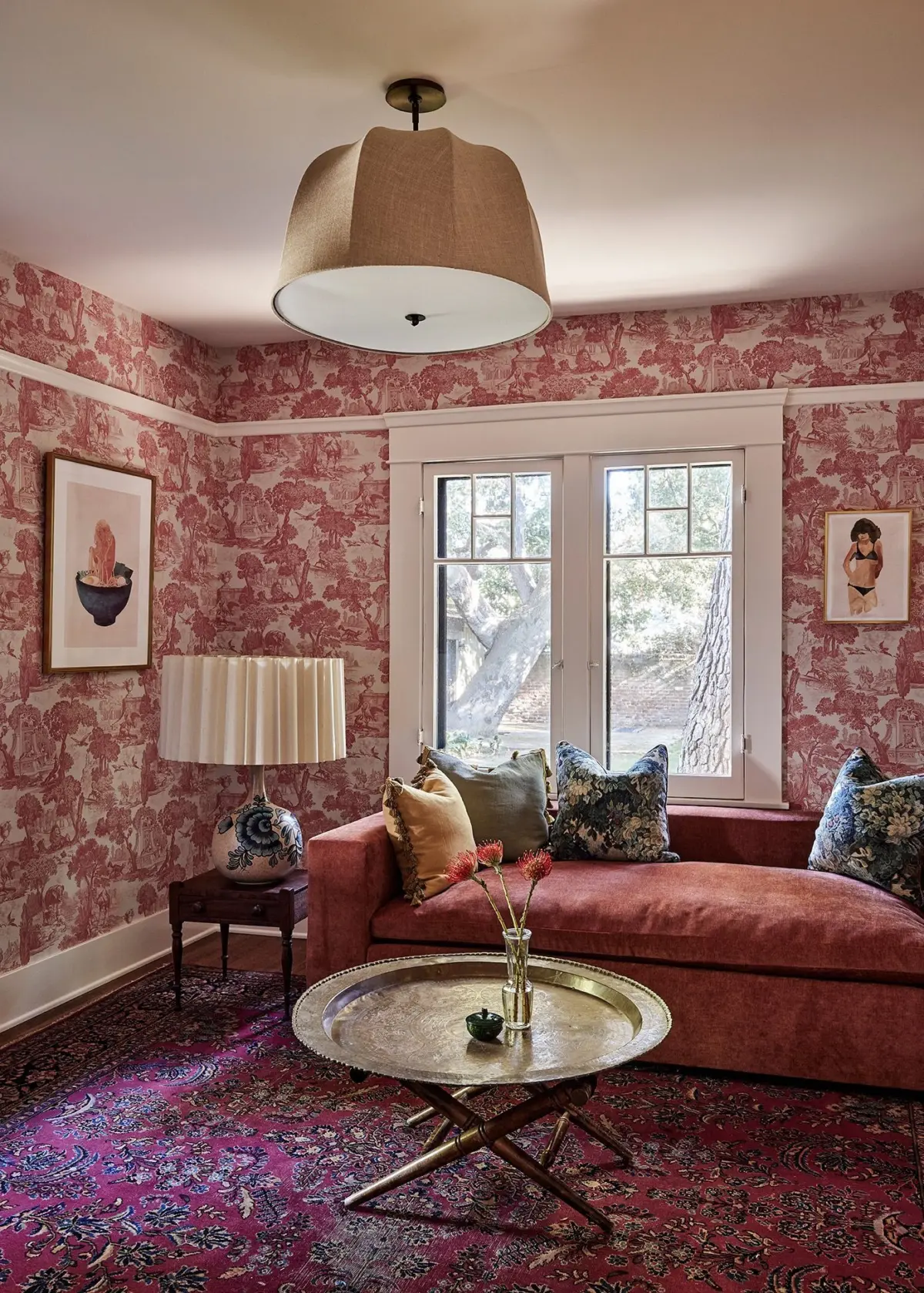
Main Facts: The Multi-Tasking Powerhouse of Modern Living
In contemporary interior design, the boundaries between public entertaining spaces and private quarters have steadily dissolved. At the epicenter of this architectural shift is the modern sleeper sofa—a piece of furniture that functions as a plush foundation for streaming shows, reading, and daytime lounging, while seamlessly transforming into a fully functional satellite bedroom by night.

For years, the category suffered from a severe reputation problem. Early iterations were notorious for thin mattresses that exposed unforgiving support bars, clunky conversion mechanisms, and rigid, boxy silhouettes that acted as aesthetic eyesores in otherwise carefully curated rooms.

However, recent extensive testing conducted by the Architectural Digest (Shop AD) editorial team reveals that a new generation of sleeper sofas has successfully bridged the gap between high-end aesthetics and genuine ergonomic comfort. Through rigorous evaluation of durability, materials, ease of conversion, and mattress support, design experts have proven that multi-functional furniture no longer requires sacrificing style.

Chronology: From the Stigma of the College Futon to High-Design Customization
The Early Era of Compromise
Historically, the transition furniture market was dominated by two extremes: the metal-framed, thin-mattress pull-out couch and the stiff, dorm-style futon. These pieces prioritized raw utility over design integrity. Consumers were forced to choose between a living room that looked polished or a guest room that could accommodate overnight visitors.

The Direct-to-Consumer Disruption
Over the past decade, the rise of direct-to-consumer (DTC) furniture brands revolutionized the market. Companies like Article, Castlery, and BenchMade Modern introduced streamlined silhouettes, performance fabrics, and faster shipping logistics. They proved that modularity and compactness could appeal to urban dwellers facing square-footage constraints.

The Current Renaissance of Luxury Sleepers
Today, major heritage retailers and custom furniture houses—including West Elm, Pottery Barn, and CB2—have elevated the category. By integrating gel-infused memory foam, hidden chaise storage, and made-to-order performance upholsteries (ranging from basketweave to velvet and bouclé), the market has shifted toward luxury-grade performance. Sleeper sofas are no longer relegated exclusively to basements or spare rooms; they are now anchor pieces in primary living rooms, home offices, and sophisticated guest suites.

Supporting Data: The AD Expert-Tested Top Contenders
The Shop AD team tested dozens of models from popular online retailers, grading them on a strict rubric that evaluated the ordering process, delivery experience, post-installation durability, pull-out mechanics, and multi-night sleep quality. Below are the standout models that earned top honors.

1. Best Overall: West Elm Shelter Sleeper Sofa
- Price: Approx. $2,849
- Overall Rating: A
- The Details: The bestseller features a handcrafted, compact frame with a single bench-style seat. Testers praised its plump silhouette and gel-infused queen-sized memory foam mattress, which successfully avoids the dreaded morning-after aches. Available in dozens of upholstery options, including olive green performance velvet, it combines visual warmth with superior lumbar and sleep support.
2. Best Sleeper Sectional: Koala Wanda Sofa Bed
- Price: Approx. $3,295
- Overall Rating: A
- The Details: Tailored for plush, movie-night lounging, the Wanda features sloped armrests and rounded cushions. It converts via a drawer-like footrest that meets the length of a reversible chaise. Notably, its construction is entirely free of per- and polyfluoroalkyl substances (PFAS), offering peace of mind alongside fast shipping and comfortable nights.
3. Best Modern Sleeper: Birch Lane Kodie Upholstered Sleeper Sofa
- Price: $2,899 – $3,099
- Overall Rating: A-
- The Details: With over 25 fabric styles and 1,500 glowing reviews, the Kodie stands out for its lack of sharp edges and its padded arms. While its pull-out mattress is on the thinner side, testers noted it remains well-cushioned and versatile enough to complement any modern layout.
4. Best Traditional Sleeper: Pottery Barn York Slipcovered Side Sleeper Sofa
- Price: $2,959 – $3,599 (Sale/Retail)
- Overall Rating: A
- The Details: Fulfilling the aesthetic demands of traditional, Nancy Meyers-esque interiors, the slipcovered York keeps its pull-out mechanics entirely incognito beneath a deep, ultra-plush bench cushion. It is highly customizable across varied arm shapes and fabrics like linen, boucle, and basketweave.
5. Best Vintage-Inspired: BenchMade Modern The MCM Sofa Bed
- Price: $3,920 – $4,900
- Overall Rating: A-
- The Details: Made in America, this piece offers completely bespoke sizing, fill, and upholstery choices. Reviewers highlighted its structured yet plush surface and luxury sage velvet fabrics that challenge the industry’s default reliance on neutral palettes.
6. Best Budget Pick: Article Nordby Sleeper Sofa
- Price: Approx. $1,599
- Overall Rating: B
- The Details: A Scandinavian-inspired silhouette that fits wonderfully into small spaces. Its pull-out component forms a firm, full-sized mattress quickly and easily, though testers noted that the sofa’s seat depth is relatively shallow.
7. Best Deep-Seated Sleeper: Tuffare Performance Fabric Sleeper Sofa by Mermelada Estudio (CB2)
- Price: Approx. $2,999
- Overall Rating: A
- The Details: Designed for deep lounging, this piece functions brilliantly as both an everyday reading nook and a comfortable bed for drop-in visitors, backed by high-performance white fabric.
8. Best Design-Agnostic Sectional: Castlery Hamilton Chaise Sectional Sleeper Sofa
- Price: Approx. $3,799
- Overall Rating: A
- The Details: Measuring 117 inches wide, the Hamilton packs a sectional chaise, queen sleeper, and hidden storage compartment into a minimal, tapered-arm frame. The storage space successfully eliminates the headache of overstuffing linen closets with extra pillows and sheets.
Official Responses and Methodology: How the Testing Process Works
To maintain journalistic integrity and consumer trust, the Architectural Digest editorial team developed a multi-point evaluation system. Every contender must score at least a B- across all testing criteria to earn a recommendation.

- Ordering & Customization: Assessing lead times, price points, cushion fills (down vs. foam), and fabric selections.
- Delivery & Assembly: Factoring in logistics fees, white-glove setup versus DIY, and scheduling flexibility.
- Post-Installation Performance: Evaluating child- and pet-friendliness, ease of cleaning, and real-world visual appeal versus digital marketing photography.
- The Pull-Out Mechanism: Gauging the physical strength required and the intuitive nature of the hardware.
- The Sleep Test: Subjecting the mattresses to multi-night trials to measure firmness, gel-cooling technology, and structural integrity over time.
Implications: Designing for Multi-Functional Living Spaces
The resurgence of the high-end sleeper sofa has profound implications for urban architecture and interior real estate management. As housing costs rise and square footage per capita decreases in major metropolitan areas, the traditional luxury of maintaining a dedicated, single-purpose guest room is becoming a relic of the past.

Homeowners and apartment dwellers are increasingly turning toward live-work-sleep hybrid environments. Designers like Sara Swabb of Storie Collective emphasize that incorporating tactile accents, calming color palettes, and complementary bedroom elements—such as blackout shades and reading nooks—allows multifunctional spaces to retain a sense of tranquility.

Furthermore, consumer demand for healthier homes has forced manufacturers to eliminate toxic chemical treatments. The absence of PFAS in products like the Koala Wanda signals a broader industry shift toward sustainable, wellness-oriented furniture production. Ultimately, the modern sleeper sofa is no longer a compromise born of spatial desperation; it is an intelligent design solution engineered for the demands of 21st-century living.
