

In the modern landscape of health and wellness, enthusiasts have meticulously optimized nearly every minute of their days. From morning meditation sessions and high-intensity interval training (HIIT) to evening yoga flows and targeted breathwork, people are integrating robust self-care practices into their daily routines with surgical precision. Yet, a crucial piece of the wellness puzzle is frequently overlooked: when these practices—and the fuel that powers them—are executed.
According to experts, the timing of our daily habits and nutrient intake is not merely a matter of convenience or scheduling preference. It is deeply rooted in neurological, biological, and psychological science.
"Timing your wellness practices isn’t just a scheduling preference," explains Valentina Lipskaia, clinical psychologist and founder of Dzeny. "It has real neurological and psychological grounding, and getting it right can meaningfully amplify results."
In this final installment of our wellness timing series—which previously explored the optimal windows for meditation and physical exercise—we turn our attention to the foundational building block of human biology: food. From intermittent fasting protocols and early dinners to the strategic consumption of macronutrients, how we align our eating windows with our natural circadian rhythms can profoundly influence everything from metabolic health to athletic recovery.
The Main Facts: Circadian Rhythms and Metabolic Timing
For decades, the American dietary paradigm preached a steady stream of frequent, small meals to keep the metabolic fire burning. However, modern chronobiology—the study of biological rhythms—has shifted the conversation toward the body’s internal clock.
Researchers now understand that human metabolic efficiency fluctuates over a 24-hour cycle. Hormonal fluctuations, lean body mass preservation, and daily caloric expenditure all dictate how nutrients are processed. Consequently, when we consume calories can be just as impactful as what we consume.
The Front-Loading Philosophy
Dr. Katherine Livingstone, an associate professor at the Institute for Physical Activity and Nutrition at Deakin University, advocates for aligning caloric intake with the body’s natural circadian rhythm by "frontloading" calories toward the beginning of the day. Writing in The Conversation, Livingstone notes that this is the window "when your body can process it most efficiently."
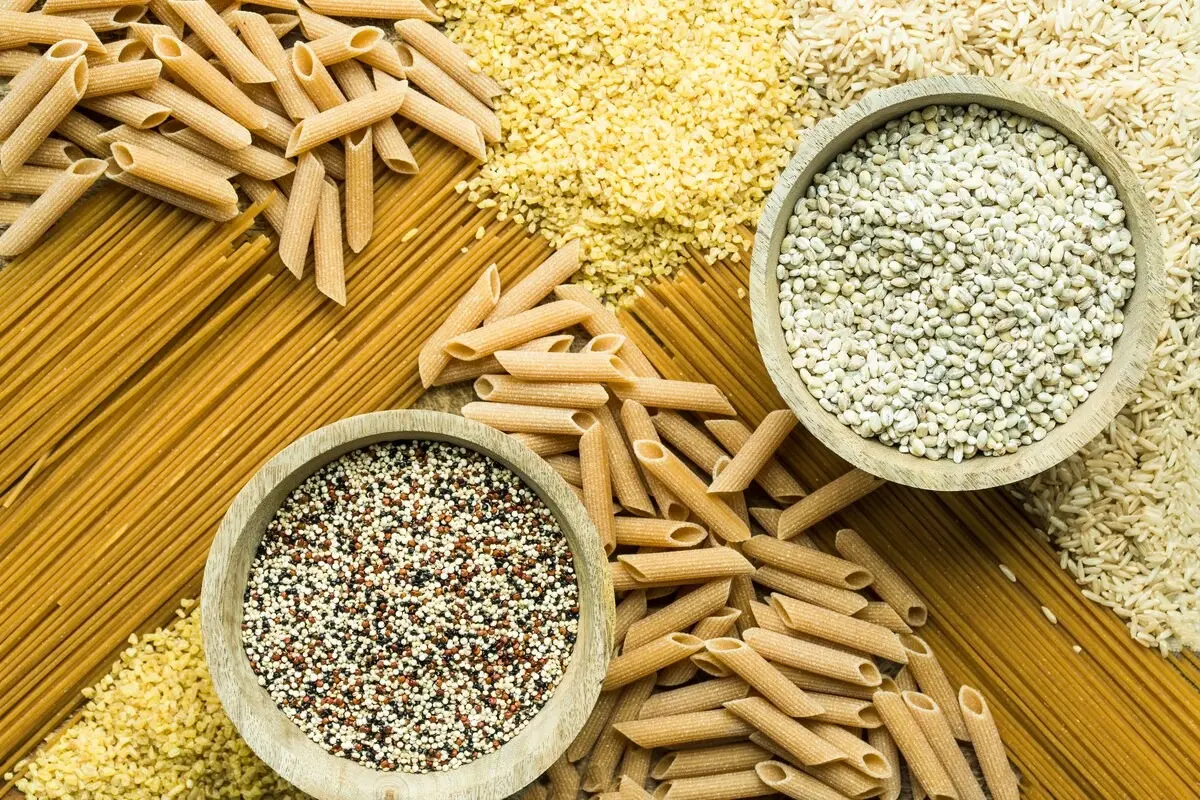
She recommends starting the day with a robust combination of high-quality protein and fiber-rich whole grains—such as beans on high-fiber toast or brown rice congee topped with an egg. This approach stabilizes blood sugar early and curbs excessive hunger later on, preventing the sluggishness often associated with heavy midday meals.

Chronology of the Debate: To Fast or to Feast?
The narrative surrounding the morning meal has experienced whiplash over the past twenty years. We transitioned from viewing breakfast as an absolute biological necessity to embracing intermittent fasting (IF) in the late 2010s for its potential to reduce inflammation, promote cellular autophagy, and aid in weight loss.
The Case for Intermittent Fasting
Mark Gillilan, a former biologist and founder of Kyoto Botanicals, remains a vocal proponent of time-restricted feeding. Drawing on his background in low-carbohydrate and ketogenic physiology at Atkins, Gillilan advocates for a 16-hour fasting window beginning immediately after dinner and extending through mid-morning.
"Prolonged glycemic control and baseline brain chemistry restoration are the main goals," Gillilan explains. "Sleeping through many of those hours makes the task a lot easier, and then when you do start your morning, your brain is operating on a stable metabolic baseline, preventing the early-morning glucose crashes that negatively impact energy."
The Caveats: Demanding Exercise and Sex Differences
However, fitness and longevity experts warn that intermittent fasting is far from a universal panacea.

Ben Walker, founder and personal trainer at Anywhere Fitness, argues that active trainees should bypass fasting altogether. "If you are actively training, I would not recommend intermittent fasting, as it will malnourish the tissues of your body while in active recovery," Walker cautions. After strenuous exercise, muscle fibers require glucose to restore glycogen and amino acids to repair tissue. Fasting through this window, he warns, can counteract fitness goals and leave muscles damaged and underdeveloped.
Furthermore, human performance expert Ben Greenfield emphasizes that the benefits of intermittent fasting are highly sex-dependent. While men may thrive on a strict 12- to 16-hour daily fast, premenopausal women often experience adverse hormonal shifts.
"[Premenopausal women] do not do as well with a fast that exceeds 12 hours on a regular basis, because it downregulates hormones responsible for fertility, like luteinizing hormone and follicle-stimulating hormone," Greenfield explains, recommending a more moderate 10- to 12-hour fasting window for women of reproductive age. Perimenopausal women generally fare similarly well on shorter 10- to 12-hour fasts, while postmenopausal women can safely adopt standard fasting protocols.
Supporting Data: The Role of Macronutrient Timing
Once an eating window is established, the question shifts to nutrient composition and distribution. According to nutrition experts, balancing the three major macronutrients—protein, fats, and carbohydrates—ensures the body has adequate energy to perform, recover, and adapt without accumulating excess adipose tissue.

1. Protein: The Building Block of Recovery
Protein is indispensable for muscle synthesis, repair, and preservation. Registered dietitian nutritionist (RDN) Kezia Joy notes that hormone fluctuations, muscle loss, and training demands heavily influence recovery needs.
Walker recommends that most adults consume between 1.6 and 2.2 grams of protein per kilogram of body weight daily. Front-loading protein or consuming it within 20 to 30 minutes post-workout optimizes muscle absorption. Beyond athletic performance, adequate protein is crucial during weight loss and the use of GLP-1 medications to prevent the loss of lean muscle mass.
2. Fats: Hormonal Regulation and Satiety
Dietary fat has successfully rehabilitated its reputation, moving away from past demonization. Healthy fats—found in avocados, olive oil, fatty fish, and nuts—are critical for brain health, hormone production, and the absorption of fat-soluble vitamins (A, D, E, and K).
Dr. Chad Larson, founder and CEO of The Adapt Lab, recommends distributing healthy fat consumption evenly across meals to maintain stable energy and promote satiety.

3. Carbohydrates: Fuel for High-Intensity Output
Carbohydrates remain the primary fuel source for moderate- to high-intensity anaerobic exercise, including resistance training and sprinting. Completely eliminating carbs can deplete glycogen stores, slowing muscle recovery and impairing performance.
While some experts advocate for consuming carbs early in the day for quick energy, others—such as Greenfield—suggest saving complex carbohydrates for the evening to support cyclic ketosis and enhance sleep quality. Larson recommends timing carbohydrate intake directly around periods of elevated physical demand.
Official Responses and Expert Consensus
Despite varying perspectives on fasting and meal timing, leading medical and wellness professionals converge on a singular truth: consistency and nutritional quality supersede rigid temporal rules.
"Ultimately, what you consume in your meals will have the most influence on your health rather than the time frame in which you consume those meals," says RDN Kezia Joy. "Creating a consistent approach to your daily eating habits will also provide the greatest benefit in maintaining that approach over a prolonged period of time."

Dr. Chad Larson echoes this sentiment, cautioning against fasting trends adopted purely for convenience. "I do not recommend intermittent fasting based solely on the fact that it simplifies your diet," Dr. Larson states. "It loses its usefulness if it causes a decrease in protein consumption, impairs sleep quality, diminishes athletic performance, or contradicts medication regimens."
When it comes to evening nutrition, experts increasingly agree on the benefits of finishing the final meal several hours before bed. Finishing dinner at least three hours prior to sleep allows core body temperatures to drop post-digestion, preventing insulin spikes and melatonin suppression. However, social trade-offs must be weighed against biological optimization. As Greenfield notes while discussing his own family dinners, the psychological and relational benefits of a later meal often outweigh the marginal sleep-optimization metrics of eating at 5:00 PM.
Implications for Daily Life
Translating chronobiological nutrition into practical daily habits requires listening to your body rather than blindly following rigid wellness trends.
- Assess Your Activity Level: If you engage in heavy resistance training or endurance sports, prioritize a balanced breakfast and avoid prolonged fasts that compromise muscle recovery.
- Honor Biological Sex Differences: Women—particularly premenopausal individuals—should approach intermittent fasting with caution, keeping fasts within a manageable 10- to 12-hour window to protect endocrine health.
- Prioritize Balance Over Ratios: Rather than stressing over exact macronutrient splits, focus on incorporating quality protein, fiber, healthy fats, and complex carbohydrates into meals aligned with your daily output.
- Buffer Your Sleep: Aim to finish dinner a few hours before bedtime to support melatonin production and deep, restorative sleep, while maintaining the flexibility necessary for a rich social life.
By tailoring the timing of your nutrition to your unique biology, you can transform food from mere fuel into a powerful tool for long-term health, vitality, and performance.
