

By Leigh Smith
Skin receives more scrutiny and attention in July than during any other month of the year. Longer days spent outdoors, inevitable perspiration, and a frantic scramble for the latest topical fixes dominate our mid-summer routines. Yet, when skin begins to act up—breaking out, turning flaky, or exhibiting stubborn dullness—there is one crucial factor that most people routinely overlook: the diet.
Summer is the season where the nutritional gap between what your body requires and what you are actually consuming becomes glaringly obvious. While topical treatments and heavy-duty SPFs occupy bathroom counters everywhere, dermatologists and nutritional scientists are increasingly pointing out that summer skin is infinitely easier to feed than it is to rescue.
Main Facts: What Summer Actually Does to Your Body
When the ambient temperature climbs and the sun beats down relentlessly, three major physiological shifts occur within the human body:
- Electrolyte and Fluid Depletion: You lose a significantly higher volume of water and essential sodium through sweat.
- Accelerated Antioxidant Breakdown: Heightened ultraviolet (UV) exposure rapidly depletes the natural reservoir of antioxidants stored within the skin tissue, often burning through them faster than the body can naturally replenish them.
- Appetite Suppression: High heat naturally dampens the appetite. Consequently, meals get lighter, frequently carrying substantially less protein and dietary fat than they did in the depths of January.
While eating light during the summer months is entirely natural and harmless on its own, consistency matters. If you find yourself skipping protein sources for four consecutive days, your body lacks the essential amino acid reserves required for optimal cellular repair and regeneration.
It bears repeating: none of the nutritional science detailed below serves as a replacement for high-grade sunscreen or a reliable moisturizer. However, a strategic diet will provide your skin with a significantly sturdier biological foundation than the typical haphazard summer diet provides.

Chronology: The Seasonal Evolution of Skin Stress
To understand how diet impacts summer skin, it helps to track how our bodies transition from winter protection mode to summer exposure mode over the calendar year:
- Late Winter / Early Spring: Skin is typically recovering from indoor heating, low humidity, and heavy, occlusive skincare products. Diets during this phase are generally heavier, featuring root vegetables, stews, and higher protein and fat intakes, which naturally support the skin’s lipid barrier.
- Late Spring (The Transition): As temperatures begin to rise, outdoor activity increases. UV index levels start creeping upward, and metabolic demands shift. Skin begins to experience its initial exposure to environmental oxidative stress.
- Peak Summer (July & August): The crisis point. Perspiration peaks, UV radiation is at its annual maximum, and dietary habits shift dramatically toward cold, light, often erratic meals (salads, smoothies, or missed meals altogether). Dehydration risks spike, and the skin barrier is constantly challenged by sun, salt water, chlorine, and air conditioning.
- Late Summer / Early Fall (The Fallout): The cumulative effects of unaddressed nutritional deficits and UV exposure manifest as hyperpigmentation, textural changes, chronic dehydration, and loss of elasticity.
Recognizing this timeline allows individuals to proactively adjust their plates before seasonal skin damage sets in, rather than scrambling for emergency fixes in August.
Supporting Data: Hydration Starts on the Plate
A surprisingly meaningful share of your daily fluid intake comes from solid food rather than a drinking glass. Seasonal summer produce happens to comprise some of the most water-dense, nutrient-packed foods available in nature.
The Power of Water-Dense Produce
Watermelon, crisp cucumbers, ripe tomatoes, summer berries, juicy citrus fruits, and vibrant leafy greens all boast exceptionally high water content while simultaneously delivering vital potassium. Eating a diet rich in these foods essentially equates to hydrating without actively thinking about it.
However, heavy sweating strips away far more than pure water; it also depletes sodium and potassium levels. Plain water alone only addresses part of that physiological equation. If you spend an entire afternoon outdoors, incorporating salted whole foods and potent potassium sources—such as cantaloupe, legumes, Greek yogurt, and potatoes—does far more for cellular hydration than simply downing another glass of plain water. Hydration is fundamentally a food-based challenge just as much as it is a fluid-intake challenge.
The Core Nutrients Doing the Heavy Lifting
Building resilient summer skin requires an understanding of specific micronutrients and macronutrients and how they interact with environmental stressors.

Vitamin C and Collagen Synthesis
Your body quite literally cannot synthesize collagen without an adequate supply of vitamin C. Operating as an essential cofactor in the biochemical process, a shortfall of vitamin C manifests not as an immediate catastrophe, but as sluggish cellular repair and lackluster skin tone.
Reliable, delicious sources of vitamin C abound in summer: bell peppers, fresh strawberries, kiwis, citrus fruits, and broccoli.
A Critical Culinary Note: Vitamin C is notoriously fragile. It breaks down rapidly when exposed to heat, light, and time. A bell pepper consumed raw or lightly sliced delivers a demonstrably higher dose of active vitamin C than one that languished in the bottom of your produce drawer for a week before being subjected to a scorching sauté pan.
Carotenoids and Cooked Tomatoes
Lycopene and beta-carotene accumulate steadily within skin tissue over weeks of consistent dietary intake. Clinical research suggests that individuals who consume these carotenoids regularly exhibit a measurable, albeit modest, increase in their skin’s natural resistance to UV-induced erythema (redness).
Note: "Modest" is the operative word here. Carotenoid accumulation provides a helpful internal background defense, but it is by no means an excuse to leave the SPF in the drawer.
Furthermore, bioavailability matters: lycopene is absorbed significantly better from cooked tomatoes paired with a healthy fat like olive oil than it is from raw tomatoes. Consequently, a simple, homemade summer tomato sauce is nutritionally superior to a raw salad for this specific purpose. For beta-carotene, turn to vibrant carrots, sweet potatoes, apricots, and red bell peppers.
Omega-3 Fats and the Skin Barrier
The outermost layer of your epidermis is tasked with keeping moisture locked in. The dietary fats you consume feed directly into the structural integrity of this lipid barrier.
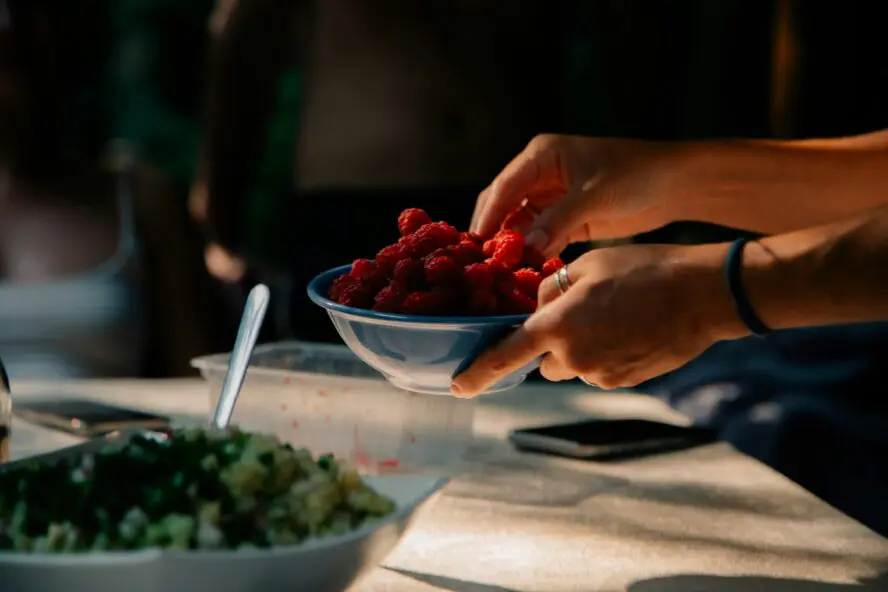
Consuming fatty fish—such as wild salmon, mackerel, or sardines—twice a week remains the gold-standard recommendation for robust skin barrier support. For those following a plant-based lifestyle, walnuts, flaxseeds, and chia seeds offer alternative omega-3 sources. However, bear in mind that the human body converts plant-based omega-3s (ALA) into active forms (EPA/DHA) with relatively low efficiency, meaning portion sizes must be adjusted upward to achieve a comparable protective effect.
Protein and Zinc for Cellular Repair
Collagen is constructed from specific amino acids, predominantly glycine and proline, which are easily acquired from everyday protein sources. Meanwhile, zinc is a powerhouse mineral that supports efficient wound healing and accelerates skin cell turnover. Excellent sources include shellfish, lean beef, lentils, chickpeas, and pumpkin seeds.
Practical Tip: Rather than front-loading your protein intake into a massive dinner, spread your protein consumption evenly across the day. Continuous cellular repair does not wait for a single evening meal.
Official Perspectives and Scientific Caveats
While wellness trends frequently oversimplify nutritional science, leading dermatologists and nutrition researchers emphasize a balanced perspective on diet and skin health.
The Gut-Skin Axis: Separating Fact from Hype
Fermented foods—such as live-culture yogurt, kefir, traditional sauerkraut, and kimchi—frequently dominate conversations surrounding modern skin health. While the scientific literature linking the gut microbiome to systemic inflammatory skin conditions is legitimate, researchers caution that the science is still in its infancy.
Most clinical studies stop well short of claiming that simply eating a forkful of sauerkraut will magically clear your complexion or eliminate sun damage. The gut-skin connection is a fascinating and rapidly evolving field worth monitoring, but its current clinical applications should not be overstated.
What Food Can (and Cannot) Do
It is imperative to maintain realistic expectations regarding nutritional dermatology:
- Diet cannot block UV rays: No amount of carrots or tomatoes replaces the physical and chemical protection of a broad-spectrum sunscreen.
- Diet cannot instantly rescue parched surface skin: Eating a well-balanced meal will not immediately fix skin that feels tight, dry, and irritated after a long day at the beach.
- Diet cannot neutralize poor topical choices: Internal nutrition builds the biological material your skin is made of. Topicals handle the surface environment, and sunscreens handle the UV spectrum that diet simply cannot touch.
These systems work best when operating in tandem, without forcing one to do the job of the other.
Implications: The Intersection of Diet, Skincare, and Gifting
Understanding that skin health is an inside-out job shifts how we approach personal care during the summer months. It also changes how we think about gifting for beauty enthusiasts.
If you are shopping for someone who takes their skincare routine seriously, purchasing topical products can be a guessing game fraught with frustration. Skin sensitivities change drastically between February and July, and formulas vary wildly by skin type. Gifting a versatile option, such as a specialty beauty retailer gift card, is often the most thoughtful approach. It allows the recipient to select the exact sunscreen, lightweight moisturizer, or stabilizing vitamin-C serum that matches their unique skin chemistry at that precise moment in the season.
Conclusion: A Simple Weekly Blueprint for Radiant Summer Skin
Optimizing your diet for summer does not require adopting an agonizingly restrictive meal plan or completely overhauling your lifestyle. A handful of consistent, mindful habits will cover the vast majority of the nutritional ground your skin requires during the hottest months of the year:

- Prioritize Water-Rich Produce: Make fruits and vegetables with high water and electrolyte contents (like watermelon, berries, and cucumbers) a staple of every meal.
- Double Down on Vitamin C: Incorporate fresh, raw, or lightly prepared bell peppers, citrus, and strawberries daily to fuel natural collagen production.
- Embrace Healthy Fats: Consume fatty fish or plant-based omega-3 sources consistently to reinforce your skin’s moisture-locking lipid barrier.
- Spread Your Protein: Distribute protein and zinc-rich foods evenly throughout the day to sustain constant cellular repair and turnover.
- Protect Topically: Never mistake internal nutrition for an excuse to skip your daily sunscreen and appropriate barrier-supporting moisturizers.
Summer skin is unequivocally easier to feed than it is to rescue. By supplying your body with the water-rich produce, steady proteins, preserved vitamin C, and barrier-supporting fats it craves, you carry the heavy load from the inside out. What you apply topically is a separate, vital discipline—one best chosen with care and intention rather than left to chance.
