

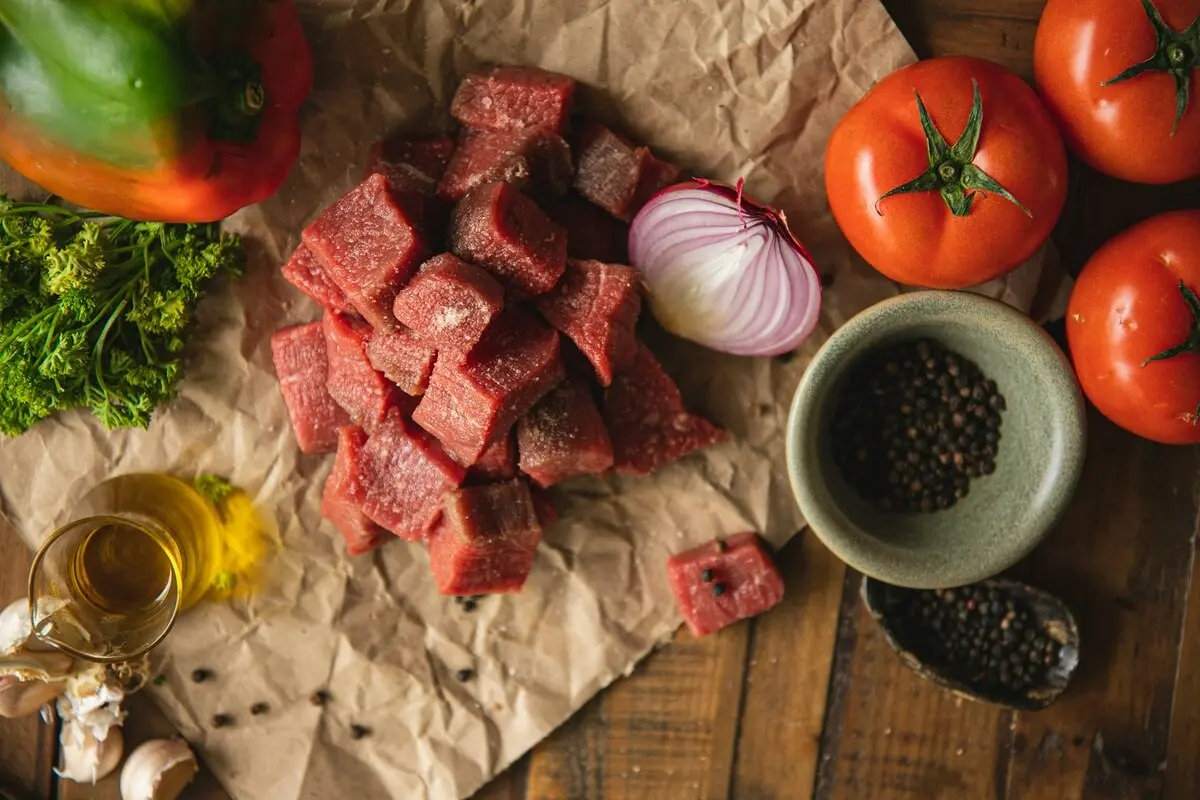
From weeknight-friendly Bolognese sauces to backyard-gilling burgers, ground beef remains a cornerstone of the American culinary landscape. Yet, this affordable kitchen staple is facing renewed scrutiny following a high-stakes executive proclamation that could fundamentally alter what ends up on supermarket shelves—and in our frying pans.
Signed by President Trump, a newly enacted temporary trade rule aims to provide economic relief to consumers by lowering the cost of beef at the checkout counter. However, food safety advocates, domestic ranchers, and agricultural economists are sounding the alarm over the policy’s potential long-term consequences. By waiving out-of-quota tariffs on hundreds of millions of pounds of foreign beef trimmings, the administration has ignited a heated debate spanning international trade, food safety transparency, and the future of independent American agriculture.
Main Facts: What the New Proclamation Entails
At its core, the executive proclamation signed on August 26 implements a temporary 90-day waiver of out-of-quota tariffs, effective September 1. This trade measure permits the duty-free importation of up to 300,000 metric tons—roughly 660 million pounds—of foreign ground beef and lean beef trimmings.
While the policy is explicitly designed to inject a massive volume of affordable protein into the domestic supply chain and cool down surging inflation at the grocery store, it has simultaneously exposed systemic vulnerabilities in the food system:
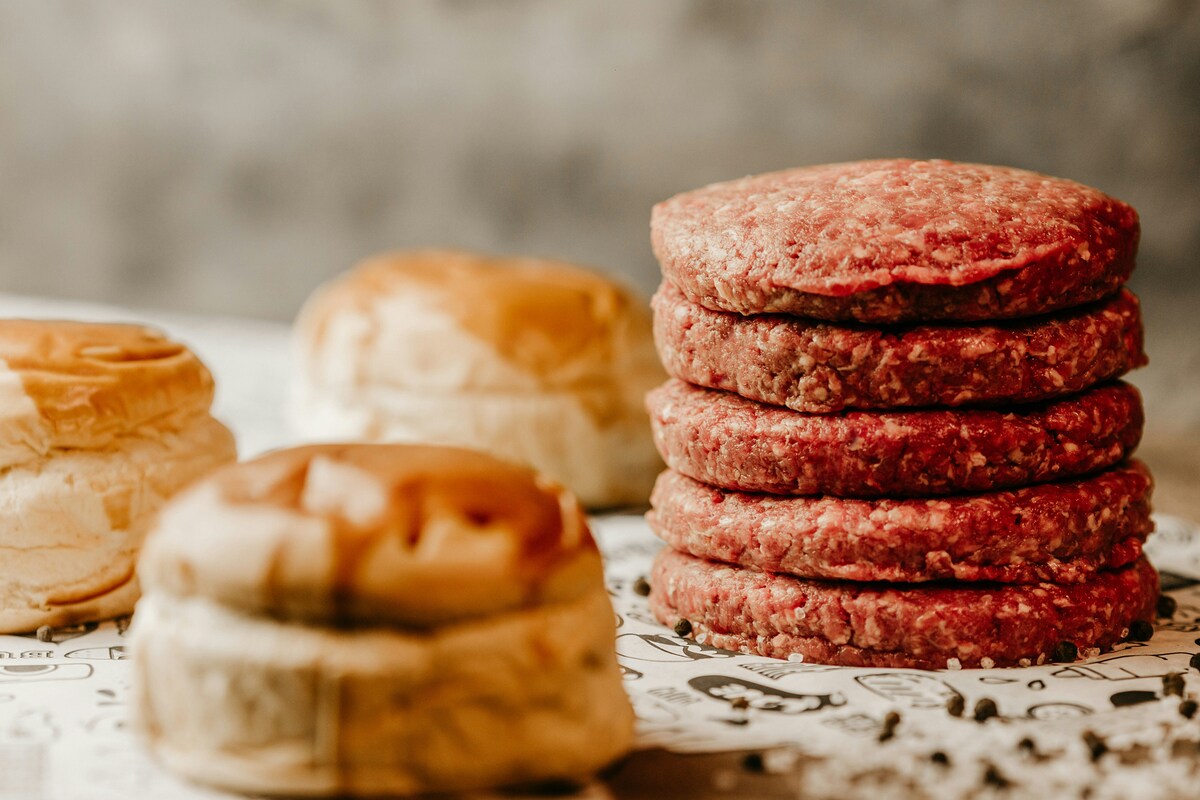
- The Sourcing of Trimmings: According to reporting from The New York Times, a significant portion of these imported trimmings consists of previously frozen meat. Some of these reserves may have languished in cold storage facilities overseas for extended periods.
- Blending and Marketing: Once these inexpensive foreign trimmings arrive in the United States, they are routinely blended with fatter domestic cuts of meat. The final product is packaged and sold to consumers simply as "ground beef," completely devoid of any on-package labeling indicating the geographic origin of the meat.
- The Origin of the Imports: Although initial announcements from the administration were sparse regarding where the meat would originate, subsequent confirmations revealed that the bulk of these imports will hail from South America—specifically Brazil, Argentina, and select other international markets.
Chronology of Events: From Oval Office Meetings to Tariff Waivers
The path to the August 26 proclamation followed a rapid and contentious sequence of political and economic developments:
- Late 2025 – Early 2026: U.S. beef imports steadily climb to historic heights. Data compiled by Euromeatnews indicates that foreign beef accounted for roughly 16.8% of the total U.S. supply in 2025, a figure projected to breach 17.34% in 2026—marking an all-time high for American reliance on overseas protein sources.
- May 2025: Broader structural concerns within the global meatpacking industry gain public attention. Reports highlight the sprawling corporate history of JBS S.A., the world’s largest meatpacker, as the company navigates preparations for major financial maneuvers amidst ongoing historical scrutiny over supply chain ethics.
- Late August 2026: Rumblings of shifting trade policies materialize as the administration weighs measures to tame rising food costs.
- August 25, 2026: A critical closed-door meeting takes place in the Oval Office between President Trump and Joesley Batista, co-owner of JBS S.A. The timing of this meeting immediately draws the attention of watchdogs and journalists.
- August 26, 2026: President Trump officially signs the proclamation waiving out-of-quota tariffs on up to 300,000 metric tons of imported ground beef for a 90-day window beginning September 1.
- September 2026: The tariff exemptions take effect, sending an unprecedented wave of foreign beef trimmings toward American processing plants and sparking immediate backlash from domestic agricultural unions and consumer advocacy groups.
Supporting Data: Surging Imports and Shifting Trade Flows
To fully understand the weight of the new executive order, one must examine the broader trajectory of the U.S. beef market. Prior to the proclamation, the U.S. Department of Agriculture (USDA) had already forecasted that American beef imports would shatter previous records, eclipsing 6.1 billion pounds in 2026. This new policy ensures that total import volumes will surge well past those baseline predictions, according to analyses by The Hill.
The numbers paint a clear picture of an increasingly globalized American plate:
- 16.8%: The share of total U.S. beef supply imported from foreign producers in 2025 (approx. 1.9 million metric tons).
- 17.34%: The projected import share for 2026 prior to the implementation of the tariff waiver, representing a historic peak in foreign market penetration.
- 660 Million Pounds: The maximum volume of lean beef trimmings permitted to enter the country duty-free under the 90-day emergency proclamation.
- 85%: The approximate percentage of the U.S. beef market controlled by just four massive meatpacking corporations, two of which are Brazilian-owned conglomerates with complex regulatory histories.
Official Responses and Stakeholder Reactions
The proclamation has fractured opinion across the agricultural, political, and consumer sectors, pitting the administration’s inflation-relief goals against the economic security of domestic producers and the peace of mind of everyday shoppers.
The Domestic Agricultural Sector
For American farmers and ranchers, the policy arrived as a devastating blow. Domestic producers have spent years navigating high operational costs, lingering drought impacts, and tightening profit margins, only to see foreign competitors granted expedited access to their home market.
“The timing of this proclamation is a gut punch to ranchers’ bottom line,” said Zippy Duval, president of the American Farm Bureau Federation, in a statement to Beef Magazine.
Critics argue that undercutting domestic producers with subsidized or tariff-exempt foreign imports threatens the long-term viability of independent American cattle ranching, ultimately increasing the nation’s reliance on external food supply chains.
International Trade Partners and Quality Concerns
The inclusion of major South American exporters—particularly Brazil, the world’s largest beef exporter—has raised immediate red flags regarding food safety and regulatory oversight.
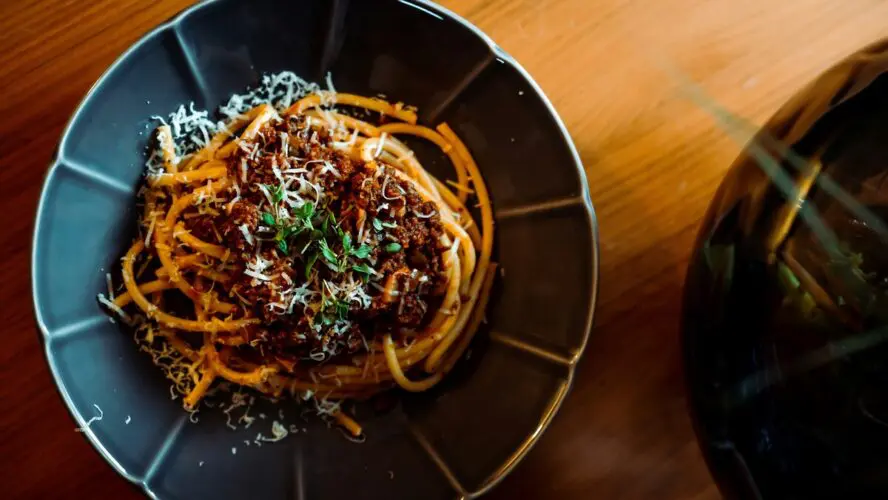
Brazil’s cattle industry has faced repeated international sanctions. Most notably, the European Union recently suspended specific beef imports from Brazil due to widespread concerns over antibiotic misuse. Furthermore, institutional memory looms large regarding the notorious 2017 "Weak Flesh" scandal, in which major Brazilian meatpacking companies—including JBS and BRF—were implicated in selling rotten beef treated with ascorbic acid to mask spoilage, a conspiracy facilitated by extensive bribery of agricultural inspectors.
Similar quality control issues have surfaced in neighboring nations. According to The New York Times, Chinese customs authorities rejected multiple shipping containers of beef from Uruguay over the past year due to contamination with fluazuron, a potent anti-parasitic drug. Concurrently, Argentine beef shipments faced rejection in Asian markets following positive detections of chloramphenicol, a banned antibiotic linked to severe human blood disorders.
Implications: The Death of Transparency and the Rise of DIY Butchery
Beyond the macroeconomic impacts on trade balances and rancher revenue, the most direct casualty of the new import wave is consumer transparency.
The Regulatory Black Hole
In 2015, Congress repealed mandatory Country-of-Origin Labeling (COOL) requirements for beef and pork following pressure from international trade dispute rulings. Despite repeated legislative efforts by consumer advocates and democratic lawmakers to reinstate these labeling requirements, shoppers remain entirely in the dark regarding the provenance of their meat.
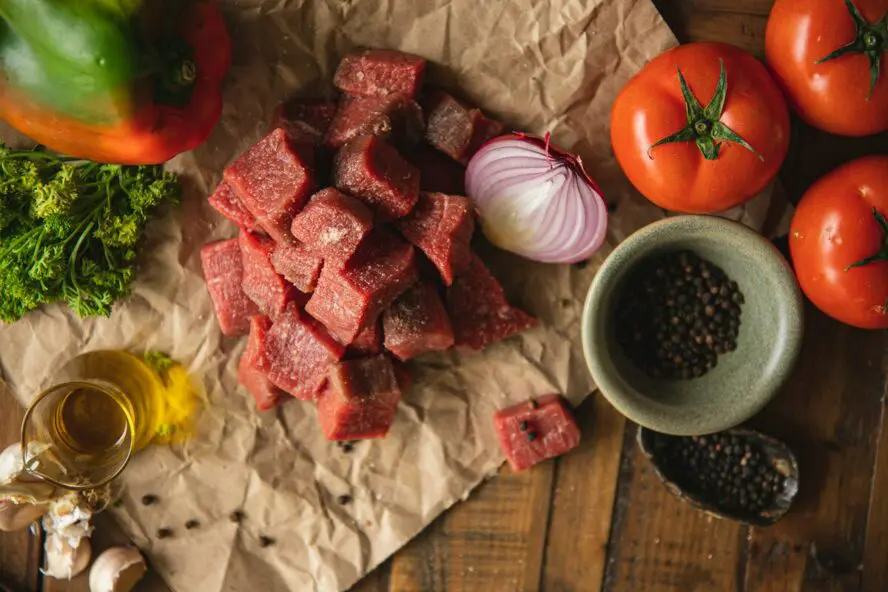
When foreign trimmings are imported, processed, blended with domestic fat, and packaged simply as "ground beef," consumers have no legal right to know whether their meat originated from a local pasture in the American Midwest, an industrial feedlot in Argentina, or a processing facility in Brazil.
Understanding Ground Beef Standards
By legal definition in the United States, ground beef must adhere to specific parameters:
- It must be composed exclusively of fresh or frozen beef.
- It cannot contain any added water, binders, or extenders.
- Total fat content cannot exceed 30%.
- Cheek meat utilization is legally capped at a maximum of 25%.
- Products explicitly labeled "hamburger" are permitted to contain added beef fat.
Despite these baseline regulations, the lack of origin labeling leaves a dangerous gap in accountability. When scandals erupt overseas regarding banned antibiotics, lax sanitation, or regulatory bribery, American consumers unwittingly absorb the risk simply because the global supply chain is designed for obfuscation rather than clarity.
Taking Matters into Your Own Hands: The Case for Grinding at Home
Given the opaque nature of commercial meat processing and the influx of foreign trimmings, a growing segment of health-conscious consumers is bypassing the supermarket meat aisle entirely. Grinding your own beef at home has emerged as the ultimate antidote to industrial uncertainty, offering total visibility, uncompromised quality control, and superior flavor profiles.

Home grinding requires minimal equipment—often just a food processor, a standalone meat grinder attachment, or a friendly relationship with a local butcher—and yields profound culinary rewards:
- The Chuck Standard: For classic burgers and savory weeknight dinners, beef chuck is the gold standard. Sourced from the neck and shoulder, chuck naturally hovers around a 20% fat-to-lean ratio, delivering exceptional juiciness and rich flavor without requiring added fats.
- Tailored Lean Ratios: If your recipe calls for a leaner profile—such as a slow-simmered Bolognese sauce or hearty chili where excess rendered fat must be drained away—home cooks can opt for tighter cuts like round (approx. 15% fat) or sirloin (approx. 10% fat).
By sourcing whole cuts from trusted local butchers or regional farms that voluntarily disclose their animal husbandry practices, consumers can reclaim full agency over their plates. While presidential proclamations and international trade agreements will continue to shift the tides of the global food economy, taking control of your ingredients remains the most reliable way to ensure that what goes into your family’s meals is safe, ethical, and delicious.
