CAMP VERDE, AZ — The aroma of freshly roasted sweet corn, the rhythmic sputtering of vintage engines, and the sounds of live Americana music filled the air in downtown Camp Verde on Saturday, July 18, as residents and visitors gathered for the town’s highly anticipated annual Cornfest.
Sponsored by local community organizations and photographed by David Jolkovski of Larson Newspapers, the day-long festival celebrated the agricultural heritage of the Verde Valley. It also served as a vital fundraising hub for regional non-profits, bringing together civic leaders, local volunteers, and families for a day of wholesome, mid-summer celebration.
From high-stakes watermelon-eating contests to interactive historical displays and a charitable dunk tank featuring town leadership, Cornfest proved once again to be a cornerstone of Camp Verde’s community identity and local economy.
Main Facts: A Celebration of Heritage and Community
At its core, Cornfest is a tribute to the agricultural bounty of the Verde Valley, particularly the famous sweet corn that has been cultivated in the region’s fertile, river-fed soil for generations. However, the modern iteration of the festival is as much about community service and civic engagement as it is about farming.
This year’s event was marked by several key highlights:
Civic Engagement in Action: Camp Verde’s Acting Town Manager and Finance Director, Mike Showers, volunteered to sit in a dunk tank sponsored by the Northern Arizona Dream Center, raising both laughs and funds for a critical local cause.
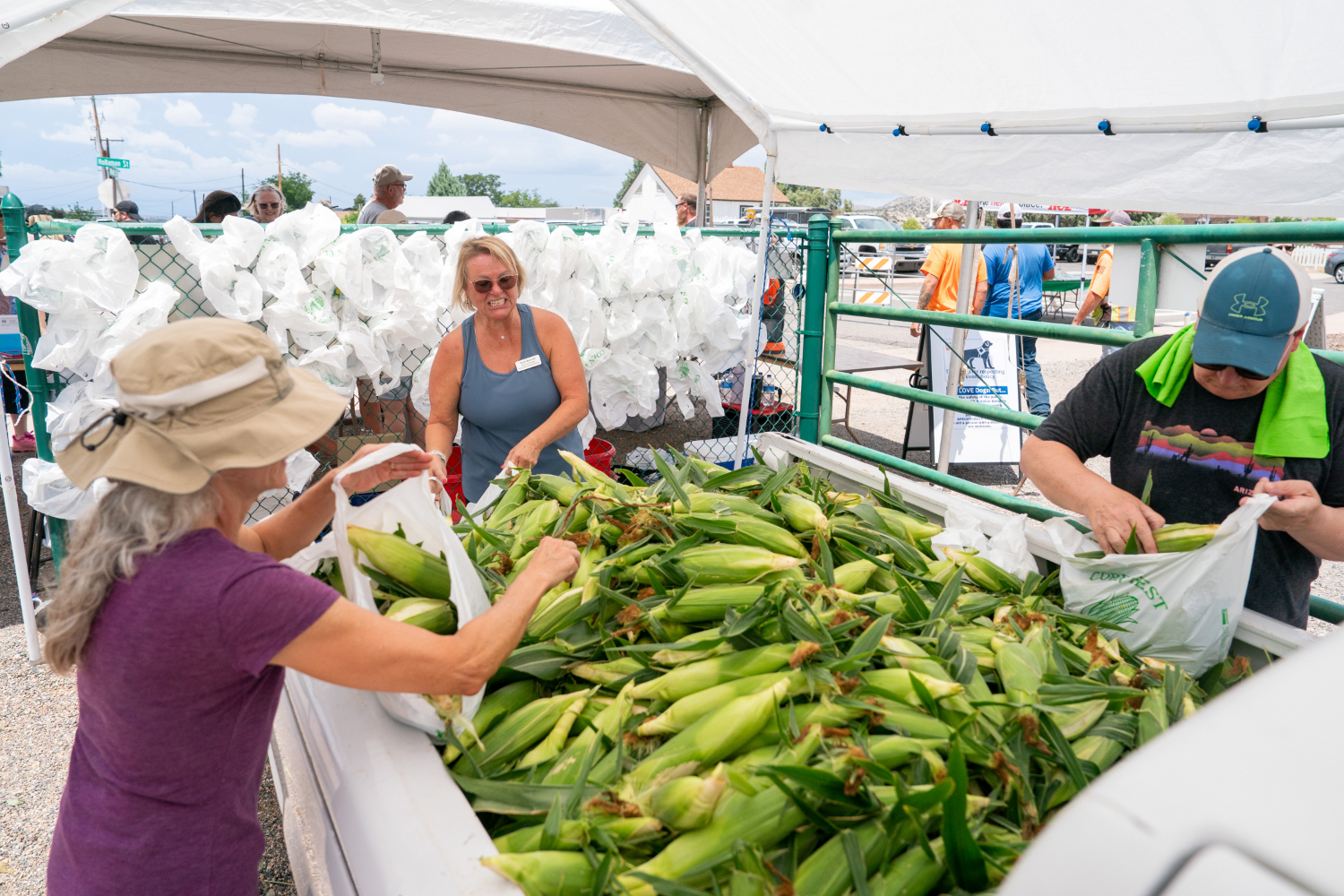
Charitable Collaborations: The Verde Valley Humane Society took center stage as one of the primary vendors, with volunteers working tirelessly throughout the day to bag and sell hot, fresh corn to hungry festival-goers.
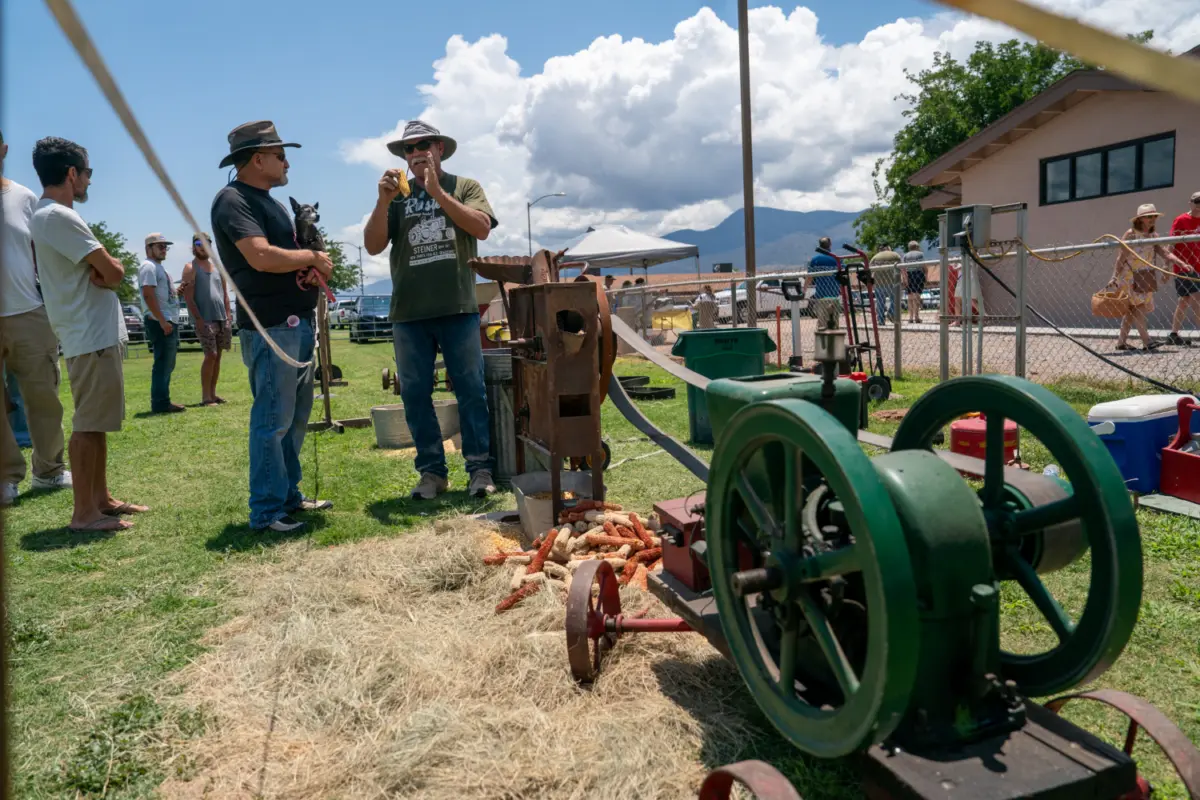
Preserving Living History: The Arizona Flywheelers provided a window into the past with a large-scale exhibition of antique tractors, historic water pumps, and hands-on agricultural machinery.
Friendly Competition: The festival’s signature watermelon-eating contests drew large, cheering crowds, crowning new champions in both the adult and youth divisions.
Chronology of the Festival
The gates of Cornfest opened under bright Arizona skies, kicking off a structured itinerary designed to engage attendees of all ages.
Morning: Antique Iron and Agricultural Roots
The festival commenced in the morning as collectors and history enthusiasts gathered around the Arizona Flywheelers display. Under the direction of coordinator Bill Trainor, the Flywheelers showcased meticulously restored antique tractors and historic water pumps. The display was not merely passive; it offered interactive, hands-on history lessons.
Throughout the morning, children and adults lined up to try their hand at agricultural tasks of yesteryear. Among them was young Emysca Rodriguez, who spent time learning how to mill corn by hand using vintage grinding equipment. These demonstrations highlighted the transition from manual labor to mechanization that defined early Arizona farming.
Midday: Live Music, Sweet Corn, and Civic Dunking
As temperatures rose, so did the energy of the crowd. The air was filled with live music, beginning with a performance by The Walt Young Duo, who delivered a soulful set of acoustic tunes that set a relaxed, welcoming tone for the lunch hour. Later in the afternoon, Pandy Raye & the Panhandlers took the stage, energizing the crowd with their upbeat, country-infused rhythms that had attendees dancing near the main stage.
Nearby, a steady stream of festival-goers lined up at the food stalls. Volunteers from the Verde Valley Humane Society, including Karin Burnett, John Dunbar, and Esther David, worked in shifts to bag and distribute thousands of ears of hot corn.
Simultaneously, a crowd gathered at the Northern Arizona Dream Center dunk tank. The highlight of the midday festivities occurred when Camp Verde’s Acting Town Manager and Finance Director, Mike Showers, took his place on the collapsible seat. Local residents lined up for a chance to throw softballs at the target, successfully dunking the town’s top administrator multiple times to cheers from onlookers.
Afternoon: The Sticky Thrills of the Watermelon Eating Contests
The festival culminated in the late afternoon with the highly anticipated watermelon-eating contests, divided into youth and adult divisions.
The youth contest was a fierce but friendly battle of speed and appetite. Cousins Cole Emory (12) and Luke Emory (9) competed side-by-side, while seven-year-old Wylie Brown kept a watchful eye on her older sister, twelve-year-old Reagan Brown, as they raced to finish their slices. Ultimately, ten-year-old Gracie Bullard outpaced the competition, being officially pronounced the winner of the kids’ division.
The adult division proved equally competitive and significantly messier. Competitors Kyrie Roa, Isabella Anzar, Hanna Tomaszak, and Fermin De Santiago went head-to-head, burying their faces in massive wedges of pink watermelon without using their hands. In a close finish, Jedidiah Wingrove emerged victorious, claiming the title of adult champion to thunderous applause.
Supporting Data: The Agricultural and Charitable Impact
While Cornfest is celebrated for its entertainment value, its economic and charitable contributions to the Verde Valley are substantial.
+-----------------------------------------------------------------------+
|                       CORNFEST COMMUNITY IMPACT                       |
+------------------------------------+----------------------------------+
| Beneficiary Organization           | Initiative Supported             |
+------------------------------------+----------------------------------+
| Verde Valley Humane Society        | Shelter operations & pet care    |
| Northern Arizona Dream Center      | Human trafficking rehabilitation |
| Arizona Flywheelers                | Agricultural history education   |
| Camp Verde Business Community      | Tourism and local commerce       |
+------------------------------------+----------------------------------+
The Verde Valley Humane Society relies on events like Cornfest to fund its daily operations, shelter maintenance, and medical care for rescued animals. Selling corn at the festival serves as a double benefit: it supports local agricultural producers from whom the corn is sourced, while 100% of the retail proceeds directly fund animal welfare initiatives.
Similarly, the Northern Arizona Dream Center used the dunk tank proceeds to fund its local programs, which assist vulnerable populations, including survivors of human trafficking and individuals recovering from addiction and poverty.
Official Responses and Community Perspectives
Local leaders and volunteers emphasized the unique role that Cornfest plays in reinforcing the social fabric of Camp Verde.
Speaking after his stint in the dunk tank, Acting Town Manager Mike Showers highlighted the importance of civic accessibility:
"It’s all about supporting our community and the organizations that do the heavy lifting for our residents. If getting soaked in a dunk tank helps raise money for the Northern Arizona Dream Center and brings a smile to people’s faces, I’ll do it every year. It’s great to see our community come together like this."
Volunteers from the Verde Valley Humane Society shared similar sentiments regarding the public’s generosity. Karin Burnett, who spent hours bagging hot corn alongside John Dunbar and Esther David, noted:
"The turnout this year has been incredible. People aren’t just buying corn; they are buying into the mission of helping animals in our valley. Every ear of corn sold helps us provide a safe place for a dog or cat waiting for their forever home."
Reflecting on the historical displays, Bill Trainor of the Arizona Flywheelers emphasized the educational value of the festival:
"We want to make sure the younger generation doesn’t lose touch with how things used to be done. When kids like Emysca try hand-milling, they gain a real appreciation for the technology and hard work that built this agricultural community."
Implications: Cultivating Tourism and Community Identity
The sustained success of Camp Verde’s Cornfest has broader implications for the town’s long-term economic development and cultural preservation. Located along the Interstate 17 corridor, Camp Verde has increasingly positioned itself as a premier destination for heritage tourism in Arizona. Events like Cornfest, Fort Verde Days, and the Pecan and Wine Festival draw thousands of visitors from major metropolitan areas like Phoenix and Flagstaff.
By combining agricultural celebration with support for local non-profits, Camp Verde has created a sustainable festival model that benefits both merchants and residents. The influx of foot traffic during the festival provides a significant boost to local restaurants, gas stations, and boutique shops in the historic downtown district.
Furthermore, Cornfest serves as a vital reminder of the importance of water resource management and agricultural preservation in the Verde Valley. As water rights and conservation remain central topics of debate in the American Southwest, the celebration of Verde River-irrigated sweet corn highlights the critical relationship between natural resource conservation, local farming, and community prosperity.
As the sun set on another successful Cornfest, the sticky faces of watermelon-eating champions, the satisfied smiles of hardworking volunteers, and the quiet packing up of vintage tractors left no doubt that Camp Verde’s summer tradition remains as vibrant and essential as ever.