

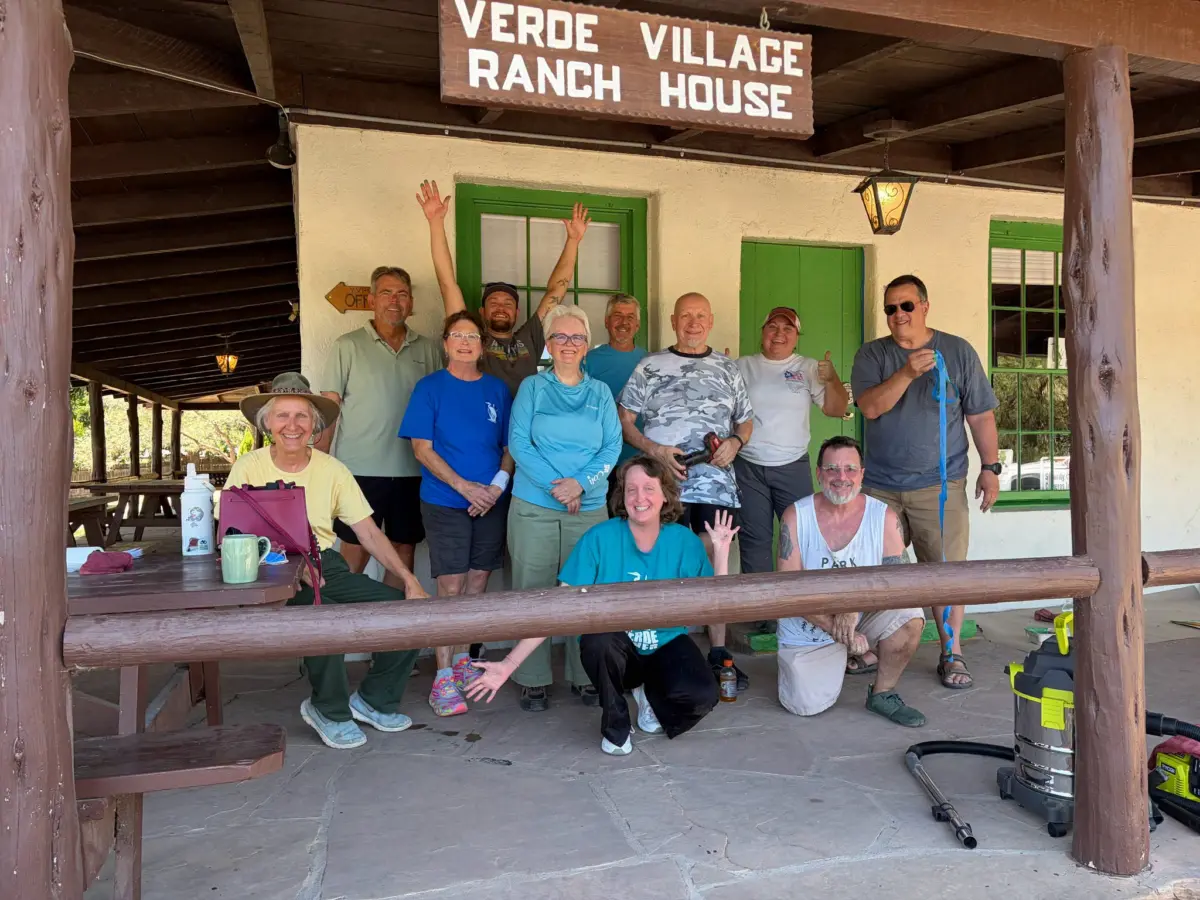
COTTONWOOD, Arizona — Beneath the warm midsummer sun of the Verde Valley, a transformative shift is taking place along the banks of one of Arizona’s most vital waterways. On July 11, 2026, a dedicated cohort of community volunteers gathered at 4855 E. Broken Saddle Drive in Cottonwood, rolling up their sleeves to revitalize a facility destined to become the ecological heartbeat of the region: the new River Center.
Spearheaded by the non-profit organization Friends of the Verde River, the volunteer workday marked a critical milestone in converting the former Verde Village Community Center into a dynamic, multi-use public hub. Though the facility remains closed to the general public as interior and exterior renovations continue, the momentum is building toward an official grand opening celebration scheduled for October 2026.
By transitioning from their former administrative office on Cottonwood’s Main Street to the physical edge of the river, Friends of the Verde River is positioning itself to bridge the gap between high-level conservation science and grassroots community action.
Main Facts: The Transformation of 4855 E. Broken Saddle Drive
The establishment of the River Center is the direct result of a landmark long-term lease agreement between Friends of the Verde River and the Verde Village Community Connection. Under the terms of this strategic partnership, the conservation group has assumed stewardship of both the community building and the adjacent 33.66-acre Nature Preserve, which directly abuts the riparian corridor of the Verde River.
+-----------------------------------------------------------------------------+
|                         THE NEW RIVER CENTER AT A GLANCE                    |
+-----------------------------------------------------------------------------+
| Location:          4855 E. Broken Saddle Drive, Cottonwood, AZ              |
| Partner:           Verde Village Community Connection                       |
| Adjacent Space:    33.66-Acre Nature Preserve along the Verde River         |
| Core Purpose:      Education, Conservation Science, Volunteer Coordination  |
| Official Opening:  October 2026                                             |
+-----------------------------------------------------------------------------+
The July 11 workday focused on transforming the aging infrastructure into an inviting, functional, and energy-efficient space. Volunteers and staff members tackled a wide array of preservation and aesthetic tasks, including:
- Interior Painting and Drywall Restoration: Refreshing classrooms, meeting spaces, and administrative offices with low-VOC, environmentally conscious paint.
- Riparian Landscaping & Habitat Restoration: Removing invasive plant species from the immediate perimeter of the building and replacing them with drought-tolerant native flora.
- Community Library Relocation: Safely moving and organizing the beloved local neighborhood library to a dedicated, accessible side portion of the building.
- Debris Removal and Facility Repairs: Clearing outdated fixtures, upgrading safety elements, and organizing tools for future conservation field deployments.
A key priority for both organizations was preserving the local community assets that residents have cherished for years. This includes the neighborhood’s micro-library, which has been integrated into the new layout.
"We know that the library is a beloved community asset, and we want everyone to know it is still here," said W. David Gressly, Executive Director of Friends of the Verde River. "We’ve moved it to the side of the building, where neighbors and visitors can continue to enjoy it, and we’ve added a few books about the Verde River."
Chronology: From Main Street to the River’s Edge
The journey toward creating a dedicated River Center has been years in the making, reflecting the rapid growth of conservation needs in Yavapai County.
   [ May 2026 ] ----------------> [ July 11, 2026 ] --------------> [ October 2026 ]
   Partnership & Lease            Community Volunteer              Anticipated Grand
   Agreement Announced            Workday & Renovations            Opening Celebration
Phase 1: The Strategic Shift (Spring 2026)
For years, Friends of the Verde River operated out of a traditional storefront office on Cottonwood’s historic Main Street. While highly visible to tourists, the location lacked direct access to the river and space for public education programs. In May 2026, the organization finalized its lease with the Verde Village Community Connection, securing a permanent home directly adjacent to the river’s edge.
Phase 2: Structural and Ecological Upgrades (Summer 2026)
Following the lease signing, staff and ecological consultants began assessing the 33.66-acre Nature Preserve. The July 11 workday served as the first major public mobilization event, transitioning the project from planning to physical execution. Throughout August and September, specialized contractors will complete electrical, plumbing, and ADA-accessibility upgrades.
Phase 3: The Grand Opening (Autumn 2026)
Scheduled for October, the grand opening will unveil interactive educational exhibits, a dedicated volunteer dispatch station, and curated guided trail walks through the nature preserve. This event is expected to draw regional environmental policymakers, local business owners, and outdoor enthusiasts.
Supporting Data: The Ecological and Economic Imperative of the Verde River
The Verde River is one of the last surviving, healthy free-flowing perennial river systems in the American Southwest. Spanning approximately 150 miles from its headwaters near Paulden to its confluence with the Salt River near Phoenix, the river serves as a life-sustaining artery for both human populations and diverse wildlife.
                          THE VERDE RIVER WATERSHED

                       [ Upper Verde Headwaters ]
                                   |
                                   v
             +------------- [ VERDE RIVER MAINSTEM ] -------------+
             |                     |                              |
             v                     v                              v
       Oak Creek         Fossil Creek                Sycamore Creek
             |                     |                              |
             +---------------------+------------------------------+
                                   |
                                   v
                      [ Lower Verde / Salt River ]
Critical Tributaries and Watershed Geography
The Friends of the Verde River works collaboratively to protect not only the mainstem of the river but also its primary tributaries, which dictate the overall health of the watershed:
- Oak Creek: Renowned for its scenic beauty in Sedona, it faces heavy recreational pressure and water quality challenges.
- Fossil Creek: A designated Wild and Scenic River famous for its travertine pools and unique native fish populations.
- Granite Creek: Flowing through Prescott, this tributary connects urban runoff challenges directly to the upper river.
- Sycamore Creek: A rugged, largely wilderness-protected canyon tributary providing crucial clean water inflows.
The Ecological Significance of the 33.66-Acre Nature Preserve
Riparian zones make up less than 1% of Arizona’s total landmass, yet they support over 80% of the state’s wildlife species at some point in their life cycles. The nature preserve managed by the River Center serves as a critical buffer zone.

By actively managing this acreage, Friends of the Verde River can directly combat invasive species like Arundo (Arundo donax) and Tamarisk (Tamarix spp.), which consume vast quantities of water and crowd out native cottonwood and willow trees.
Official Responses: Community and Leadership Perspectives
The transition to the River Center has generated widespread enthusiasm among conservationists, local government officials, and community volunteers alike.
David Gressly, who assumed the role of Executive Director bringing a wealth of international leadership and strategic management experience to the organization, emphasized that the River Center is fundamentally a collaborative achievement.
"We are incredibly grateful to everyone who came out to lend a hand," Gressly stated during the July workday. "Every brushstroke, every repair, and every hour volunteered brings us one step closer to opening the River Center for the community. This project is possible because of the generosity and dedication of our supporters."
Local volunteers also expressed pride in contributing to a project with multigenerational benefits.
"Many of us have lived in Verde Village for decades and watched this community center evolve," said Sarah Jenkins, a local resident and volunteer who assisted with the library relocation. "Seeing it preserved and integrated with a conservation mission is the best possible outcome. It keeps our neighborhood’s history alive while actively protecting the river that makes this valley so beautiful."
Regional Implications: A New Model for Southwest Conservation
The establishment of the River Center carries profound implications for the future of water management, environmental education, and eco-tourism in Northern Arizona.
+----------------------------------------------------------------------------+
|                       POTENTIAL REGIONAL IMPACTS                           |
+----------------------------------------------------------------------------+
| • Educational Outreach: Serving over 5,000 local K-12 students annually.   |
| • Citizen Science: Expanding water quality monitoring and bird surveys.    |
| • Economic Growth: Boosting eco-tourism in Yavapai County.                 |
| • Policy Innovation: Providing a neutral venue for regional water talks.   |
+----------------------------------------------------------------------------+
1. Decentralized Environmental Education
By providing a physical space equipped with classrooms and direct trail access, the River Center will allow school districts throughout Yavapai County to implement hands-on STEM curricula. Students will be able to collect water samples, identify native macroinvertebrates, and observe river dynamics in real-time, fostering a new generation of environmental stewards.
2. Citizen Science and Resource Management
The River Center will serve as a launchpad for the organization’s robust citizen science initiatives. Volunteers will be trained to conduct bird surveys, monitor base flows, and track water quality metrics. This data is critical for state and federal agencies tasked with managing Arizona’s increasingly strained water resources.
3. Climate Resilience and Water Security
As the American Southwest grapples with prolonged drought cycles and rising average temperatures, the preservation of riparian corridors is more critical than ever. Healthy river systems naturally mitigate flood risks, recharge local aquifers, and lower ambient temperatures in surrounding areas. The River Center’s restoration work will directly enhance Cottonwood’s climate resilience.
4. Eco-Tourism and Sustainable Economic Growth
Outdoor recreation along the Verde River is a major economic driver for Cottonwood, Clarkdale, and Camp Verde. By developing a clean, educational, and well-maintained nature preserve, the River Center will attract responsible tourists, boosting revenue for local hotels, restaurants, and outdoor outfitters while promoting Leave No Trace principles.
Looking Ahead: The Countdown to October
As the summer progresses, Friends of the Verde River will continue to share updates regarding the upcoming October grand opening. The organization invites community members, business owners, and regional stakeholders to follow their progress, sign up for future volunteer workdays, and explore donation opportunities to support the final stages of construction.
For more information on the River Center, upcoming events, or how to support watershed conservation efforts, visit verderiver.org.
