

Main Facts
At 86 years old, Fritz Hasler is defying conventional expectations of aging through a deep, hands-on commitment to electric mobility. Having owned seven electric bikes (e-bikes) over the past decade—with three currently operational—Hasler’s journey offers a rare, long-term perspective on the booming e-bike industry. His experiences highlight both the liberating potential of electric pedal-assist bicycles and the systemic pitfalls plaguing the modern market, from proprietary battery ecosystems to fragile motor designs.
For Hasler, who lives with a compromised vestibular system following a 2017 water ski accident, the e-bike has proven to be an unexpected equalizer. Despite struggling with uneven ground and stairs, Hasler finds that cycling bypasses his balance issues entirely, allowing him to navigate challenging off-road single-track trails and daily routes alike.
However, his enthusiasm is tempered by hard-earned consumer wisdom. Out of the seven e-bikes he has purchased, four had to be permanently abandoned. The primary culprit was not mechanical wear and tear on standard components like chains or brakes—which any local bike shop can service—but proprietary electrical infrastructure. When specialized motors, controllers, or batteries fail, and manufacturers either go out of business or fail to supply replacement parts, owners are frequently left holding high-end paperweights.

Hasler’s core thesis to prospective buyers is direct: stick to industry giants like Specialized, Trek, or Bulls, purchase exclusively through reputable, established e-bike dealerships, and exercise extreme caution regarding specific motor technologies, particularly those manufactured by Brose.
Chronology of an E-Bike Pioneer
2012: The Spark of Inspiration
Hasler’s introduction to the technology occurred in 2012 when a local bike shop owner returned from a trade show with a demo model of a European Cannondale e-bike. At the time, these models lacked official US warranties and were not even cleared for standard retail sale. Intrigued, Hasler took the bike out for a spin, tackling a steep local trail that would normally demand strenuous athletic exertion.
"I was immediately sold on e-bikes," Hasler recalls. He realized almost instantly that electric propulsion effectively neutralized the three most persistent barriers to cycling: conquering steep inclines, battling stiff headwinds, and arriving at a destination drenched in sweat and physical exhaustion.
2014–2016: Expanding the Fleet and Overcoming Hurdles
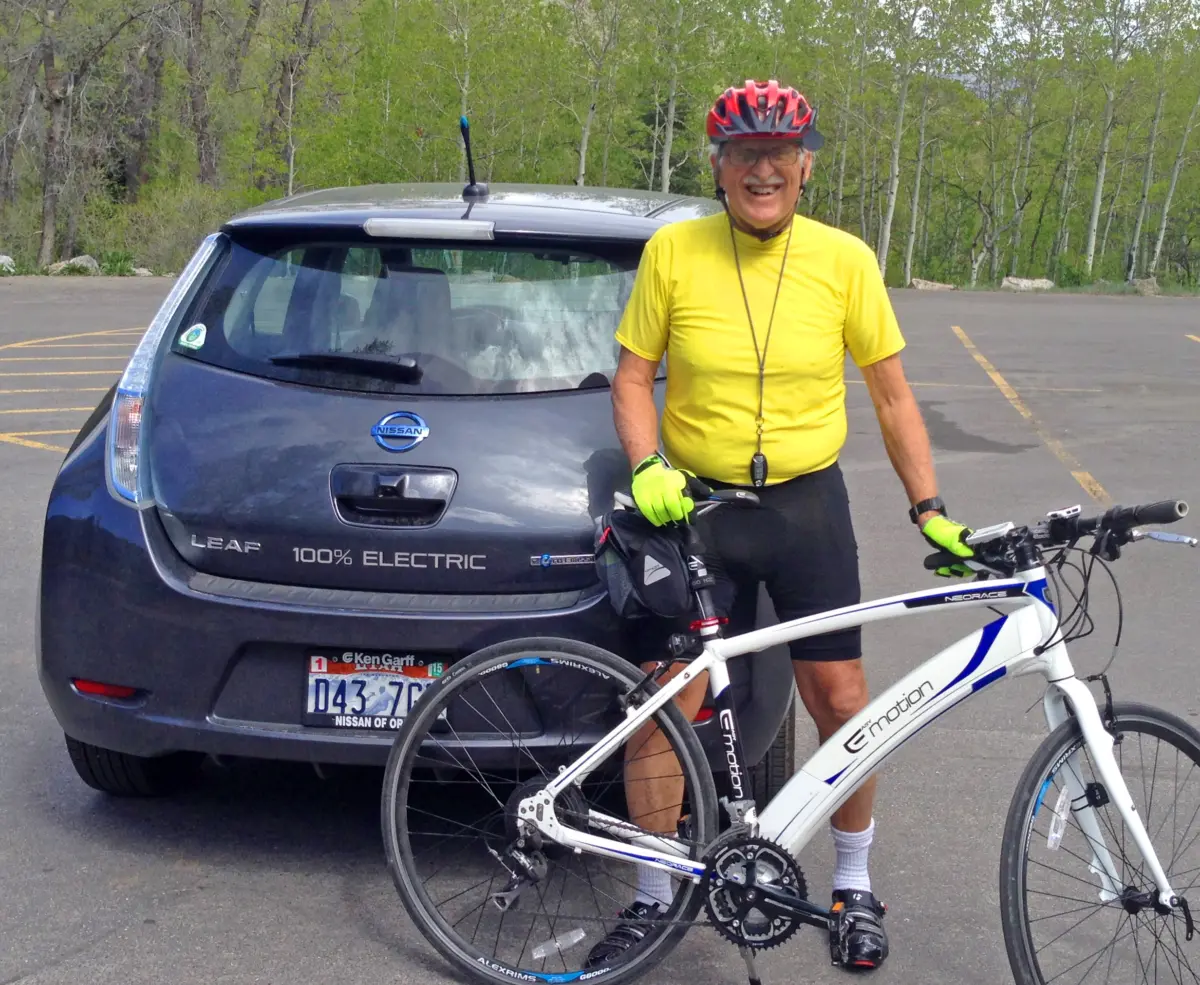
By May 2014, Hasler was pairing his e-bike use with an electric vehicle, capturing photos alongside his Nissan Leaf near the Mount Timpanogos Aspen Grove Trail in Utah. As the market slowly expanded, he and his family integrated e-bikes into their routines across multiple states.
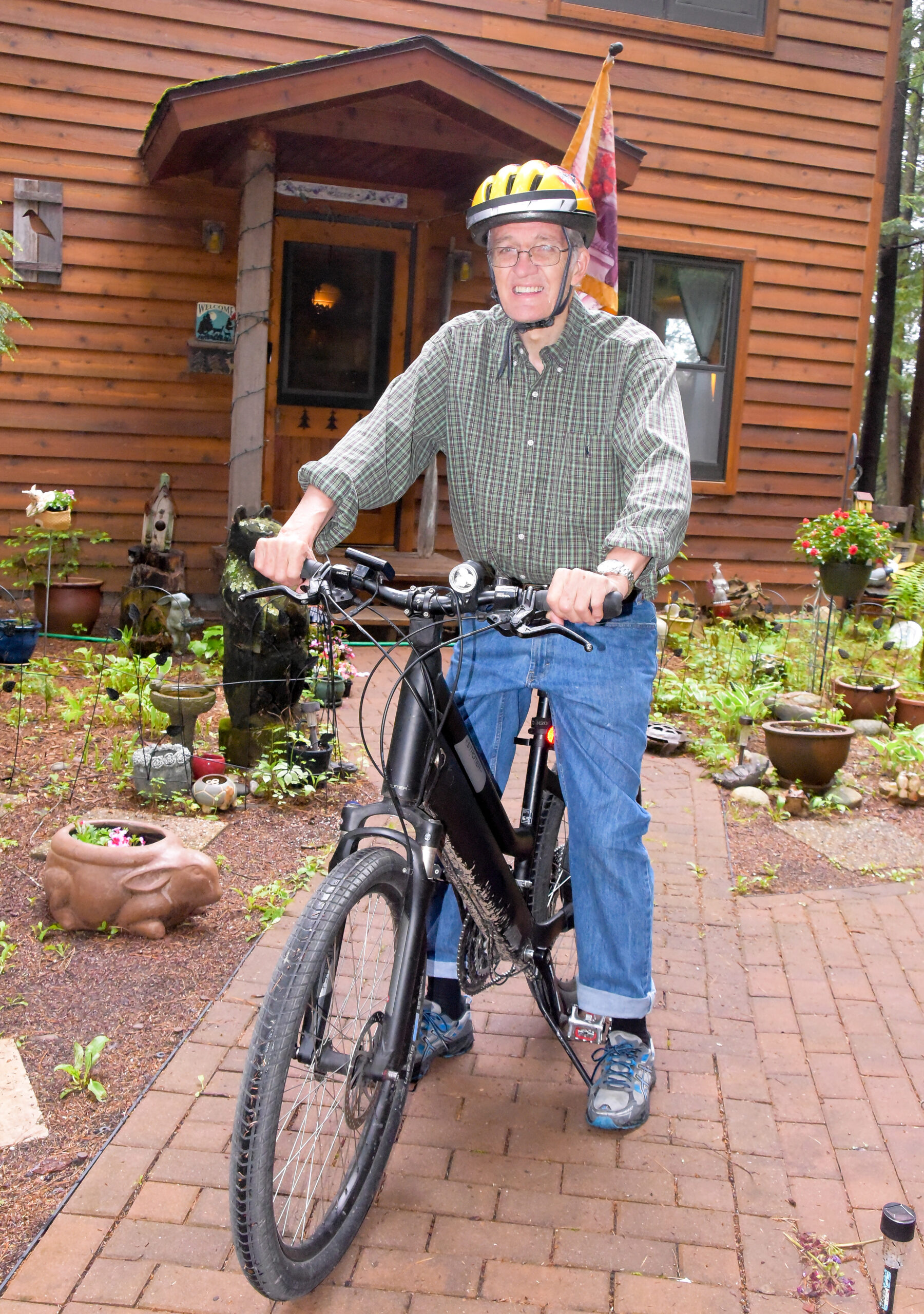
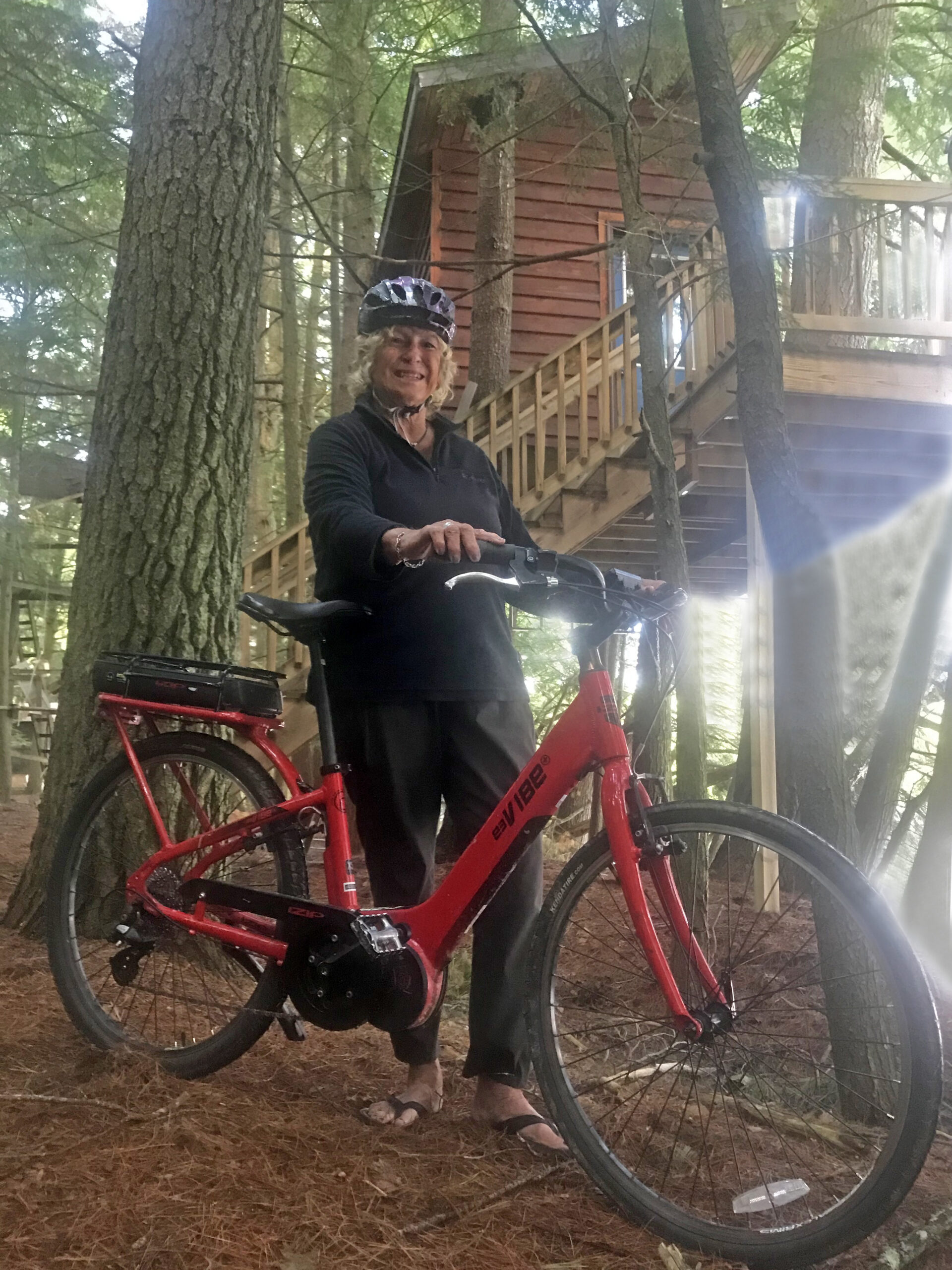
In June 2015, his brother was spotted riding a Swiss Strommer e-bike at Camp Hasler in Three Lakes, Wisconsin. Shortly after, in 2016, Hasler purchased an iZip E3 Vibe mid-drive step-thru beach bike for his wife, Mary, establishing a dual-bike household model that he maintains to this day.
2021–2026: Pushing Limits into the Eighties
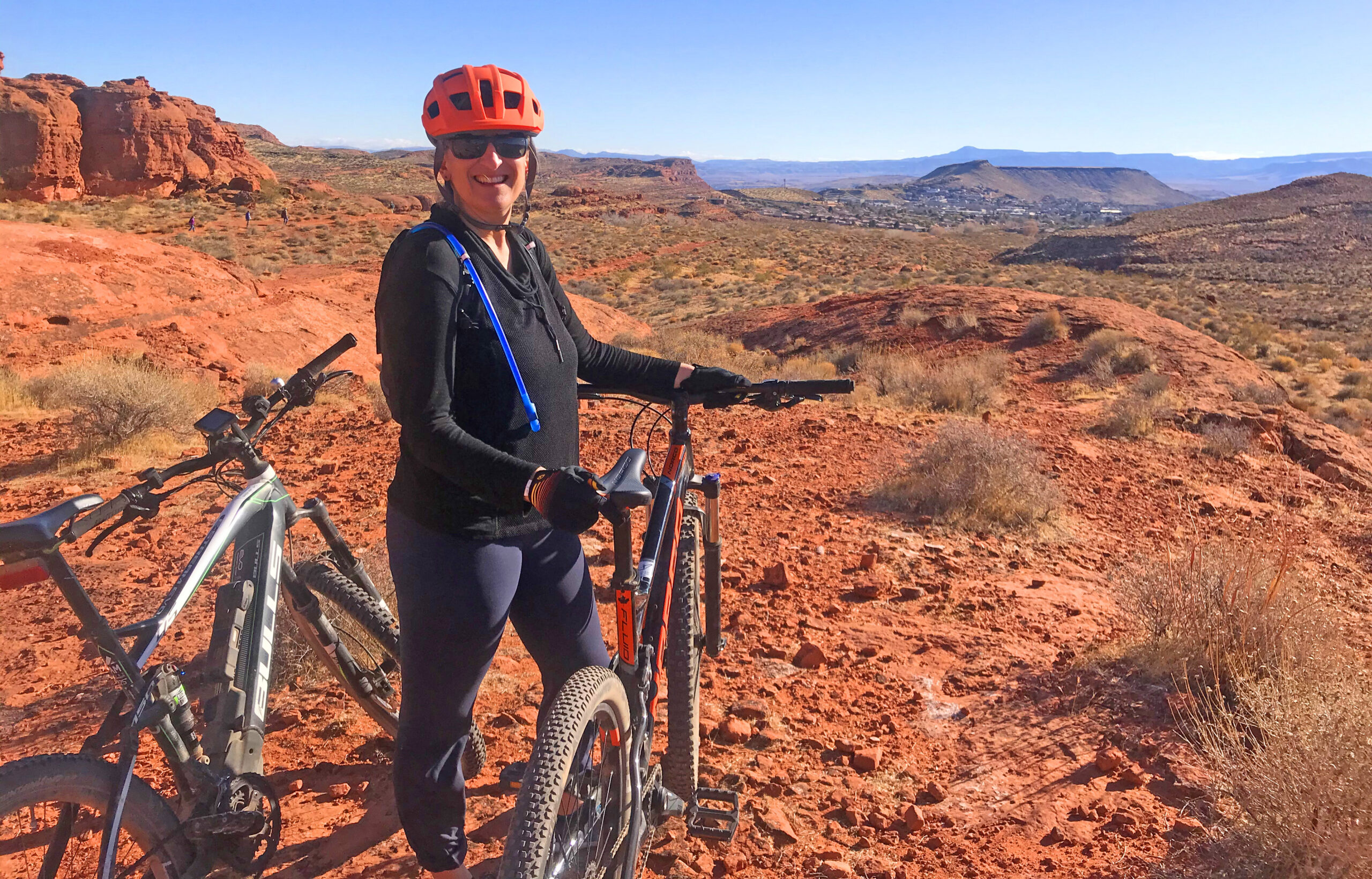
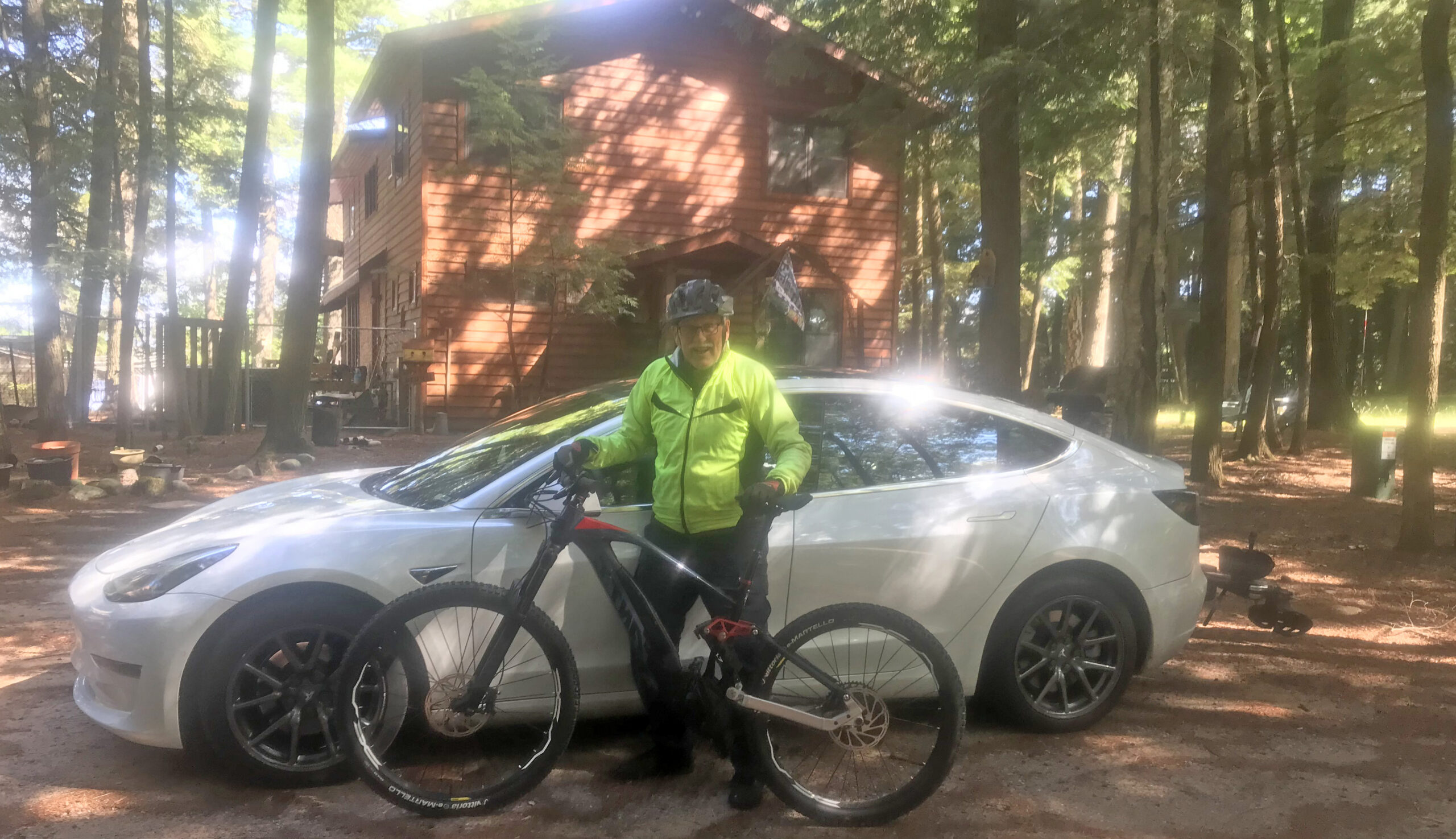
As Hasler advanced into his eighties, his riding habits only intensified. In January 2021, he was documented riding a Bulls full-suspension Class 3 mountain e-bike alongside his daughter on the rugged SlickRock mountain bike trails in St. George, Utah. Later that year, he paired his riding lifestyle with a Tesla Model 3 while operating a Fantic XMF 1.7 Class 1 mid-drive mountain e-bike in Wisconsin.
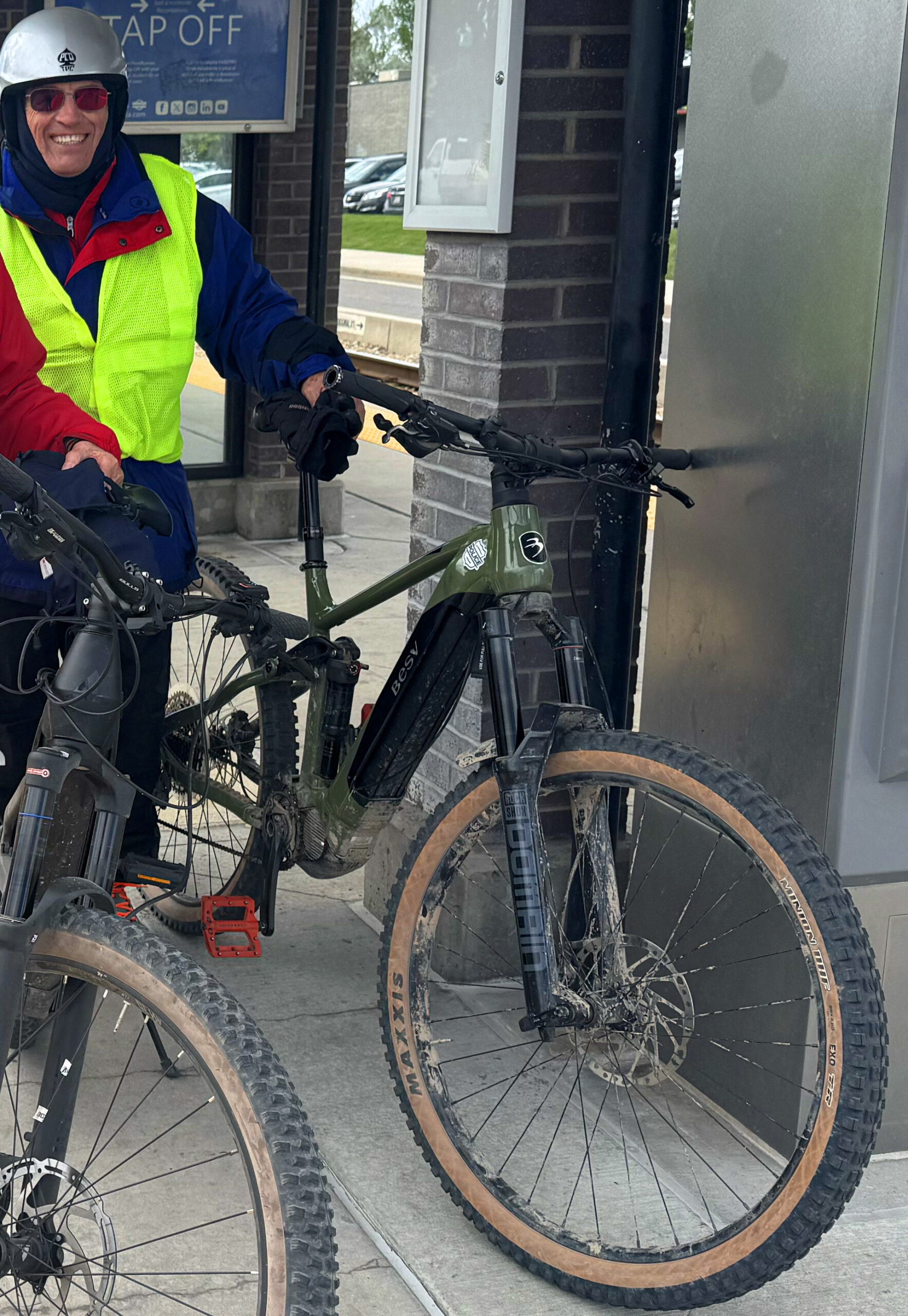
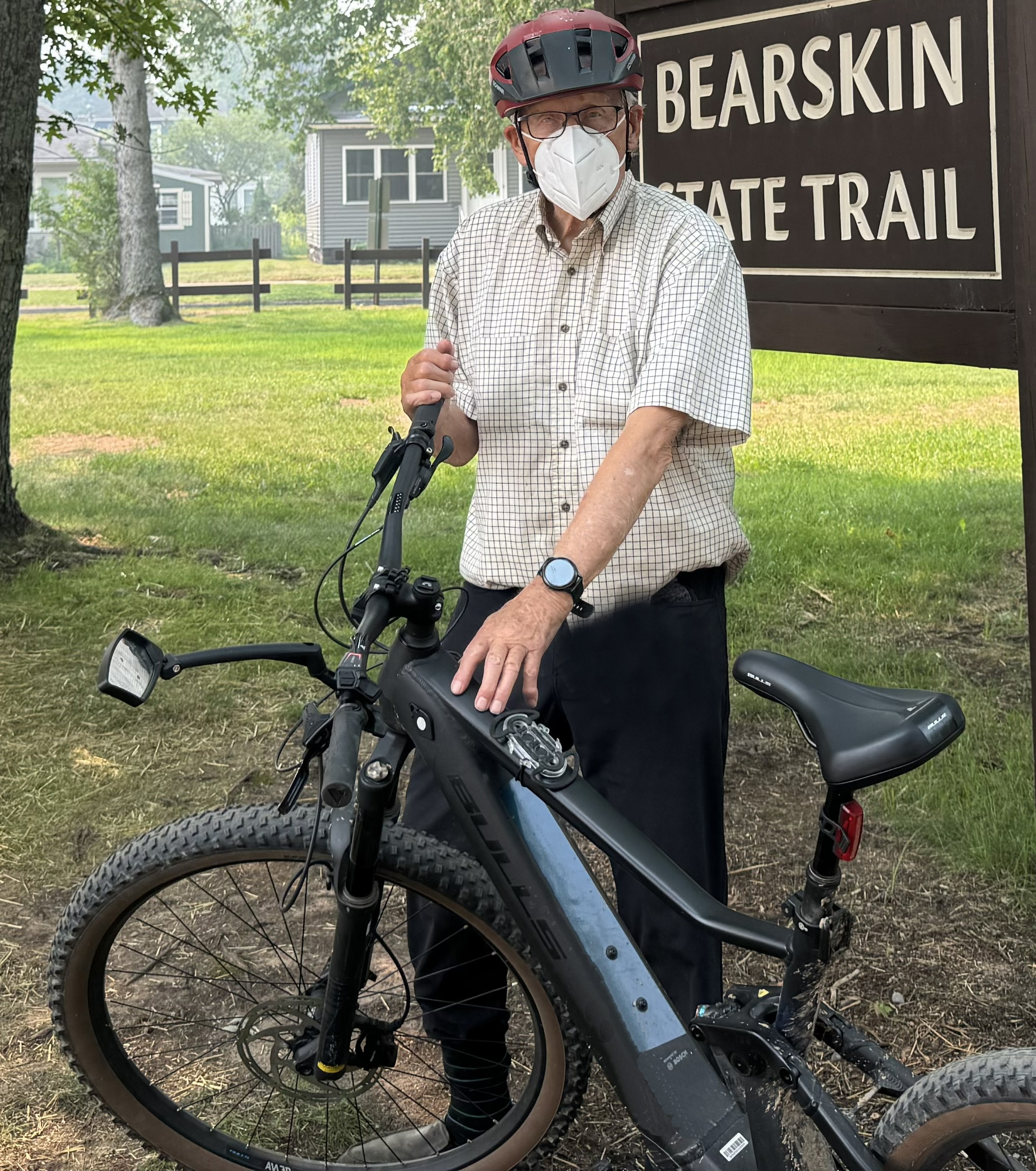
By 2026, Hasler’s stable evolved to include more economical options, such as a BESV mountain e-bike ridden by his brother near Salt Lake City’s River Trail TRAX station in April 2026, and a robust Bulls Copperhead full-suspension, big-battery mid-drive e-bike used on the Bear Skin Trail in Minocqua, Wisconsin, in June 2026. Maintaining a two-bike rotation has allowed Hasler to ride nearly every day, even when one machine is inevitably held up in shop maintenance.
Supporting Data: The Anatomy of E-Bike Attrition
Hasler’s ownership history provides a striking dataset on the reliability and lifespan of early-to-mid-generation e-bikes in the American market:
- Total Units Purchased: 7
- Currently Operational Units: 3
- Abandoned Units: 4 (Bikes 1 through 4)
- Primary Cause of Attrition: Non-standardized electrical components, unsupportable battery obsolescence, and prohibitive repair costs relative to the bike’s residual value.
The Right-to-Repair Disconnect
A conventional bicycle is a marvel of standardized engineering. Whether a rider owns a vintage Schwinn or a modern carbon-fiber road bike, standard components—wheels, tires, derailleurs, cables, and hydraulic brakes—can be serviced or replaced at virtually any full-service local bike shop.
E-bikes disrupt this universal service model. While traditional mechanical components remain repairable anywhere, the propulsion system—the motor, battery, control console, and internal wiring harness—creates a distinct bottleneck.
- Proprietary Ecosystems: Unlike personal computers or automobiles, which often feature aftermarket or standardized parts, the e-bike industry relies heavily on proprietary design. Each manufacturer typically uses custom-molded frame cavities to house batteries unique to that specific model or frame geometry.
- Domestic Manufacturing Deficit: While hundreds of brands market their e-bikes in the United States, virtually none manufacture their frames, motors, or battery management systems domestically. When a specialized electrical component fails, local shops are frequently unequipped to service it. Repairs often require shipping the entire unit back to a US distributor—if one even exists—or waiting months for overseas parts.
- The Corporate Mortality Risk: The e-bike boom has seen a massive influx of startup brands. When a boutique or direct-to-consumer e-bike company goes bankrupt or pivots its product line, its proprietary batteries instantly cease production. An owner left with a discontinued battery model faces a stark reality: an otherwise pristine, high-end bicycle frame becomes a heavy, unpowered liability that must be abandoned.
Motor Reliability Analysis
Hasler’s extensive mileage across various drive systems has led him to form strict opinions regarding motor brands. Having experienced four separate repair or replacement cycles with Brose motors, he explicitly advises prospective buyers to avoid them. His current stable relies on a mix of Brose, Bosch, and Shimano drive systems, with Bosch and Shimano demonstrating superior long-term reliability in his day-to-day use.
Official Responses and Industry Context
The challenges highlighted by Hasler’s decade-long experience mirror broader anxieties within the micro-mobility sector. Consumer advocacy groups and right-to-repair organizations have increasingly scrutinized the e-bike industry for its lack of standardization.
Industry analysts point out that the rapid pace of e-bike adoption—fueled by urban congestion, climate initiatives, and an aging demographic looking for low-impact exercise—has outpaced regulatory frameworks for consumer protection and standardization. While automotive and consumer electronics industries face growing pressure from "Right to Repair" legislation (such as laws passed in states like New York and Minnesota), the bicycle industry has historically operated under lighter regulatory oversight regarding modular component design.
Major legacy brands, including Trek and Specialized, have defended their proprietary designs by citing safety, weatherproofing, and integration standards. High-voltage lithium-ion battery packs require rigorous thermal management and structural integration, which manufacturers argue necessitates custom engineering rather than off-the-shelf modularity.
However, independent bike dealers (IBDs) frequently voice frustration over the burden placed on local shops. Many service technicians find themselves caught between loyal customers demanding repairs and manufacturers who refuse to supply schematics, diagnostic software, or individual replacement cells, instead forcing entire battery pack replacements that can cost upwards of $800 to $1,500.
Implications for Consumers and the Future of E-Mobility
Fritz Hasler’s journey from a curious 2012 demo rider to an 86-year-old trailblazer offers crucial takeaways for the future of clean transportation, aging-in-place technology, and consumer rights.
1. The Longevity Potential for Aging Populations
As global populations age, maintaining cardiovascular health, mobility, and community connection is paramount. Hasler’s experience proves that e-bikes can successfully compensate for diminishing leg strength and minor balance impairments. By removing the fear of steep climbs and exhaustion, e-bikes transform cycling from a grueling athletic test into an accessible, daily mode of transportation and recreation. The implications for senior mobility, mental health, and active lifestyles are profound.
2. The Urgent Need for Industry Standards
Hasler’s casualty rate of four out of seven bikes underscores an unsustainable economic and environmental model. Discarding an entire, expensive bicycle frame simply because a proprietary lithium-ion battery or motor controller is no longer manufactured flies in the face of the sustainability ethos that underpins the clean transportation movement. If e-bikes are to truly replace automobile trips on a mass scale, the industry must move toward standardized battery form factors, open diagnostic protocols, and long-term parts availability guarantees.
3. Practical Guidance for Today’s Buyers
Until regulatory bodies or market pressures force manufacturers to standardize, consumers must navigate the e-bike landscape with caution. Hasler’s final "moral of the story" serves as an essential consumer guide:
- Buy Big: Stick to established, well-capitalized brands (such as Specialized, Trek, or Bulls) with robust dealer networks that are likely to exist a decade from now.
- Shop Local: Purchase through dedicated, long-standing e-bike shops that can offer hands-on diagnostics and maintain relationships with major distributors.
- Vet the Motor: Research motor reliability thoroughly, paying attention to user forums and technician feedback regarding brands like Bosch and Shimano versus more problematic alternatives.
- Maintain a Backup: For avid riders, owning a secondary bike ensures that maintenance downtime—an inevitable reality of complex mechanical and electrical machines—does not disrupt an active lifestyle.
Ultimately, Fritz Hasler’s story is a celebration of what is possible when human determination meets modern clean technology. Yet, it remains a cautionary tale of a market still finding its footing—reminding us that true sustainability requires not just zero-emission travel, but products built to endure.
