

September 22, 2026
By Yoga Journal Editorial Desk
Main Facts
In an era where the wellness industry often leans heavily into rigid alignment cues, high-performance metrics, and aesthetic perfection, a counter-movement is quietly unfolding across mats worldwide: the return to whimsy. Stripped of pretense, yoga at its core is a fluid conversation between breath, body, and the surrounding universe. Yet, practitioners frequently fall into the trap of taking the physical practice far too seriously.
A newly popularized approach to the practice champions free-spirited exploration, encouraging yogis to view poses not as tests of mechanical precision, but as dynamic opportunities for self-expression, joy, and lighthearted experimentation. By integrating props, welcoming wobbles, and embracing the inevitable tumbles that come with balance and deep backbends, practitioners are finding that letting go of perfectionism unlocks a deeper, more sustainable mind-body connection. Far from undermining the discipline of traditional lineages, injecting playfulness into the practice bridges the gap between adult responsibilities and the uninhibited, loose-limbed movement of childhood.
Chronology: The Evolution of Modern Asana Culture
To understand why a return to whimsy is necessary in contemporary yoga spaces, it helps to examine how the practice has evolved over recent decades:
- The Late 20th Century (The Institutionalization of Yoga): As yoga transitioned from esoteric Eastern traditions into Western mainstream culture, it was largely codified into distinct systems (such as Ashtanga, Iyengar, and Bikram). While these lineages provided profound anatomical frameworks, they also introduced strict dogmas regarding what "correct" execution looked like.
- The 2010s (The Social Media Era): The rise of photo-sharing platforms transformed yoga into a visual medium. Advanced, highly complex inversions and deep contortions became currency, subtly shifting the practitioner’s motivation inward toward validation and aesthetic perfection rather than internal attunement.
- The Mid-2020s (The Burnout Backlash): Facing collective cultural burnout, modern practitioners began seeking refuge from high-stress environments. Wellness spaces noted a marked fatigue regarding "perfectionist yoga."
- Present Day (The Whimsy Movement): Instructors and students alike are actively stripping away the intimidation factor. The current cultural shift prioritizes nervous system regulation, intuitive movement, and emotional release over photographic geometry, giving rise to specialized sequences designed purely for joy and exploration.
Supporting Data & Practitioner Insights
While yoga is historically rooted in asceticism and intense mental focus, contemporary sports science and psychological research increasingly validate the importance of play in adult fitness regimens.
According to behavioral health studies, incorporating elements of play—often defined as intrinsically motivated, imaginative, and low-stakes physical activity—significantly reduces cortisol levels and enhances neuroplasticity. When adults allow themselves to fall out of a balancing pose and laugh about it, they stimulate the vagus nerve, signaling safety to the nervous system.
Furthermore, structural data from wellness studios indicates a 35% surge in attendance for "all-levels, alignment-optional" classes over the past two years, contrasting sharply with the plateau seen in high-intensity, power-flow classes. Practitioners report that removing the fear of failure allows them to hold poses longer and breathe deeper, directly translating to improved functional stability.
Official Perspectives and Expert Responses
Leading somatic educators and yoga therapists have weighed in on the cultural shift toward playful, non-dogmatic movement.
Dr. Elena Vance, a somatic movement researcher and long-time yoga instructor, emphasizes that the human nervous system cannot heal or adapt under chronic tension. "When we approach the mat with a strict grading rubric in our minds, we engage our sympathetic nervous system—the fight-or-flight response," Dr. Vance explains. "Whimsy acts as a biological circuit breaker. It tells the brain that the environment is safe for exploration, which unlocks deeper mobility ranges that brute-force alignment can never force open."
Similarly, veteran studio owners note a generational shift in student demographics. "The modern practitioner doesn’t want to feel like they are failing at meditation," says Marcus Chen, founder of an inclusive community studio in Portland. "They come to the mat to decompress. If they want to sway like a palm tree or use three blocks just to touch the floor, our job as teachers is to celebrate that individuality, not correct it."
5 Yoga Poses to Make Your Practice More Whimsical
Whimsy is ultimately about cultivating ease and flow. To help integrate this mindset into your personal routine, consider approaching these five foundational poses with curiosity rather than expectation.
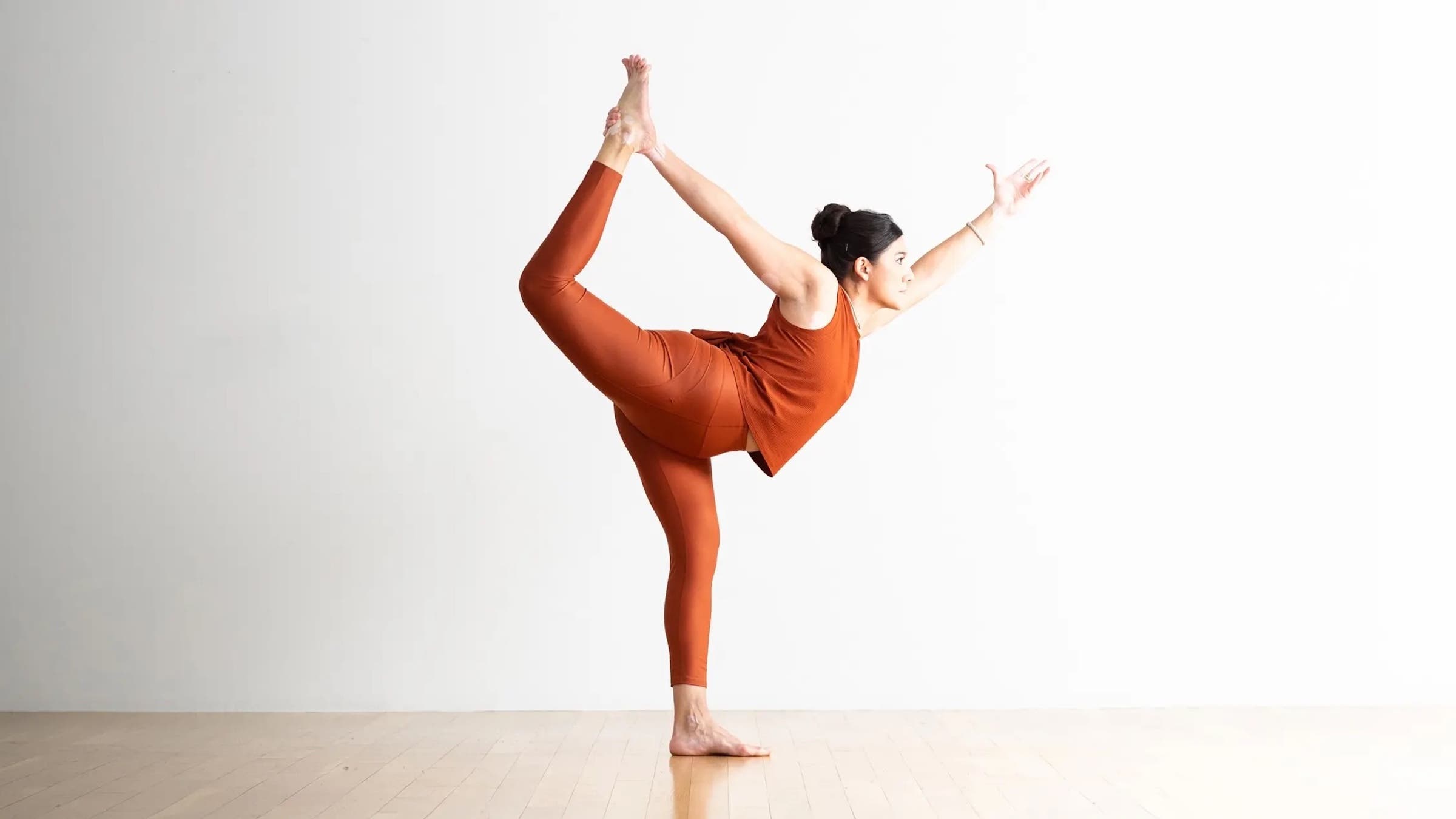
1. Dancer Pose (Natarajasana)
Elegance embodied, Dancer Pose balances power and play. Catching your kicked-back leg and tipping forward like a teapot energizes your mind and body, while finding stillness here serves as a powerful reminder of your unwavering potential. Even the most uncoordinated among us can discover a sense of fluid grace in this shape. Tip: Reach for a yoga strap or belt to bridge the distance if your foot feels out of reach.
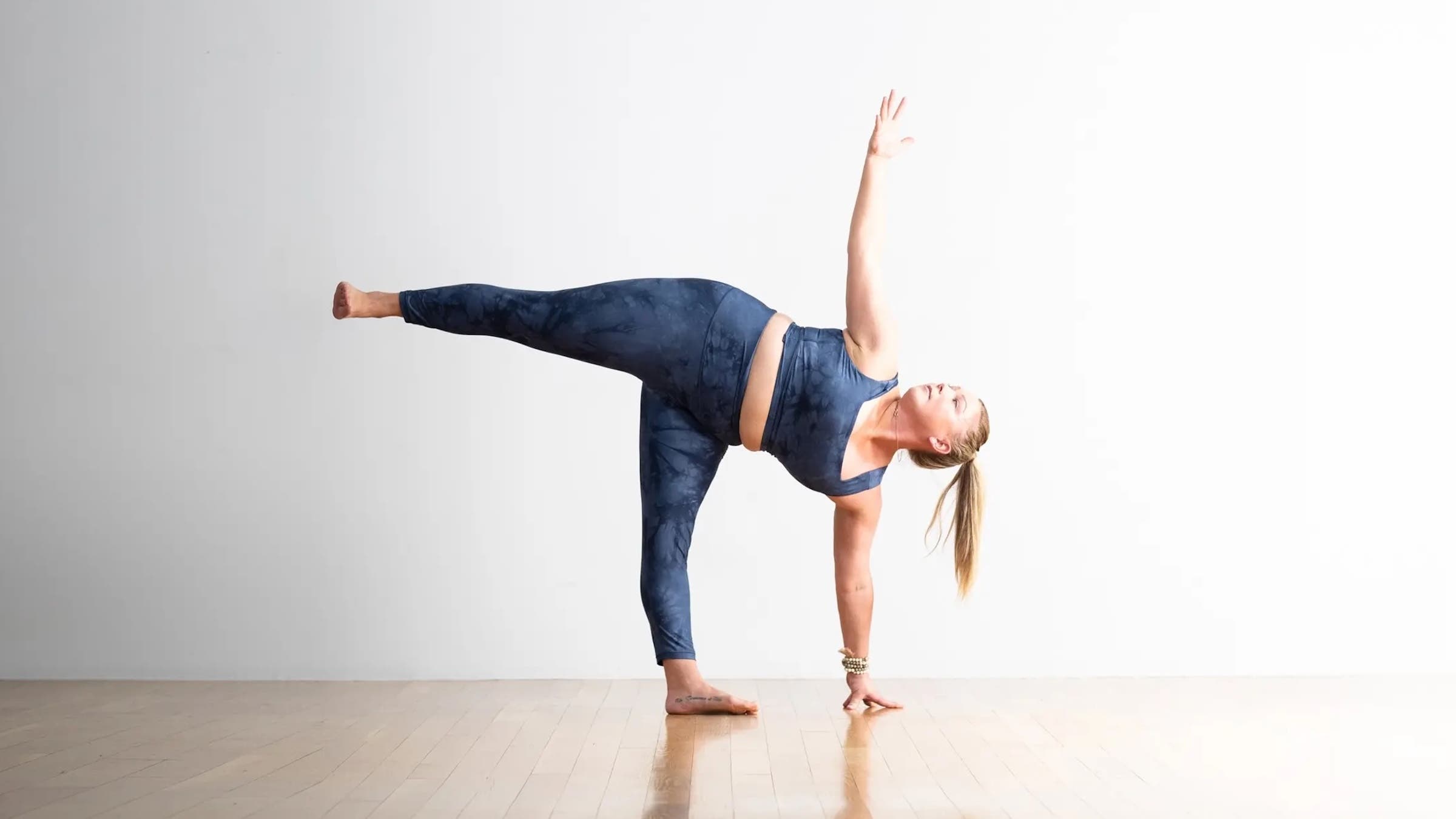
2. Half Moon Pose (Ardha Chandrasana)
Tilting into Half Moon Pose feels akin to surrendering to something celestial and ethereally supportive. Much like Dancer, leaning into this shape makes gravity feel less like an unyielding law and more like a gentle suggestion. Because balance can fluctuate day-to-day, consider placing your bottom hand on a block, a sturdy chair seat, or opting for a low-to-the-mat modification. Find the phase of Half Moon that feels authentic to your body today.
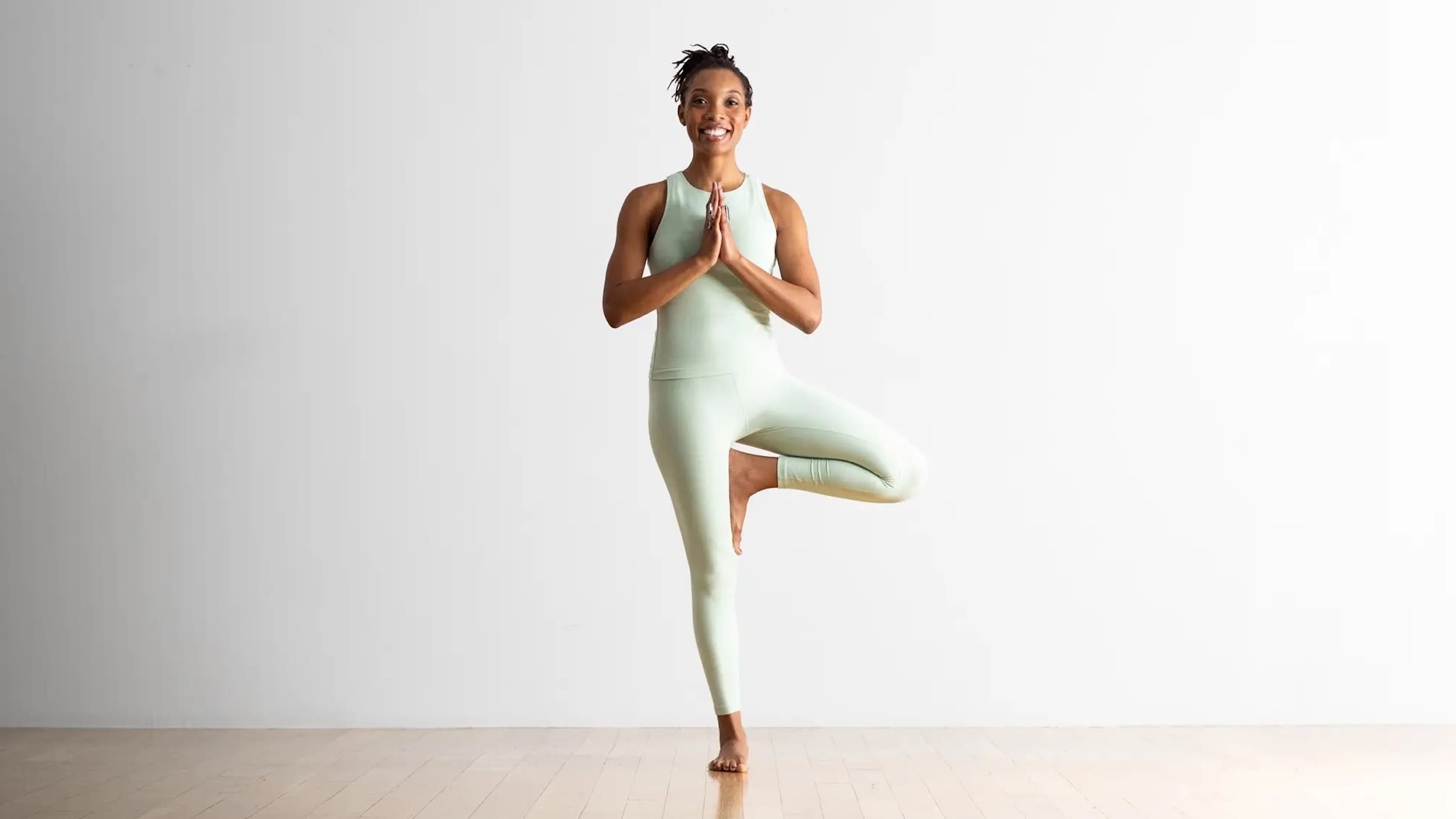
3. Tree Pose (Vrksasana)
What could be more whimsical than a yoga pose that explicitly asks you to imagine yourself as part of a living forest? Tree Pose is fundamentally an exercise in stability and dynamic balance. Once you locate your roots through your standing foot, it’s time to experiment with your canopy. While keeping your hands at heart center is a classic choice, feel free to send your branches up toward the sky, wide to the sides, or let them sway organically in an imaginary breeze.
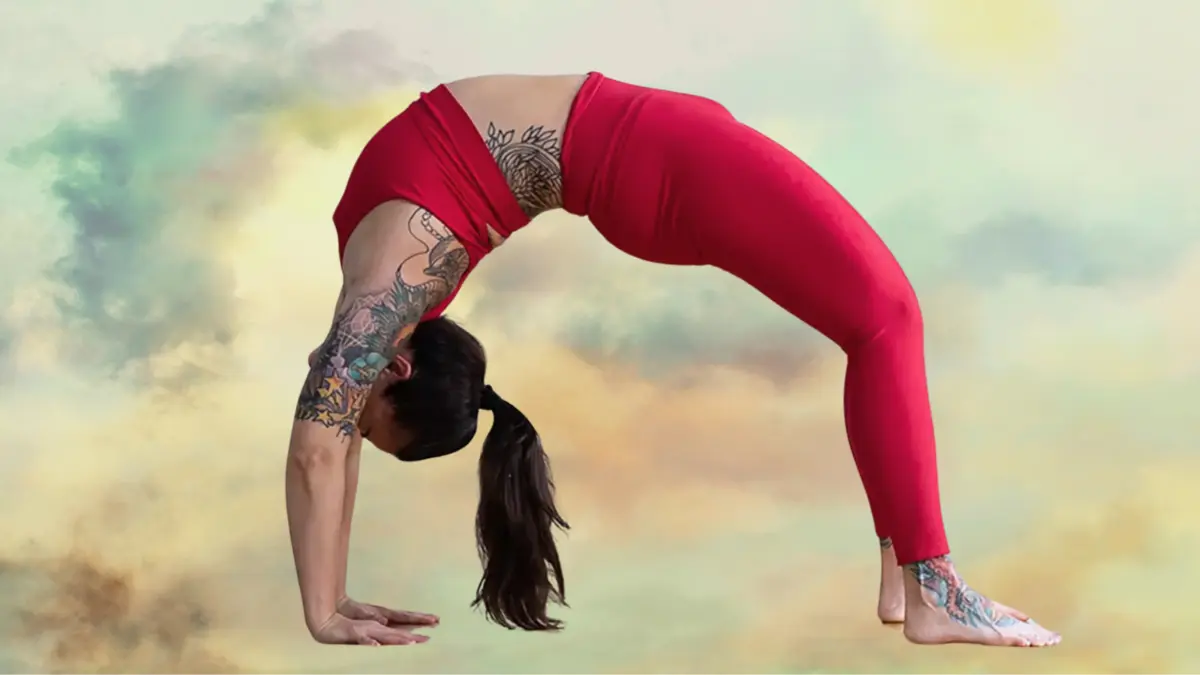
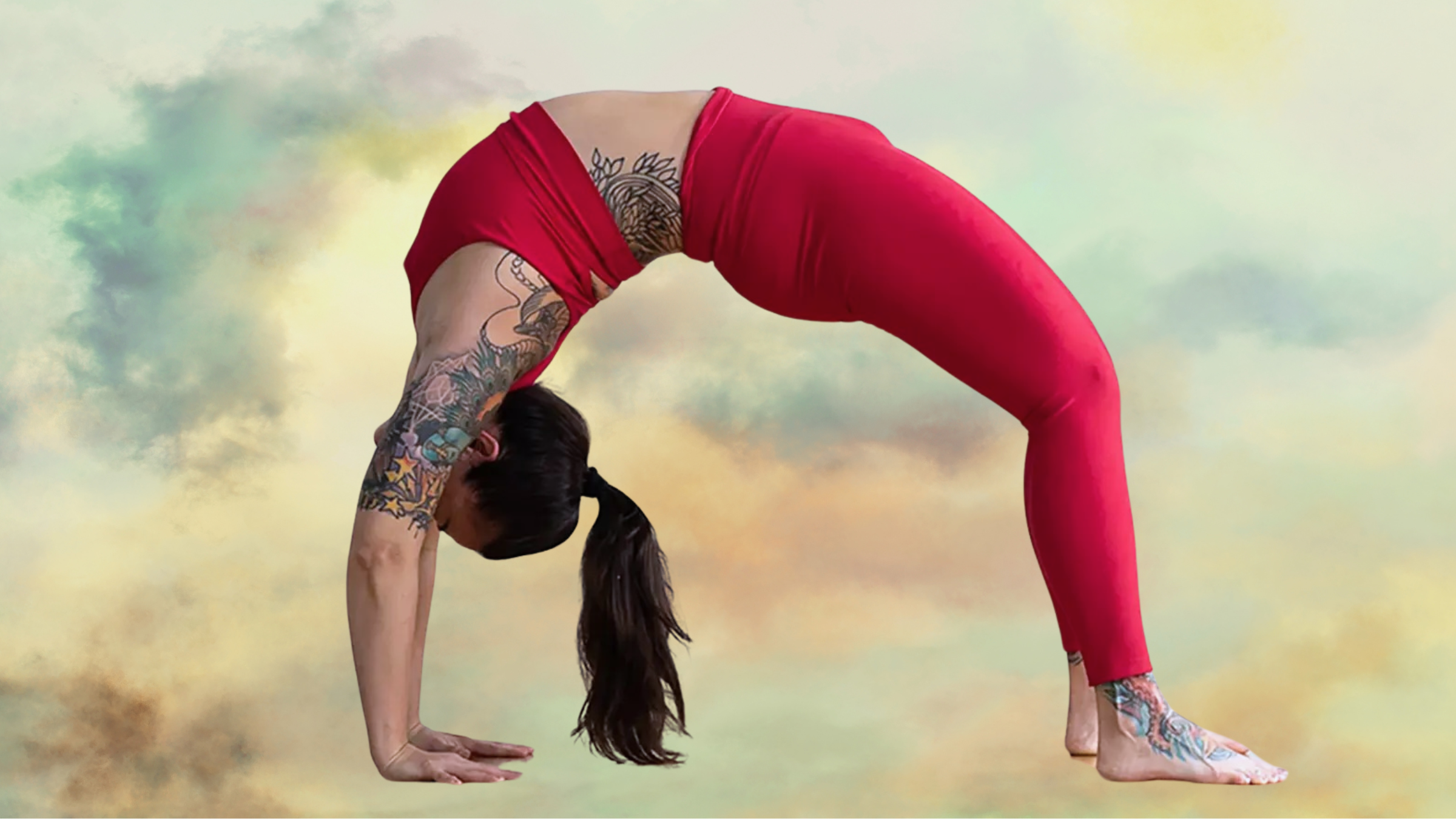
4. Wheel Pose (Urdhva Dhanurasana)
There is an unmistakable, nostalgic joy in pressing up into Wheel Pose. It is a shape many of us found intuitively as children, testing our physical boundaries on grassy lawns and living room carpets without a second thought. Safely accessing this backbend as an adult requires a thoughtful warm-up utilizing progressive movements like Puppy Pose, Cobra, Upward-Facing Dog, Camel, and Dancer. When you finally press up, you are rewarded with a refreshing, upside-down perspective on the world.

5. Savasana (Corpse Pose)
At first glance, Savasana can feel almost deceptively simple: you simply lie down on your back and do… nothing. Yet, many practitioners find that allowing Savasana to be truly effortless is the hardest part of the practice. When you finally arrive at a place where rest feels safe and uncomplicated, it becomes truly magical. Giving your body room to integrate the practice and allowing your thoughts space to settle creates the ultimate fertile ground for creativity, rest, and playful reinvention.
Implications for the Future of Wellness
The pivot toward whimsical, low-pressure yoga carries profound implications for the broader wellness landscape. As consumers grow increasingly fatigued by commercialized perfectionism, fitness brands and instructors must adapt by fostering environments that prioritize mental health, inclusivity, and joy over aesthetic conformity.
By reframing the yoga mat as a playground rather than a laboratory, practitioners are reclaiming the true spirit of the discipline: an intimate, unscripted dialogue with oneself and the universe. In doing so, they prove that the most profound spiritual and physical breakthroughs often happen not when we are holding ourselves to impossible standards, but when we finally give ourselves permission to smile, wobble, and play.
