

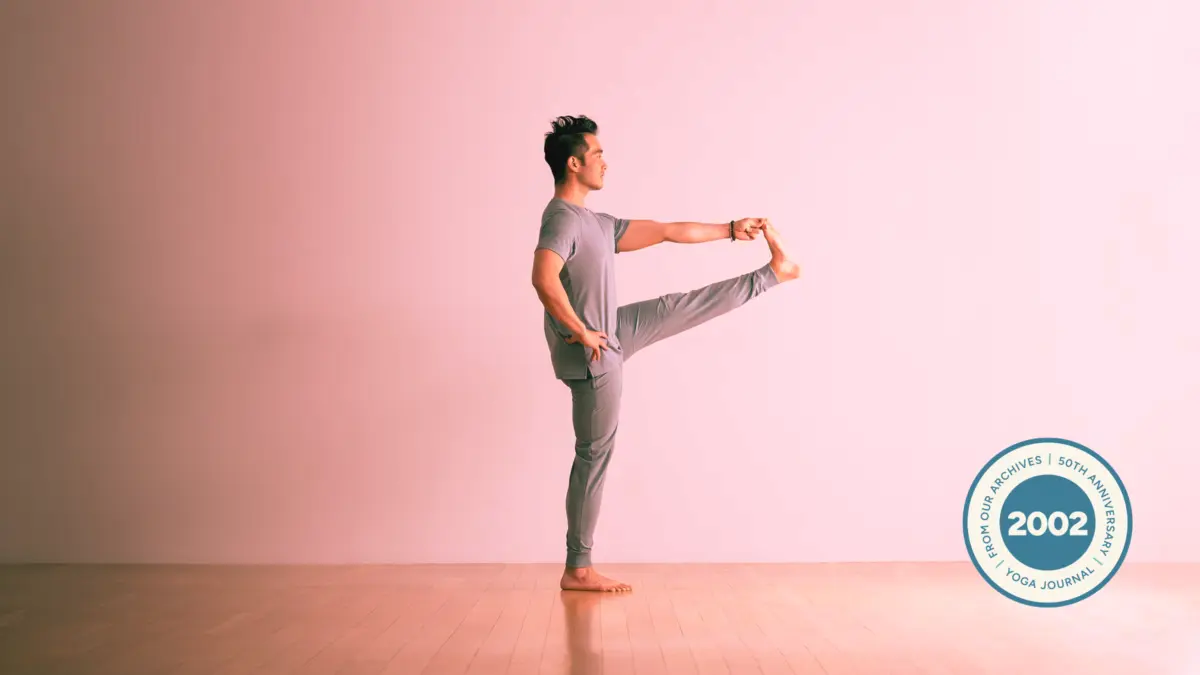
September 4, 2026 — In the modern wellness landscape, where fitness trends rise and fall with the speed of social media algorithms, the ancient practice of yoga maintains a quiet, enduring anchor. Among the vast taxonomy of physical postures, or asanas, balancing poses occupy a unique psychological and physiological space. They test not merely the strength of our quadriceps or the flexibility of our hamstrings, but the stability of our minds.
Rooted in classical traditions and drawn from the archival vaults of Yoga Journal’s March–April 2002 edition, the study of Utthita Hasta Padangusthasana (Extended Hand-to-Big-Toe Pose) serves as a masterclass in this integration. Far from being a mere physical gymnastics routine, the execution of this posture reveals a profound architectural framework for marrying physical alignment with meditative focus—a journey that bridges ancient scripture with modern biomechanics.
Main Facts: The Anatomy of a Classical Balancing Pose
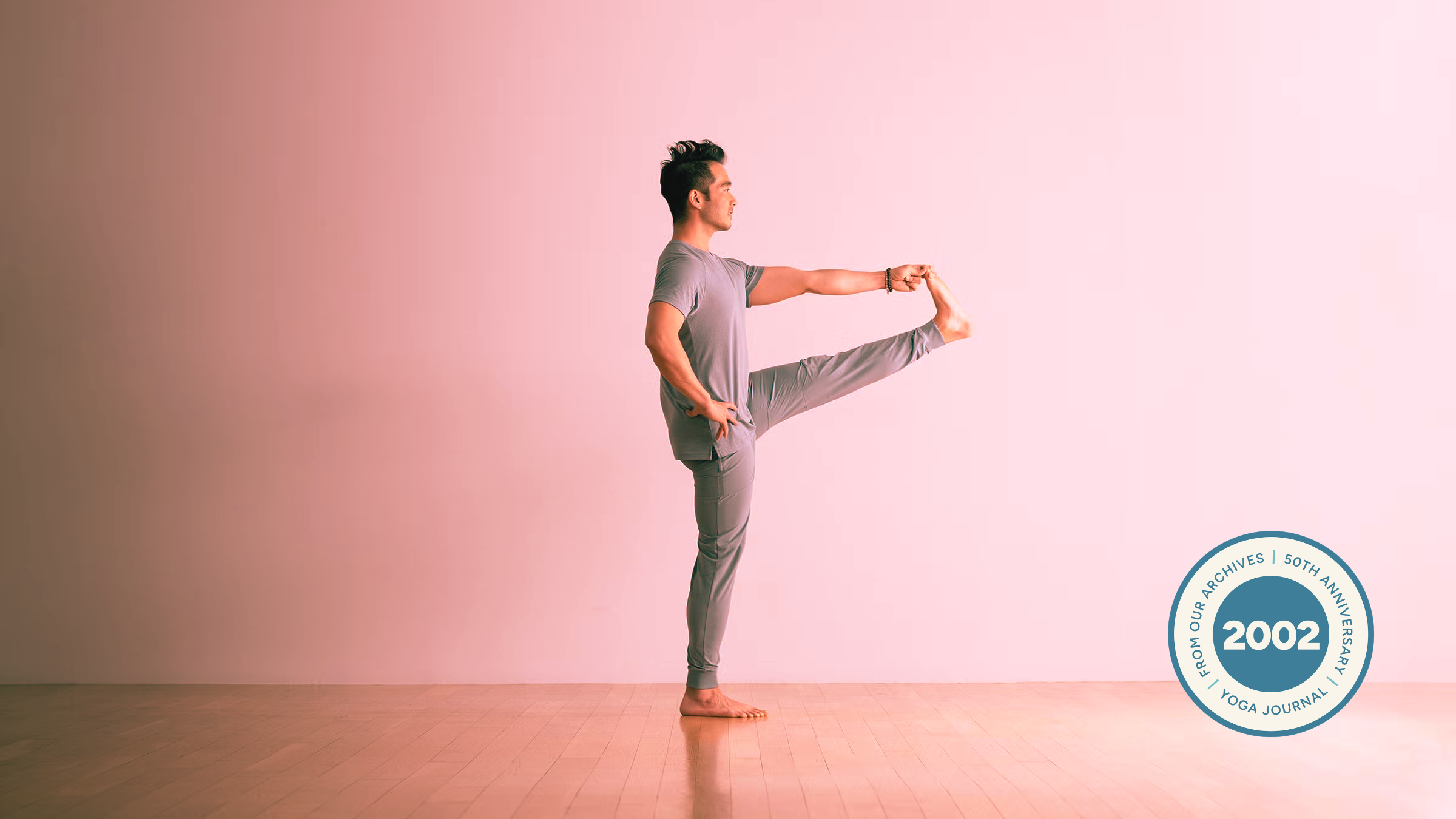
At its core, Utthita Hasta Padangusthasana is a standing one-legged balance that requires the practitioner to grasp the big toe of the lifted leg, extending it either straight forward or out to the side. However, the physical configuration is only the outer shell of the practice.
According to foundational yoga philosophy, the pose is governed by three critical pillars:
- The Three Platforms of the Body: The feet, the pelvis, and the shoulder girdle serve as structural foundations. Protecting the vulnerable joints above them (knees, spine, and neck, respectively) requires rigorous internal alignment.
- Action Versus Movement: Gross movements involve large muscle groups without intentional direction, often resulting in chaotic or forced postures. "Actions," by contrast, are refined, specific, and internally focused efforts that bring quiet attention and effortless stability to the body.
- The Principle of Opposites (Dual Action): True balance is achieved not by pushing in a single direction, but by integrating opposing forces—such as pressing the feet down while lifting the torso up, or drawing the front thighs back while driving the tailbone down.
Chronology and Historical Context: From Patanjali to the Modern Mat
The philosophical blueprint for practicing Utthita Hasta Padangusthasana dates back millennia to the foundational texts of classical yoga, though its transmission into the Western consciousness evolved significantly during the late 20th century.
The Philosophical Timeline
- c. 400 CE (The Yoga Sutras of Patanjali): Verse II.46 establishes the baseline for all physical posture: Sthira sukham asanam. An asana must be practiced with a precise equilibrium of stability (sthira) and comfort (sukham).
- The Progression of Concentration (II.47–II.48): Patanjali outlines how steady physical alignment fosters dharana (concentration), which naturally melts into dhyana (meditation). Perfection of the pose occurs when the practitioner transcends the "pairs of opposites"—such as struggle and ease, left and right—and achieves absolute unity of body, mind, and breath.
- March–April 2002 (Yoga Journal Archives): Practitioners and teachers articulated a return to foundational integrity, emphasizing that students must master internal actions using supportive walls before attempting advanced variations in the center of the room.
- September 2026: Re-evaluating these archival insights highlights a timeless warning against ego-driven practice, reminding contemporary yogis that alignment precedes acrobatic depth.
Supporting Data and Structural Mechanics: The Three Platforms
To understand why balancing poses evoke such deep mental clarity, one must examine the mechanical precision required to build them. In yoga, everything begins with Samasthiti (Equal Standing), also known as Tadasana (Mountain Pose).
1. The Foundation: The Feet
The first platform consists of the feet. By spreading the toes wide and anchoring the four corners—the ball of the big toe, the ball of the little toe, and both sides of the heels—practitioners establish a deep connection with the earth.
- The Biomechanics: Lifting the arches ignites energy up through the core, causing the kneecaps to lift naturally toward the ceiling.
- Addressing Hyperextension: For individuals with hyperextended knees (where the calf bows past the heel), pressing the calf muscle forward toward the shinbone prevents joint strain and restores functional alignment.
2. The Anchor: The Pelvis
The pelvis acts as the stabilizing bridge for the spine. Tipping the pelvis forward excessively compresses the lower back, while tucking it under flattens the natural lumbar curve.
- The Dual Action: To find neutrality, the practitioner must move the front of the legs back toward the hamstrings while simultaneously pressing the sacrum forward. This interplay protects the lower back and keeps the pubic bone pointing straight down.
3. The Protector: The Shoulder Girdle
The final platform supports the cervical spine and neck. By spreading across the collarbones and lifting the top of the sternum from the inside rather than using superficial chest muscles, the practitioner allows the sides of the neck to elongate evenly. The gaze remains soft, steady, and fixed on a single point.
Step-by-Step Methodology: Transitioning from Wall to Center
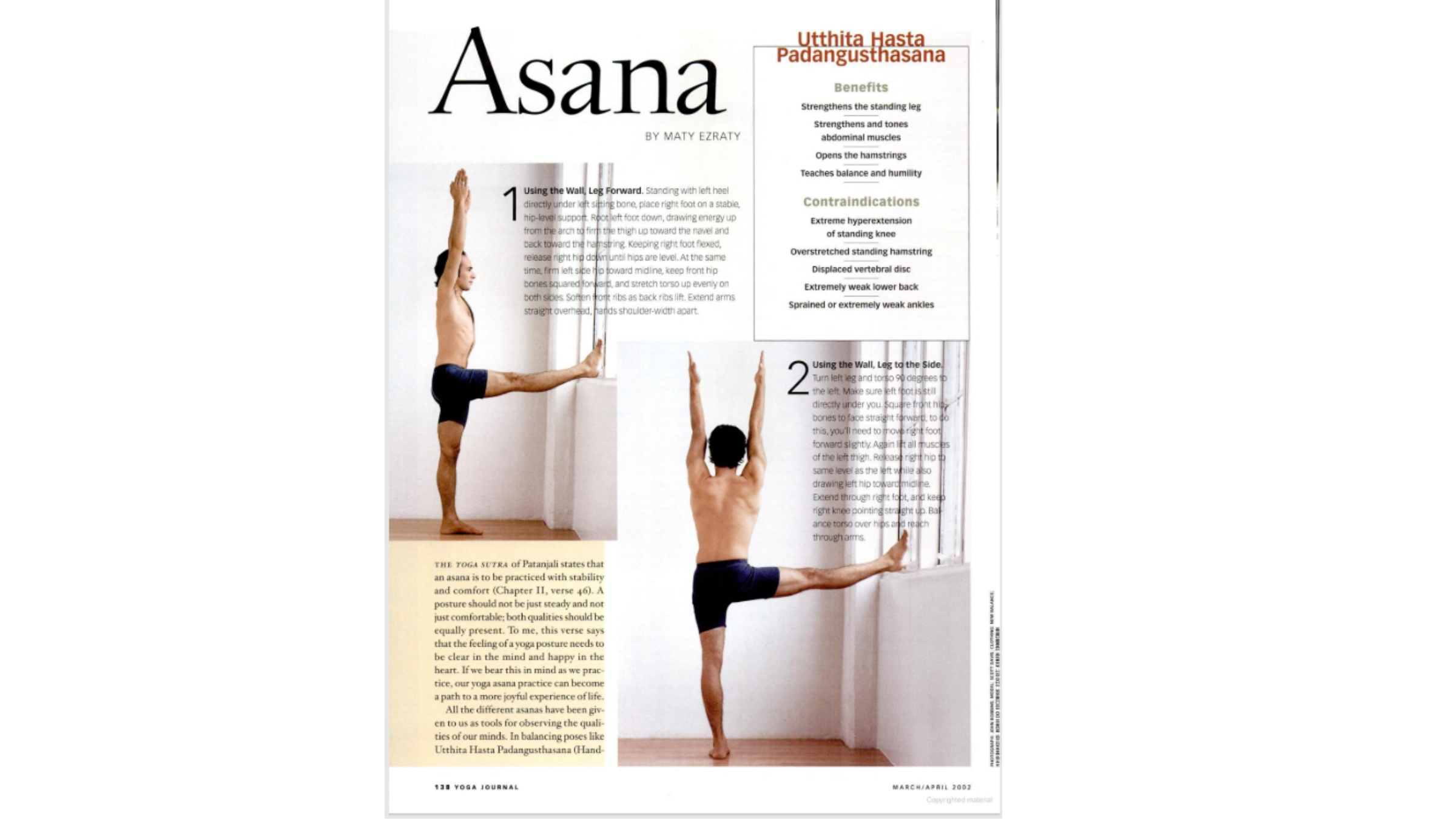
Mastering Utthita Hasta Padangusthasana requires patience, often necessitating the use of a wall as a biofeedback tool before moving to the center of the room.
Phase 1: Wall-Assisted Alignment
- Setup: Stand facing a wall or ledge. Place your right foot on the ledge directly in front of you.
- The Standing Leg: Keep your left foot directly underneath your hip. Ensure your second toe points straight forward.
- Hip Symmetry: Check your hips on three planes. Drop the right hip down so it matches the height of the left, draw the left hip toward the midline, and keep both front hip bones parallel to the wall.
- Arm Extension: Reach your arms toward the ceiling, keeping shoulders shoulder-width apart to elongate the torso and remove any rounding from the lower back.
Phase 2: Moving to the Side Variation
- Turn your standing leg and torso 90 degrees to the left.
- Re-square your hips, ensuring the right foot is adjusted forward on the ledge based on individual hamstring tightness.
- Lift through both sides of the waist, softening the front ribs while lifting the back ribs.
Phase 3: Free-Standing Execution
Once the wall practice yields a steady base and a non-rounding lower back, the practitioner transitions to the center of the room:
- Inhale, bend the right knee, and clasp the big toe with the index and middle fingers and thumb.
- Exhale, extending the right leg forward in line with the navel without compromising the straightness of the standing leg or leaning the torso forward.
- If the leg is fully straight and the breath is calm, gently transition the leg out to the side, maintaining a steady gaze over the opposite shoulder for five breaths.
- Return the leg to the center, release the hand to the hip, and hold the leg in space using pure abdominal and core strength before lowering gracefully.
Official Responses and Expert Perspectives: The Philosophy of Non-Attachment
Traditional lineages, such as the Ashtanga system popularized by K. Pattabhi Jois, emphasize dynamic sequences connected by breath (vinyasa) and gazing points (drishti). However, senior educators continually warn against the traps of modern ego-driven flexibility.
"If the hamstrings are stiff, it’s easy to compensate and lean the torso forward in an attempt to straighten the front leg. Resist this temptation. Stand upright out of the standing leg… Do not let your ego get the best of you; don’t get discouraged just because this action is difficult."
According to veteran instructors, the primary error modern practitioners make is prioritizing the outer form of a pose—such as touching the nose to the shin—over internal integrity. When students sacrifice the alignment of the standing leg or collapse their lower backs to achieve a deeper stretch, they abandon the foundational purpose of yoga: mental clarity and bodily integration. Props, walls, and teacher adjustments are not signs of weakness, but tools to refine internal actions.
Implications: Practice as a Path to Freedom
The implications of refining a posture like Utthita Hasta Padangusthasana extend far beyond the yoga studio. Philosophy teaches that the human mind mirrors the physical body. When the body is fragmented, pulled off-balance by opposing muscular tensions, the mind reflects that chaos through anxiety, distraction, and reactivity.
Conversely, when a practitioner patiently cultivates the dual actions of stability and comfort—grounding the feet, neutralizing the pelvis, and keeping the breath soft—the nervous system settles. The internal noise quiets.
As archival teachings remind us, mastering a single posture requires thousands of repetitions not because the physical shape is sacred in itself, but because the discipline required to build it transforms the practitioner. Through honest, patient alignment, the mat becomes a laboratory for life: a place where physical balance teaches us how to navigate the inevitable imbalances of the human experience with grace, focus, and joy.
