

Main Facts
Passerine birds, scientifically classified under the massive order Passeriformes, represent the largest and most diverse group of avian species on Earth, accounting for over half of all known birds. Commonly referred to as perching birds, these creatures are instantly recognizable by their specialized anisodactyl toe arrangement—featuring three toes pointing forward and one facing backward—which provides exceptional grip and agility. Spanning familiar backyard visitors such as sparrows, finches, tits, warblers, and swallows, passerines inhabit nearly every terrestrial ecosystem worldwide, from urban gardens and dense woodlands to wide-open fields and wetlands.
Despite their ubiquitous presence, photographing passerines presents a formidable test of skill for both amateur and professional wildlife photographers. Their diminutive size, high metabolic rates, and erratic, lightning-fast movements make tracking them a high-stakes endeavor. However, their accessibility and stunning array of vibrant colors—ranging from the brilliant yellow of goldfinches to the striking crimson of robins—make them one of the most rewarding and popular subjects in nature photography.

Chronology of an Outing: Fieldcraft and Setup
Successfully capturing high-end images of passerine birds rarely happens by chance. It requires a disciplined, chronological approach to fieldcraft, beginning long before the camera is ever lifted to the eye.
Phase 1: Observation and Identification (Pre-Shoot)
Before deploying gear, a wildlife photographer must invest time in research and passive observation. Because passerines are exceptionally vocal, mastering bird songs and calls is an invaluable tool for field identification, particularly when dense foliage obscures the birds from view. Studying specific behavioral patterns—such as feeding rhythms, territorial displays, and preening habits—allows photographers to anticipate movements rather than merely reacting to them.

Phase 2: Designing the Habitat and Feeding Station
Creating a controlled environment, such as a backyard feeding station, is the most reliable method for securing close-up, high-detail portraits. This phase involves strategic food selection, utilizing high-energy offerings like sunflower seeds, nyjer seeds, mealworms, suet, and fresh fruit. Feeders must be positioned carefully: they need enough natural light to illuminate the subject, yet must remain close to protective foliage to alleviate the natural skittishness of these small birds. Furthermore, strict hygiene protocols—including regular scrubbing with a mild bleach solution—must be observed to prevent the transmission of avian diseases.
Phase 3: Curating the Perch and Reflection Pools
To elevate an image from a simple backyard snapshot to a work of fine art, photographers curate the immediate environment. Natural elements like moss- or lichen-covered branches, weathered twigs, or spring blossoms are attached near the feeding station. To capture stunning reflections and bathing behavior, photographers often construct custom shallow water features, such as rectangular planting trays filled with carefully placed rocks and logs, positioned to catch soft, colored reflections of surrounding foliage rather than the harsh, blown-out glare of the sky.

Phase 4: Execution and Capture
With the studio set, lighting assessed, and camera settings locked in, the photographer enters the active shooting phase. Utilizing blinds, remote releases, and high-speed continuous shooting modes, the practitioner waits for moments of peak action—whether it is a territorial squabble, a dynamic flight transition, or a quiet grooming session.
Supporting Data & Technical Specifications
Achieving critical sharpness and artistic depth in passerine photography requires strict adherence to technical parameters. Because these subjects move with incredible velocity, camera settings must be optimized for speed and light management.

Recommended Camera Settings
- Shutter Speed: A minimum of $1/1000textth$ of a second is required to freeze a perching bird’s subtle movements, while flight photography demands at least $1/2500textth$ of a second.
- Aperture: A wide aperture ranging from $f/2.8$ to $f/5.6$ is ideal for isolating the subject through a shallow depth of field, creating a smooth, buttery bokeh in the background. When shooting frame-filling portraits up close, stopping down slightly may be necessary to ensure both the eye and chest feathers remain tack-sharp.
- ISO: Photographers should embrace higher ISO values in low-light conditions. Modern sensor technology renders visible noise preferable to motion-blurred or unsharp images.
- Autofocus Modes: Continuous autofocus (AI Servo or AF-C) paired with animal eye-detection tracking yields the highest keeper rates. If eye-detection struggles amidst complex foliage, operators should switch to single-point or group focus.
Essential Equipment Checklist
- Camera Bodies: High-speed mirrorless or DSLR systems capable of firing 10 frames per second or more.
- Telephoto Lenses: Prime or tele-zoom lenses ranging from 300mm to 600mm. Long focal lengths compress backgrounds and enhance subject isolation.
- Support Systems: Sturdy tripods paired with gimbal heads for heavy glass, or beanbags for low-angle ground work.
- Hides and Blinds: Portable pop-up tents or camouflage netting left in place over days to habituate the birds to human presence.
Field Perspectives: Insights from Professional Wildlife Photographers
While technical manuals provide the framework, seasoned professionals emphasize that the soul of bird photography lies in patience, artistry, and ethical consideration.
Veterans in the field frequently stress the importance of background management. "To eliminate unwanted distractions, your background must be distant enough to dissolve into an aesthetically pleasing blur," notes field methodology guides. Photographers are advised to hunt for natural pockets of shadow or distant foliage to craft high-contrast, moody backdrops that imbue wildlife portraits with emotional weight.

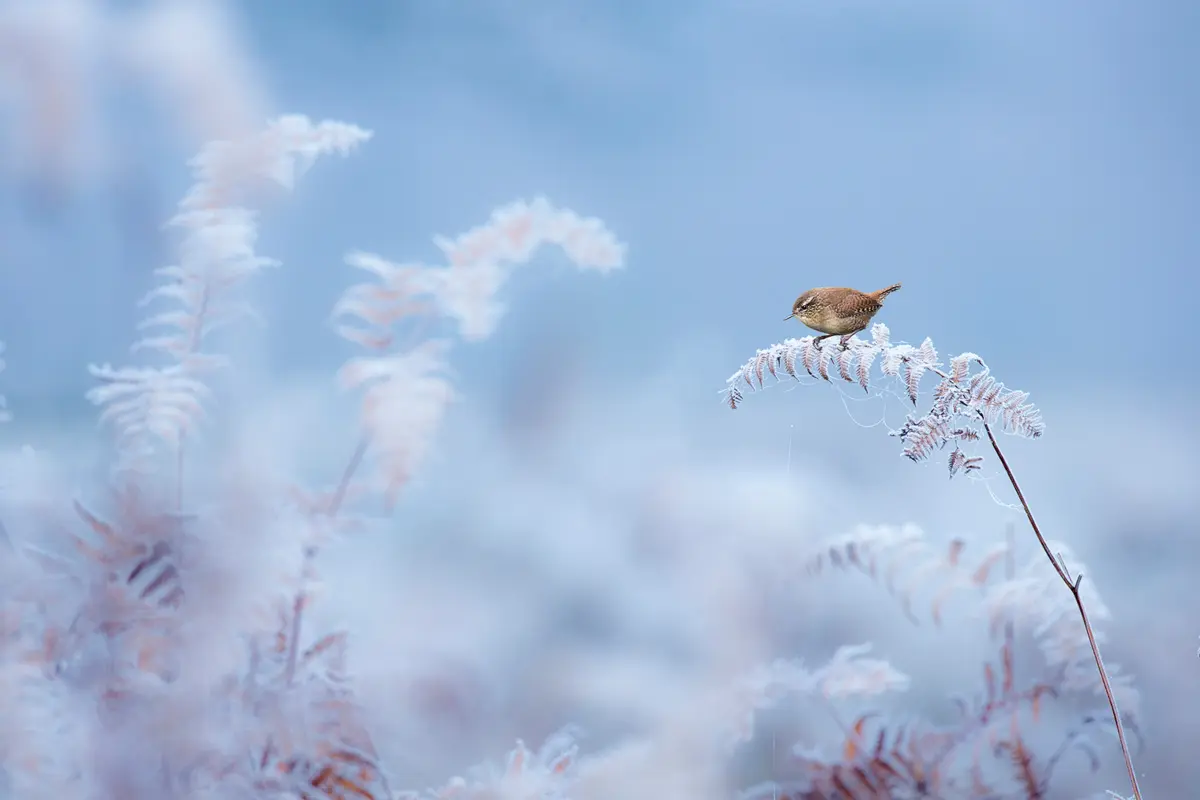
Regarding composition, the rigid application of rules like the rule of thirds should serve as a starting point rather than a limitation. Incorporating ample negative space—particularly during winter snow scenes—can emphasize a bird’s isolation and fragility. Furthermore, positioning the camera precisely at the bird’s eye level creates an intimate psychological bridge between the viewer and the subject, transforming a clinical documentation of a species into an empathetic narrative portrait.
Implications for Conservation and Ethical Wildlife Practice
The growing popularity of passerine and backyard bird photography carries significant implications for both environmental education and animal welfare. On a positive note, cultivating a passion for local wildlife fosters a grassroots appreciation for biodiversity. When individuals invest time in observing the intricate social structures, parenting habits, and seasonal struggles of common birds, they are far more likely to support broader conservation initiatives, advocate for green spaces, and protect local habitats from urban encroachment.

However, these practices also introduce ethical responsibilities that photographers must navigate carefully. The pursuit of the "perfect shot" can occasionally cross boundaries into intrusive behavior. Wildlife authorities and conservation groups emphasize several critical guidelines:
- Avoid Nest Disturbance: Photographing nesting birds, incubation periods, or vulnerable fledglings requires extreme caution. Causing parent birds to abandon their nests or exposing chicks to predators for the sake of a photograph is entirely unacceptable. Ethical photographers wait until fledglings naturally move toward accessible feeding stations.
- Maintain Feeder Cleanliness: Backyard setups intended to aggregate birds can inadvertently become vectors for disease if hygiene is neglected. Regular sanitization of feeding and watering stations is an ethical obligation to prevent outbreaks of avian pathogens.
- Minimize Stress: The use of playback calls (playing recorded bird songs to draw out territorial subjects) should be minimized or avoided entirely, as it expends vital energy reserves during critical breeding and winter survival periods.
By balancing technical ambition with rigorous ethical standards, wildlife photographers can capture breathtaking imagery while actively contributing to the welfare and appreciation of the natural world.
