

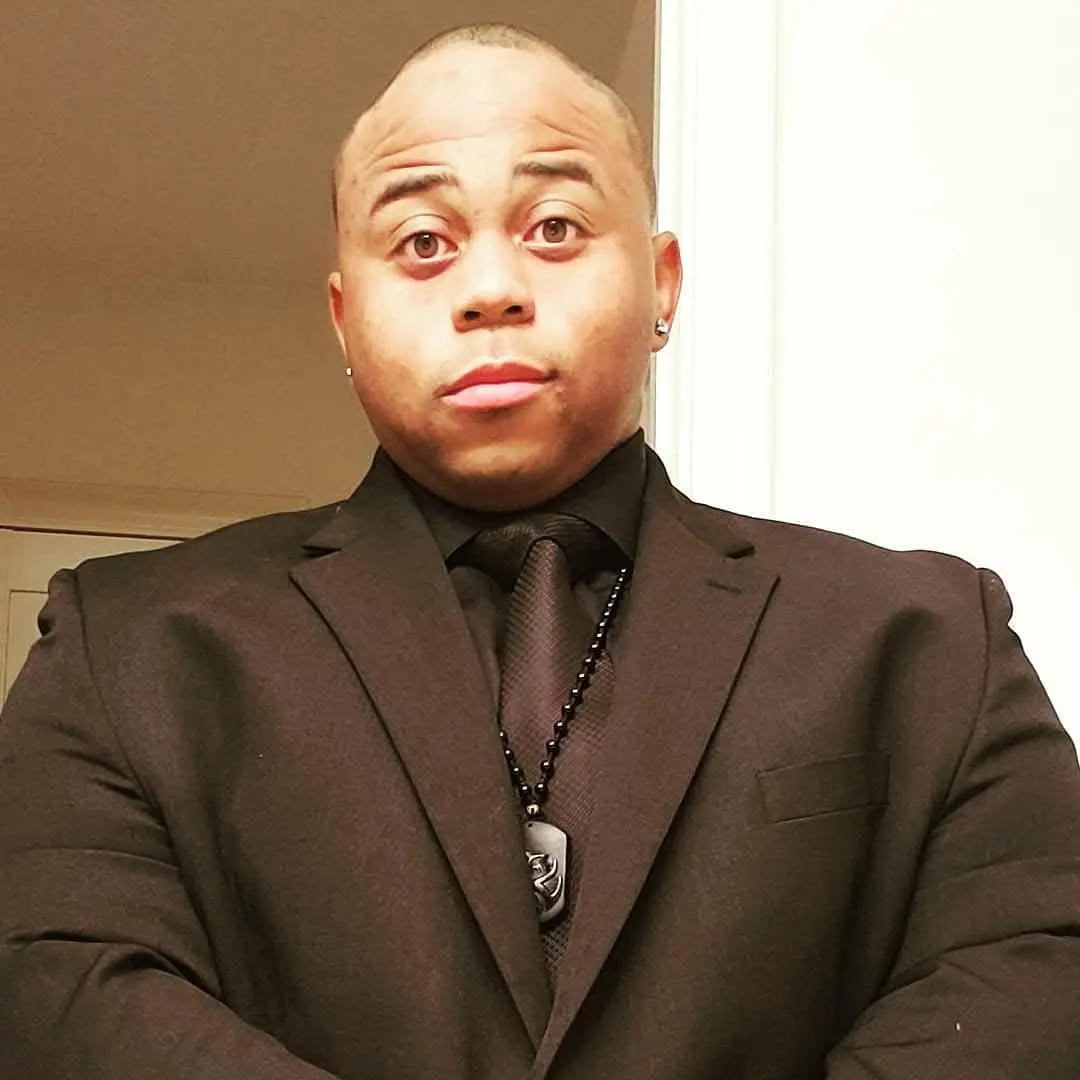
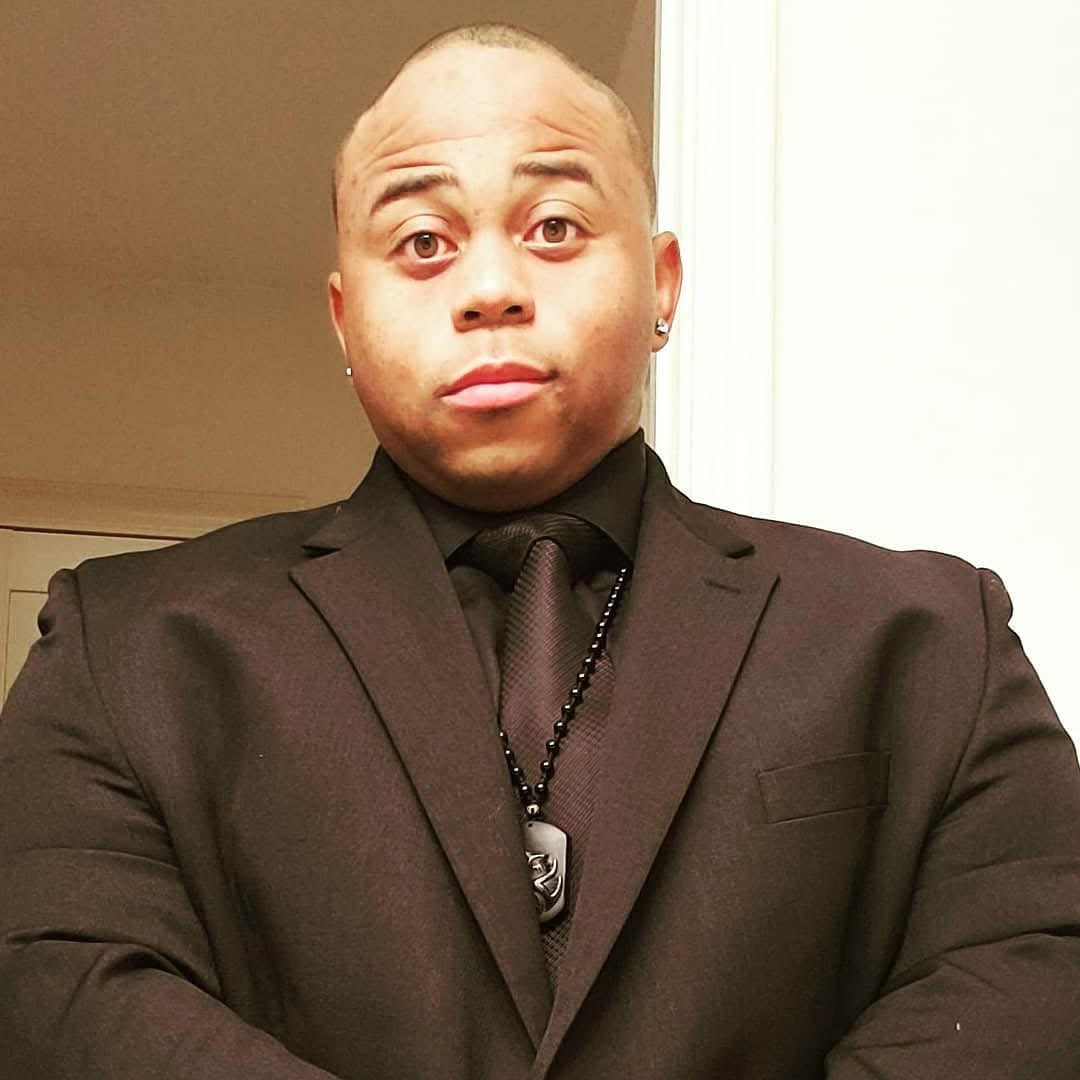
COTTONWOOD, AZ — The Cottonwood Community Band (CCB), a cornerstone of the Verde Valley’s cultural landscape for over three decades, has officially announced the appointment of Philip Blackwell as its new conductor. Blackwell, a highly regarded music educator, conductor, and instrumentalist, assumes leadership of the ensemble at a pivotal moment as the band prepares for its upcoming concert season.
Currently serving as the Director of Bands and Orchestra at Bradshaw Mountain High School in Prescott Valley, Blackwell brings more than 20 years of music education, brass pedagogy, and ensemble leadership to the podium. His appointment marks a new chapter for the nonprofit organization, which has provided local musicians with a collaborative platform to perform high-caliber concert band literature since 1990.
I. Main Facts: A New Leadership Era for the Cottonwood Community Band
The transition of leadership in community arts organizations is a critical juncture, particularly for ensembles that rely entirely on volunteer musicians and local civic support. The selection of Philip Blackwell by the Cottonwood Community Band’s leadership signals a commitment to both educational excellence and community engagement.
Key Elements of the Appointment:
- The Conductor: Philip Blackwell, a veteran music educator with over two decades of experience in brass coaching, marching band direction, and orchestral conducting.
- The Organization: The Cottonwood Community Band, founded in 1990, is a 501(c)(3) nonprofit community wind ensemble composed of musicians from across the Verde Valley, Sedona, and surrounding Yavapai County communities.
- Rehearsal Logistics: The band gathers every Monday evening from 7:00 p.m. to 9:00 p.m. at the historic Clemenceau School Gym, located at 1 N. Willard Street in Cottonwood.
- Upcoming Concert Series: The ensemble performs four major concerts annually. Under Blackwell’s baton, the next performances are scheduled for Sunday, October 4th and Sunday, December 13th, both starting at 3:00 p.m.
- Performance Venue: All major seasonal concerts are held at the state-of-the-art Phillip England Center for the Performing Arts, located at 210 Camp Lincoln Road on the Camp Verde High School campus.
The Cottonwood Community Band remains an open-door organization for woodwind, brass, and percussion players. However, alongside the announcement of Blackwell’s appointment, the band has issued an active call for specific instruments to balance its symphonic instrumentation—most notably French horns, oboes, and bassoons.
II. Chronology: The Musical and Pedagogical Journey of Philip Blackwell
To understand the artistic direction Blackwell brings to the Cottonwood Community Band, it is necessary to trace his development as an educator and performer, from his early years in Southern California to his prominent role in Arizona’s music education system.
[2004–2007] Performs with the prestigious Tournament of Roses Honor Band in Pasadena, CA.
    │
[2004] Begins formal career in music education as a brass coach and assistant director.
    │
[2009] Relocates to Arizona; begins Tuba Performance & Music Ed studies at Pima Community College.
    │
[2011–2014] Transfers to Arizona State University (ASU); studies under Dr. Swoboda and Dr. Schmidt.
    │
[Collegiate Era] Performs with the ASU Sun Devil Marching Band under the direction of James "Hud" Hudson.
    │
[Professional Era] Serves as Director of Bands and Orchestra at Bradshaw Mountain High School.
    │
[Present] Appointed Conductor of the Cottonwood Community Band.
Early Foundations in Southern California (2004–2008)
Blackwell’s musical journey began in Monrovia, California, a community nestled in the San Gabriel Valley with a rich tradition of support for the arts. Showing early promise on the tuba, Blackwell immersed himself in performance ensembles.
His early performance career was highlighted by his selection to the prestigious Tournament of Roses Honor Band, in which he performed from 2004 to 2007. This elite marching unit, which performs annually in the world-famous Rose Parade in Pasadena, demands rigorous discipline, precise execution, and the ability to perform for millions of spectators worldwide. This experience instilled in Blackwell an early appreciation for large-scale musical pageantry and the community-building power of public performances.
Arizona Relocation and Collegiate Academic Career (2009–2014)
In 2009, Blackwell relocated to Arizona to further his academic and musical pursuits. He initially enrolled at Pima Community College in Tucson, focusing heavily on Tuba Performance and foundational Music Education coursework. His dedication to mastering the tuba—the foundational bass voice of the wind band—shaped his understanding of ensemble balance, intonation, and acoustic architecture.
Blackwell subsequently transferred to Arizona State University (ASU) in Tempe, home to one of the Southwest’s most competitive music education programs. At ASU, he pursued a Bachelor of Music Education, studying under two highly influential figures in modern music pedagogy:
- Dr. Deanna Swoboda: An internationally recognized tuba soloist, pedagogue, and Associate Professor of Tuba and Euphonium at ASU, who emphasized the importance of entrepreneurial musicianship and community outreach.
- Dr. Margaret Schmidt: A distinguished professor of music education who provided Blackwell with deep insights into curriculum development, instrumental pedagogy, and student-centered learning methodologies.
During his tenure at ASU, Blackwell was also a dedicated member of the Sun Devil Marching Band (SDMB), performing under the leadership of the legendary Director of Bands, James "Hud" Hudson. Hudson’s philosophy of high-energy performance, precision, and building a tight-knit "band family" profoundly influenced Blackwell’s view of the band as a vehicle for social cohesion and civic pride.
Professional Educator and High School Director (2014–Present)
After earning his degree, Blackwell established himself as a premier music educator in Yavapai County. As the Director of Bands and Orchestra at Bradshaw Mountain High School in Prescott Valley, he has spent years refining his instructional techniques, managing diverse student ensembles, and directing concert bands, marching bands, and string orchestras. His daily work with high school musicians has honed his ability to diagnose performance challenges quickly, foster a positive rehearsal environment, and program literature that is both challenging for musicians and accessible to audiences.
III. Supporting Data: Ensemble Dynamics and Performance Logistics
The successful operation of a volunteer-based community band requires structured logistics, consistent rehearsal spaces, and a balanced instrumentation layout.
The Rehearsal Space: Clemenceau School Gym
The Cottonwood Community Band’s weekly rehearsals are held in the historic Clemenceau School Gym. Built in the early 20th century as part of the Clemenceau public school system during the Verde Valley’s copper mining boom, the building is now a preserved historical site.
The gym offers a spacious acoustic environment that allows a full-sized wind ensemble to rehearse safely with appropriate physical spacing. The historical venue serves as a physical link between the band’s modern artistic endeavors and the regional heritage of Cottonwood.
Instrumentation Deficits and Symphonic Balance
For a concert band to perform standard wind literature effectively, it must maintain a specific ratio of woodwinds, brass, and percussion. While the Cottonwood Community Band features a robust roster of flutes, clarinets, trumpets, and trombones, Blackwell’s immediate artistic focus is addressing critical gaps in the band’s instrumentation:
| Instrument Class | Specific Instrument | Role in Concert Band Literature | Current Recruitment Status |
|---|---|---|---|
| Double Reeds | Oboe | Provides distinctive, poignant solo voices; essential for classical transcriptions and contemporary wind literature. | High Priority |
| Double Reeds | Bassoon | Anchors the woodwind tenor/bass section; provides critical harmonic support and unique coloristic effects. | High Priority |
| Brass | French Horn | Serves as the acoustic bridge between the woodwind and brass families; provides rich, lyrical mid-range harmonies. | High Priority |
| General | All Concert Instruments | Flutes, Clarinets, Saxophones, Trumpets, Trombones, Euphoniums, Tubas, and Percussion. | Open Enrollment |
The lack of consistent double reed players (oboes and bassoons) often forces community band directors to cue those parts in the saxophones or clarinets, which alters the composer’s intended tonal color. By actively recruiting French horn and double reed players, Blackwell aims to expand the ensemble’s repertoire capabilities, allowing the band to tackle more complex, original symphonic wind works.
IV. Official Responses: A Shared Vision for the Verde Valley
Upon accepting the position, Philip Blackwell expressed his enthusiasm for the role, emphasizing the profound social utility of community music-making.
"Music has the power to bring people together, strengthen community and inspire performers of all ages," Blackwell stated. "I am honored to join the Cottonwood Community Band and look forward to making music with the talented musicians of the Verde Valley."
Blackwell’s philosophy aligns seamlessly with the core mission of the Cottonwood Community Band, which has remained unchanged since its incorporation in 1990. The organization’s board of directors and leadership expressed confidence that Blackwell’s dual background in high-level academic pedagogy and public performance makes him uniquely qualified to lead the multi-generational group.
According to the band’s organizational charter, the ensemble serves several vital functions in the region:
- Artistic Outlet: Providing amateur, semi-professional, and retired professional musicians with a structured environment to maintain and develop their technical skills.
- Music Education Promotion: Encouraging lifelong learning and demonstrating to younger generations that musical participation does not have to end upon high school or college graduation.
- Cultural Enrichment: Offering high-quality, affordable (often free or donation-based) concert experiences to residents of the Verde Valley, Sedona, and Camp Verde.
V. Implications: The Cultural and Regional Impact of Blackwell’s Leadership
The appointment of a dynamic, highly trained conductor like Philip Blackwell has broader implications for the arts community of Yavapai County.
Bridging the Tri-City and Verde Valley Arts Scenes
Historically, the arts communities of Yavapai County have been somewhat geographically segmented, with the "Tri-City" area (Prescott, Prescott Valley, and Chino Valley) operating independently of the Verde Valley communities (Cottonwood, Clarkdale, Jerome, Camp Verde, and Sedona).
Because Blackwell maintains a prominent, full-time role as an educator in Prescott Valley while taking on this artistic directorship in Cottonwood, his appointment acts as a natural bridge between these regions. This connection could foster future collaborations, joint performances, and student-mentorship opportunities, enriching the musical pipeline across the entire county.
                  [YAVAPAI COUNTY ARTISTIC BRIDGE]

     Prescott Valley                          Verde Valley
 ┌───────────────────────┐              ┌───────────────────────┐
 │ Bradshaw Mountain HS  │              │  Cottonwood Comm. Band│
 │   (Youth/Orchestra)   │ <──────────> │   (Adult/Community)   │
 └───────────────────────┘  Conducted   └───────────────────────┘
                               By
                        Philip Blackwell
The Power of Intergenerational Learning
One of the most valuable aspects of community bands is their intergenerational makeup. In a typical rehearsal, a 16-year-old high school student might sit next to an 80-year-old retired music professor or military band veteran.
Under Blackwell’s guidance, this dynamic is expected to flourish. His daily experience working with adolescent musicians equips him with the patience and educational strategies needed to support younger players, while his advanced collegiate training under figures like Dr. Swoboda and Dr. Schmidt gives him the artistic authority to challenge seasoned veteran musicians.
Future Repertoire and Artistic Outlook
As the band transitions to Blackwell’s leadership, audiences can expect a carefully curated balance of traditional and contemporary concert band literature. The fall and winter concerts scheduled at the Phillip England Center for the Performing Arts are anticipated to showcase this programmatic shift. Audiences can look forward to a blend of:
- Classic American military and circus marches (in the tradition of John Philip Sousa and Karl King).
- Standard orchestral transcriptions adapted for wind bands.
- Modern wind ensemble literature that explores diverse tonal landscapes, unique percussion textures, and complex rhythmic structures.
- Seasonal and holiday classics designed to bring families and communities together.
By prioritizing instrumentation balance and fostering an inclusive yet disciplined rehearsal atmosphere, Blackwell is poised to elevate the Cottonwood Community Band’s performance standards, securing its legacy as a vital cultural asset for Yavapai County for decades to come.
Community Inquiries and Participation
The Cottonwood Community Band remains a welcoming space for any instrumentalists looking to return to playing after years away from their instrument, as well as active musicians seeking a steady ensemble experience.
- To Join or Inquire: Interested musicians can contact the organization directly via email at [email protected].
- For Concert Updates and Schedules: Detailed information regarding ticket sales, program selections, and organizational history can be found on the band’s official website at cottonwoodcommunityband.org.
