

Main Facts: The Journey of Victor Soares
In the highly competitive world of wildlife photography, very few practitioners successfully cross the chasm from an inspired amateur to an internationally recognized, full-time professional. South African-born and UK-based wildlife photographer Victor Soares represents one of those rare success stories. Marking nearly twenty years behind the lens, Soares’s trajectory is a testament to perseverance, technical mastery, and an unyielding passion for the natural world.
Today, Soares splits his professional life between leading immersive photography tours across Europe and Africa and capturing award-winning imagery that has been recognized by some of the planet’s leading publications and conservation associations. His work—characterized by dramatic low-angle perspectives, shallow depths of field, and a profound emotional resonance with his subjects—reflects a modern master of the craft. Yet, his origins trace back to humble beginnings in South Africa, armed with an entry-level digital SLR and an accidental encounter that would change the course of his life.
Chronology: From a Canon 300D to the Wilds of London
The Spark: South Africa and the First DSLR (2004)
Growing up in South Africa, Soares was perpetually surrounded by a rich tapestry of wildlife, using birdwatching as a peaceful escape from a chaotic world. However, his entry into photography was purely coincidental. In 2004, driven by an interest in consumer technology and a desire to document family holidays, he purchased a Canon 300D—one of the market’s more accessible, technologically advanced digital SLRs at the time.
Following a trip to Kruger National Park, Soares took his memory cards to a local photo lab owned by Johan Combrink, an avid wildlife photographer whose shop featured striking prints of local fauna. Upon receiving his standard vacation prints, a bold Soares pointed to a dramatic photograph of a Cattle Egret and declared, "I want to take photos like that."

Expecting a polite brush-off, Soares instead received an invitation that sparked a lifelong career: "Then come back here tomorrow with your camera, and I will show you a few things."
Under Combrink’s mentorship—offered entirely free of charge—Soares spent countless hours in the shop learning camera mechanics, exposure triangles, and post-processing. Though his earliest images were, by his own admission, blurry, poorly lit, and badly framed, the mentorship gave him the foundation he desperately needed.

The Turning Points: Recognition and Relocation (2012–2018)
As Soares refined his craft, upgrading to a Canon Rebel XT in 2007, his technical proficiency grew. He began paying meticulous attention to light, composition, and animal behavior.
A monumental validation of his skill arrived in 2012, when one of his wildlife images reached the final round of the prestigious Natural History Museum’s Wildlife Photographer of the Year Awards (then known as the Veolia Environmental Awards). Surpassing more than 48,000 entries, the achievement served as a psychological watershed moment. "It was a moment in my photographic career where I felt, ‘Maybe I am good enough… maybe,’" Soares reflects.

In 2016, Soares relocated to the United Kingdom, eventually settling in London by 2018. This geographical shift exposed him to entirely new ecosystems and species, most notably the urban red foxes of South London and the majestic red and fallow deer of British country parks. European foxes, once confined to African fairy tales, suddenly became accessible subjects, culminating in one of his most celebrated images: a yawning urban fox captured against a backdrop of crisp autumn colors and visible morning breath.
The Leap to Professionalism (2023–2024)
For nearly two decades, Soares maintained a successful career as an engineer, viewing photography as an artistic sanctuary rather than a primary source of income. Engineering offered financial security that the precarious world of photography rarely guaranteed.

However, by 2023, driven by increasing interest from peers, Soares began leading small groups and teaching photography workshops in his spare time. The definitive catalyst arrived in early 2024, when corporate restructuring resulted in his engineering position being made redundant. Supported wholeheartedly by his wife—his strongest critic and biggest fan—Soares made the bold decision to pivot, officially launching his career as a full-time professional wildlife photographer in 2024.
Supporting Data & Technical Evolution: The Anatomy of a Wildlife Shot
Soares’s transition from an amateur shooting in basic Aperture Priority mode to a seasoned professional operating purely in Manual mode highlights the broader technical evolution of the medium over the last twenty years.

| Era / Milestone | Camera Body | Primary Shooting Mode | ISO Strategy | Core Artistic Focus |
|---|---|---|---|---|
| 2004 (Beginner) | Canon 300D | Aperture Priority (Av) | ISO capped at 400 (to avoid digital noise) | Capturing the animal in focus; documenting holiday memories. |
| 2007 (Intermediate) | Canon Rebel XT | Aperture Priority (Av) | ISO 400 max; reluctant to push limits | Improving composition, though still prone to cutting off feet and poor apertures. |
| Present (Professional) | High-end DSLR/Mirrorless | Manual Mode | Flexible / Auto ISO utilized with modern noise reduction | Low-angle perspectives, extremely shallow depth of field, conveying animal emotion. |
Gear and Artistic Philosophy
While modern digital camera bodies boast lightning-fast autofocus tracking, blazing frames-per-second rates, and high ISO performance, Soares cautions against relying on technology to substitute for fundamental skill.
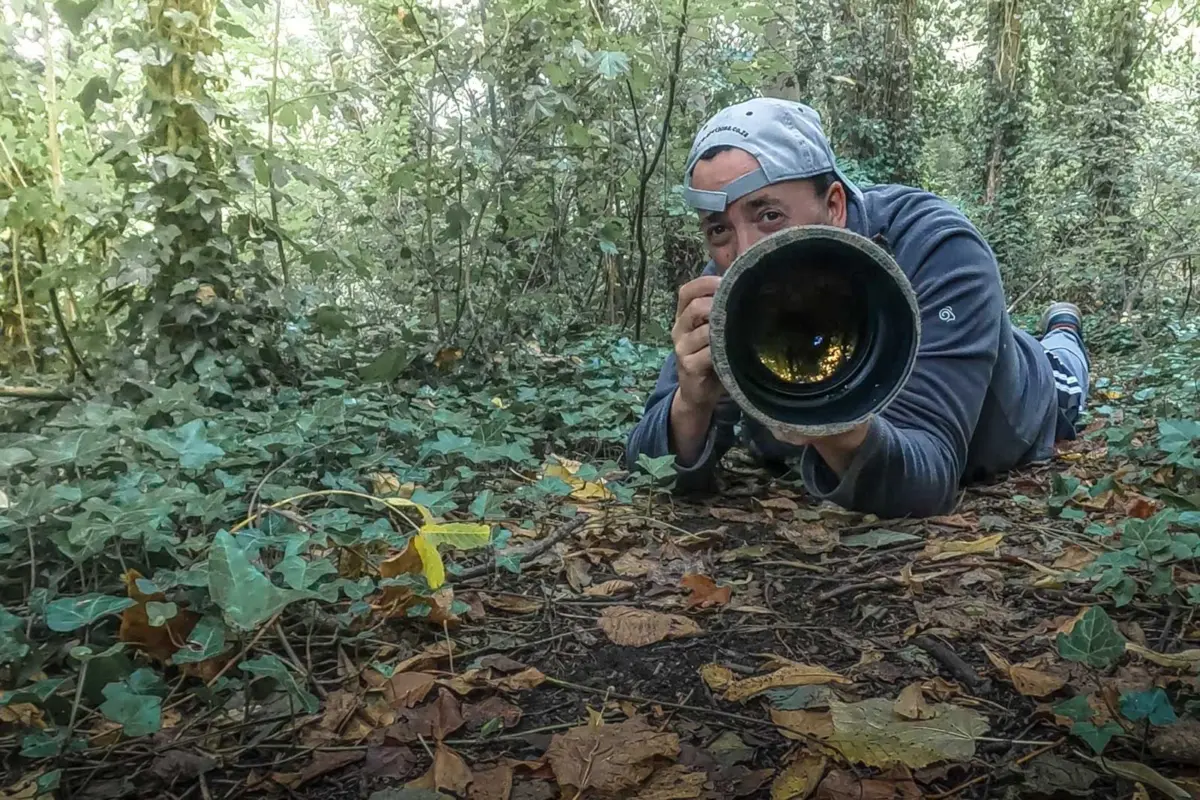
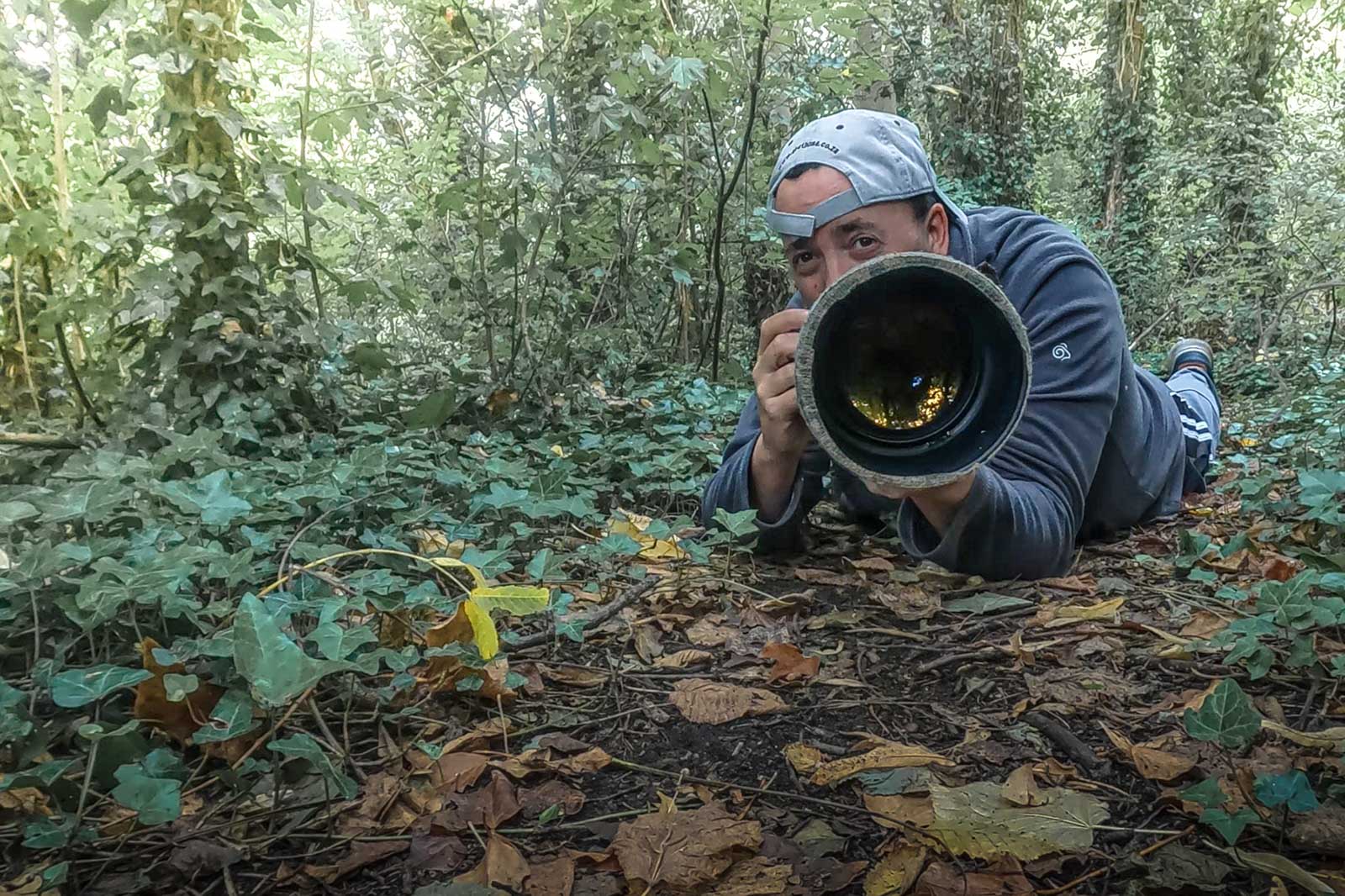
Optically, his weapon of choice remains the classic 300mm f/2.8 lens, prized for its phenomenal sharpness and capacity to isolate subjects against creamy, dreamlike backgrounds. Soares specializes in low-angle photography—getting as physically close to the ground as possible—to pull the viewer directly into the animal’s world.

Rather than chasing edge-to-edge sharpness across an entire frame, Soares prioritizes the emotional narrative of his subjects. Whether capturing the cunning gaze of a leopard, the desperation of a struggling predator, or the calm serenity of a grazing antelope, his work seeks to humanize wildlife through raw, authentic emotional expression.
Official Perspectives: Reflections on Mentorship and Mindset
Throughout his interviews and retrospective look at his career, Soares consistently points to the human element as the bedrock of his success. His narrative underscores the value of open mentorship, community, and psychological resilience.

"Johan showed me so much, both with camera techniques and in post-processing, and even served as a motivational coach, helping me through the ‘dark times’ in my photography… I have Johan to thank for getting me started in this field, and I will forever be grateful."
Reflecting on the psychological hurdles that plague emerging photographers—such as imposter syndrome when comparing oneself to industry icons—Soares offers a pragmatic perspective:

"You place these photographers on that pedestal yourself; that’s why they are role models. They will probably always seem better than you… and you will continue to strive towards that. Even if you feel you haven’t made it, the important thing is to keep going. Persevere."
Furthermore, Soares emphasizes that patience is the ultimate tool in the wildlife photographer’s kit. In an era obsessed with instant gratification and immediate digital results, he advocates for a return to the foundational basics:

"Be patient. Take time to learn the art and basics of photography—they will endure much more than any feature ever will… Many of the best images come from patience. The action-filled and impressive images we see often result from hours spent watching and observing the wild."
Implications: Lessons for the Next Generation of Nature Photographers
The journey of Victor Soares from a corporate engineer in South Africa to a full-time professional wildlife photographer in the UK offers profound implications for hobbyists and aspiring professionals alike.

1. The Value of Continuous Learning and Community
Soares’s ongoing participation in local camera clubs, even after two decades of experience, highlights that mastery is not a destination but a continuous loop. Professional growth relies heavily on humility—treating positive feedback and harsh critique with equal weight.
2. Redefining Career Transitions
The modern economic landscape frequently forces unexpected career pivots. Soares’s story demonstrates that corporate setbacks, such as redundancy, can serve as forced catalysts to pursue lifelong passions, provided one has built a robust foundation of skill, reputation, and emotional support systems at home.

3. Shifting from Gear Obsession to Vision
In an age where camera manufacturers release iterative bodies with incremental technological upgrades every few months, Soares’s philosophy serves as an antidote to consumerism. Equipment facilitates vision, but it cannot create it. True photographic excellence stems from an intimate understanding of animal behavior, light, anticipation, and emotional storytelling.
As Victor Soares continues to lead expeditions across Europe and Africa, his portfolio stands as a living archive of dedication—proving that with patience, mentorship, and an unwavering eye for the wild, the line between amateur passion and professional legacy can indeed be crossed.
