

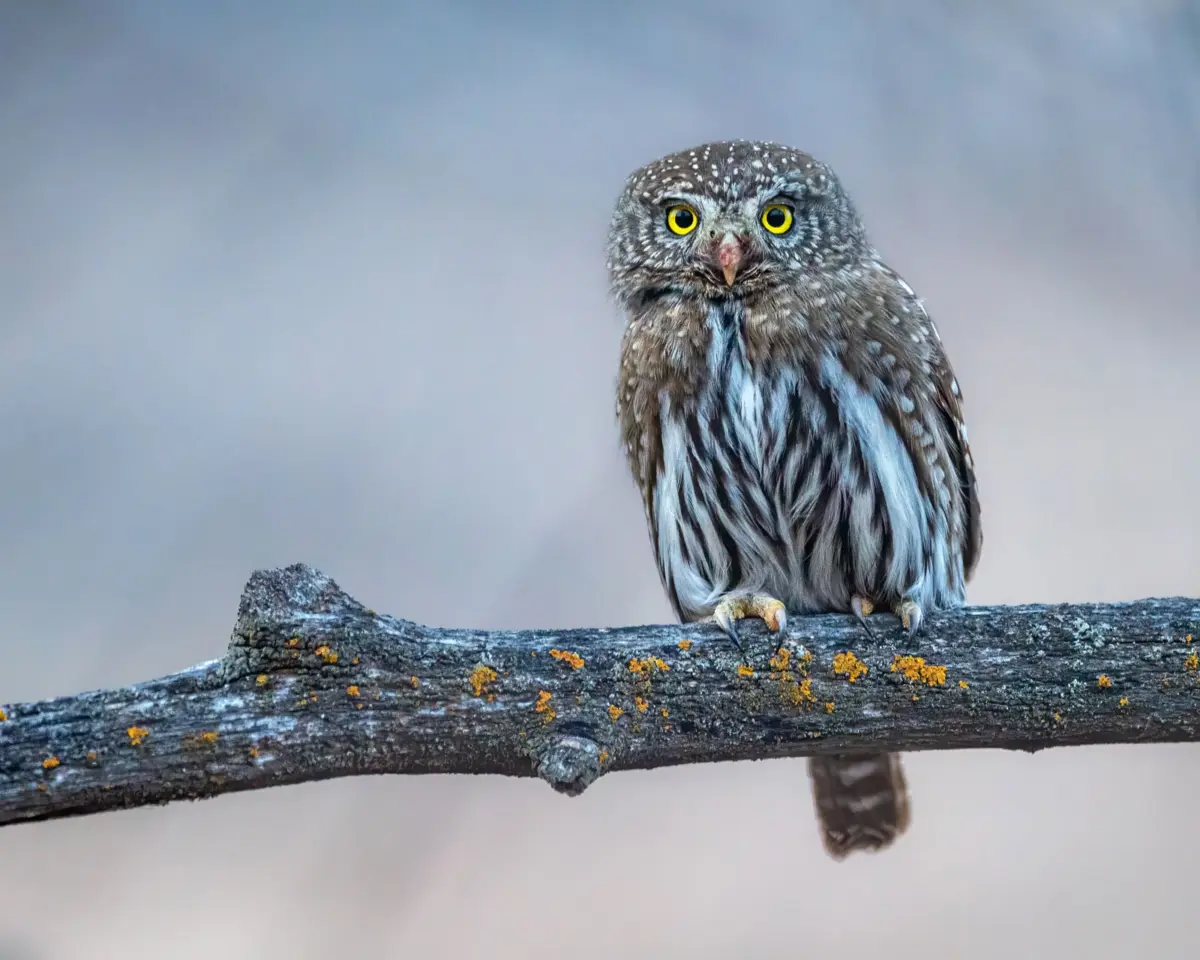
Main Facts: The Art, Science, and Ethics of Photographing Owls
Owls have long captured the human imagination, bridging the gap between scientific intrigue and folkloric mystery. In the realm of wildlife photography, capturing an owl in its natural element represents one of the ultimate tests of patience, fieldcraft, and technical precision. Unlike many songbirds or diurnal raptors, owls are predominantly nocturnal or crepuscular creatures, relying on specialized physiological adaptations—such as asymmetric ear openings and massive facial discs—to hunt in near-total darkness.
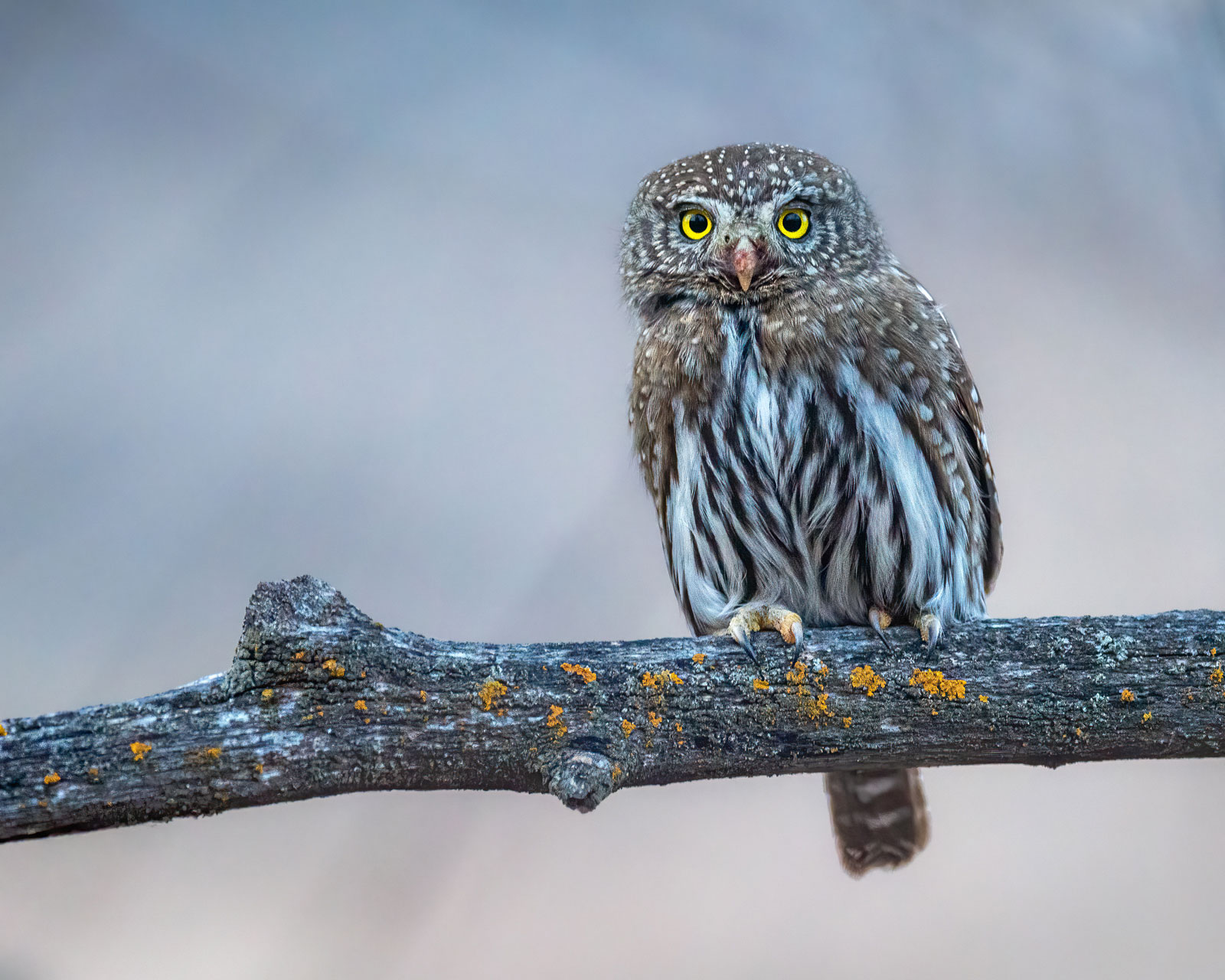
Mastering owl photography requires much more than simply pointing an expensive telephoto lens into a tree. It demands a comprehensive understanding of avian ecology, behavioral predictability, low-light optics, and strict ethical boundaries. Because owls are sensitive to human presence during their critical daytime resting periods, photographers must balance their artistic ambitions with the welfare of the subject. When approached with respect, patience, and the correct equipment, encounters with owls yield some of the most striking, intimate wildlife portraits imaginable.

Chronology: The Fieldcraft Process of Finding and Photographing Owls
Successfully locating and photographing an owl is rarely a matter of instant gratification; it is a methodical process that unfolds over hours, days, or even months.
Phase 1: Research and Range Mapping (Weeks Prior)
The journey begins away from the camera. Photographers must first identify which owl species inhabit their local region or travel destination. Utilizing regional birding databases, field guides, and local ornithological records, the photographer maps out potential habitats—ranging from dense boreal forests and open tundras to arid deserts and urban parks. Understanding whether a target species is resident or migratory, and how seasonal climate shifts or food availability impact their movements, lays the groundwork for a successful expedition.

Phase 2: Auditory Scouting at Dusk (Day 0)
Because most owls are nocturnal, the most effective way to locate a roosting site is to listen for their vocalizations during the golden hour and shortly after sunset. Photographers systematically canvas promising woodlots, listening for territorial hoots, barks, or screeches. By training the eye to scan tree trunks and major branches for unnatural silhouettes against the fading evening sky, the observer begins to internalize the specific shapes of resting owls.

Phase 3: Daytime Roost Identification (Day 1+)
Once an area is identified via evening calls, the photographer returns the following day during daylight hours. Owls often return to the exact same roosting tree—or even the same branch—for weeks at a time, provided their food supply remains steady and they are undisturbed. Scouting during the day involves searching for visual markers of presence, such as "whitewash" (droppings) on branches and the ground, or scattered owl pellets consisting of regurgitated fur and bone fragments.

Phase 4: Field Execution and Observation (The Shoot)
Upon locating a roosting owl, the photographer establishes a respectful distance—typically 75 to 100 feet away—utilizing a long telephoto lens to compress perspective and simulate an eye-level viewpoint. The photographer monitors the animal for signs of stress, such as vertical feather compression, bill-clacking, or wide-eyed alertness. If the owl remains relaxed and sleeps, the photographer captures static portraits before backing away to allow the animal to transition into its evening hunting routine. As dusk approaches and the owl becomes active, the photographer transitions from static tripod setups to handheld or monopod-supported gear to capture dynamic flight sequences.

Supporting Data: Equipment, Optics, and Camera Settings
Photographing a creature that operates primarily in low-light environments places heavy demands on photographic gear. To achieve professional-grade results without compromising ethical standards, photographers must deploy specific technical configurations.

Focal Lengths and Perspective
Because approaching within close physical proximity to a roosting or hunting owl causes undue stress, a long telephoto lens ranging from 300mm to 600mm is essential. This focal length range ensures that the owl fills the frame while allowing the photographer to maintain a comfortable distance. Furthermore, shooting from 75 feet away with a telephoto lens prevents the distorted, steep upward angles that occur when standing directly beneath a tree, creating a flattering, eye-level perspective.

Aperture and Light Gathering
Low-light performance is the defining technical hurdle of owl photography.

- Ideal Setup: Prime lenses with wide apertures of f/2.8 maximize light-gathering capabilities, allowing for faster shutter speeds in dim conditions.
- Standard Setup: Lenses with maximum apertures of f/4 or f/5.6 are serviceable, provided the photographer utilizes image stabilization and careful exposure management.
- Shooting Strategy: Photographers should initially shoot at the widest possible aperture to maximize shutter speed. Once adequate ambient light is available, stepping down slightly can increase the depth of field to ensure the entire facial disc and body remain sharp.
Shutter Speeds for Flight
Capturing an owl in flight requires blistering shutter speeds to freeze erratic wing beats. A minimum shutter speed of 1/1600 of a second is recommended for sharp, professional results, though deliberate slower speeds can be used artistically for motion blur with extensive practice.

Support Systems: Tripods vs. Monopods
- Tripods: Excellent for static perching shots, long hours of observation, and eliminating camera shake during post-sunset low-light conditions (ideally paired with a cable or wireless remote shutter release).
- Monopods / Handholding: Preferred when an owl is actively hunting and preparing for flight, as tripods can severely restrict a photographer’s ability to track fast, unpredictable movements.
Official Responses: Ethical Guidelines and Conservation Standards
Wildlife photography organizations, ornithologists, and conservation groups worldwide maintain strict ethical codes regarding the interaction with and documentation of sensitive avian species like owls.

The Prohibition of Baiting and Audio Playback
Conservation authorities universally condemn the use of live bait (such as mice purchased from pet stores) or recorded territorial calls (playback) to lure owls into the open for photographs.

- Impact of Baiting: Artificially feeding owls conditions them to associate humans with food, leading to dangerous behaviors such as approaching roadways, residential areas, or domestic pets, significantly increasing their mortality rate.
- Impact of Playback: Repeatedly playing territorial calls causes high-stress levels, territorial exhaustion, and can disrupt nesting and feeding cycles as the owl expends vital energy defending a phantom intruder.
Minimizing Disturbance at Daytime Roosts
Official wildlife viewing guidelines dictate that any action causing an animal to alter its natural behavior constitutes harassment. If an owl opens its eyes wide, leans forward, or flattens its plumage in response to a photographer’s presence, the photographer is too close. Professional standards require retreating immediately to a distance where the animal resumes resting, preening, or hunting naturally. Respecting the sanctuary of the roost ensures that wildlife populations remain resilient and undisturbed by human recreation.

Implications: The Intersection of Conservation, Fieldcraft, and Visual Storytelling
The growing popularity of owl photography carries profound implications for both wildlife conservation and the photography community at large. On one hand, compelling imagery of owls fosters a deep public appreciation for these apex nocturnal predators, driving grassroots support for habitat preservation, anti-poaching legislation, and the protection of old-growth forests and open grasslands. When people see the intricate detail of an owl’s facial disc or the raw power of its outstretched wingspan, a visceral connection is forged.

Conversely, the rise of digital cameras, social media, and easily accessible GPS data has introduced troubling trends. Instances of "hot-spotting"—where specific, vulnerable roosting locations are shared online without regard for the animals’ safety—have led to surges of well-meaning but intrusive photographers crowding individual birds. This overcrowding can force owls to abandon high-quality winter roosts or nesting territories, exposing them to harsh weather, predators, and starvation.

Ultimately, the implications point toward a vital educational imperative within wildlife photography. The mark of a true professional is no longer measured solely by the sharpness of the feather detail or the exotic nature of the species, but by the invisibility of the photographer’s footprint. By prioritizing animal welfare over acquisition, mastering the nuances of behavioral ecology, and exercising profound patience, photographers can capture breathtaking glimpses into the secret world of owls while ensuring these magnificent creatures continue to thrive undisturbed in the wild.
