

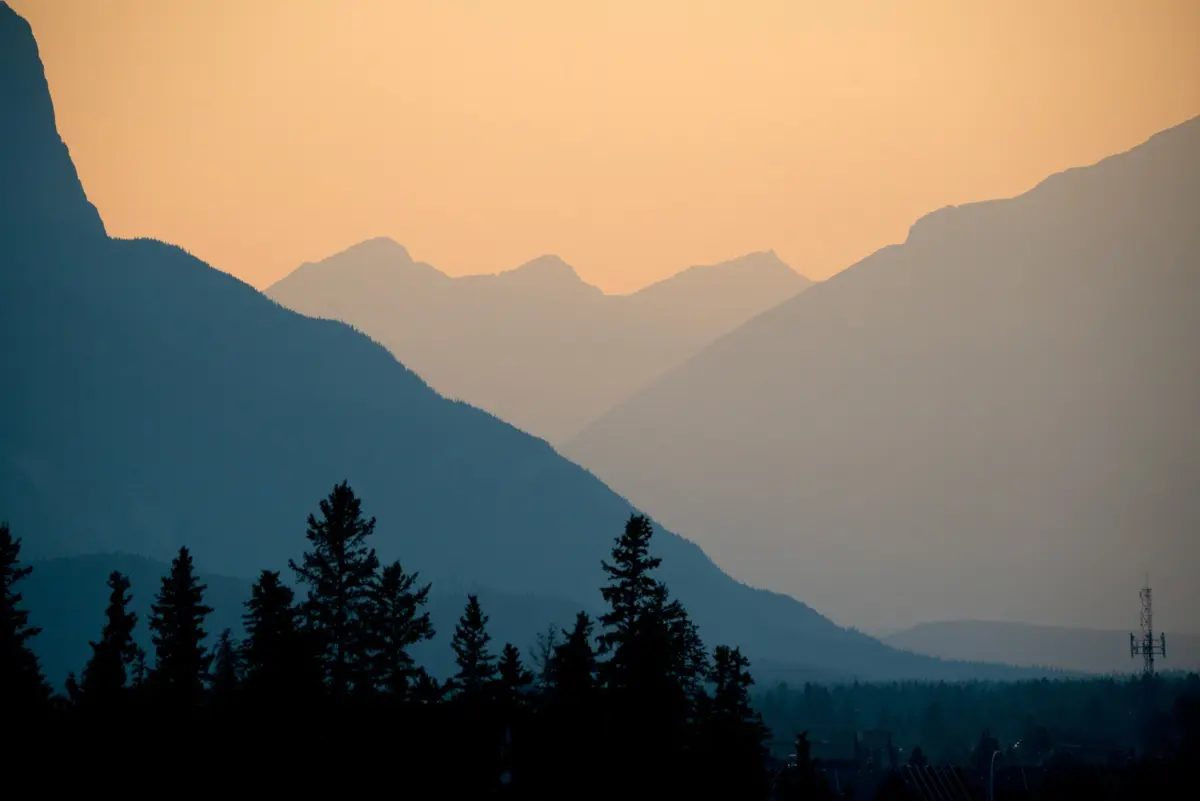
Lighting remains the single most transformative element in photography. It acts as the invisible brush with which visual artists paint their subjects, dictating mood, texture, depth, and narrative. While modern camera sensors possess extraordinary dynamic ranges capable of rescuing underexposed shadows and taming blown-out highlights, no piece of technology can replicate the intentional and artistic deployment of light.
Whether capturing the golden hour spilling across an alpine ridge, the subtle backlighting of wildlife amidst a misty woodland, or the challenging physics of an ocean trench, mastering light is what separates a routine snapshot from a breathtaking work of art. This comprehensive guide explores the technical, environmental, and creative dimensions of photographic lighting across four major disciplines: wildlife, landscape, underwater, and macro photography.
Main Facts: The Anatomy of Photographic Light
At its core, photography is "drawing with light." To manipulate it successfully, photographers must understand its primary characteristics: quality, direction, color temperature, and intensity.
- Quality (Hard vs. Soft): Hard light—produced by a small, direct light source like a midday sun or an unmitigated strobe—creates sharp, high-contrast shadows with defined edges. Soft light—diffused by clouds, mist, or large softboxes—wraps gently around subjects, minimizing harsh transitions and lowering overall contrast.
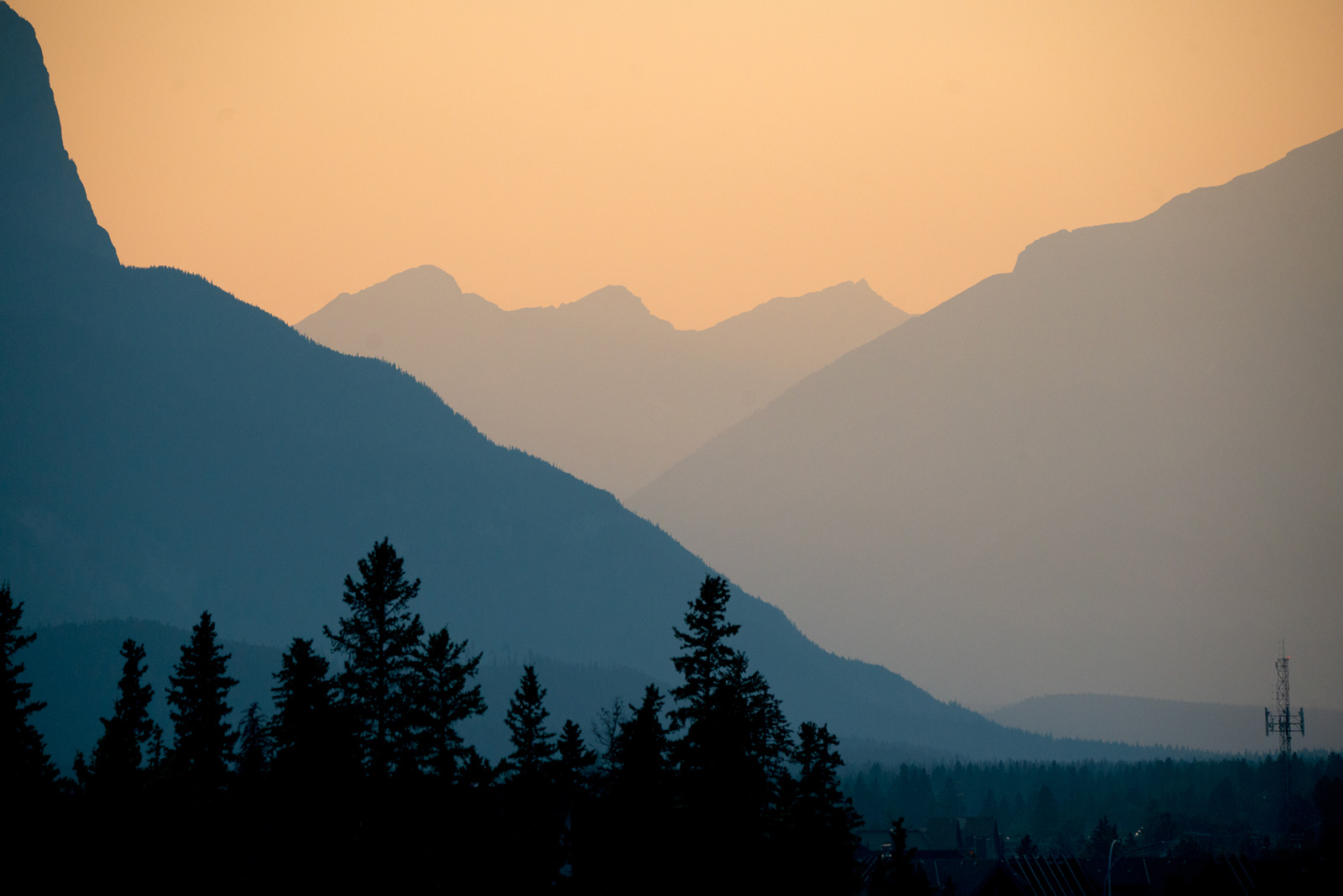
- Direction: The angle of the light source relative to the subject profoundly changes perception. Front lighting flattens features; side lighting accentuates texture and three-dimensionality; and backlighting creates dramatic silhouettes and glowing outlines (rim light).
- Color Temperature: Measured in Kelvin, light shifts from warm (red/orange sunrise hues) to cool (blue twilight or deep shade), setting the emotional tone of an image.
- Intensity: The brightness of the light source dictates exposure choices, balancing aperture, shutter speed, and ISO settings.
Chronology: The Evolution of Lighting Mastery in Nature Photography
The journey of understanding natural and artificial light has evolved dramatically alongside photographic technology.

- The Era of Plates and Slow Speeds (Late 19th to Mid 20th Century): Early nature and landscape pioneers were entirely bound by the sun. Because emulsion speeds were notoriously slow, long exposures under natural ambient light were mandatory. Artificial lighting in the field was restricted to dangerous and brief chemical flashes, such as magnesium powder.
- The Rise of Electronic Strobes (1960s–1980s): The invention of portable electronic flash units revolutionized wildlife and macro photography. Photographers could suddenly freeze fast-moving insects, illuminate nocturnal animals, and artificially balance harsh daylight.
- The Digital Revolution (Late 1990s–2010s): The advent of digital sensors drastically improved low-light performance (ISO flexibility) and introduced instant feedback via LCD screens. Photographers could experiment with exposure and lighting ratios in real-time, drastically shortening the learning curve for complex lighting scenarios.
- The Modern Era (Present Day): Today, high-end mirrorless systems combined with advanced LED continuous lighting, high-speed sync (HSS) flash capabilities, and computational photography allow modern nature photographers to bend light to their exact creative specifications, whether deep underwater or deep within a dark rainforest.
Supporting Data: Why Lighting Dictates Image Success
Industry metrics and photographic surveys consistently underline the importance of light in viewer engagement and artistic validation:
- Viewer Retention: Eye-tracking studies in visual arts reveal that human eyes are naturally drawn to the brightest parts of an image (photographic luminance). Properly managed light directs the viewer’s gaze through a deliberate visual pathway.
- The Golden Hour Premium: Analytics from major stock photography agencies and fine-art print sales show that images captured during the golden hours (shortly after sunrise and right before sunset) achieve up to 40% higher engagement and sales compared to midday shots, largely due to the warm color spectrum and long, dimensional shadows.
- Technical Challenges: A survey of field photographers indicates that over 65% of technical execution errors (such as motion blur, noise, or blown highlights) stem from misjudging environmental lighting conditions rather than camera settings errors.
Official Perspectives: Insights from Master Photographers
Leading professionals across various specialties emphasize that lighting cannot be treated as an afterthought; it must be anticipated.

"In landscape and wildlife photography, you do not chase subjects; you chase the light. A mediocre subject caught in extraordinary light will almost always outperform an extraordinary subject trapped in flat, uninspired illumination." — Renowned Nature and Landscape Instructors
Underwater and macro specialists echo similar sentiments regarding artificial intervention.

"When you submerge beneath the surface or peer into the miniature world of macro, ambient light quickly abandons you. Mastering off-camera strobes or diffusing your light source isn’t an optional accessory—it is your primary tool for restoring color and separation to a world that naturally swallows them." — Professional Field Specialists
Implications: Elevating Your Portfolio Through Light Mastery
Understanding and applying these lighting principles yields profound practical implications for photographers looking to elevate their craft.

1. Lighting in Wildlife Photography
Wildlife rarely cooperates with studio setups. To capture animals that truly stand out, photographers must anticipate animal behavior in conjunction with sun movement. Backlighting—positioning the subject between the camera and the sun—highlights fur, feathers, and dust particles, creating a halo effect. Early morning frost and golden sidelight can turn a common mammal portrait into a masterpiece of texture and contrast.
2. Lighting in Landscape Photography
Landscape photography requires acute environmental awareness. It transcends basic exposure triangles; it is an exercise in meteorological prediction. Whether utilizing low-angled light to sweep across desert dunes, capturing dramatic storm light clearing over a mountain range, or finding mood in heavy mist and overcast conditions, the successful landscape photographer plans compositions around where the light will be, not just where it is.

3. Lighting in Underwater Photography
Water acts as a natural optical filter, rapidly absorbing warm wavelengths (reds and yellows) within the first few meters of depth. Underwater lighting requires a dual approach: making the most of shallow ambient light (such as photographing ocean giants near the surface) and deploying dual strobes or specialized video lights on deeper dives to restore lost color, control backscatter, and create dimensional contrast.
4. Lighting for Macro Photography
In the macro realm—whether shooting insects, amphibians, or botanical textures—working distances are measured in millimeters, and depths of field are razor-thin. This requires high apertures, which in turn demand more light. Mastering diffusers, ring lights, and twin flash setups allows macro photographers to soften harsh specular highlights, reveal hidden cellular details, and isolate tiny subjects against pleasing, creamy bokeh backgrounds.

Conclusion
Ultimately, lighting is the universal language of photography. By deeply understanding how light behaves across different environments—whether in the wild, across vast landscapes, beneath the ocean waves, or in the microscopic world—photographers gain total creative control.
Harness the principles outlined in this guide, study your environment, learn to anticipate the changing moods of the sun and sky, and don’t be afraid to introduce artificial modifiers when nature demands it. Master the light, and your photography will undoubtedly reach new heights.
