

Main Facts: The Transition of a Master
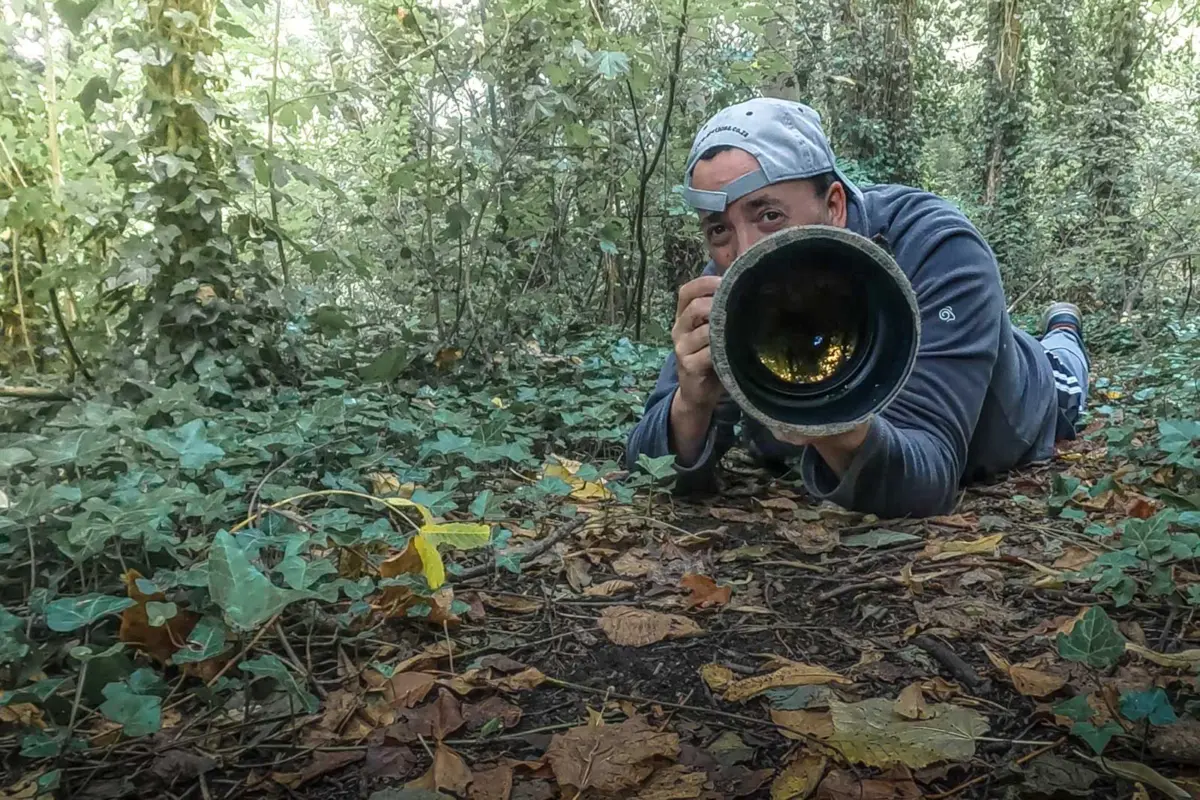
For nearly two decades, South African-born wildlife photographer Victor Soares balanced a demanding technical career with a profound, lifelong passion for the natural world. Now based in the United Kingdom, Soares has officially transitioned from an amateur enthusiast and working engineer into a full-time professional wildlife photographer, guide, and workshop leader.
His striking imagery—characterized by intimate perspectives, dramatic emotional resonance, and masterful handling of light—has earned him international acclaim, including finalist placement in the prestigious Natural History Museum (NHM) Wildlife Photographer of the Year awards. Today, Soares leads exclusive photography tours across Europe and Africa, imparting decades of accumulated field experience to a new generation of visual storytellers.
Chronology: A 20-Year Photographic Journey
The Early Spark: South Africa (2004)
Growing up in South Africa, Soares found solace and fascination in the country’s rich biodiversity, spending countless hours observing birds through binoculars. However, his formal entry into wildlife photography began purely by chance in 2004. Drawn to advancing digital technology, he purchased his first DSLR—a Canon 300D—primarily to document family holidays.
A routine trip to a local photo lab in Kruger National Park catalyzed his transformation. While collecting prints, Soares admired a striking image of a Cattle Egret captured by the lab owner, Johan Combrink. When Soares remarked, "I want to take photos like that," Combrink invited him back to the shop the following day. This mentorship laid the technical and artistic foundation for Soares’s future career.

Rebuilding and Refining (2006–2012)
By 2007, equipped with a newly acquired Canon Rebel XT, Soares began refining his craft with greater intentionality. Early milestones, such as a crisp portrait of a Steenbok in Kruger Park, marked a departure from blurry, distant captures of his past.
A major turning point arrived in 2012 when Soares achieved international recognition, reaching the final round of the Natural History Museum’s Wildlife Photography Awards (then known as the Veolia Environmental Awards) out of more than 48,000 global entries. Though the image did not secure a gallery display, the validation served as a critical psychological milestone, convincing Soares that his work could stand shoulder-to-shoulder with the industry’s finest.

Relocation and Reinvention (2016–2024)
Relocating to the United Kingdom in 2016—and later to London in 2018—shifted Soares’s focus toward European wildlife. English red foxes and autumnal deer ruts replaced African savannahs as his primary muses, expanding his technical versatility.
By 2023, Soares began guiding small groups and teaching photography workshops on a part-time basis. The definitive leap to full-time professionalism occurred in early 2024. Following a corporate restructuring that rendered his engineering position redundant, Soares embraced the pivot, turning a career disruption into an opportunity to pursue wildlife photography full-time with the unwavering support of his wife.

Supporting Data & Technical Evolution
Soares’s transition from amateur to professional is structurally mirrored in the evolution of his equipment, workflow, and shooting philosophy:
- Equipment Progression: Soares started on entry-level crop-sensor bodies (Canon 300D and Rebel XT) constrained by strict ISO limits (rarely pushing past ISO 400 due to digital noise). Today, he invests in high-end glass, frequently utilizing the Canon EF 300mm f/2.8 lens to achieve exceptionally shallow depths of field.
- Camera Settings: Early shoots relied heavily on Aperture Priority (Av) mode and conservative f-stops. Modern workflows see Soares shooting almost exclusively in Manual mode, prioritizing artistic storytelling over technical edge-to-edge sharpness.
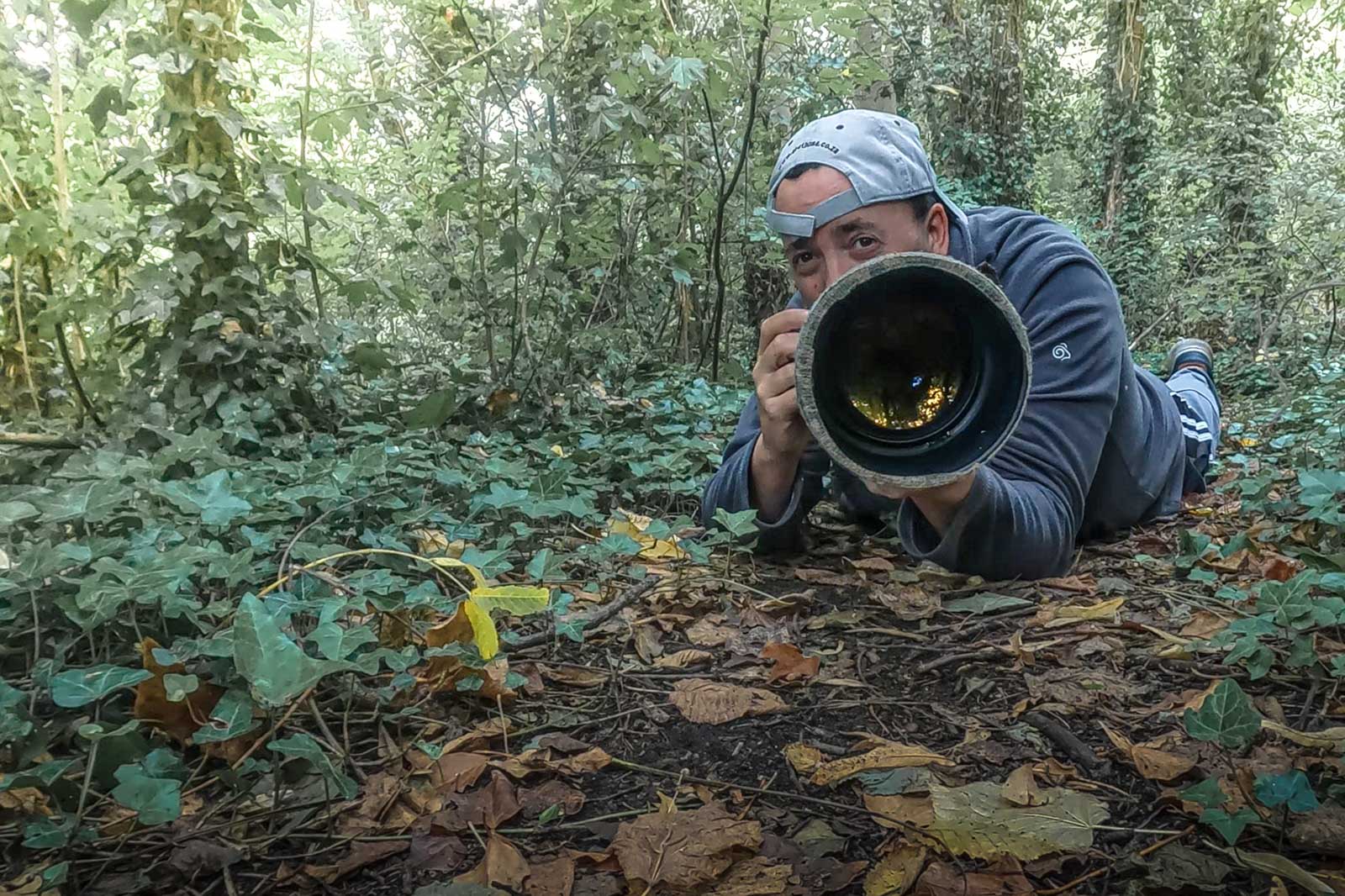
- Compositional Style: Moving away from standard, documentation-style wildlife shots, Soares champions low-angle perspectives—shooting as close to the ground as possible—and focuses on capturing raw animal emotions, from the cunning gaze of an urban fox to the intense desperation of a red deer rut.
Official Perspectives: Reflections on Mentorship and Patience
Reflecting on his journey, Soares emphasizes that professional success in wildlife photography cannot be rushed. He credits his early mentor, Johan Combrink, not only for technical instruction in camera settings and post-processing but for providing emotional resilience during the "dark times" of creative stagnation.

"When we embark on any journey, especially today, we demand immediate results," Soares reflects. "We always want to be one step ahead and seldom reflect on what we are doing right now and how far we’ve already come. Be patient. Take time to learn the art and basics of photography—they will endure much more than any feature ever will."
Soares also stresses the psychological fortitude required to combat "imposter syndrome" in a hyper-competitive digital landscape: "You place these photographers on that pedestal yourself… Even if you feel you haven’t made it, the important thing is to keep going. Persevere. Don’t be afraid of comments and criticism."

Implications for Aspiring Nature Photographers
Victor Soares’s trajectory offers several vital takeaways for contemporary nature and wildlife photographers:
- The Trap of Gear Obsession: Soares admits to previously measuring his progress by the frames-per-second rate or autofocus points of new camera bodies rather than his foundational field craft. His journey underscores that advanced technology only amplifies pre-existing skill sets.
- Embracing Career Transitions: The modern creative economy frequently requires balancing traditional employment with passion projects. Soares’s story demonstrates that corporate setbacks can act as catalysts for long-deferred creative dreams.
- The Value of Constructive Critique: Whether navigating feedback from international competition judges or local camera club members, Soares advocates for treating positive and negative critiques with equal weight to accelerate personal and artistic growth.
As Soares continues to lead expeditions across continents, his work serves as an enduring reminder that wildlife photography is not a destination with a finished endpoint, but a lifelong, evolving journey of observation, patience, and deep connection with the natural world.
