

Published: October 1, 2026
Author: Wellness & Movement Desk
Photographer: Andrew Clark
Main Facts: The Shift Toward Restorative, Prop-Assisted Practice
In the modern landscape of fitness and movement, high-intensity workouts and power vinyasa flows often dominate the cultural conversation. However, a quiet counter-revolution is taking place inside yoga studios and living rooms around the world. Practitioners and instructors alike are increasingly emphasizing the profound necessity of slowing down.
When physical exhaustion, mental burnout, or chronic joint stress sets in, pushing through a rigorous routine can be counterproductive. Instead of abandoning the mat altogether, practitioners are turning to supported yoga poses—modifications of classic shapes that utilize bolsters, blocks, straps, and blankets to drastically reduce physical effort.
Rather than seeking out entirely different routines on low-energy days, the core philosophy of supported yoga is adaptation. By integrating props into familiar postures like Easy Pose, Fish, Bridge, Camel, and Child’s Pose, practitioners can offload muscular exertion onto stable accessories, allowing gravity and targeted support to facilitate deep physical and mental release.
Chronology: From Ancient Lineages to Modern Prop-Assisted Therapy
While the use of props in yoga is often associated with contemporary Western wellness culture, its roots run deep in the evolution of modern postural yoga.
- Early-to-Mid 20th Century: The democratization and therapeutic adaptation of yoga underwent a massive shift under the guidance of pioneering teachers like B.K.S. Iyengar. In the mid-1900s, Iyengar revolutionized how practitioners approached alignment and injury recovery by systematically introducing everyday objects—such as wooden blocks, folded blankets, ropes, and belts—into asana practice. His methodology proved that yoga was not merely a test of flexibility or muscular endurance, but a therapeutic tool accessible to all bodies.
- Late 20th Century to 2000s: As yoga gained widespread popularity in Western countries, fitness trends leaned heavily into dynamic, athletic styles like Power Yoga and Ashtanga. Props were occasionally viewed by novices as "crutches" or indicators of beginner status.
- 2010s to 2020s: Clinical research increasingly highlighted the physiological benefits of restorative yoga, specifically its impact on the parasympathetic nervous system (the "rest and digest" state). Stress reduction, cortisol regulation, and nervous system down-regulation shifted public perception. Props were re-branded from beginner tools to essential instruments of deep healing.
- Present Day (2026): The cultural pendulum has swung firmly toward holistic self-care. The modern practitioner recognizes that asking for help—even from a foam block or a weighted bolster—is a sign of physiological wisdom rather than weakness.
Supporting Data: The Science of Rest and the Parasympathetic Nervous System
Why are prop-supported poses so effective? The answer lies in neurobiology and biomechanics.
Nervous System Regulation
When we hold active yoga postures, our muscles must constantly engage to fight gravity and maintain alignment. This recruits the sympathetic nervous system (fight-or-flight), which, while beneficial for building strength, can exacerbate chronic stress and physical fatigue. Introducing props—such as sliding a block beneath the sacrum in Bridge Pose—signals to the brain that the body is fully supported. This mechanical shift triggers the parasympathetic nervous system, lowering heart rate, reducing blood pressure, and decreasing cortisol production.
Joint Decompression and Fascial Release
Many classic yoga poses place intense demands on joints, ligaments, and tendons. For instance, Sukhasana (Easy Pose) requires deep external rotation of the hips and flexion of the knees, which can pinch the lower back if the pelvis tilts backward. By elevating the hips on a bolster and supporting the knees with rolled blankets, the muscular tension holding the joints in place dissipates. This allows the connective tissue (fascia) to hydrate and release without the interference of active muscular guarding.
Detailed Breakdown: 5 Essential Supported Yoga Poses
Finding supported variations of classic yoga poses opens up space to make each shape uniquely yours. Practitioners are encouraged to experiment by adding or subtracting props to find their individual threshold of ease and release.
1. Supported Easy Pose (Sukhasana)
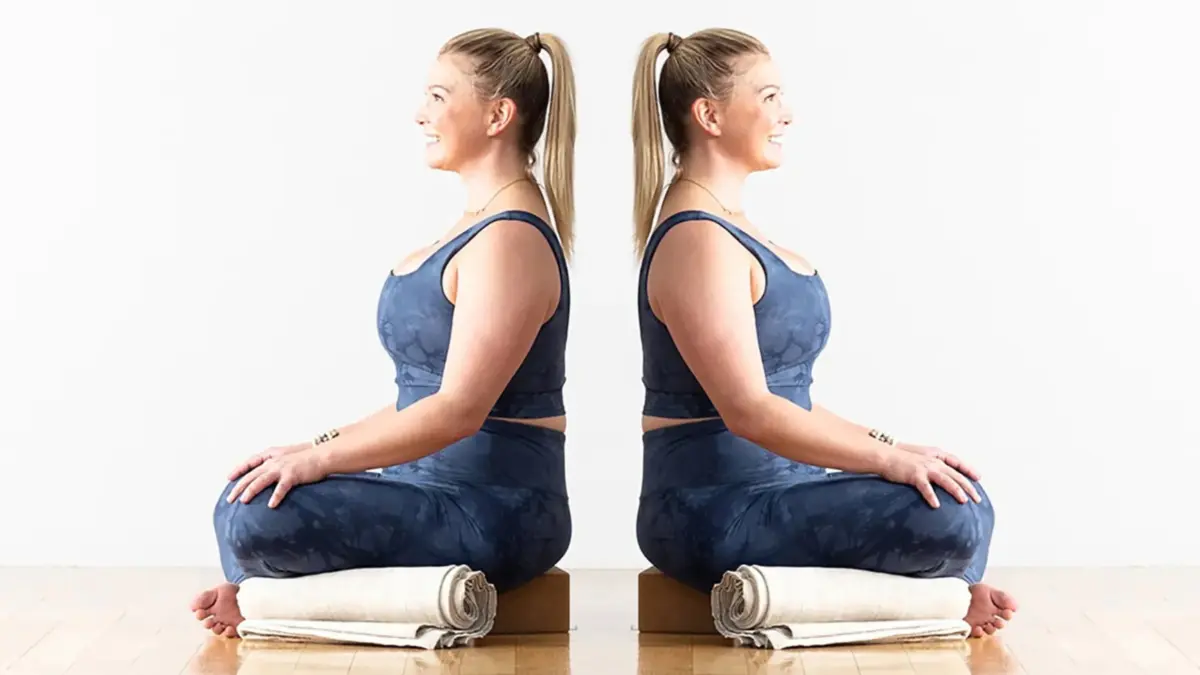
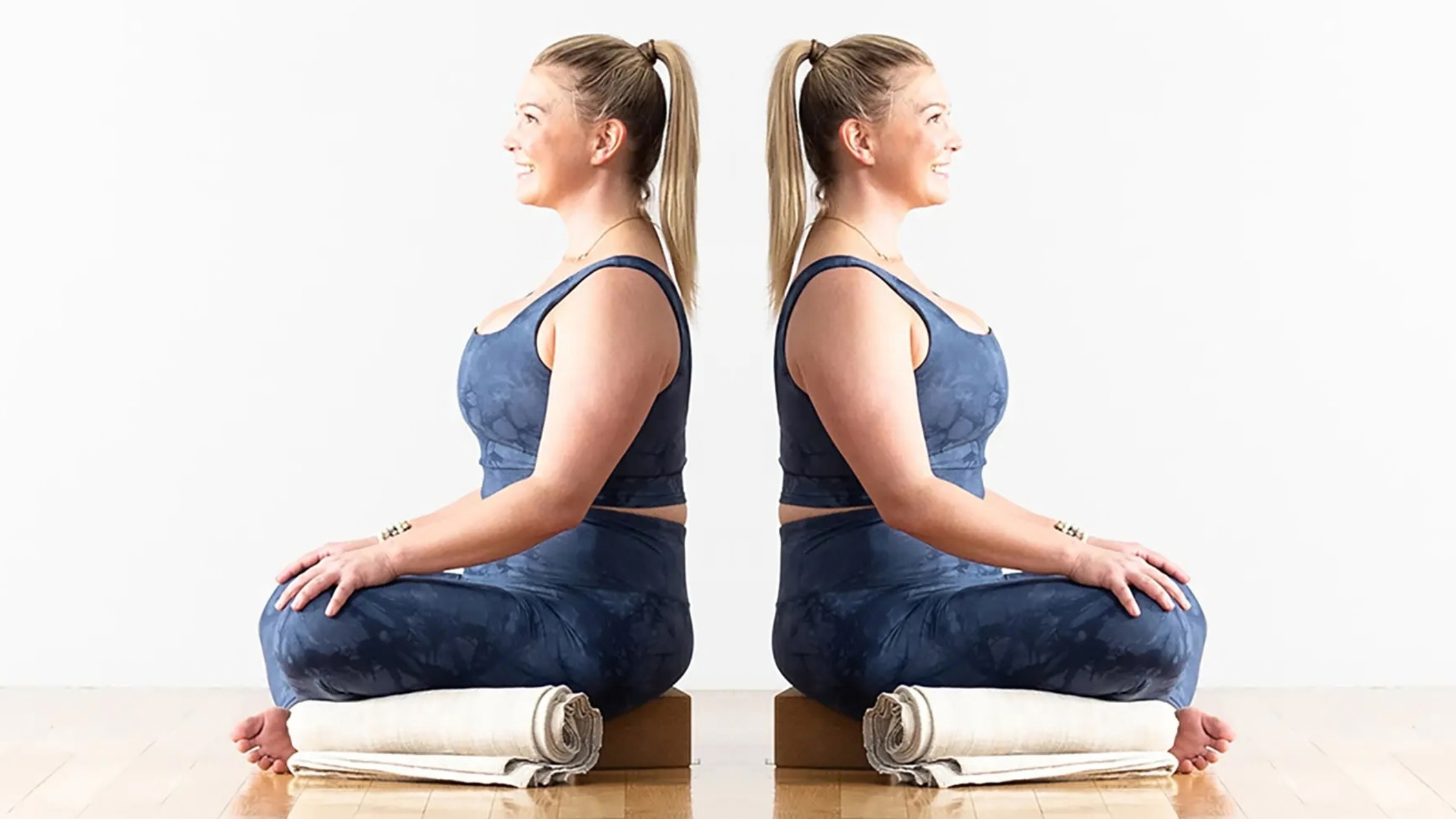
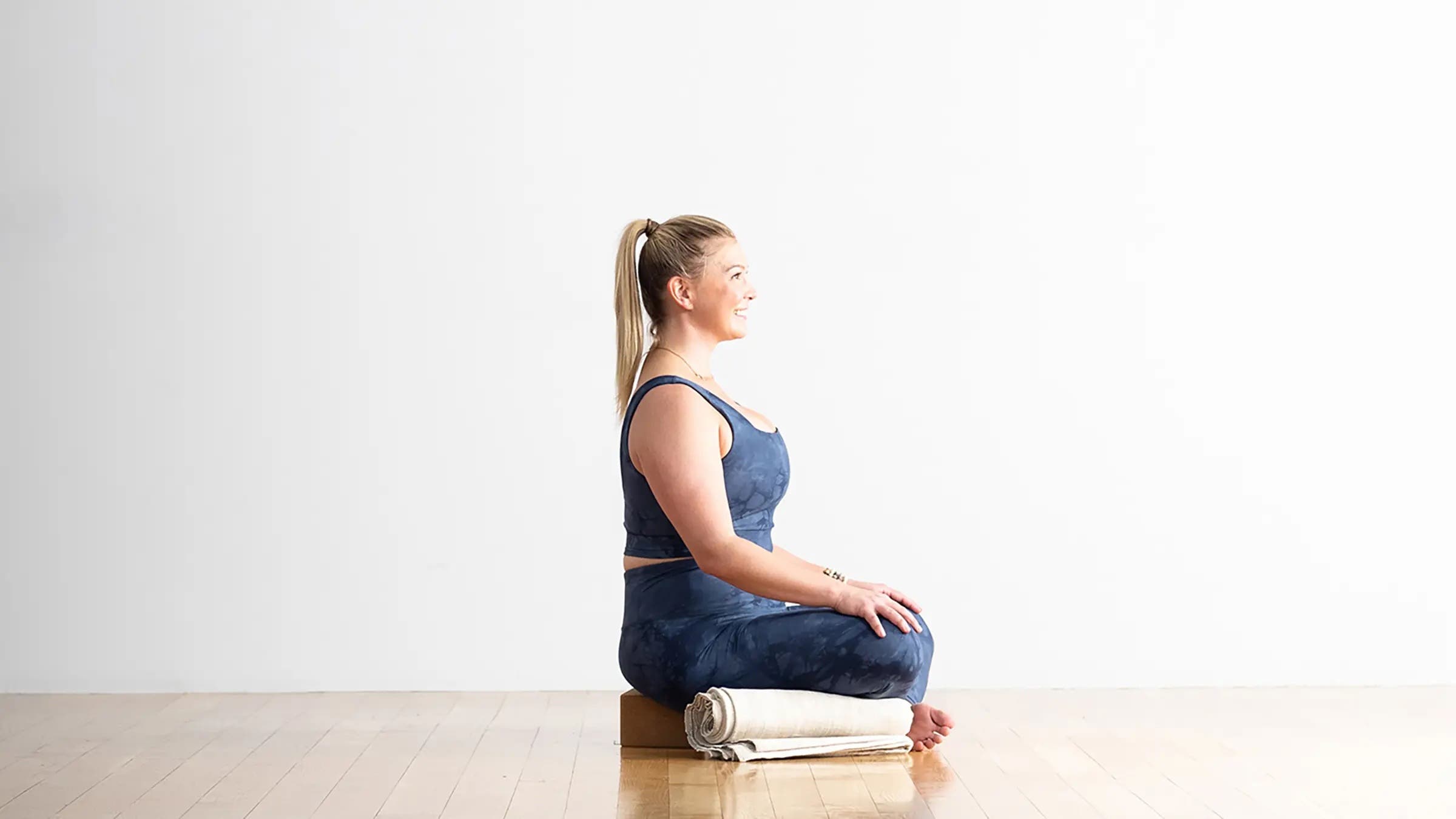
Taking a simple seat in Easy Pose might seem straightforward—after all, it’s right there in the name—but for many, it is a surprisingly challenging posture. The meditative cross-legged shape demands significant mobility from the hips, knees, and ankles, while requiring core endurance to keep the spine upright. On days when you crave stillness without the strain, perching yourself on a block or bolster tilts the pelvis forward, naturally stacking the vertebrae and eliminating lower-back fatigue. Tucking rolled-up blankets, towels, or extra blocks under each knee allows gravity to anchor the lower body, freeing your mind to focus entirely on deep, rhythmic inhalations and exhalations.
2. Supported Fish Pose (Matsyasana)
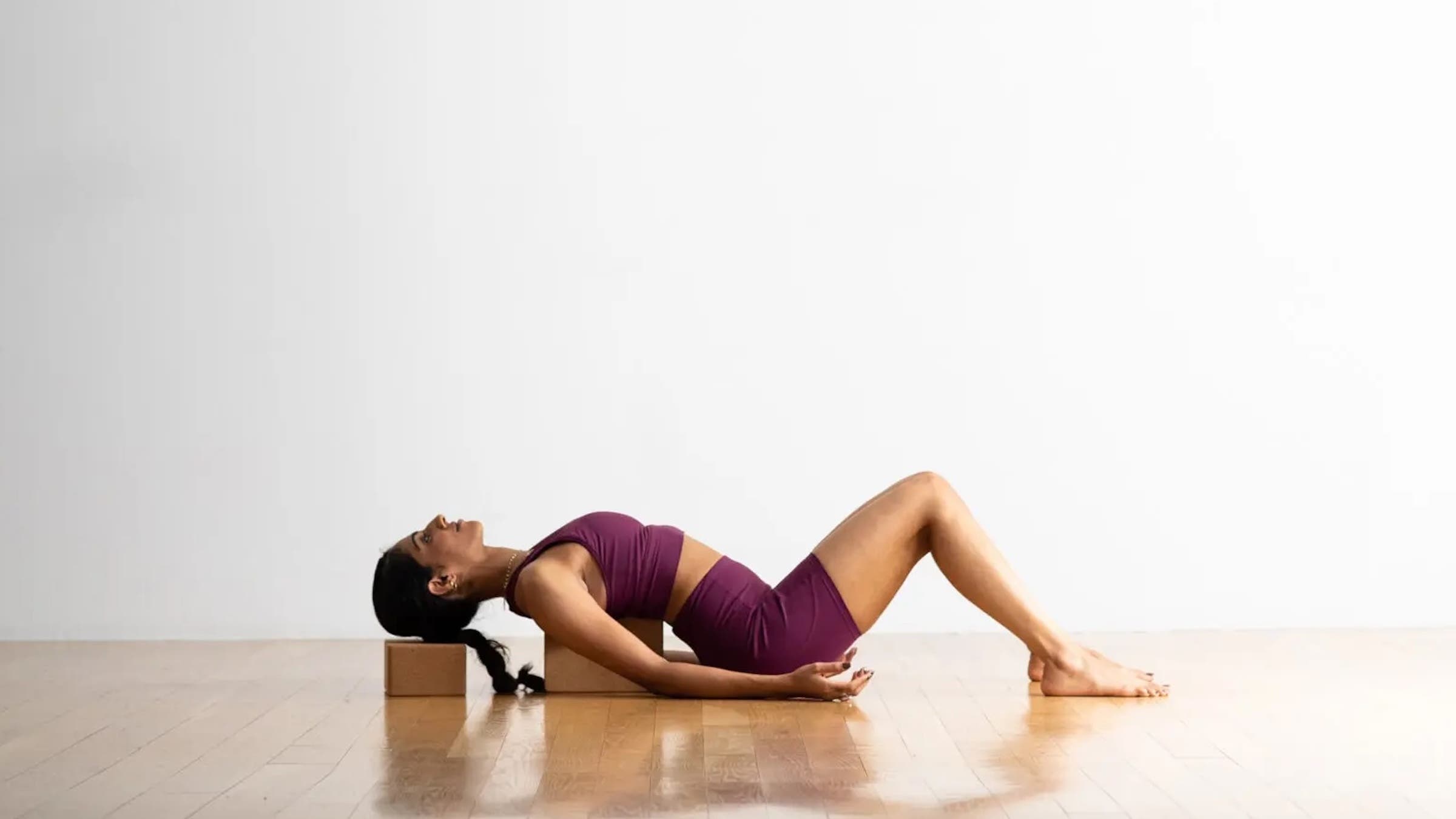
Heart-opening postures are notoriously invigorating, but they can also feel vulnerable and physically demanding. Supported Fish Pose transforms this dynamic backbend into a passive, deeply comforting shape. By placing yoga blocks, pillows, or a firm bolster beneath your head and upper back, you create a gentle, elevated arch that broadens across the chest and collarbones without straining the cervical or lumbar spine. Bending the knees and planting the feet flat on the mat further relaxes the lower body, reimagining a rigorous full-body chest opener as a soft, restorative refuge.
3. Supported Bridge Pose (Setu Bandha Sarvangasana)
Bridge Pose brilliantly illustrates how a single yoga shape can shift from an intense strength-builder to a profoundly restorative sanctuary simply through the introduction of props. In its active form, Bridge Pose requires sustained engagement from the glutes, hamstrings, and core to lift the pelvis. However, sliding a block or bolster directly beneath the sacrum entirely alters the biomechanics. This subtle inversion takes the pressure completely off the lower back and legs, allowing the practitioner to sink effortlessly into the shape while activating the parasympathetic nervous system and soothing the entire nervous network.
4. Supported Camel Pose (Ustrasana)
Deep backbends like Camel Pose require a delicate balance of physical flexibility, core stability, and psychological trust. Reaching backward into open space to grab the ankles can feel daunting and inaccessible for many practitioners. Incorporating a sturdy chair completely reinvents the experience. Instead of blindly searching for ankles that may be out of reach, you can lean your torso back against the seat, resting your hands securely on the chair’s legs. Draping a soft blanket over the back of the chair provides an extra layer of comfort for your spine as you gently lift your sternum, merging safety with emotional release.
5. Supported Child’s Pose (Balasana)
Child’s Pose is universally beloved as a resting posture, yet even this classic shape can harbor hidden tension if the hips cannot comfortably reach the heels or if the forehead hangs unsupported above the mat. Adding a bolster or folded blankets beneath your torso and hips removes common physical strains. Furthermore, if engaging the arms and stretching through the upper back feels too taxing, letting your arms rest passively alongside your torso shifts the pose into total surrender. The overarching objective is to eliminate every ounce of burden from your physical vessel.
Official Responses & Expert Perspectives
Physical therapists, yoga therapists, and somatic educators have increasingly championed the use of props as a cornerstone of sustainable, injury-free movement practices.
-
Dr. Elena Vance, Doctor of Physical Therapy and Clinical Yoga Specialist:
"There is an outdated stigma in fitness that using props means you aren’t ‘doing it right’ or working hard enough. From a clinical perspective, that couldn’t be further from the truth. Props allow us to bypass nociceptive feedback—the neurological signals of pain and strain—so the nervous system can truly let go. When the nervous system relaxes, tissue remodeling and deep recovery can finally occur."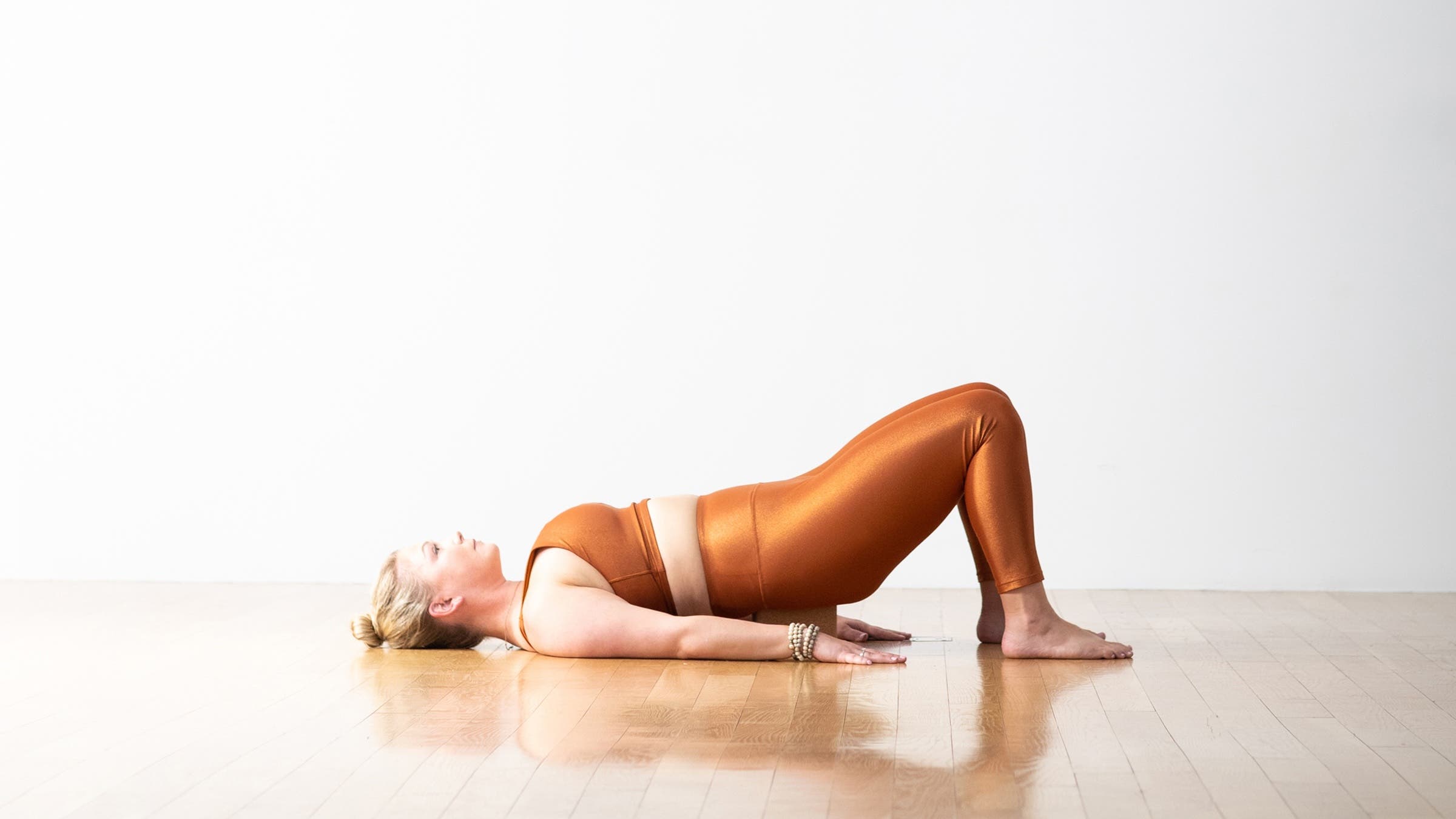
-
Marcus Thorne, Senior Restorative Yoga Instructor and Author:
"Yoga is not a military bootcamp; it is a dialogue between your physical form and your inner state. On days when your body whispers—or screams—for a break, honoring that message with a bolster or a block is the highest form of discipline. Props are not crutches; they are collaborators in your well-being."
Implications: The Future of Holistic Self-Care
The mainstream embrace of supported yoga practices carries significant implications for the broader wellness and healthcare sectors.
As society grapples with rising rates of chronic stress, occupational burnout, and lifestyle-related musculoskeletal pain, fitness paradigms are shifting away from the "no pain, no gain" ethos of the late 20th century. The integration of restorative, prop-supported movement into home routines and studio classes signals a maturing cultural understanding of health—one that honors longevity, nervous system regulation, and intuitive self-care over raw athletic output.
Ultimately, the humble yoga block and bolster serve as powerful reminders that strength and resilience are not solely built through exertion and struggle. True wellness requires an equal, sacred commitment to rest, repair, and receiving the support we need to thrive.
