

Published September 30, 2026
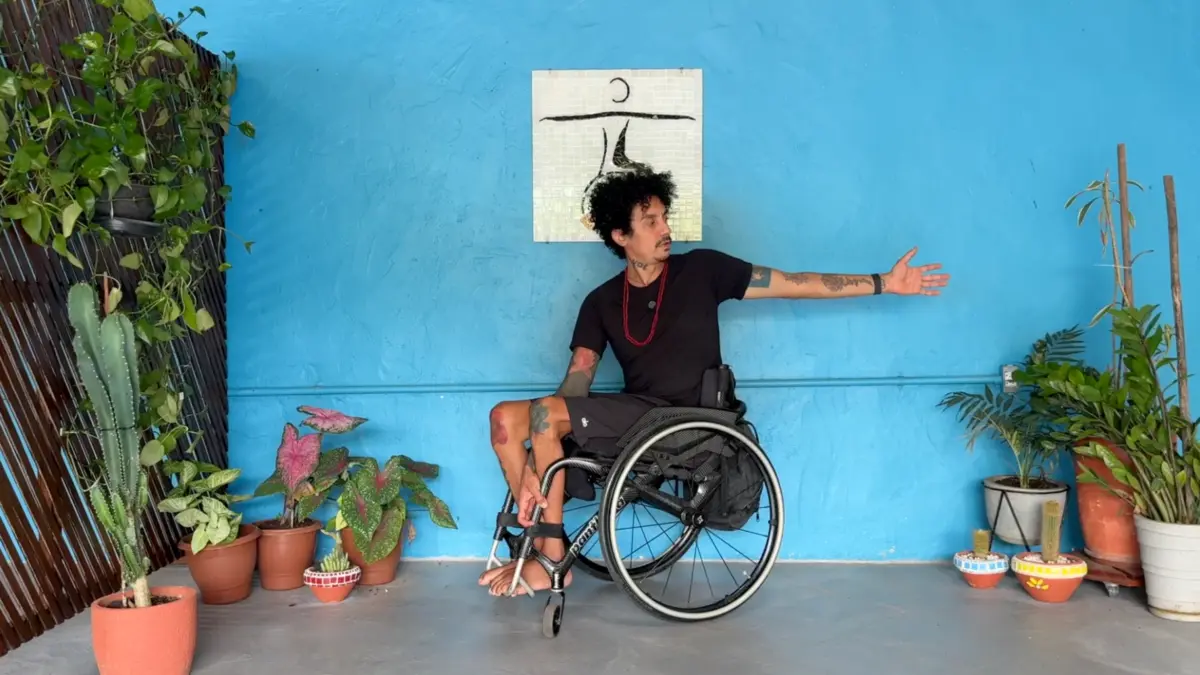
The word "joy" is permanently inked onto a man’s neck, a daily testament to a profound philosophical shift. For years, he—like so many others—equated joy with favorable external circumstances: what his body could accomplish, where it could travel, and the milestones it could achieve. But a life-altering accident resulting in paralysis from the chest down dismantled that paradigm overnight, introducing an era defined by profound grief, physical pain, and the sudden, jarring disappearance of a familiar existence.
Yet, rather than remaining trapped in the narrative of loss, an unexpected truth emerged from the physical and emotional wreckage. Grief did not eviscerate his capacity for joy. Through the deliberate, grounding practice of yoga, he discovered that human beings are vast enough to hold contradictory truths simultaneously. One can mourn the loss of a former physical reality while feeling deep gratitude for the breath still moving through the body. One can experience pain and still laugh; one can grieve sorrow while falling desperately in love with a new reality.
This philosophy anchors a growing movement in inclusive wellness: adaptive chair yoga. Designed for individuals with physical limitations, wheelchair users, or anyone seeking a gentler, more accessible entry point to mindfulness, this practice proves that movement—and the peace it brings—belongs to everyone.
Main Facts: The Intersection of Adaptive Movement and Emotional Resilience
The core thesis of this adaptive chair yoga practice is that joy is not an emotion earned through perfection or the absence of suffering; it is a foundational, internal state of being.
- The Philosophy: Rooted in the yogic concept of ananda (often translated as deep bliss or lasting joy), the practice posits that peace exists beneath the changing, often chaotic circumstances of daily life.
- The Accessibility: Requiring nothing more than a sturdy chair, the 20-minute sequence is fully adaptable. Practitioners are repeatedly reminded that if a physical movement is unavailable, visualization serves as an equal vehicle for mindfulness. "You don’t need to move. That’s also yoga," instructors emphasize.
- The Physiological Impact: Through synchronized breathing, such as prolonged exhalations mimicking blowing out candles, the practice actively downregulates the nervous system. This physiological shift creates a safe internal environment where trauma, grief, and joy can peacefully coexist.
Chronology: The Evolution of a Mindful Practice
The 20-minute adaptive chair yoga routine is structured to guide practitioners sequentially from external distraction into deep internal awareness, utilizing specific postures tailored for accessibility.
Phase 1: Centering and Breath Awareness
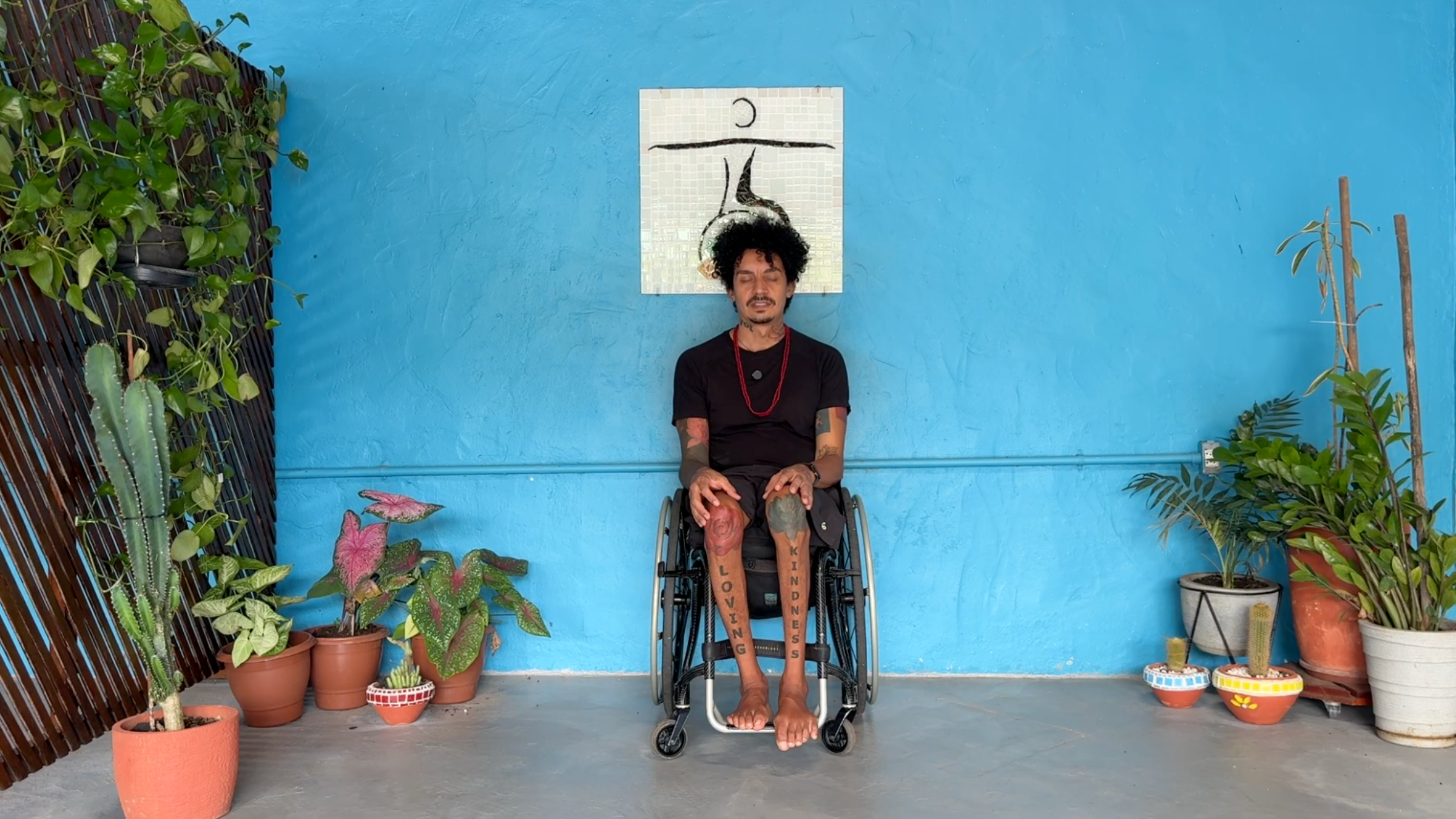
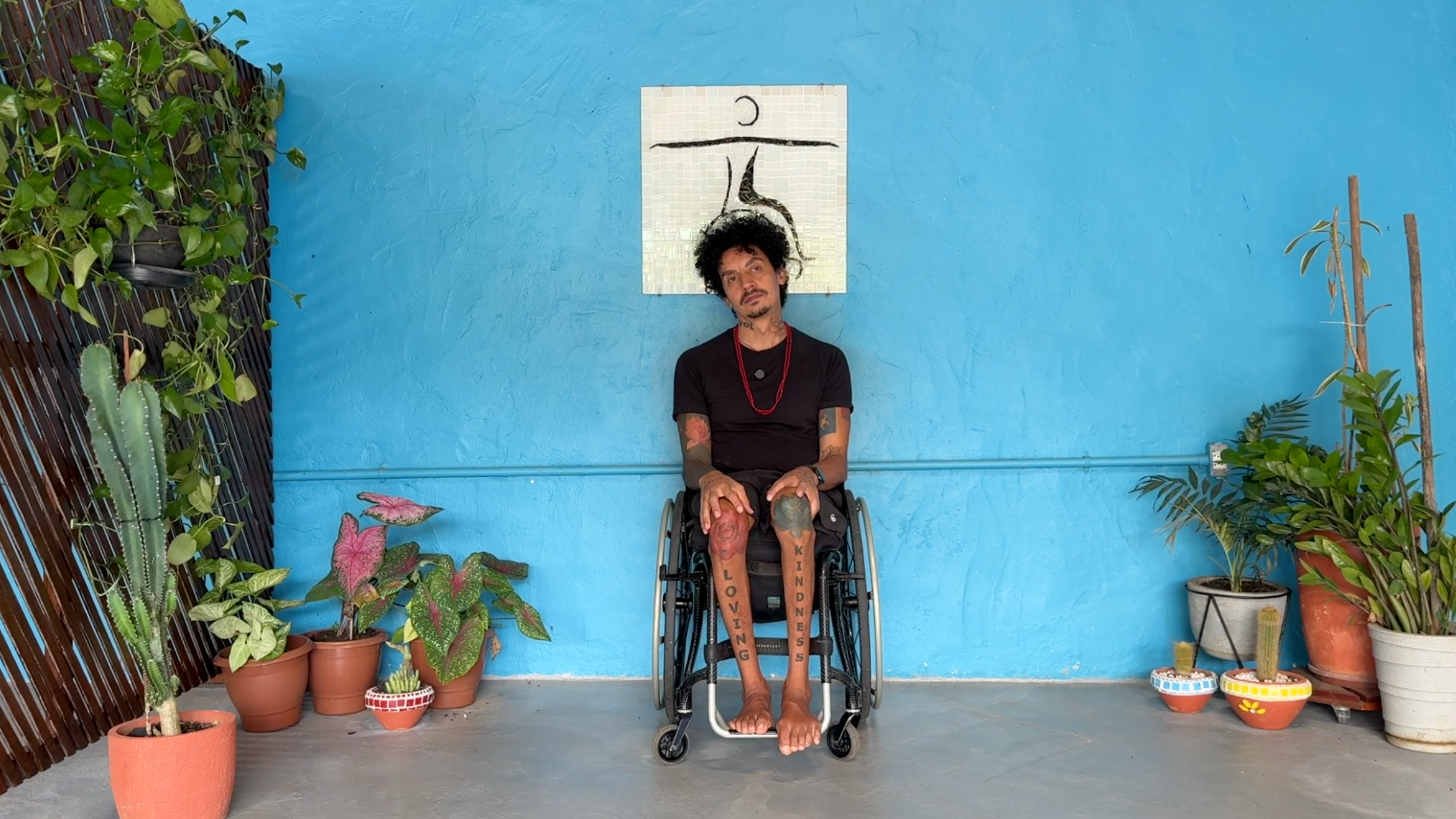
The journey begins by establishing a secure foundation in the chair. Practitioners place their palms softly on their thighs, relax their shoulders, and adopt a soft gaze or closed eyes. By raising the corners of the mouth into a subtle, introspective smile, the nervous system receives an immediate cue of safety. Practitioners visualize a warm light radiating outward from the heart center with each inhalation, acknowledging that joy and grief can occupy the same physical vessel.
Phase 2: Structural Alignment (Mountain Pose & Sun Breaths)
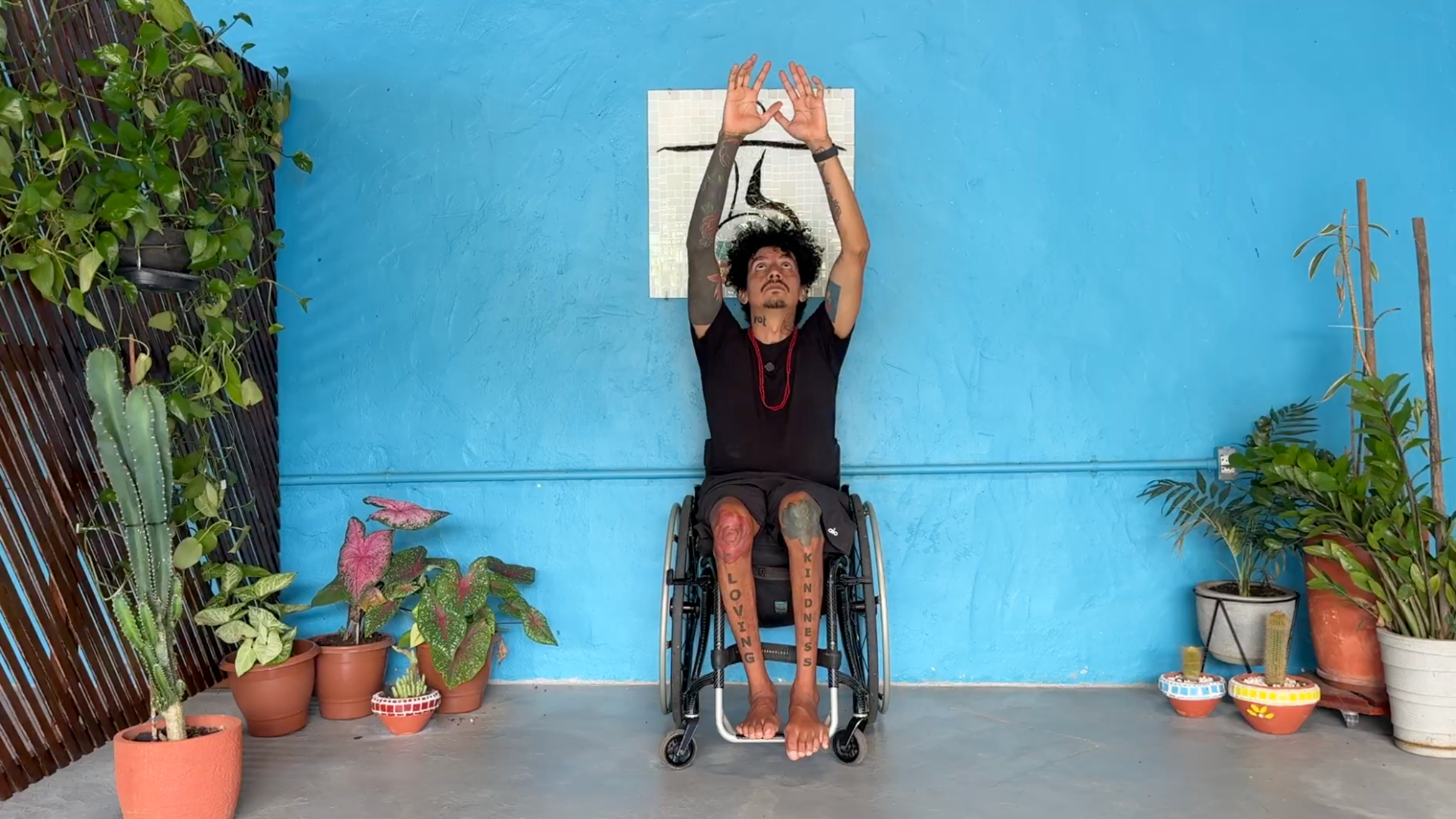
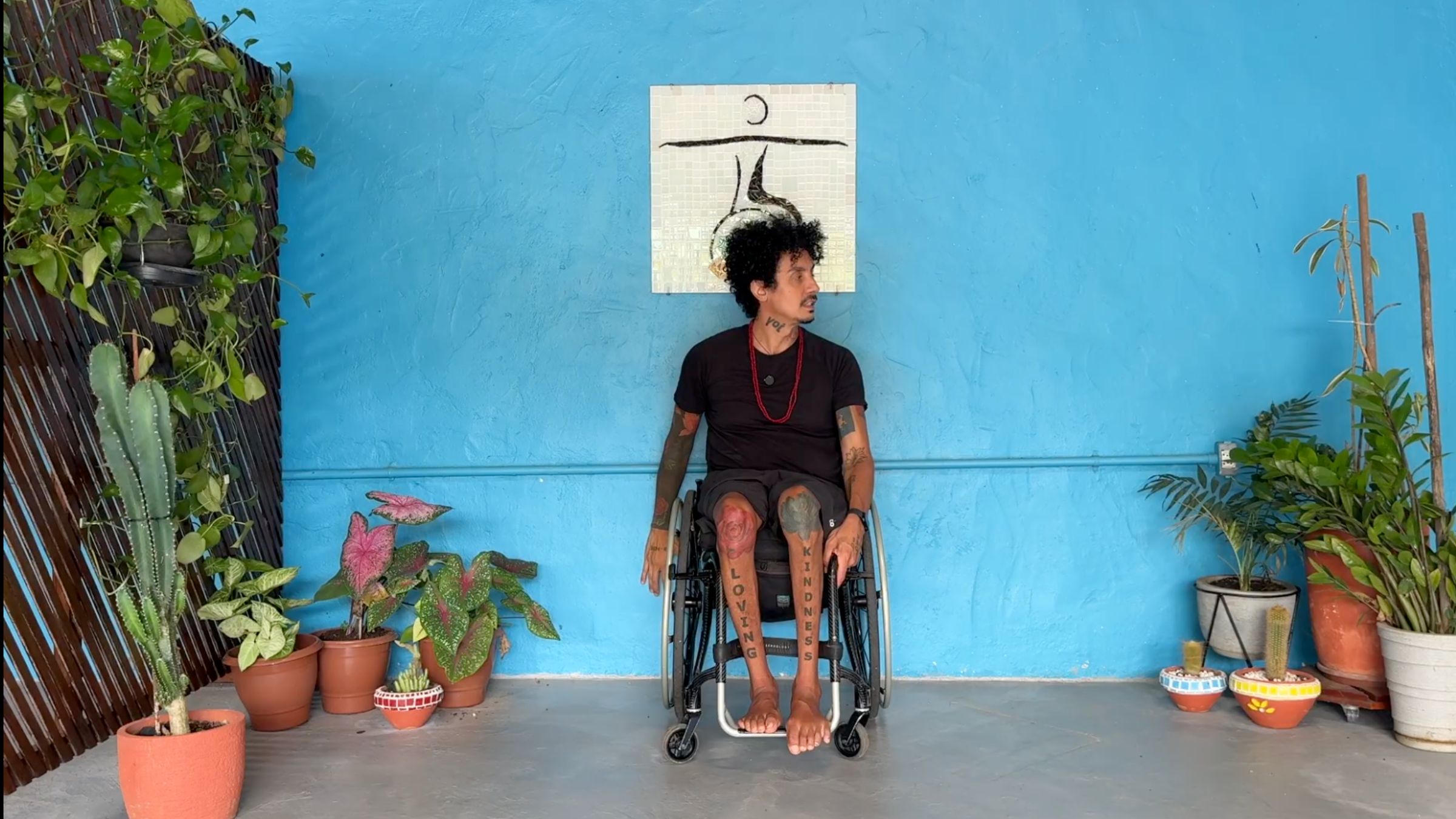
Transitioning into a seated Mountain Pose (Tadasana), practitioners ground through their sitting bones, lift their sternum, and elongate the spine while pressing their feet downward (or visualizing the sensation if lower-body mobility is absent).
This leads into five Sun Breaths. Arms trace the shape of the sun, synchronized with the breath. The exhalation is long and soft—performed with pursed lips as if blowing out candles on a massive birthday cake—a technique clinically known to activate the vagus nerve and calm stress responses.
Phase 3: Targeted Mobility (Neck, Shoulders, and Spine)
To relieve upper-body tension common in wheelchair users and desk workers alike, the practice moves through targeted stretches:
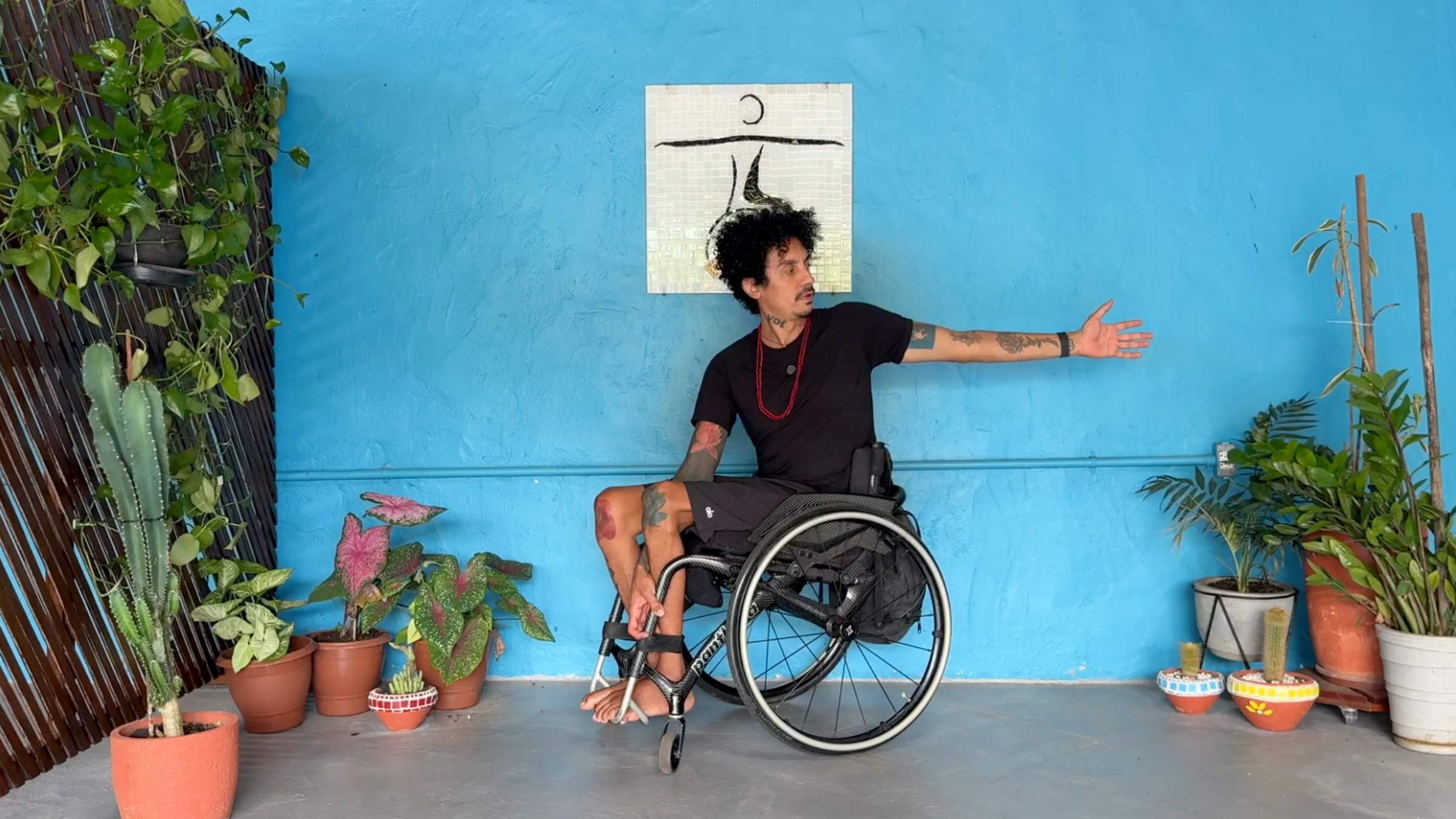
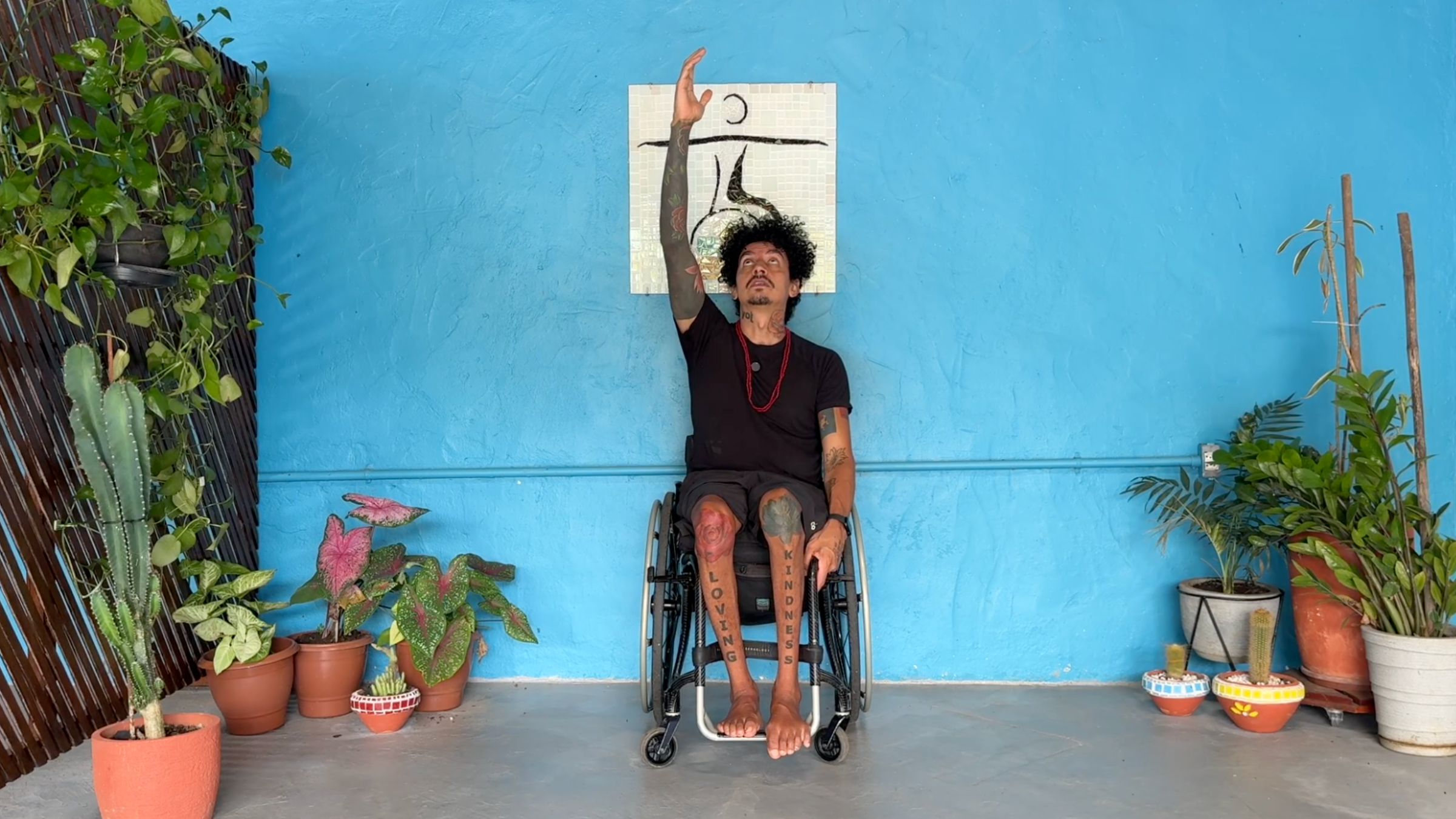
- Neck & Shoulder Stretches: Using one hand to anchor the chair frame for stability, the opposite arm extends outward and backward, encouraging gentle rotation of the cervical spine and opening of the chest.
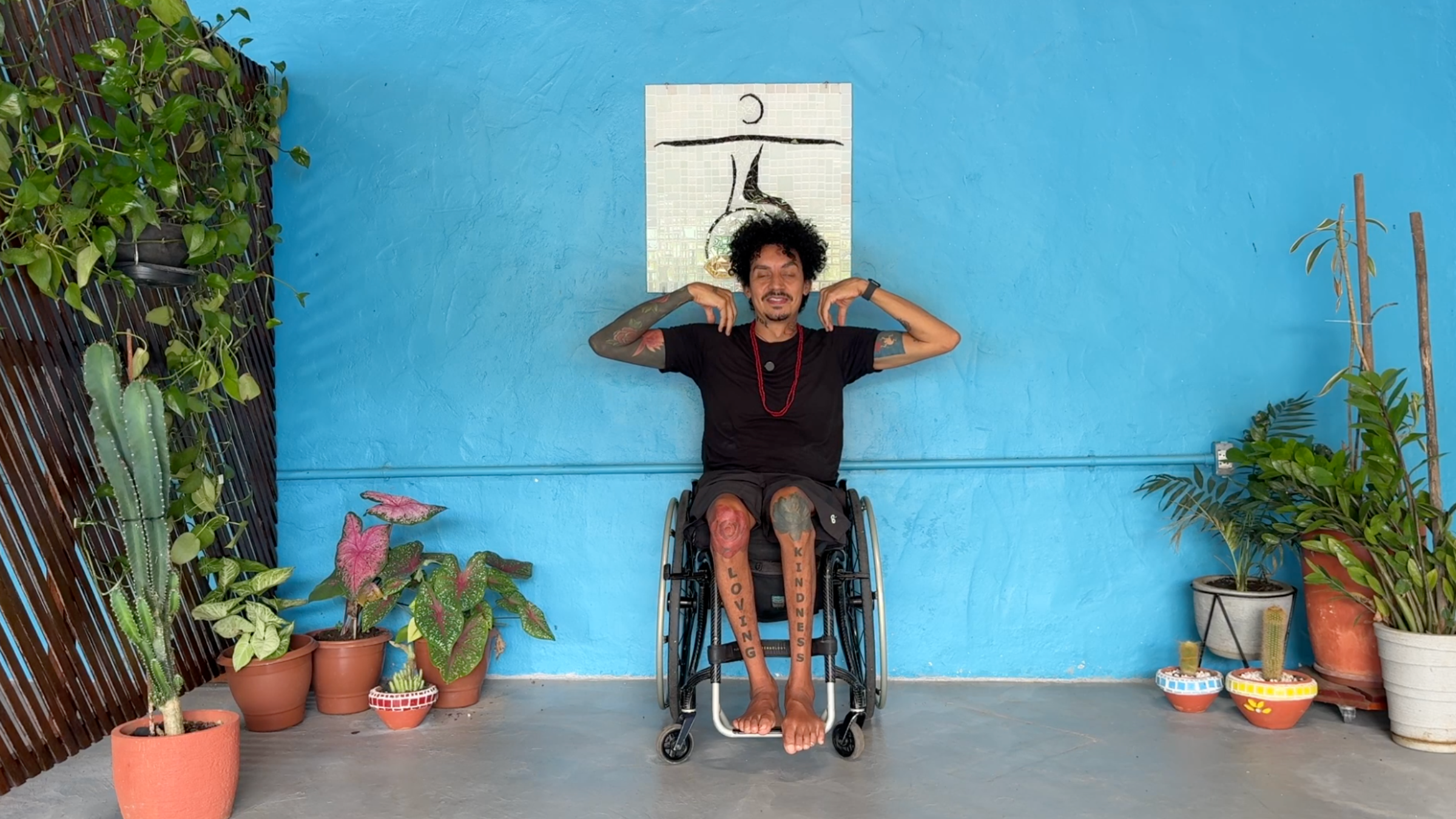
- Shoulder Rolls: Fingers rest lightly on top of the shoulders while elbows draw large or small circles—three forward, three backward—loosening tension held in the upper back.
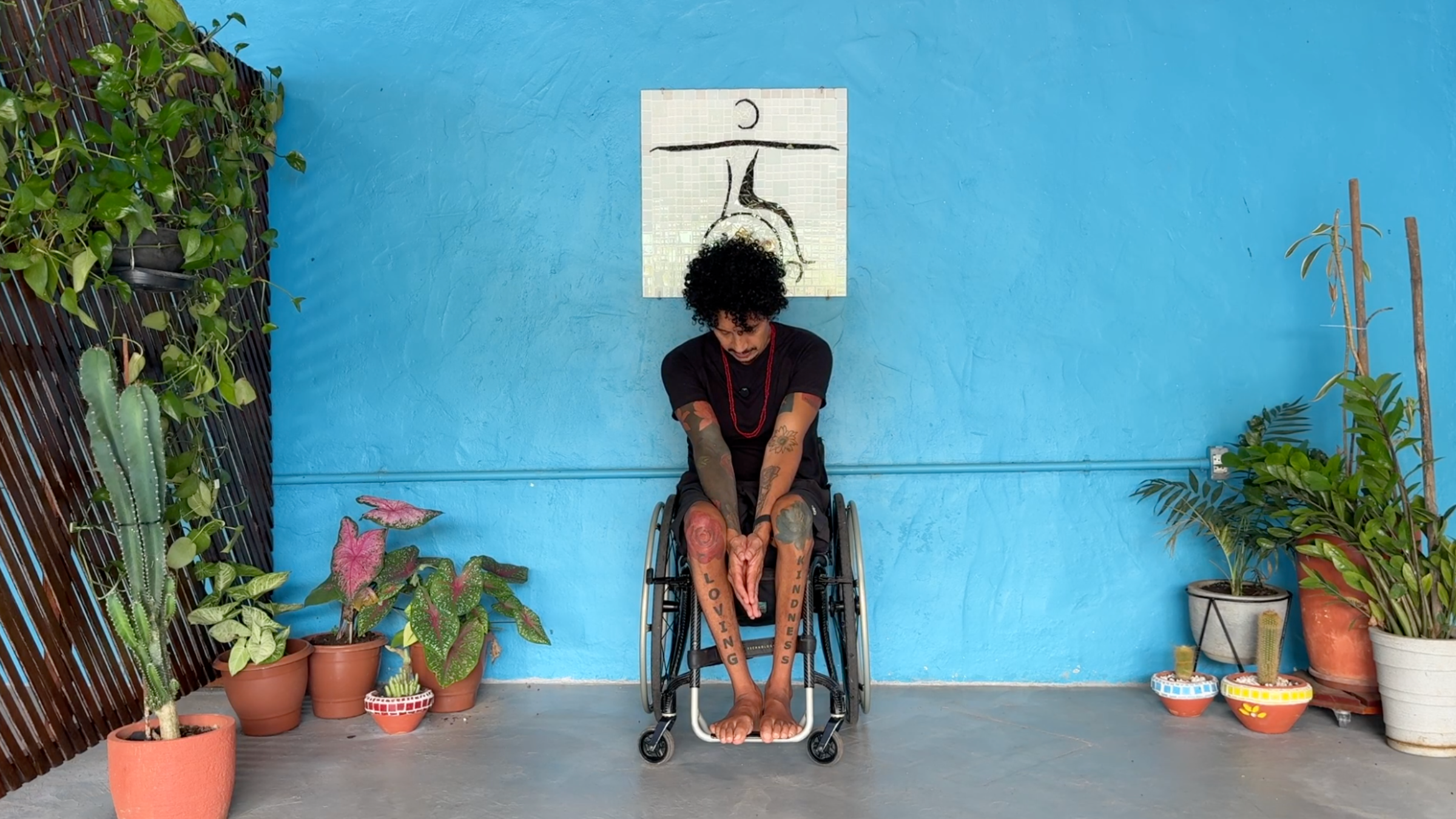
- Seated Twists and Spinal Flexion: Moving into an anjali mudra (palms together) position between the knees, practitioners flow between Seated Cat and Cow poses, gently flexing and extending the spine to invite fluidity back into the torso.
- Seated Side Bends: Lateral flexion is introduced to challenge balance gently, either by reaching one arm overhead or keeping hands securely on the hips for stability.
Phase 4: Integration and Closing
The practice concludes by returning to stillness. Practitioners are encouraged to recall a sensory "glimmer" of joy—such as the scent of wet soil after rain—bringing that memory into their physical awareness. The session seals with a final synchronized breath, returning the hands to anjali mudra in an expression of deep gratitude.
Supporting Data: The Science of Adaptive Wellness
While yoga has long been celebrated for its mental health benefits, modern somatic research increasingly validates the specific modalities utilized in adaptive chair practices:
- Vagus Nerve Stimulation via Prolonged Exhalation: The "birthday cake" breathing technique—characterized by a slow, extended exhalation—prolongs the parasympathetic nervous system response. Clinical studies show that lengthening exhales relative to inhales significantly reduces heart rate variability markers associated with anxiety and chronic stress.
- Coexistence of Affects: Psychological frameworks in acceptance-based therapies mirror the yogic concept of holding multitudes. Research indicates that suppressing grief or pain actually amplifies physiological distress. Practices that encourage mindfulness alongside discomfort promote emotional regulation and resilience.
- Inclusivity in Health Metrics: Accessibility experts note that traditional wellness spaces have historically alienated disabled populations. Programs that prioritize adaptive chair formats democratize health benefits, improving upper-body strength, circulation, and mental well-being for populations with mobility impairments.
Official Responses and Expert Perspectives
The philosophy underpinning adaptive chair yoga challenges the wellness industry’s historic obsession with physical perfection and athletic prowess.
holistic health practitioners and adaptive athletes have widely praised the integration of mental health frameworks with accessible movement. Advocates emphasize that true inclusion in wellness requires stripping away the assumption that a "valid" yoga practice must look a certain way.
"When we tell people that visualization is just as powerful as physical movement, we are dismantling the exclusionary gatekeeping of fitness culture," notes one wellness advocate. "Yoga was never about touching your toes or standing on your head. It is about arriving completely, exactly as you are, in whatever body you inhabit today."
Furthermore, mental health professionals underscore the clinical value of acknowledging grief within wellness spaces. Rather than practicing toxic positivity—demanding that participants smile through trauma—adaptive chair yoga provides a container where sorrow and joy are treated as legitimate, equal roommates in the human experience.
Implications: Redefining the Future of Mindful Movement
The implications of mainstreaming adaptive chair yoga extend far beyond a 20-minute daily routine. As global populations age and the visibility of individuals with disabilities increases, the wellness sector faces a moral and commercial imperative to pivot toward radical accessibility.
1. Cultural Shift in Wellness Media
For decades, fitness magazines and yoga journals featured homogenous, hyper-flexible, able-bodied models. Highlighting adaptive practices led by instructors with lived experience—such as those navigating life with paralysis—signals a permanent cultural maturation. It redefines strength not as muscle definition, but as emotional endurance, presence, and self-compassion.
2. Healthcare and Rehabilitation Integration
Physical therapists and rehabilitation centers are increasingly looking to adaptive somatic practices to aid patients recovering from trauma, stroke, or spinal cord injuries. By teaching patients how to regulate their nervous systems through breath and minute movements, clinical recovery is supported by psychological resilience.
3. A Universal Blueprint for Healing
Ultimately, the central message of the practice transcends physical ability. Whether an individual is navigating paralysis, chronic illness, grief, or the everyday stresses of a modern fast-paced life, the underlying truth remains unchanged: joy does not require changing who you are, fixing your circumstances, or waiting for life to become easy. It is found in the simple, radical act of breathing, noticing, and realizing that you are still here.
