

Main Facts
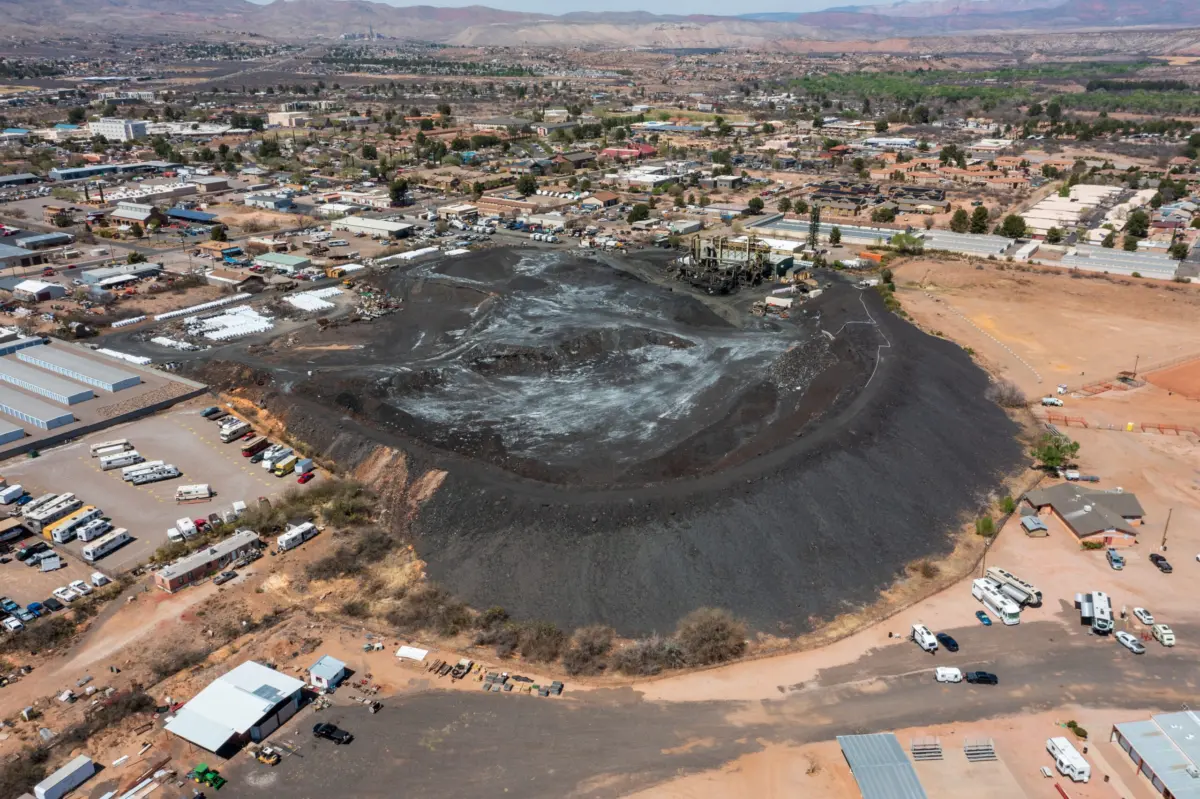
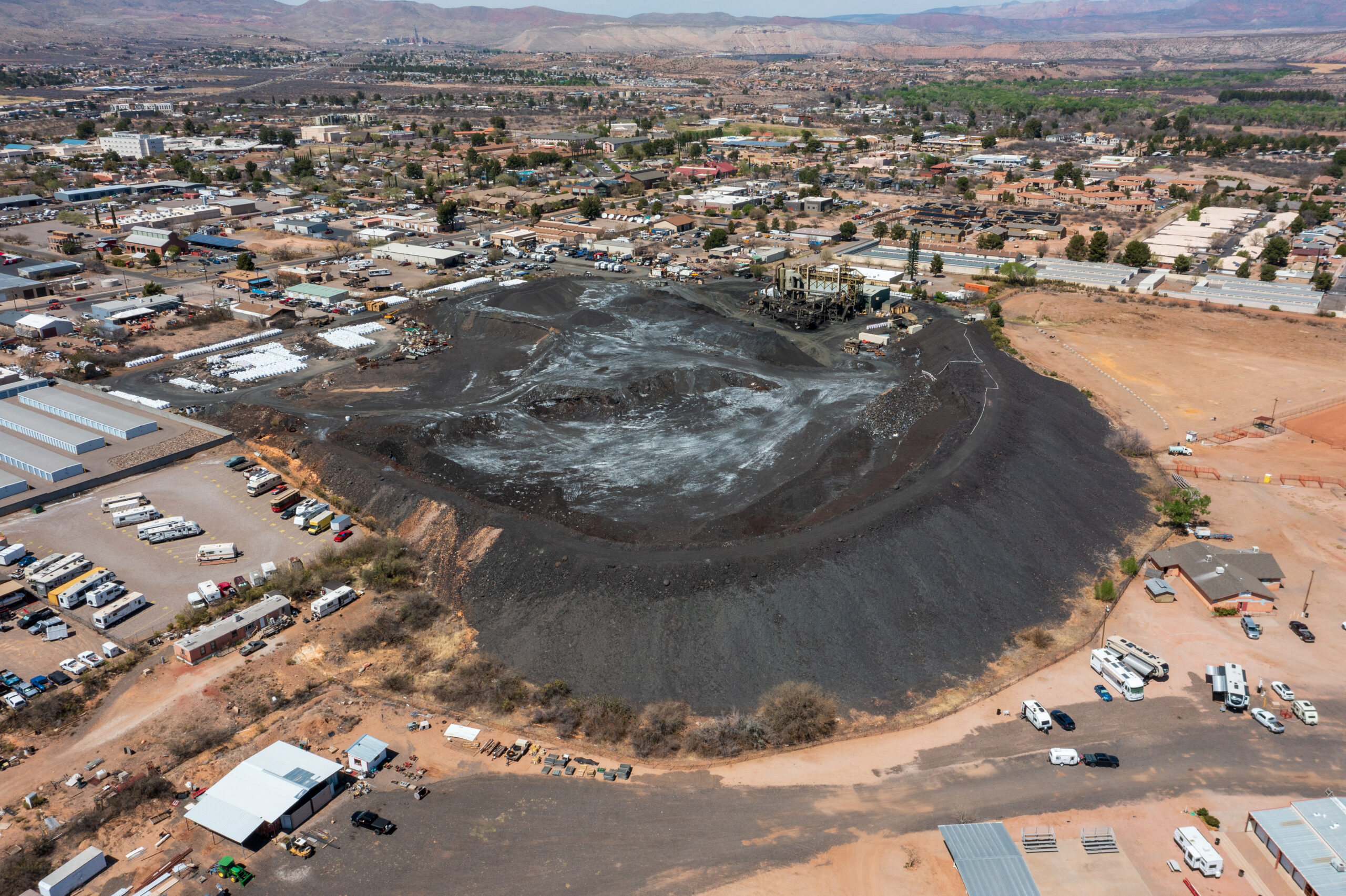
In the heart of Arizona’s historic Verde Valley, a long-standing industrial legacy has collided with modern environmental and public health anxieties. The Cottonwood slag pile, a massive deposit of industrial byproduct located near the intersection of Birch and Cherry streets, has become the focal point of intense regulatory scrutiny, community activism, and municipal response. For years, local residents have voiced concerns regarding the potential health hazards posed by airborne slag dust, which is suspected of containing heavy metals.
In response to growing public pressure and regulatory oversight, Minerals Research Inc. (MRI), the company responsible for processing the slag, is currently navigating two parallel regulatory tracks overseen by the Arizona Department of Environmental Quality (ADEQ). The first is the acquisition of an Individual Class II Minor Source Air Quality Permit to regulate and limit dust emissions from its ongoing operations. The second is participation in the state’s Voluntary Remediation Program (VRP) to investigate and mitigate environmental contamination on adjacent properties.
The urgency of the situation was underscored during a public meeting held on Wednesday, September 23, at the Cottonwood Recreation Center. There, officials from the ADEQ and the Arizona Department of Health Services (ADHS) met with local residents to present the draft air quality permit and outline the voluntary cleanup process.
Adding a new layer of community support, Yavapai County health officials announced a forthcoming initiative to provide heavy metal screening for local residents. Sponsored by the state health department, the program will offer 100 free urine sample tests at an upcoming county town hall in November. While this testing initiative is not legally or scientifically tied exclusively to the Cottonwood slag pile, it represents a broader effort by county officials to address historical and environmental heavy metal exposure across a region deeply shaped by its mining past.
Chronology of Events
The regulatory and community response to the Cottonwood slag pile has unfolded over several months, marked by public forums, agency decisions, and upcoming deadlines:
[March 19] ------> [August 7] ------> [Sept 23] ------> [Early Oct] ------> [Nov 18] ------> [Nov 30]
Joint ADEQ/ADHS     VFW Post 7400      ADEQ Public      MRI Remedial       Formal Public   Air Permit Public
Public Meeting Accepted into VRP Meeting Work Plan Due Hearing Comment Closes- March 19: The ADEQ and the ADHS hold a joint public meeting to address preliminary community complaints regarding dust emissions and potential heavy metal contamination originating from the slag pile. This meeting establishes a baseline of communication between state regulators and anxious Cottonwood residents.
- August 7: The Veterans of Foreign Wars (VFW) Post 7400, located at 705 E. Aspen St.—immediately north of the slag processing facility—is formally accepted into the ADEQ’s Voluntary Remediation Program. This step marks the official beginning of the localized cleanup and mitigation process for the most directly impacted neighboring property.
- September 23: ADEQ hosts a public meeting at the Cottonwood Recreation Center. Officials present the draft Individual Class II Minor Source air quality permit, detail the operating conditions proposed for MRI, and explain the VRP process to the community. Yavapai County Supervisor Nikki Check publicizes the county’s upcoming heavy metal testing program.
- Early October (Expected): MRI is scheduled to submit its formal remedial work plan under the VRP. This plan will outline specific actions to reduce dust exposure and remediate soil at the VFW site. Its submission will trigger a 45-day public comment period.
- November 18: A formal public hearing on MRI’s draft air quality permit is scheduled to take place from 5:30 p.m. to 7:00 p.m. at the Cottonwood Recreation Center (150 S. Sixth St.), allowing residents to enter official testimony into the administrative record.
- November 30: The formal public participation and comment period for the draft air quality permit officially closes. Following this deadline, the ADEQ will review all public input, draft a formal response to comments, and make its final permitting decision.
Supporting Data and Environmental Impact
To understand the community’s anxiety, it is necessary to examine the physical nature of slag and the regulatory metrics used to monitor air quality. Slag is a glass-like byproduct left over from the smelting of copper ore, a primary industry in the Verde Valley during the late 19th and early 20th centuries. While slag is often utilized for industrial purposes, such as abrasive blasting media or roofing granules, the crushing and handling of the material can release fine particulates into the atmosphere.
Air Monitoring and Particulate Matter (PM10)
The ADEQ has established active air monitoring stations at two critical high-exposure locations near the processing site:
- The VFW Post 7400 property.
- The Cottonwood Kids Park.
State monitoring data indicates that ambient levels of lead and other heavy metals, as well as general particulate matter, currently remain below the health-based standards established by the U.S. Environmental Protection Agency (EPA).
However, public health officials have cautioned that regional weather patterns present localized risks. According to findings from the ADHS, high-wind events significantly alter the risk profile of the site. On windy days, concentrations of particulate matter up to 10 micrometers in diameter ($textPM_10$) spike near the VFW post.
$$textPM_10 text Particles le 10 , mutextm implies textPenetrate deep into lungs implies textExacerbate respiratory illness$$
While these spikes may not exceed annual federal averages, they are high enough to pose immediate acute health risks to sensitive populations, particularly individuals suffering from asthma, chronic obstructive pulmonary disease (COPD), or cardiovascular conditions.
The Wind Speed Controversy
A central point of contention in the draft air quality permit is the operational wind speed threshold. The draft permit outlines conditions designed to minimize fugitive dust, which include wetting dry materials and temporarily halting certain dust-generating activities when wind speeds exceed a specific limit.
The proposed threshold in the draft permit is 25 miles per hour (mph). Local leaders and residents have questioned whether this limit is protective enough. To put this in perspective:
- 25 mph: The proposed wind speed limit for MRI slag processing operations.
- 10–15 mph: Typical maximum wind speed limits allowed for agricultural pesticide spraying to prevent drift.
- 15–20 mph: Thresholds at which dust control plans in other sensitive desert jurisdictions require complete shutdown of earthmoving activities.
During the September 23 meeting, Yavapai County Supervisor Nikki Check highlighted this discrepancy, arguing that a 25 mph threshold may be far too high to prevent fine, metal-bearing dust from migrating into residential areas and public parks.
Official Responses
The regulatory response to the Cottonwood slag pile involves a coordinated effort among state environmental regulators, public health agencies, and local county representatives.
Arizona Department of Environmental Quality (ADEQ)
ADEQ officials have emphasized that the VRP provides an expedited, cooperative framework for addressing contamination. Hazel Cox, Ph.D., a Senior Hydrogeologist with the ADEQ, explained the mechanics of the program during the public meeting:
"After you become accepted into the VRP, the volunteer submits a work plan, stating what work they’re going to do, and then that goes out to public comment. Once the public comment period is over and ADEQ approves the work plan, then the work can happen. So it’s a very quick process. We are expecting MRI’s work plan in the first couple of weeks of October, and you can expect a 45-day public comment period on that work plan."
ADEQ’s Air Permits and Compliance division, managed by Tim Pippenger, is concurrently managing the air quality permit process. The agency maintains that the individual permit will subject MRI to much stricter, legally enforceable operating conditions than those currently in place, giving the state greater leverage to enforce dust-control measures.
Yavapai County Board of Supervisors
Yavapai County Supervisor and Vice Chairwoman Nikki Check (D-District 3) has taken an active role in bridging the gap between state regulatory processes and local public health concerns. Expressing skepticism regarding the proposed 25 mph wind threshold, Check drew upon her own professional background to challenge the draft permit’s adequacy:
"With the wind speed threshold being 25 miles per hour—I have an agricultural background and, for instance, spraying pesticide is completely inappropriate at that wind speed."
Despite her concerns over the permit conditions, Check welcomed the state’s initiative to provide biological monitoring for residents:
"I’m also really excited to learn that the state department of health is going to sponsor 100 urine sample tests for monitoring heavy metals. So if you know anybody who’s concerned about that… people will hopefully be able to actually leave their sample with our public health department at the November Town Hall."
Check clarified that the county-wide screening is designed to be an educational and diagnostic resource for all residents, acknowledging that heavy metal exposure in Yavapai County can stem from numerous historical and geological sources beyond the Cottonwood slag pile itself, such as naturally occurring arsenic in private water wells, lead-based paint in historic homes, or legacy mine tailings in neighboring Clarkdale and Jerome.
Implications
The ongoing regulatory actions surrounding the Cottonwood slag pile carry significant long-term implications for the local community, public health policy, and the industrial landscape of the Verde Valley.
Environmental Justice and Community Relations
The selection of VFW Post 7400 as a primary site for the Voluntary Remediation Program highlights the intersection of industrial operations and community spaces. Veterans and local residents who frequent the post have expressed concern that their health may have been compromised by decades of proximity to the slag pile.
By utilizing the VRP, the state aims to deliver a faster cleanup than would be possible under adversarial litigation or federal Superfund designation. However, the success of this voluntary approach hinges on transparent communication and the willingness of Minerals Research Inc. to execute a robust and effective cleanup plan. If the public perceives the VRP as too lenient, it could deepen mistrust between residents and state regulators.
Public Health Infrastructure and Regional Awareness
The introduction of free heavy metal testing by Yavapai County represents a proactive step toward understanding the cumulative environmental body burden carried by local residents. By testing for metals such as lead, arsenic, and cadmium, the county can establish a clearer baseline of exposure.
| Source of Exposure | Primary Contaminants | Common Locations in Yavapai County |
|---|---|---|
| Slag Processing | Lead, Copper, Iron, Particulates | Cottonwood (Birch/Cherry St.) |
| Private Wells | Arsenic (Naturally Occurring) | Verde Valley Rural Areas |
| Legacy Mining/Smelting | Lead, Zinc, Cadmium | Jerome, Clarkdale |
| Historic Housing | Lead Paint, Lead Pipes | Historic Districts |
This initiative may reveal that the slag pile is only one of several environmental hazards in the region. For example, high levels of arsenic in groundwater are a well-documented issue in the Southwest, and old mining towns like Jerome and Clarkdale contain widespread soil contamination from historic smelting operations. The county’s testing program could serve as a model for other rural western communities grappling with the toxic legacy of historic mining.
Next Steps for Citizens
As the regulatory deadlines approach, Cottonwood residents have several avenues for civic participation:
- Review the Draft Permit: Technical documents, environmental analyses, and presentation materials regarding MRI’s draft air quality permit are hosted on the ADEQ’s dedicated portal at azdeq.gov/aqd/mri.
- Submit Comments: Public comments on the air quality permit can be directed to ADEQ Air Permits and Compliance Manager Tim Pippenger via phone (602-370-7358) or email ([email protected]) until November 30.
- Attend the Public Hearing: The November 18 public hearing at the Cottonwood Recreation Center will offer a critical opportunity for face-to-face dialogue between community members, company representatives, and state officials.
- Participate in VRP Consultations: Information regarding the voluntary cleanup at the VFW site can be tracked at azdeq.gov/vrp/vfw.
Ultimately, the resolution of the Cottonwood slag pile dispute will serve as a precedent for how Arizona balances industrial operations, historical environmental liabilities, and the health of its citizens.
