

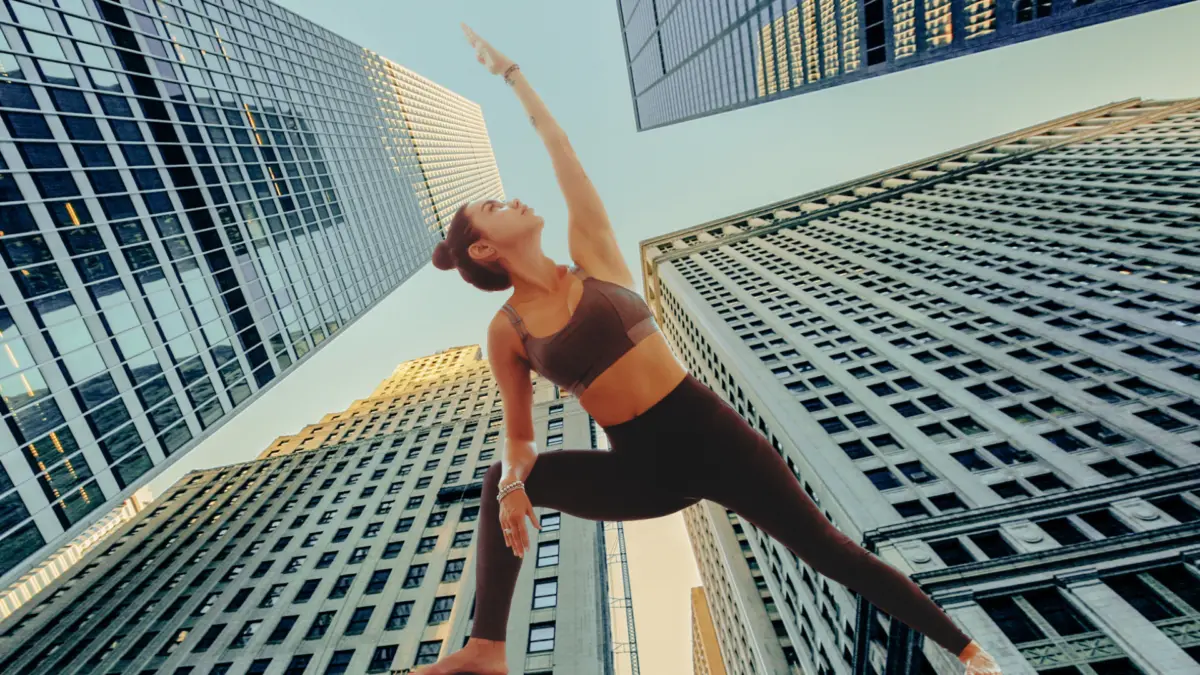
August 9, 2026 — In an era defined by rapid economic shifts, cultural polarization, and corporate instability, the human instinct is often to lock down, brace for impact, and demand absolute rigidity. We look for unyielding safety in unchanging routines, uncompromising viewpoints, and ironclad life plans. Yet, structural engineers and wellness practitioners alike offer a startlingly different counter-perspective: absolute rigidity is a design flaw. Whether dealing with towering urban architecture or the daily fluctuations of human existence, true resilience is found not in immovable stiffness, but in the intelligent capacity to sway.
Main Facts: The Physics of Flexibility
The realization that safety requires flexibility is written into the skyline of every major metropolis. When living and working in high-density urban centers like New York City, occupants of tall commercial towers occasionally experience a disconcerting phenomenon: buildings that visibly, or at least perceptibly, sway in high winds.
To the uninitiated, feeling a skyscraper oscillate hundreds of feet above the ground triggers an immediate, panic-driven survival response. However, architectural science reveals that this movement is entirely intentional. Expertly constructed skyscrapers are engineered with a calculated degree of elasticity, allowing them to move harmoniously with heavy gales and dynamic atmospheric loads.
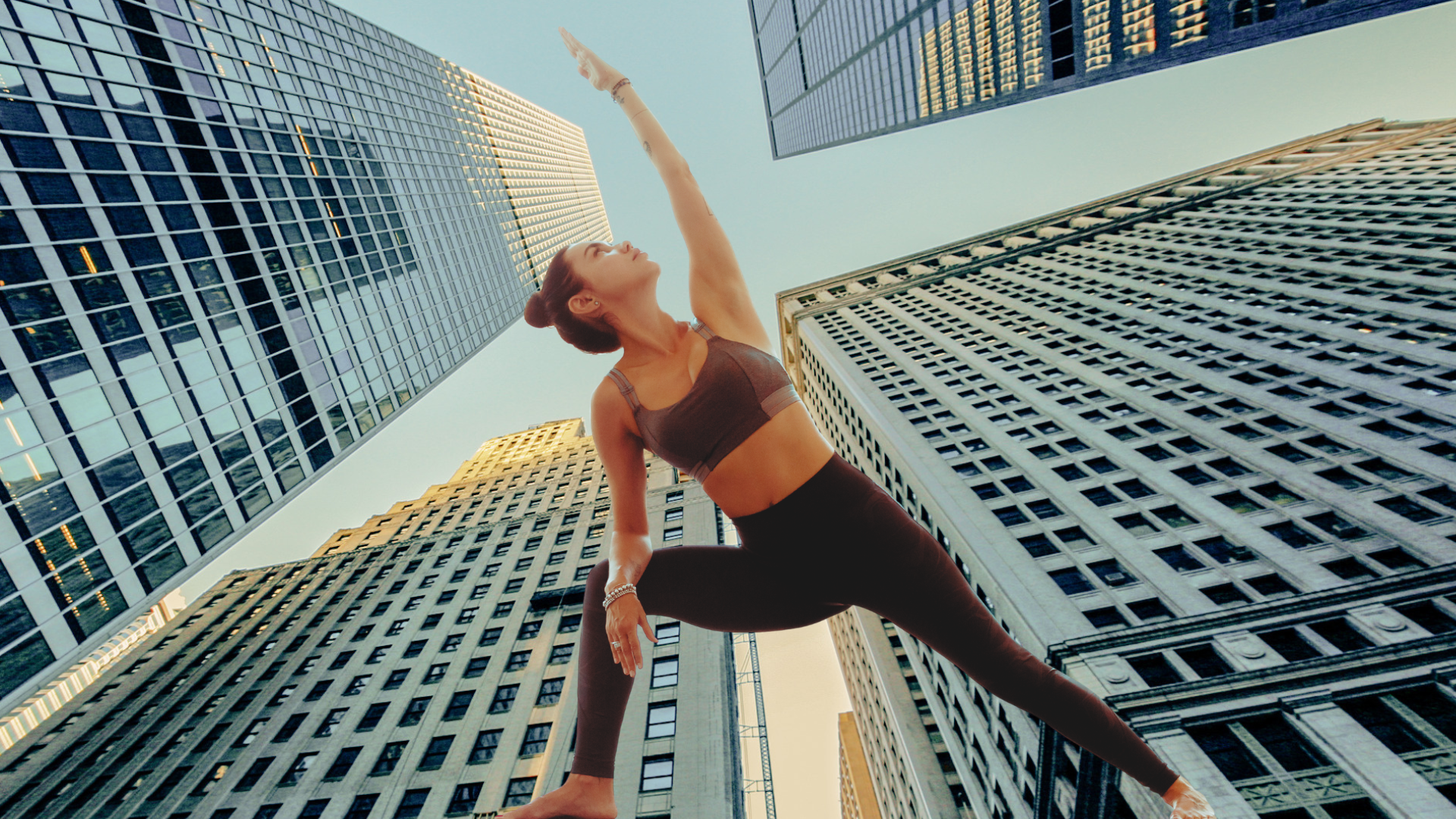
If engineers attempted to build an absolute monolith—a structure designed with total, unyielding rigidity—the consequences would be catastrophic. Without the ability to absorb and dissipate kinetic energy through controlled sway, the extreme pressures of high winds would cause the brittle materials of glass and steel to stress, fracture, and shatter.
This core mechanical principle—that flexibility ensures survival—extends far beyond civil engineering. In disciplines ranging from somatic psychology to yoga, practitioners are increasingly taught to "embrace the wobble." Far from being a sign of weakness or failure, minor oscillations during moments of high stress or balance are indicators of a living, adaptive system at work.
Chronology: From Architectural Panic to Mindful Integration
The journey toward understanding steadfast flexibility typically unfolds in stages, moving from visceral fear to intellectual comprehension, and finally to physical practice.
- Phase 1: The Initial Discomfort. For anyone who has ever worked on the upper floors of a swaying high-rise, the initial encounter with structural movement is alarming. Despite hours of intellectual reassurance that the building is safe, human instincts reject the idea that a stable foundation should move.
- Phase 2: Intellectual Acceptance. Following hours of research into architectural dampeners and steel elasticity, the mind grudgingly accepts the logic: buildings must bend to survive.
- Phase 3: Somatic Application. Years later, entering a yoga studio or mindfulness practice introduces the physical embodiment of this concept. Instructors explicitly advise students to welcome micro-adjustments in balancing postures. The historical progression moves from a macro-structural observation of skyscrapers to an internal, cellular recognition of balance.
- Phase 4: Integration into Daily Life. Eventually, the practitioner realizes that prioritizing emotional or psychological rigidity over adaptability leads to inevitable burnout and personal fracture—both on the yoga mat and in the complexities of everyday life.
Supporting Data: The Mechanics of Micro-Movements in Stability
Scientific and empirical observations of human posture and structural mechanics highlight why micro-movements are essential for maintaining equilibrium.
When a human body attempts to remain in absolute, statue-like stillness—falsely equating stillness with strength—it actually compromises its structural integrity. Musculoskeletal data shows that static balance is an active, continuous process rather than a passive state. The central nervous system constantly sends rapid corrective signals to muscle groups, creating invisible micromovements that keep the center of gravity aligned over the base of support.
Similarly, structural engineering data demonstrates that modern skyscrapers utilize tuned mass dampers—massive pendulum-like weights suspended near the top of towers—to counteract wind loads. By moving in the opposite direction of the building’s sway, these systems absorb energy and maintain structural stability through controlled counter-movement.
In a human context, physical practices like yoga serve as a biological dampening system. By intentionally exploring transitions between standing poses, individuals train their nervous systems to accept minor deviations from the center line. Whether it is pressing down through the outer edge of a back foot in a Warrior pose or making a subtle realignment of the hips, these small actions prevent the larger system from collapsing under pressure.
Official Responses and Expert Perspectives
Movement specialists, physical therapists, and architectural historians agree that society’s obsession with unyielding stability is counterproductive.
"When we prioritize rigidity over flexibility, we find ourselves more apt to fall," notes holistic movement educators and somatic researchers. In physical therapy, rigid joints often lead to excessive wear, tear, and injury on surrounding soft tissues, whereas mobile, adaptable joints distribute mechanical stress evenly.
Yoga instructors emphasize that this physical truth serves as a direct mirror for mental health. "Learning to let ourselves veer a little in one direction or another is definitely a practice," instructors explain. Attempting to force an asana—or a life circumstance—into a rigid mold of perfection creates internal friction. By acknowledging that what feels stable and sustainable one day may shift the next, practitioners cultivate a resilient mindset capable of weathering unexpected life changes.
Implications: Re-evaluating Resilience in Modern Life
The implications of "embracing the wobble" stretch far beyond the confines of urban real estate or fitness studios. In a rapidly evolving socio-economic landscape, institutions, businesses, and individuals must re-evaluate what it means to be strong.
The Danger of Brittleness in Institutions
Historically, rigid corporate structures and political systems have prided themselves on unshakeable traditions and unchanging hierarchies. Yet, much like a brittle glass-and-steel skyscraper built without expansion joints, these entities are prone to catastrophic failure when confronted with unexpected cultural or economic "gales." Organizations that refuse to adapt, pivot, or absorb external pressures often shatter under stress.
Personal Growth Through Adaptive Equilibrium
On an individual level, the lessons learned from balancing poses and swaying towers offer a blueprint for mental resilience. True strength is not the absence of doubt, fear, or instability; it is the capacity to navigate those fluctuations without losing one’s core foundation.
4 Yoga Poses to Help You Find Steadiness Despite Movement
To physically integrate the concept of steadfast flexibility, practitioners can experiment with four foundational postures. Throughout these movements, maintaining a slow, steady rhythm of breath serves as an internal anchor, assisting with physical and mental equilibrium.
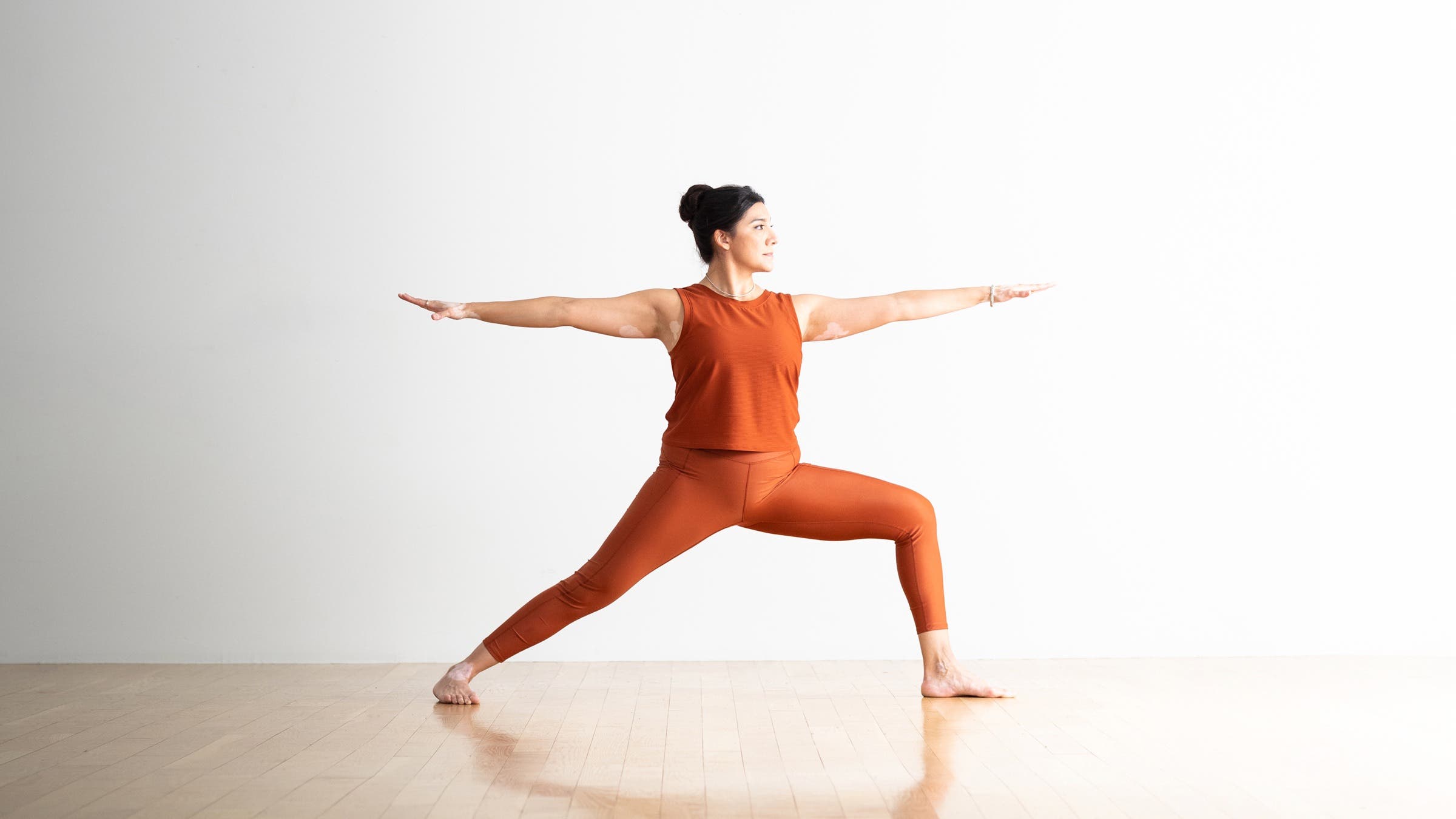
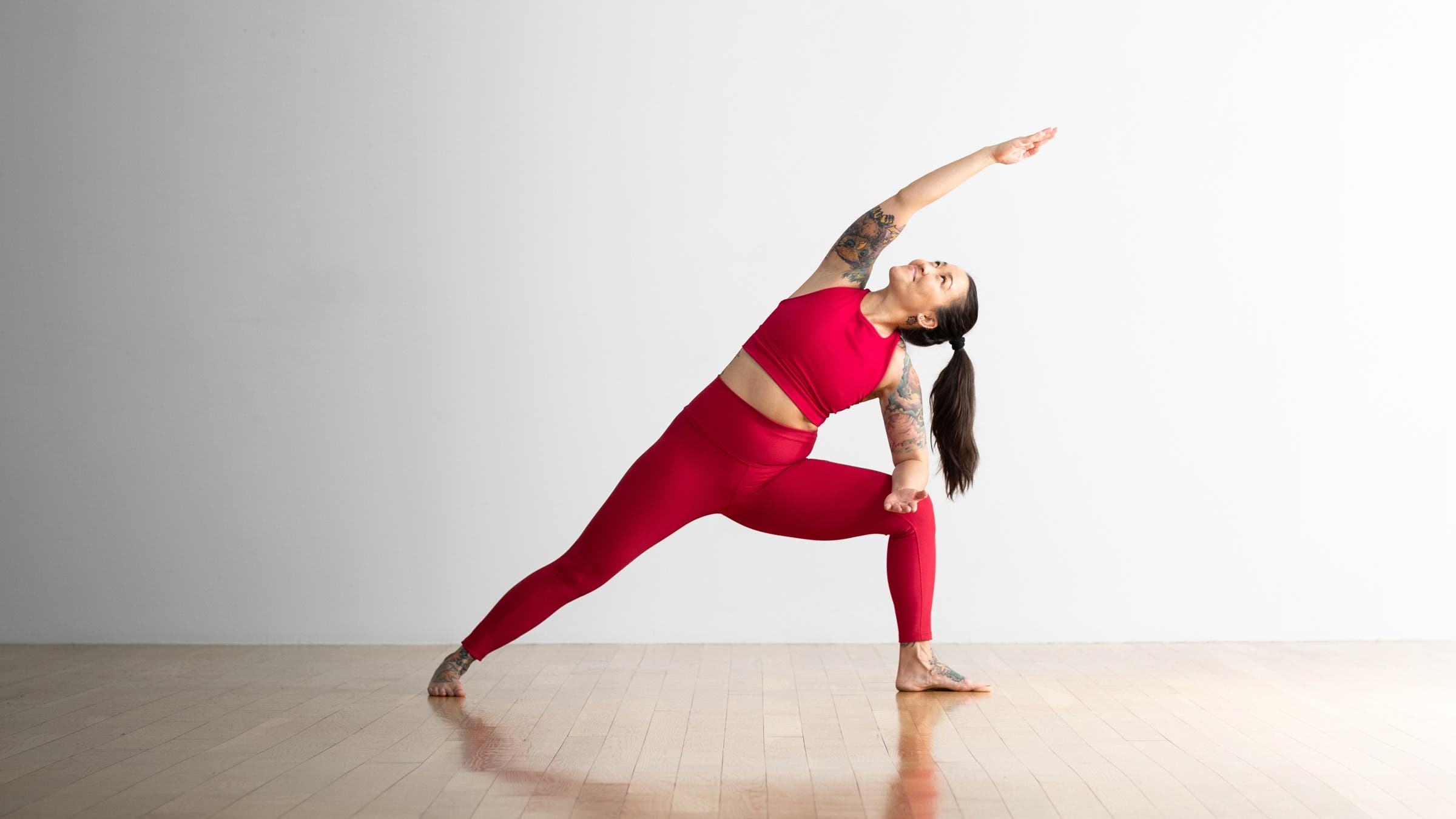
1. Warrior 2 to Extended Side Angle (Virabhadrasana II to Utthita Parsvakonasana)
- How to Execute: Begin in Warrior 2 with your right foot forward. Place your hands on your hips to square your hips and chest toward the long edge of the mat. Extend the crown of your head upward while rooting down evenly through both feet. Reach your arms straight out from the shoulders toward the front and back of the mat, holding a steady, calm breath.
- Exhale, lean forward, and rest your right forearm gently against your right thigh. Sweep your left arm overhead into Extended Side Angle. On your next inhalation, spiral the left side of your chest upward toward the ceiling. Use your exhalation to maintain the grounding connection between your right forearm and front thigh.
- Core Focus: The opposing micromovements—pressing down while simultaneously spiraling upward—simulate the physical sensation of remaining firmly rooted while actively adapting to change.
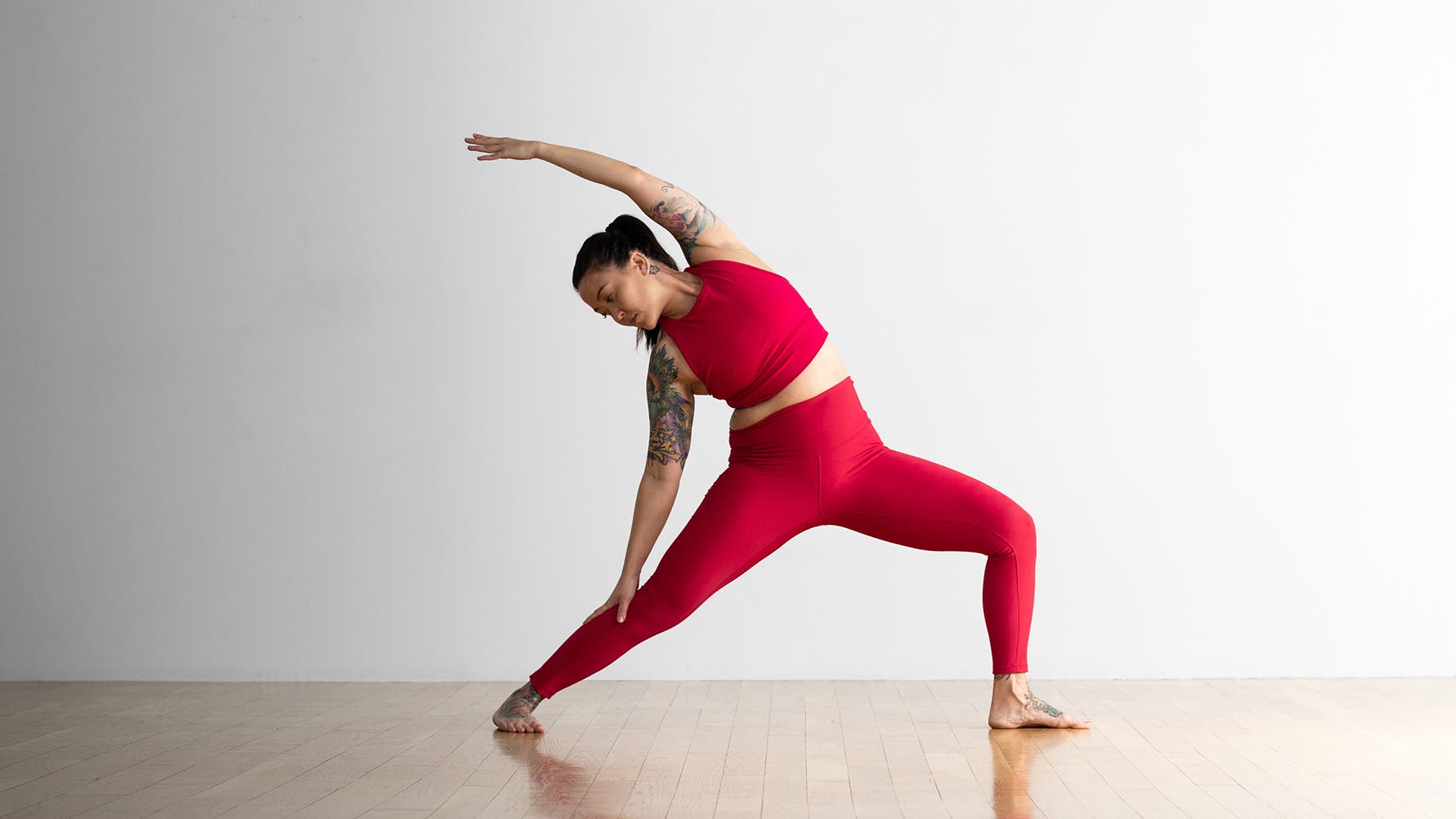
2. Warrior 2 to Reverse Warrior (Virabhadrasana II to Viparita Virabhadrasana)
- How to Execute: Flow from a stable Warrior 2 stance. As you exhale, release your left hand down toward your back thigh and reach your right arm overhead, tilting into Reverse Warrior. Keep your torso open toward the long side of the mat.
- Inhale to expand your ribcage fully; exhale to spiral your chest slightly upward. Maintain a deep bend in your front knee while paying acute attention to the pressure distribution in your back foot, actively shifting weight between the pinky-toe and big-toe mounds.
- Core Focus: Pressing down through the outer edges of both feet and micro-adjusting your balance points builds a dynamic foundation of equilibrium.
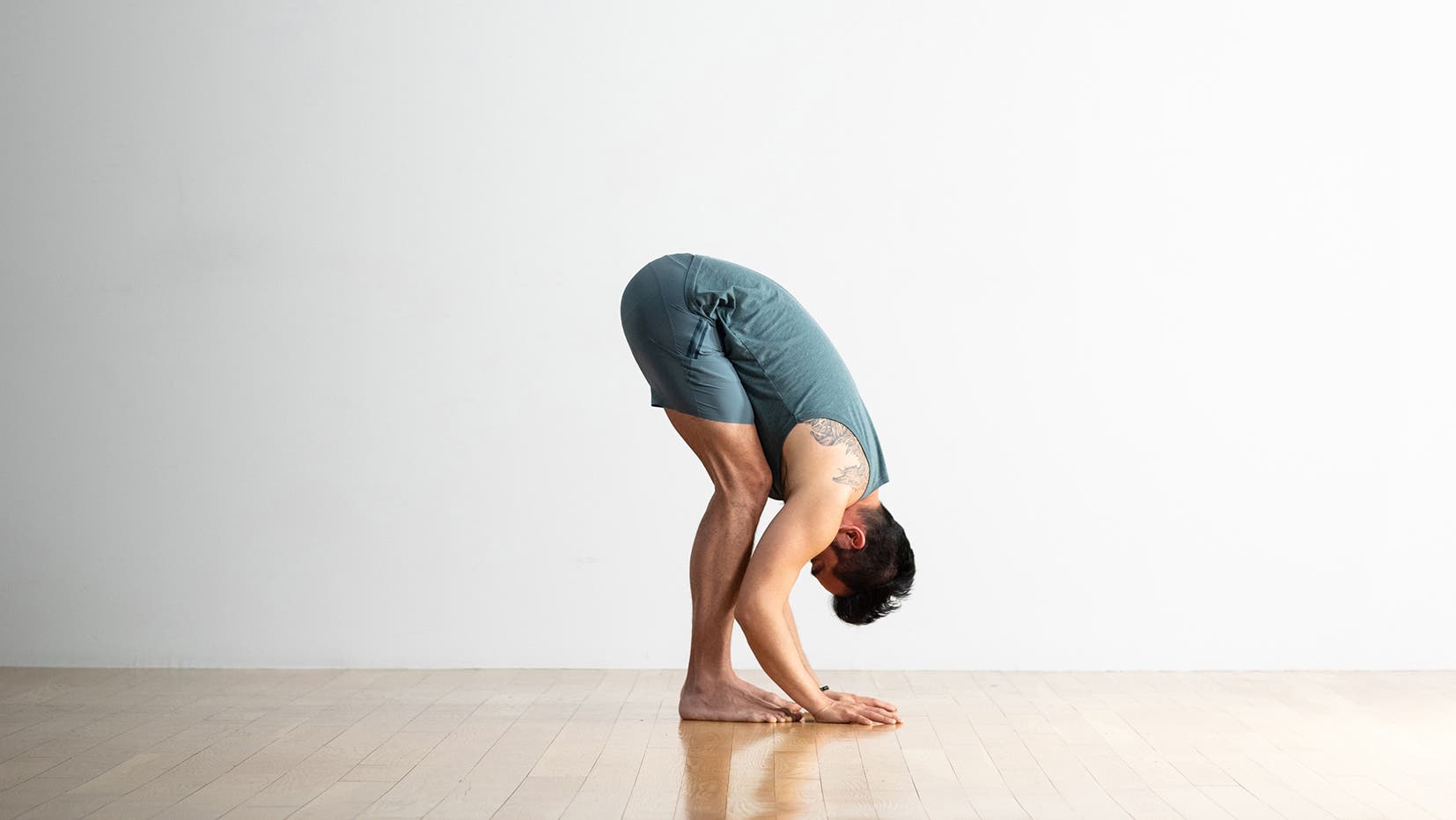
3. Standing Forward Bend (Uttanasana)
- How to Execute: Stand with your feet together or hip-width apart. Engage a nearly imperceptible micro-bend in your knees as you hinge forward from the hips. Allow your arms to dangle or clasp opposite elbows.
- Gently shift your weight from foot to foot, noticing where the physical stretch is most intense—whether in the hamstrings, lower back, or calves—and direct your breath into those areas. Finally, root your feet firmly into the floor and introduce a subtle, gentle sway to your upper body.
- Core Focus: Uttanasana is traditionally viewed as a static posture, but it provides a profound lesson in dismantling internal rigidity. By accepting that feet-together variations challenge the hamstrings differently than feet-apart variations, practitioners learn to let go of rigid expectations regarding how a pose "should" feel.
4. Mountain Pose to Tree Pose (Tadasana to Vrksasana)
- How to Execute: Stand tall in Mountain Pose with a micro-bend in your knees. Place your hands on your hips and press into the outer edges of your feet to activate a subtle external rotation in the hips.
- Shift your weight onto your left leg and lift your right foot to your left ankle, calf, or inner thigh for Tree Pose. Ensure equal, mutual pressure between the sole of the foot and the standing leg to prevent the standing hip from jutting outward.
- Keep your gaze fixed on an unmoving point ahead. To fully explore structural elasticity, slowly extend your arms overhead like branches in the wind, embracing the natural wobble of balance.
- Core Focus: Pay close attention to the micromovements required to realign your hips after lifting a foot. By embracing minor wobbles rather than fighting them, you discover that steadfastness is not a lack of movement, but a continuous mastery of it.
