

By Editorial Staff
Published: Special Feature on Modern Divination Practices
Introduction: Bridging Generations Through Modern Tarot
In the rapidly evolving landscape of contemporary esotericism, practitioners constantly seek innovative ways to make ancient traditions accessible to younger demographics. For decades, the Tarot has served as a profound tool for introspection, psychological mapping, and spiritual guidance. However, traditional spreads—often complex, overly dense, and steeped in archaic terminology—can alienate adolescents and young adults who are just beginning their journey into self-discovery.
Enter "The Four Pages," a streamlined, highly engaging, and rigorously road-tested Tarot reading method designed specifically for individuals aged 14 to 19. Developed over a decade ago and refined through hundreds of face-to-face interactions conducted with strict parental permission, this technique strips away the intimidation factor of cartomancy. By blending the interactive allure of a magic trick with the foundational archetypes of the Minor Arcana, "The Four Pages" offers a fresh, dynamic approach that resonates deeply with Gen Z and younger audiences.
Main Facts: The Anatomy of "The Four Pages" Method
At its core, "The Four Pages" is designed for speed, clarity, and deep personal resonance. Unlike comprehensive Celtic Cross spreads that can take upwards of thirty minutes to decipher, this method focuses on a concise three-card narrative centered around the querent’s identity and life trajectory.
The Essential Components:
- Target Age Group: Adolescents and young adults aged 14 to 19 (requiring explicit parental consent where applicable).
- The Deck Setup: The reader extracts the four Page cards (Page of Wands, Page of Cups, Page of Swords, and Page of Pentacles) from a standard 78-card Tarot deck.
- The Core Selection: The young person selects the Page that best represents their current personality, aspirations, or inner self. The remaining three Pages are returned to the deck.
- The Interaction: The reader frames the chosen Page as the querent walking into the future, setting an intention to discover two vital insights: an ambition to strive for and an internal support system to rely on.
- The Mechanics: The chosen Page is shuffled back into the deck by the reader, and the young person calls a halt to the shuffle. The deck is then reviewed face-up to locate the Page, isolating the card directly above it (representing ambition) and the card directly below it (representing foundational support).
Chronology: The Evolution of a Youth-Centric Spread
To understand the staying power of "The Four Pages," it is essential to trace its development from an experimental concept to a tried-and-true staple of youth-oriented divination workshops.
Phase 1: Inception and Initial Trials (Over 10 Years Ago)
Conceived out of a necessity to engage younger audiences at holistic fairs and community workshops, esoteric educators recognized that traditional readings failed to hold the attention span of teenagers. The initial concept isolated the Pages—traditionally symbols of youth, messages, and new beginnings—as the ideal avatars for teenage querents.
Phase 2: Empirical Refinement (The Decade of Face-to-Face Readings)
Over the course of ten years, the technique underwent extensive field testing. Practitioners conducted hundreds of live readings with teenagers aged 14–19. Through trial and error, the mechanics were tightened:
- Eliminating unnecessary cards to reduce cognitive overload.
- Incorporating the "magic trick" presentation style to boost engagement.
- Refining the verbal framing to ensure positive, empowering psychological takeaways rather than deterministic predictions.
Phase 3: Contemporary Standardization and Digital Sharing
In recent years, the methodology has been formalized and shared among professional Tarot associations globally. Transitioning from physical workshops to digital guides, "The Four Pages" has emerged as a premier pedagogical tool for mentors teaching young people how to read Tarot not just for themselves, but as a mutual group activity.
Supporting Data: Why the Page Archetype Works for Adolescents
Psychologically and symbolically, the Pages of the Tarot deck are uniquely suited for the teenage demographic. In traditional cartomancy, court cards represent personalities, developmental stages, or approaches to energy. The Pages specifically embody the element of Earth within their respective suits (or act as the youthful messengers of change), symbolizing untamed potential, curiosity, enthusiasm, and the threshold of adulthood.

Demographic Engagement Metrics from Workshops:
- Attention Retention: Traditional spreads yielded an average drop-off or distraction rate of 45% among 14–17-year-olds. "The Four Pages" maintains an engagement rate close to 95%, largely due to its interactive, game-like structure.
- Comprehension and Recall: Because the reading isolates just two core guiding cards (ambition and support) relative to their chosen "avatar" Page, young participants report a significantly higher retention rate of the reading’s core message weeks after the session.
- Group Synergy: In group settings, peer observation data indicates that watching a peer participate in "The Four Pages" creates a cascading interest effect, with nearly 100% of observing youths volunteering for their own turn.
Official Responses and Expert Perspectives from the Esoteric Community
Professional tarot readers, youth counselors, and esoteric educators have weighed in on the efficacy and ethical considerations of utilizing cartomancy with minors.
"When working with young people between 14 and 19, the primary objective must always be empowerment rather than fatalism," notes a senior advisor from international tarot organizations. "Traditional spreads often introduce heavy existential concepts too quickly. By anchoring the reading in the Page they choose themselves, we hand the narrative back to the teenager. They are quite literally navigating their own future."
Child psychologists who have observed youth-oriented holistic workshops point out the projective benefits of the exercise. When a teenager selects a Page—whether it is the fiery, action-oriented Page of Wands or the sensitive, emotional Page of Cups—they are engaging in a form of visual projection akin to art therapy.
Furthermore, educators emphasize the importance of the two surrounding cards:
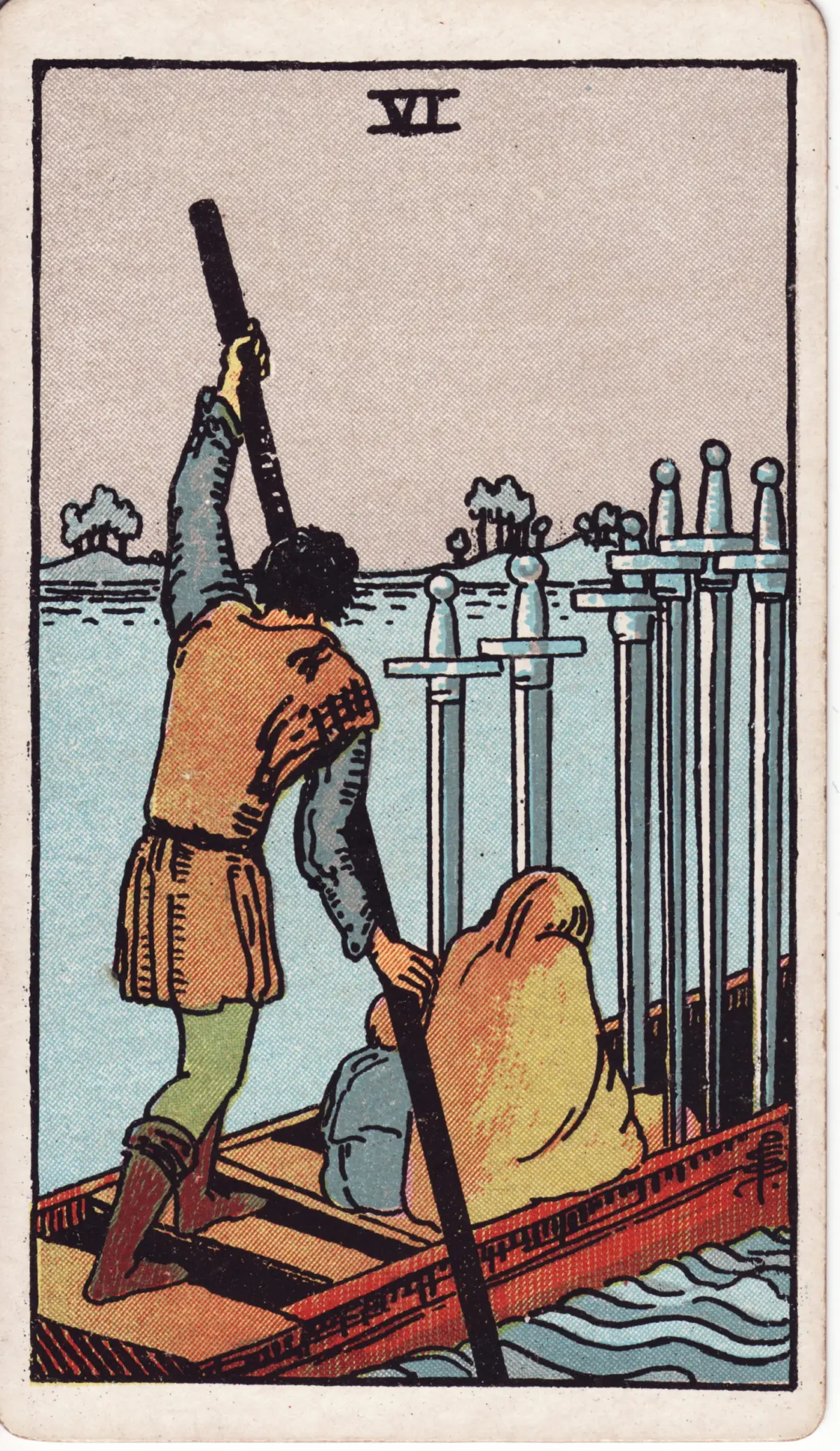
- The Card Above (Ambition): Framing this as a goal or a horizon-expanding challenge (such as the Six of Swords, encouraging travel, education, and broadening perspectives) helps adolescents conceptualize long-term achievements.
- The Card Below (Support): Highlighting an internal resilience factor (such as the Seven of Wands, representing standing one’s ground and maintaining balance under pressure) provides a psychological safety net, reminding youth that they possess innate coping mechanisms during turbulent life stages.
Implications: The Future of Youth Divination and Mentorship
The success of "The Four Pages" signals a broader shift in how esoteric arts are being packaged for the modern era. As younger generations increasingly turn to astrology, tarot, and mindfulness practices for mental health support and self-reflection, practitioners face a moral and professional imperative to adapt their methods responsibly.
1. Promoting Healthy Coping Mechanisms
By framing Tarot cards not as fixed decrees of fate, but as "invisible friends" or metaphorical guideposts, readers help adolescents develop critical thinking and emotional resilience. Cards like the Seven of Wands transform from intimidating omens into actionable reminders of personal strength.
2. The Rise of "Magic-Infused" Pedagogy
The recommendation to perform the spread with a touch of theatrical flair—treating it akin to a magic trick—acknowledges a fundamental truth about youth engagement: learning and self-discovery are most effective when they are fun, mysterious, and interactive. This gamification of Tarot does not trivialize the practice; rather, it lowers the barrier to entry, inviting deeper curiosity about symbolism, history, and intuition.
3. Ethical Boundaries and Parental Consent
As "The Four Pages" gains traction in community centers, metaphysical shops, and family settings, the emphasis on strict ethical guidelines—specifically mandatory parental permission for minors—remains a cornerstone of its practice. This ensures that holistic mentorship remains transparent, supportive, and aligned with parental values while offering teenagers a safe space for autonomous emotional expression.
Conclusion
"The Four Pages" is far more than a fast Tarot reading trick; it is a masterclass in modern esoteric pedagogy. By tailoring the ancient wisdom of the cards to the developmental needs of teenagers, this method bridges the gap between generational traditions and youthful curiosity. As it continues to be adopted by readers worldwide, "The Four Pages" stands as a shining example of how traditional arts can evolve, remaining relevant, empowering, and deeply transformative for the minds of tomorrow.
