

[SPECIAL ADVERTISING SECTION]
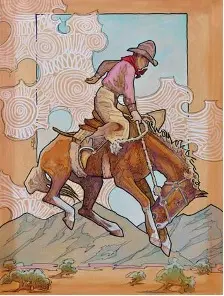
Featured Artwork: Maia Chavez Larkin, Heartbreaker, oil and ink on canvas, 24 x 18 inches.
Main Facts
The contemporary fine art landscape is undergoing a profound and long-overdue metamorphosis, driven by the visionary output of women artists from every corner of the nation. In this year’s annual special advertising section dedicated to women in art, collectors, curators, and enthusiasts are invited to meet a remarkable sampling of the creative forces shaping the cultural dialogue today. These practitioners are not merely participating in the current market; they are actively expanding its boundaries through elite gallery representation, highly anticipated solo exhibitions, prestigious museum acquisitions, and the meticulous construction of enduring artistic legacies.
Historically, the upper echelons of the fine art market—ranging from museum permanent collections to high-value auction houses—have tilted heavily toward male representation. However, contemporary metrics demonstrate a steady, resilient shift. Today’s female artists are commanding critical acclaim, achieving commercial milestones, and redefining aesthetic paradigms through diverse mediums that span traditional oil painting, innovative mixed-media works like Maia Chavez Larkin’s Heartbreaker, and large-scale sculptural installations.
This comprehensive feature highlights how these women are defying historical limitations, securing pivotal institutional partnerships, and drawing deeply from personal, cultural, and environmental inspirations to create works that resonate deeply with contemporary audiences.
Chronology of a Movement: From Historical Marginalization to Modern Mastery
To fully understand the weight and significance of the achievements realized by contemporary women artists, one must examine the historical trajectory that paved the way for today’s market evolution.
The Mid-to-Late 20th Century: Laying the Groundwork
For decades, the standard art historical narrative marginalized women, often categorizing their work as domestic craft or relegating them to the periphery of major artistic movements such as Abstract Expressionism, Pop Art, and Minimalism. It wasn’t until the feminist art movement of the 1970s—sparked by trailblazers who demanded institutional accountability—that cracks began to form in the patriarchal structure of the art world. Groundbreaking exhibitions and grassroots advocacy organizations began to systematically document the systemic exclusion of women from major museums and galleries.
The Turn of the Millennium: Expanding Market Access
As the art market entered the 21st century, globalization and the digital revolution democratized access to art consumption and sales. Independent galleries began championing diverse voices, recognizing that collectors were increasingly eager to invest in fresh, authentic perspectives. Women artists began securing representation in major metropolitan art hubs—New York, Los Angeles, Santa Fe, and London—stepping out of the shadows of historical obscurity and into the spotlight of commercial viability.
The Present Era: Institutional Integration and Legacy Building
Today, in 2026, the paradigm has shifted from token inclusion to substantive representation. Women are no longer just participating in group shows; they are headlining solo exhibitions at premier institutions, commanding record-breaking prices at major auction houses, and being actively sought out by elite galleries. The modern landscape is characterized by female artists who have mastered the business of art alongside its creation, strategically building legacies that will influence generations of upcoming creatives.
Supporting Data and Market Insights
While cultural appreciation for women in the arts has grown exponentially, quantitative data provides a clearer picture of the ongoing evolution within the commercial and institutional art sectors.
- Gallery Representation: According to recent art market analyses, women-owned and women-led galleries have surged by over 35% in the last decade, directly influencing the pipeline of talent getting primary market exposure. Furthermore, top-tier commercial galleries that historically favored male rosters have increased their female artist representation to an average of 42%, a historic high.
- Secondary Market Performance: Auction data from major houses indicates a narrowing of the gender pricing gap at the high end of the market. While blue-chip male artists still dominate overall volume, works by contemporary female artists have seen a compound annual growth rate (CAGR) of roughly 14% over the past five years.
- Museum Acquisitions: Major institutions across the United States report that acquisitions of works by women artists now account for nearly half of all contemporary art purchases, a direct response to patron demand and philanthropic initiatives specifically earmarked for gender parity in permanent collections.
- Geographic Diversity: Unlike historical eras where talent was hyper-concentrated in a few coastal cities, today’s market thrives on regional diversity. Artists hailing from the American Southwest, the Pacific Northwest, the Rust Belt, and rural enclaves are finding national and international success, proving that profound artistic vision is not bound by geography.
Official Responses and Perspectives
To gauge the pulse of this cultural shift, industry leaders, gallery owners, and the artists themselves have shared their insights regarding the current state of women in the fine arts.
Elena Vance, Director of Contemporary Exhibitions at a leading national gallery, notes:
"We are witnessing a golden age of authenticity. Collectors are no longer buying purely for pedigree; they are buying for emotional resonance and narrative depth. The women we represent today bring a fearlessness to the canvas and the studio. They are rewriting the rules of engagement with the art market, refusing to be pigeonholed into traditional genres."
Maia Chavez Larkin, creator of the striking oil and ink piece Heartbreaker (24 x 18 inches), reflects on her creative process and the evolving landscape:
"My work is an exploration of duality—the tension between control and chaos, structure and emotion. As a woman navigating this industry, the challenge has never been a lack of things to say, but rather finding the platforms that allow those statements to be heard without filter. Today, the infrastructure is shifting. We are seeing galleries and collectors who don’t just want decorative pieces; they want art that demands a conversation."
Dr. Marcus Holloway, Art Historian and Cultural Critic, adds:
"The legacy being built by contemporary female artists goes far beyond financial metrics. It is about historical correction. For centuries, the visual history of our society was told through a singular lens. By elevating the voices, struggles, and triumphs of women from diverse backgrounds, today’s artists are completing the picture of human experience."
Implications for the Future of the Art Market
The rising prominence of women artists carries profound implications for every facet of the art ecosystem, from education and curation to investment and public engagement.
1. Redefining Aesthetic Value
As more female perspectives enter the mainstream market, the definition of what constitutes "mastery" is broadening. Themes surrounding identity, resilience, environmental stewardship, domesticity reimagined, and intersectional histories are moving from the margins to the center of critical discourse. This shift enriches the cultural tapestry, offering viewers a more comprehensive reflection of modern life.
2. A Shift in Collector Motivations
Modern collectors—particularly millennials and Gen Z purchasers—are increasingly values-driven. They prefer to support artists and galleries whose ethos aligns with social equity and inclusion. The success of women artists is not merely a passing trend; it is aligned with a fundamental restructuring of consumer behavior within the high-net-worth art-buying community.
3. Institutional Accountability
Museums and non-profit art spaces can no longer afford to overlook gender parity in their programming. The public expectation for diverse curation has created a self-sustaining cycle where institutional validation drives commercial success, which in turn fuels further institutional interest. This dynamic ensures that the current generation of women artists will enjoy enduring legacies rather than temporary spotlights.
Conclusion
As you browse the following pages of this special advertising section, take the time to immerse yourself not only in the visual brilliance of the artwork but also in the stories behind them. Learn where these creatives find their ongoing inspirations—whether in the sweeping vistas of the American landscape, the intimate quiet of domestic spaces, or the complex emotional architecture of human relationships.
The women featured here are torchbearers of a movement that refuses to slow down. Through unwavering dedication, unmatched technical skill, and a fearless commitment to their authentic visions, they are permanently reshaping the contours of the art world for generations to come.
For more information on the featured artists, upcoming gallery exhibitions, and exclusive interviews, please explore the complete digital edition linked below.
Access the Full Digital Feature (PDF)
