

By Sela Breen
September 17, 2026
Introduction: The Nightly Ritual of the Digital Age
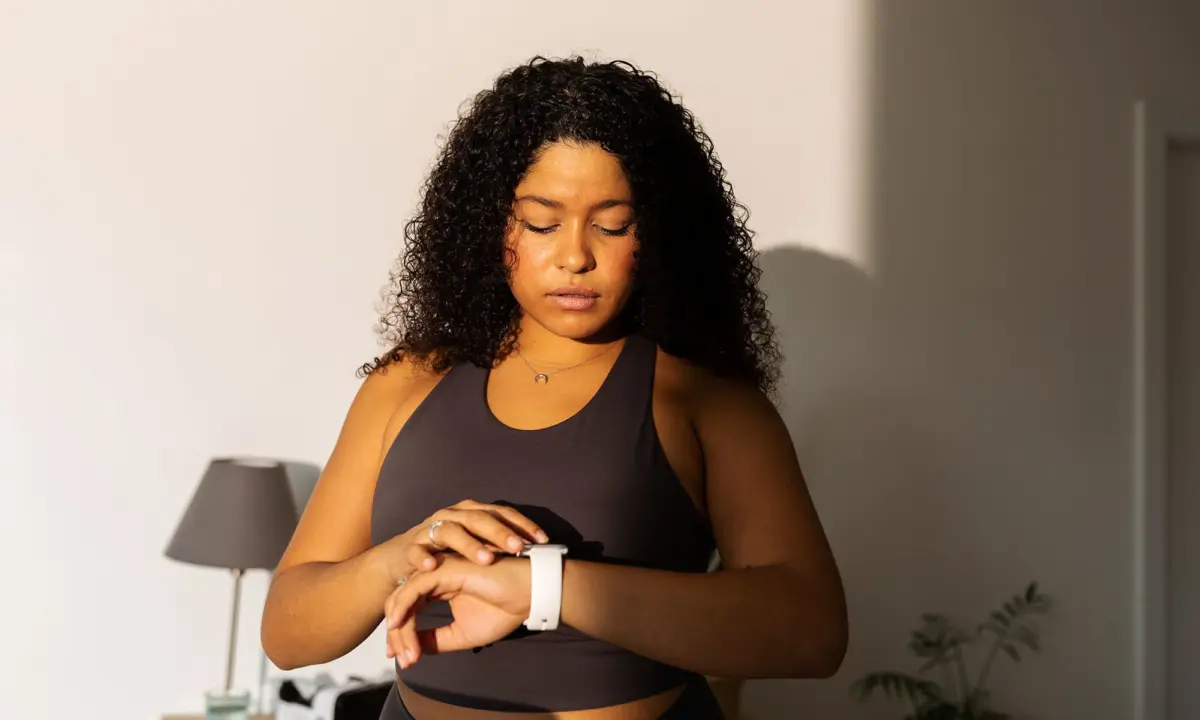
For millions of people around the world, waking up no longer begins with checking the weather or scrolling through morning emails. Instead, it starts with a glance at a smartphone screen or a digital dashboard displaying a meticulously calculated metric: the "sleep score."
According to data compiled by the American Academy of Sleep Medicine (AASM), nearly half of all American adults now regularly use consumer sleep-tracking devices. These gadgets—ranging from smartwatches and fitness bands to specialized rings and under-mattress pads—have successfully turned nightly rest into a quantifiable science. They log every toss, turn, respiration rate, and moment of stillness, translating complex physiological states into neat, easily digestible numbers designed to help users optimize their health.
However, a growing body of scientific research is beginning to question just how reliable these numbers truly are. A prominent new study reveals that consumer and research-grade wearables might be painting a picture of nightly rest that is significantly rosier than reality. While these devices offer valuable insights into general lifestyle habits, their algorithmic optimism means they often miss the nuanced, fragmented disruptions that define true restorative sleep.
Main Facts: Wearables vs. Clinical Realities
To understand the discrepancy between consumer technology and medical-grade diagnostics, a team of researchers recently conducted a comparative analysis examining how well wearable devices perform against the gold standard of sleep medicine.
The study tracked 107 patients at a specialized sleep clinic over an intensive eight-night monitoring period. Each participant was outfitted with a MotionWatch 8 actigraphy device—a sophisticated, research-grade tracker that primarily measures physical movement to estimate sleep patterns. Simultaneously, these patients underwent polysomnography (PSG), the definitive diagnostic procedure used in clinical settings.
Polysomnography is far more comprehensive than any consumer wearable. It involves the simultaneous recording of multiple physiological parameters throughout the night, including brain waves (electroencephalography), eye movements (electrooculography), muscle activity (electromyography), heart rhythms (electrocardiography), and respiratory airflow. By combining these metrics, clinicians can precisely determine the exact architecture of sleep—differentiating effortlessly between light sleep, deep slow-wave sleep, and rapid eye movement (REM) cycles, while pinpointing micro-awakenings that the average wrist-worn accelerometer might entirely miss.
When researchers compared the data from the movement-based trackers against the comprehensive metrics of the lab equipment, clear patterns emerged:
- Total Sleep Time: The correlation between the wearable devices and clinical testing was relatively strong when evaluating overall ballpark figures. Trackers were generally capable of identifying how many total hours a person spent in bed attempting to sleep.
- The Optimism Bias: Across the board, wearables systematically overestimated total sleep time by an average of 27 minutes per night.
- Sleep Efficiency Inflations: Sleep efficiency—the percentage of time in bed actually spent asleep—was overestimated by approximately 6%.
- Underestimating Wakefulness: Conversely, the devices underestimated the amount of time participants spent awake during the night by an average of 15 minutes.
- Nuance and Fragmentation: While the trackers captured the macro-level view of a night’s rest, they struggled severely with micro-level details. Measures tracking sleep fragmentation, restlessness, and choppy transitions between sleep stages showed weak correlations with clinical findings.
In short, while a wearable device can tell you roughly when you fell asleep and when you woke up, it tends to gloss over the restless middle ground, smoothing out the rough edges of a troubled night into a deceptively high score.
Chronology: The Evolution and Scrutiny of Sleep Technology
To appreciate the current debate surrounding sleep tech, it is necessary to examine how consumer monitoring evolved from a niche fitness trend into a mainstream health phenomenon.
Phase 1: The Step-Counter Era (Early 2010s)
In the early days of consumer health tracking, devices were primarily designed to count steps and estimate caloric burn during waking hours. Sleep tracking was introduced almost as an afterthought. Early algorithms relied on simple accelerometers to detect prolonged physical stillness. If a user lay relatively motionless for a specific window of time, the software inferred they were asleep. These rudimentary systems frequently mistook lying quietly on a couch watching television for deep, restorative slumber.
Phase 2: The Biometric Boom (Late 2010s to Mid-2020s)
As technology matured, manufacturers integrated advanced sensors into wearables. Heart rate monitors using photoplethysmography (PPG) allowed devices to track heart rate variability (HRV), while skin temperature sensors and blood oxygen (SpO2) monitors provided deeper physiological context. Software developers introduced proprietary algorithms designed to estimate sleep stages (light, deep, and REM) based on algorithmic combinations of movement and pulse data. Sleep scores became normalized marketing tools, encouraging users to compete against their personal bests.
Phase 3: The Scientific Reckoning (Present Day)
As millions of consumers began altering their daily behaviors based on these wrist-generated scores, medical professionals recognized the need for rigorous scientific validation. Clinical researchers began designing comparative trials—such as the 107-patient study utilizing the MotionWatch 8—to test consumer and research-grade devices against polysomnography. These ongoing investigations have consistently demonstrated that while movement-based and pulse-based tracking can highlight broad lifestyle trends, they cannot replace clinical diagnostics, exposing a persistent gap between commercial innovation and medical accuracy.
Supporting Data and Confounding Variables
The recent research highlights that tracker accuracy is not a static metric; it fluctuates significantly based on physiological, demographic, and environmental factors.
Age and Demographics
Tracking accuracy is rarely uniform across different segments of the population. The study noted that as participants aged, the alignment between wearable readings and clinical data shifted. Older adults often experience altered sleep architecture, characterized by increased nighttime awakenings and lighter sleep stages, which standard commercial algorithms frequently misinterpret.
Physiological Factors
Physical conditions can heavily distort wearable output. For instance, individuals suffering from periodic limb movement disorder (PLMD)—a condition where legs twitch or jerk involuntarily during sleep—often present unique challenges to movement-based trackers. The subtle muscle activations can confuse accelerometers, leading the device to miscalculate whether the movement constitutes a micro-awakening or merely restless sleep.
The Environment Effect
Another fascinating finding from the clinical research centered on the physical setting. The identical tracking devices produced noticeably different results depending on whether participants were sleeping in the unfamiliar, clinical environment of a sleep laboratory versus their own beds at home.
This discrepancy does not necessarily point to a flaw in the hardware. Rather, it underscores the "first-night effect"—a well-documented psychological and physiological phenomenon where individuals sleep more poorly and lightly when evaluated in a strange environment. However, it also proves that contextual factors can heavily influence the final numbers displayed on a screen, making it difficult to draw direct comparisons between a night spent traveling in a hotel and a routine night at home.
Furthermore, because the study was conducted within a clinical setting on patients already undergoing evaluation for suspected sleep disorders, researchers note that the findings may not perfectly mirror the baseline accuracy experienced by healthy, asymptomatic sleepers.
Official Responses and Industry Perspectives
The release of studies questioning consumer sleep metrics has prompted varied responses from both the medical community and the technology sector.

The Medical Perspective: AASM and Sleep Physicians
Medical bodies, including the American Academy of Sleep Medicine, have adopted a measured stance. Clinicians acknowledge that consumer wearables have successfully raised public awareness about the critical importance of rest. Millions of people who previously ignored chronic exhaustion are now prioritizing sleep hygiene, reducing late-night screen time, and moderating caffeine consumption because their devices flagged a poor score.
However, sleep physicians frequently caution against "orthosomnia"—a newly coined psychological condition characterized by an obsessive fixation on achieving a "perfect" sleep score. Doctors report that patients frequently arrive at clinics experiencing heightened anxiety directly caused by their wearable devices telling them they had a subpar night of rest. Physicians emphasize that if a patient wakes up feeling refreshed and functional, a low score on a wristband should not be a cause for alarm. Conversely, if a person feels chronically exhausted, a high wearable score should not prevent them from seeking professional medical evaluation for underlying conditions like sleep apnea.
The Tech Industry Response: Context Over Diagnosis
Manufacturers of consumer sleep trackers have increasingly updated their software interfaces to emphasize long-term trends rather than daily diagnostic absolutes. Industry representatives frequently emphasize that consumer devices are explicitly designed for wellness and lifestyle management, not as medical diagnostic instruments.
Modern software updates increasingly frame sleep scores as directional feedback tools. Rather than telling a user, "You slept for exactly 7 hours and 42 minutes," forward-thinking platforms are shifting toward messaging that encourages users to observe how behaviors—such as late meals, alcohol consumption, or intense evening workouts—correlate with changes in their personal baseline over weeks and months.
Implications: How to Use Your Sleep Tracker Wisely
Recognizing that your wearable device tends to view your night through rose-colored glasses does not mean you need to banish your gadget to a bedside drawer. Consumer sleep trackers remain remarkably useful tools when utilized with an appropriate understanding of their limitations.
Experts and sleep specialists recommend several strategies for integrating wearable data into a healthy lifestyle without falling victim to data anxiety:
- Focus on Trends, Not Single Nights: A single low or high score can be influenced by algorithm quirks, minor device shifting on the wrist, or temporary environmental factors. Instead of reacting to individual mornings, look at rolling averages over a 7-to-14-day period to spot genuine behavioral trends.
- Prioritize Subjective Well-Being: How you feel when you wake up remains the most reliable indicator of sleep quality. If your device gives you a mediocre score, but you feel energized, focused, and alert, trust your body over the algorithm.
- Use Data as a Behavioral Nudge: Treat your tracker as a personal experiment platform. Observe how adjustments to your evening routine—such as keeping a consistent wake-up time, dimming lights earlier, or lowering your bedroom thermostat—impact your overall trajectory over time.
- Know When to Seek Professional Help: If you experience chronic daytime fatigue, loud snoring, morning headaches, or unrefreshing sleep regardless of what your wearable says, bypass the consumer dashboard and consult a board-certified sleep specialist for comprehensive clinical evaluation.
Conclusion
The latest research serves as a clarifying reminder of the boundary between consumer wellness technology and clinical medicine. Sleep trackers are not lying to their users; rather, they are performing complex estimations based on limited sensor inputs, inherently leaning toward an optimistic view of rest, particularly when it comes to masking nighttime wakefulness.
By shifting perspective—treating sleep scores as helpful lifestyle nudges rather than infallible medical diagnoses—users can harness the motivational benefits of modern technology while maintaining a healthy, realistic relationship with their nightly rest.
