For millions of women, the subtle shifts arrive without warning: a stubborn pickle jar that suddenly demands a second attempt, or a routine trip from the grocery store where bags feel notably heavier than they used to. While these everyday moments are often brushed off as mere signs of getting older, they can be early indicators of age- and menopausal-related muscle loss.
While conventional wisdom has long pointed toward strength training as the ultimate antidote to fading physical capacity, a growing body of scientific inquiry suggests that lifting weights is only half the equation. Nutrition—specifically protein consumption—plays an equally vital role.
In a comprehensive new review published in the medical journal Menopause, researchers sought to untangle this relationship, examining whether enhanced protein intake can help postmenopausal women maintain vital muscle strength. Analyzing data from nearly 9,000 women, the findings offer an encouraging roadmap for aging gracefully, maintaining independence, and safeguarding long-term metabolic health.
Main Facts: What the Review Discovered
The scientific review, which synthesized data from seven distinct observational studies, focused on a total cohort of 8,922 postmenopausal women. The primary objective was to investigate the correlation between dietary protein intake and handgrip strength—a metric widely recognized by geriatricians and physiologists as a reliable proxy for overall body strength and systemic physical function.
Key takeaways from the review include:
The Grip Strength Connection: Postmenopausal women who consumed higher amounts of dietary protein consistently demonstrated stronger handgrip strength compared to their peers with lower protein intake.
The BMI Correlation: Higher protein consumption was also associated with a lower body mass index (BMI), pointing toward broader metabolic benefits.
Age Independence: The positive association between protein and strength remained steady across various statistical models, meaning the protective benefits were not easily explained away by differences in age alone.
While the observational nature of the underlying studies means researchers cannot definitively establish direct cause and effect—as women who eat more protein may also lead more active lifestyles or maintain healthier overall diets—the consistent pattern reinforces the hypothesis that nutritional strategies are critical for postmenopausal vitality.
Chronology: How the Science of Women’s Muscle Health Evolved
For decades, sports science and nutritional research suffered from a glaring demographic blind spot: the vast majority of studies concerning muscle protein synthesis, athletic performance, and sarcopenia (age-related muscle loss) were conducted primarily on young men. Extrapolating these findings to women—particularly women navigating the hormonal upheaval of perimenopause and postmenopause—was treated as standard practice, despite stark physiological differences.
In recent years, however, the medical community has experienced a paradigm shift. Researchers, longevity experts, and endocrinologists have increasingly turned their focus toward women’s health, recognizing that the physiological transitions of midlife require targeted, sex-specific data.
Early 2000s: Clinical awareness of sarcopenia grows, but focuses largely on frail, elderly populations, overlooking the preventive window during early postmenopause.
2010s: Landmark studies begin emphasizing the role of skeletal muscle not just as an engine for movement, but as an endocrine organ critical for metabolic health, glucose regulation, and longevity.
2020–2025: A surge in clinical research highlights how the decline of estrogen uniquely impacts muscle tissue, igniting a push to evaluate female-specific interventions, including resistance training and dietary adjustments.
September 2026: The publication of this new review marks a major step forward, compiling data from nearly 9,000 women to explicitly connect dietary protein with physical functional metrics like grip strength in the postmenopausal demographic.
Supporting Data: Understanding the Muscle-Menopause Connection
To truly appreciate why protein becomes so critical later in life, it is necessary to examine the biological shifts occurring beneath the surface.
The Estrogen Factor
Estrogen is not merely a reproductive hormone; it is a profound protector of musculoskeletal tissue. It helps regulate muscle inflammation, supports muscle cell regeneration, and influences how the body utilizes nutrients. As women transition through menopause, circulating estrogen levels plummet. This abrupt hormonal withdrawal accelerates the natural rate of muscle mass and strength decline, making tissues less responsive to the signals that prompt growth and repair.
Why Handgrip Strength Matters
Handgrip strength is far more than a measure of forearm power. In clinical research, it serves as a powerful biomarker for total-body functional capacity. Low grip strength has been consistently correlated with a higher risk of functional disability, longer hospital stays, slower recovery from illness, and all-cause mortality. By protecting grip strength, individuals are essentially insulating themselves against the frailty cycle that often accompanies advanced age.
The Role of Amino Acids
Protein acts as the primary construction material for the human body. Composed of building blocks known as amino acids—particularly essential amino acids like leucine—protein provides the specific triggers and raw materials required to stimulate muscle protein synthesis. Without an adequate supply of these nutrients, the body struggles to repair the micro-tears that occur during normal daily movement and exercise.
Official Responses and Expert Perspectives
As the medical community digests the findings of this recent review, experts across endocrinology, geriatric medicine, and sports nutrition are weighing in on how women should interpret the data.
Dr. Gabrielle Lyon, a leading physician specializing in muscle-centric medicine and longevity, has long advocated for shifting the medical paradigm away from purely treating fat mass to actively preserving muscle mass.
"Muscle is the organ of longevity," Lyon has frequently noted in clinical discussions. "It dictates our metabolic rate, manages our blood sugar, and provides the structural armor we need to stay resilient as we age. When we look at women in midlife, we aren’t just talking about aesthetic fitness—we are talking about metabolic independence."
Geriatric researchers note that while the review did not pinpoint a universal "magic number" for daily protein grams—largely because the evaluated studies utilized varying dietary definitions—the consensus among clinical dietitians points toward an intentional, distributed approach to protein consumption rather than a rigid prescription.
"The takeaway isn’t that every woman needs to radically upend her diet overnight or obsess over macro-tracking," notes one clinical nutrition researcher associated with the review. "Rather, it is about ensuring protein isn’t treated as an afterthought, particularly at breakfast and lunch, where it is often severely lacking in traditional Western diets."
Implications: Practical Steps for Postmenopausal Muscle Health
The intersection of declining estrogen, natural aging, and shifting nutritional needs means that maintaining physical strength requires a proactive, multi-pronged approach. Translating these scientific insights into daily life involves recognizing that nutrition and physical movement are synergistic partners.
1. Distribute Protein Throughout the Day
Many people consume the vast majority of their daily protein during a single heavy evening meal. However, research suggests that muscle protein synthesis is optimized when amino acids are distributed evenly across the day.
Breakfast: Incorporate whole eggs, Greek yogurt, or a quality protein smoothie.
Lunch and Dinner: Anchor meals with nutrient-dense, protein-rich options such as poultry, fish, lean beef, tofu, tempeh, lentils, or beans.
2. Combine Nutrition with Mechanical Stimulus
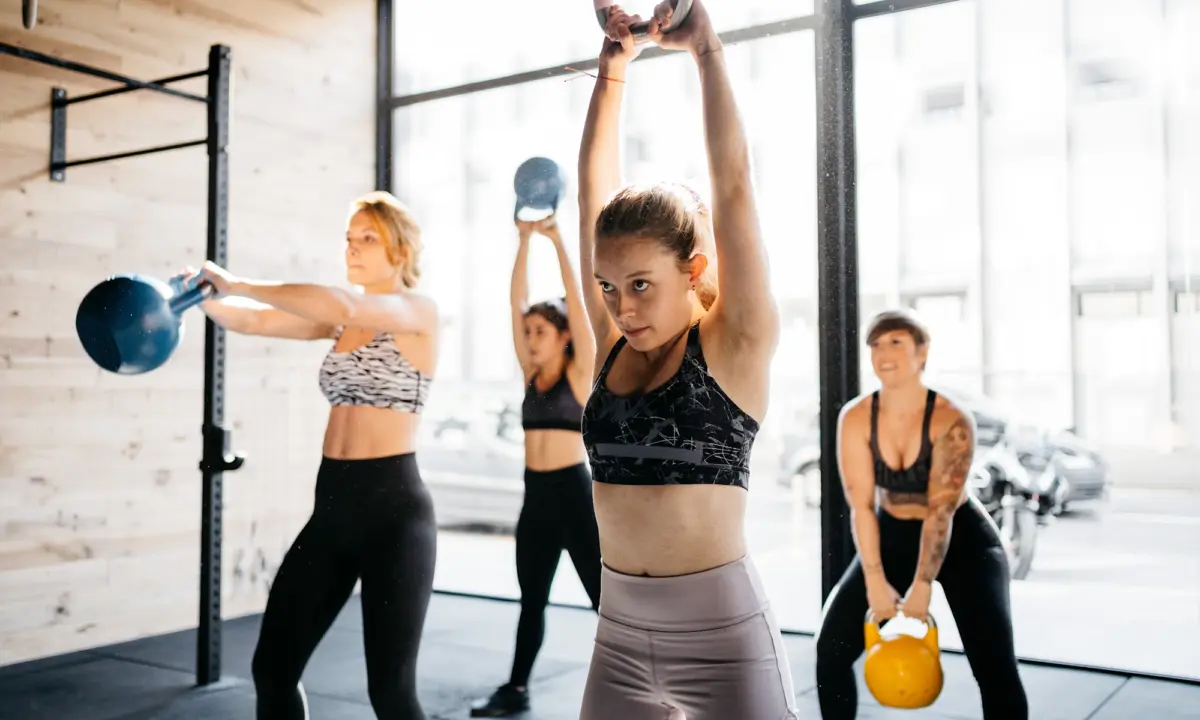
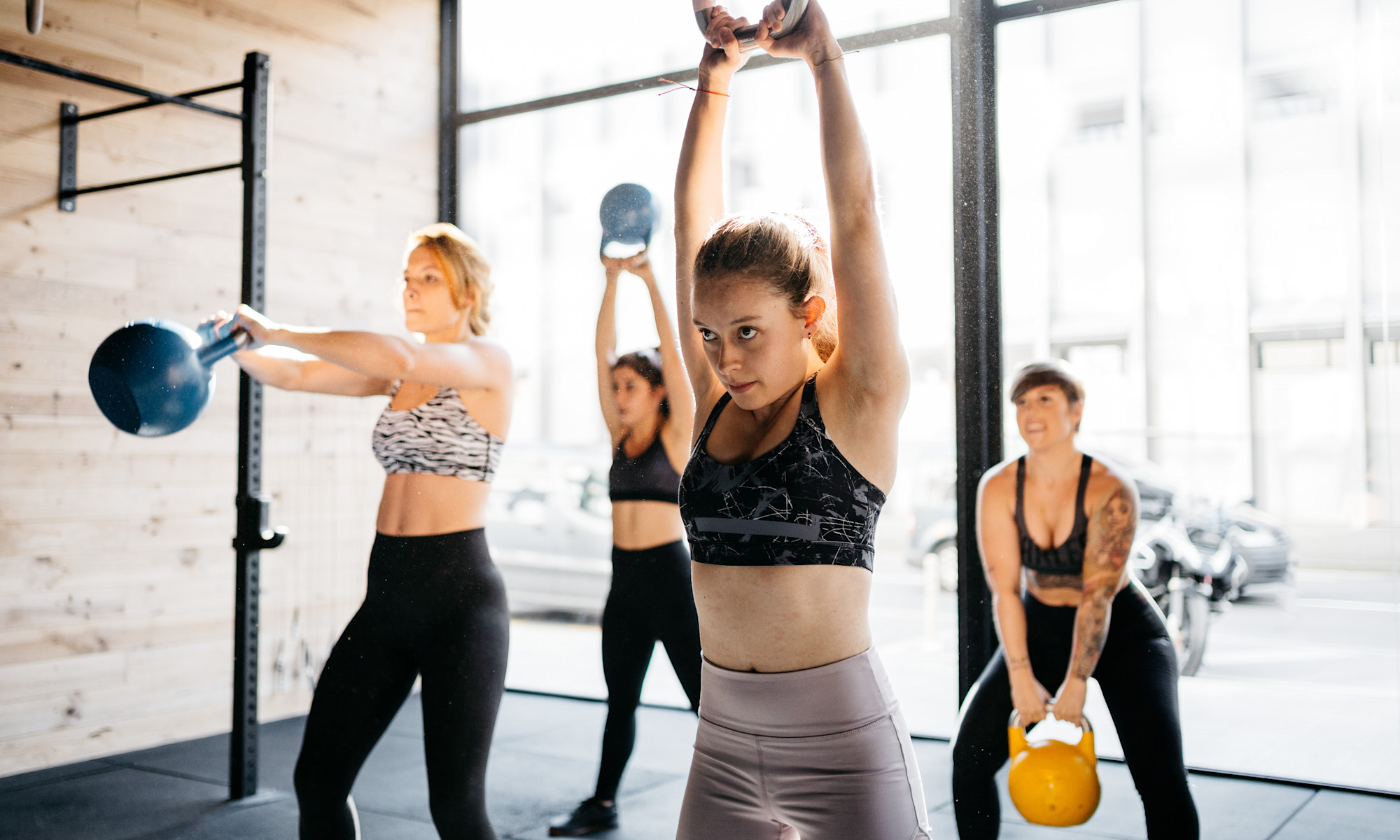
Dietary protein alone cannot build or preserve muscle; it provides the building blocks, but resistance training provides the architectural blueprint. Muscles must be given a reason to stay strong. Fortunately, this does not require an expensive gym membership or heavy barbell training.
Bodyweight exercises (such as modified push-ups, squats, and lunges)
Resistance bands
Light to moderate handheld weights
All of these modalities deliver the essential mechanical tension needed to stimulate muscle retention.
3. Shift the Mindset from Restriction to Nourishment
Midlife nutritional advice has historically over-indexed on caloric restriction. Experts emphasize that postmenopausal women need to reframe their nutritional strategy away from simply eating less and toward eating better—prioritizing nutrient density, adequate protein, and micronutrients that support bone density and metabolic health.
The Broader Outlook
Ultimately, the recent review of nearly 9,000 postmenopausal women serves as an empowering reminder. While biological aging and menopause introduce undeniable physiological hurdles, they do not dictate an inevitable slide into frailty. By pairing smart, consistent protein intake with regular resistance training, women can maintain their physical autonomy, protect their metabolic longevity, and ensure that everyday physical tasks—from carrying heavy groceries to easily popping open a stubborn jar—remain well within their grasp for decades to come.