

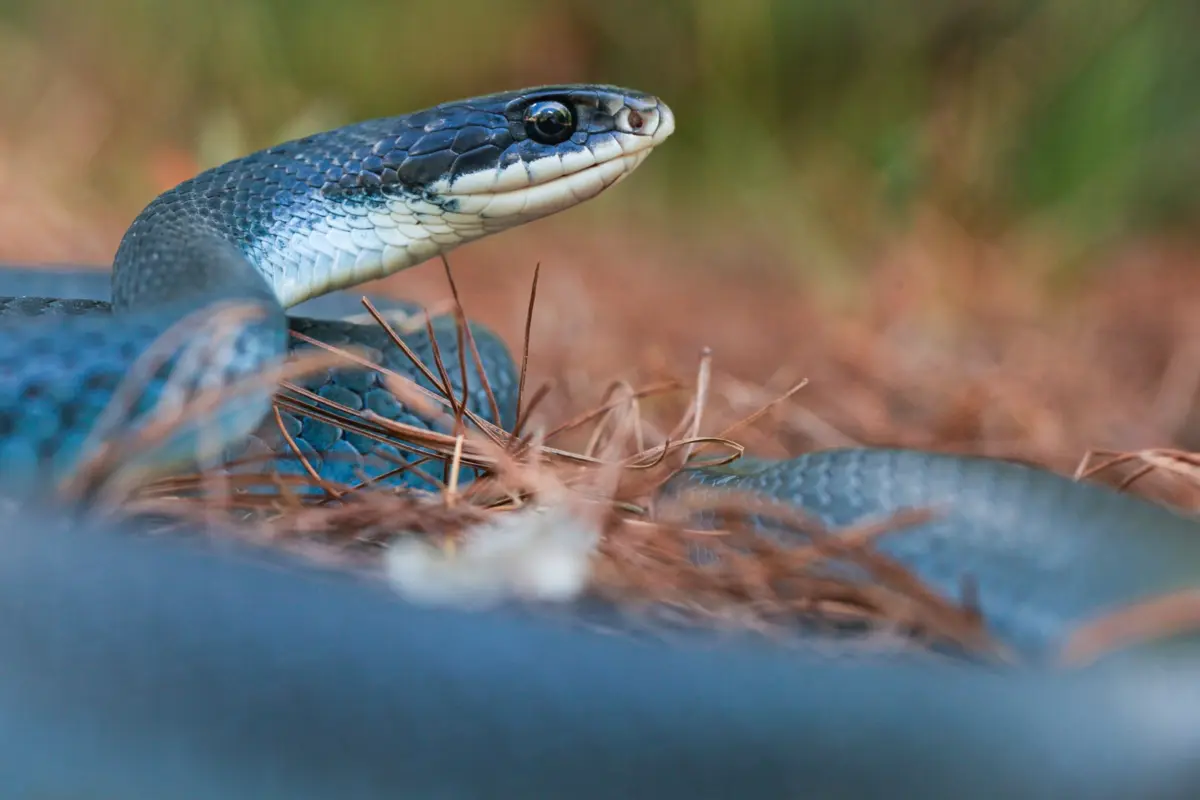
Main Facts: Redefining the Micro World
Macro wildlife photography has long been dominated by a familiar cast of characters: the iridescent sheen of a beetle’s carapace, the intricate symmetry of a daisy, and the alert posture of a jumping spider. However, professional nature photographers are increasingly turning their lenses toward alternative, overlooked subjects that exist just beyond traditional framing.
From the rainbow-refractive scales of reptiles and amphibians to the abstract geometry of woodland fungi and the microscopic details of mammalian fur, macro photography offers a gateway into a hidden universe. This specialized discipline requires a deliberate fusion of advanced gear—such as macro-capable lenses, off-camera flash units, and custom diffusers—alongside precise field techniques, including manual focusing, handheld stabilization, and a strict adherence to ethical wildlife practices.
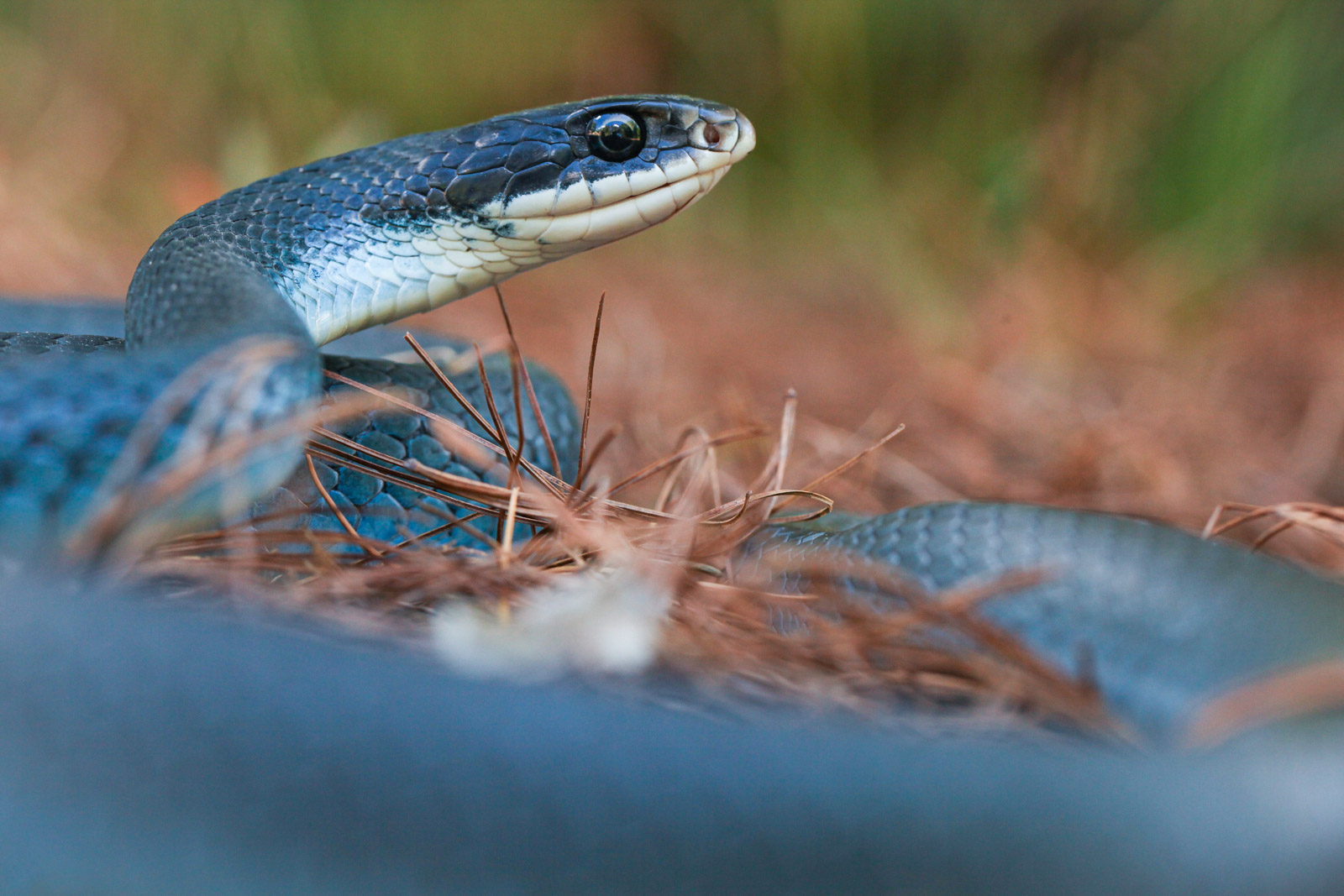
Chronology: The Evolution of Close-Up Discovery
The journey toward mastering macro photography of unconventional subjects typically follows a structured progression, moving from basic equipment acquisition to field execution and post-production refinement:
-
Phase 1: Conceptualization and Subject Selection
Photographers transition away from generic garden flora and fauna, beginning to research alternative macro categories such as herpetofauna (reptiles and amphibians), marine invertebrates, and macro botanical elements like bird feathers or forest fungi.
-
Phase 2: Equipment Calibration and Gear Integration
Practitioners assemble their kits, prioritizing macro lenses (or budget-friendly alternatives like extension tubes), dedicated flashes, and softbox diffusers designed to soften harsh artificial light. -
Phase 3: Controlled Environment Practice
Before heading into unpredictable natural habitats, photographers hone their handling, lighting angles, and manual focus accuracy in controlled studio or backyard settings.
-
Phase 4: Field Deployment and Dynamic Encounters
Operating in the field, photographers deploy handheld stabilization techniques, beanbags, and specialized apertures (such as f/11) to capture fleeting wildlife moments in RAW format. -
Phase 5: Post-Processing and Ethical Review
Images are evaluated and processed in digital darkrooms to correct exposure or highlights lost during fast-paced field encounters, all while reflecting on the minimal-disturbance impact on the subject.
Supporting Data and Equipment Metrics
Executing crisp, compelling macro shots of fast-moving or elusive wildlife demands an understanding of photographic optics and physics. Below is a breakdown of essential equipment choices and technical settings utilized by professionals in the field:
| Equipment / Setting | Primary Purpose | Professional Recommendation |
|---|---|---|
| Macro Lens | Achieving 1:1 magnification or greater to capture frame-filling details. | Dedicated macro prime lenses (e.g., 90mm–105mm); extension tubes for budget flexibility. |
| Lighting (Flash) | Freezing motion and overcoming light loss inherent in high-magnification shooting. | Off-camera flashes or ring lights rather than flat, camera-mounted pop-up flashes. |
| Diffusers | Eliminating harsh specular highlights and softening shadows on reflective subjects. | Foldable diffusers for body-mounted flash; small softboxes for off-camera configurations. |
| Aperture | Balancing depth of field to isolate the subject while keeping key details sharp. | Start at f/11 as an optimal baseline for small-to-mid-sized macro subjects. |
| File Format | Maximizing dynamic range and post-processing recovery potential. | Always shoot in RAW to retain data from fleeting field encounters. |
Official Perspectives and Expert Insights
Industry professionals and wildlife conservationists emphasize that mastering macro photography is as much about psychological discipline and ecological awareness as it is about optical physics.

According to leading macro practitioners, patience remains the single most critical asset in the field. Wildlife encounters are frequently brief, unpredictable, and prone to technical miscalculations. Experienced photographers stress that the ability to remain calm, process mistakes rationally, and quickly re-adjust settings dictates the success of a shoot.
Furthermore, conservation groups stress that proximity must never supersede animal welfare. Official guidelines from wildlife protection bodies urge photographers to prioritize non-invasive techniques. "No photograph is worth the stress, displacement, or harm of a living creature," notes field conservation literature. By building competency in controlled environments first, photographers minimize the duration and intensity of disturbances when interacting with sensitive species in natural habitats.

Implications: Changing Perspectives on the Natural World
The broader implications of expanding macro wildlife photography into overlooked domains extend far beyond artistic gratification.
Educational and Conservation Impact
When photographers turn their focus toward lesser-known subjects—such as the intricate scales of a venomous snake, the translucent anatomy of a freshwater frog, or the complex gills of woodland fungi—they educate the public on biodiversity. Macro imagery acts as an emotive bridge; it demystifies creatures that are frequently feared or ignored, fostering a broader appreciation for fragile ecosystems.

Technical Skill Advancement
For the individual photographer, breaking away from standard insect and flower photography forces technical adaptation. Managing erratic subjects like small mammals or aquatic crustaceans requires advanced mastery of manual focus, variable flash angles, and lighting diffusion. This rigorous training sharpens overall fieldcraft, transforming casual hobbyists into precise, highly observant visual historians.
Ultimately, stepping into the micro-scale realm shifts human perception. It reveals a complex, highly detailed ecosystem operating right beneath our feet, proving that worthy photographic subjects are never more than a few inches away—provided we take the time to look.
