

SPECIAL ADVERTISING SECTION
In the contemporary cultural landscape, the conversation surrounding gender equity, visibility, and representation in the fine arts continues to evolve at a profound pace. For generations, the historical canon of art history marginalized the contributions of women, relegating them to the periphery while celebrating their male counterparts.
Today, however, a dynamic cohort of female creators is actively dismantling these historical barriers. They are securing prestigious gallery representation, commanding attention in museum-curated exhibitions, and building formidable artistic legacies that redefine the parameters of modern and contemporary art.
Central to this ongoing cultural shift is Southwest Art magazine’s annual special advertising section dedicated entirely to women artists. This dedicated feature serves as a vibrant platform to "meet" a diverse sampling of the trailblazing creatives making a tangible impact on the art market today.
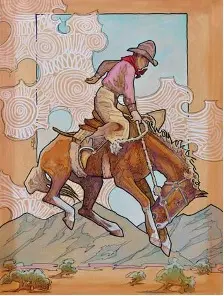
Featuring talents from coast to coast—exemplified by compelling works such as Maia Chavez Larkin’s mixed-media oil and ink on canvas piece, Heartbreaker—this year’s showcase highlights the technical mastery, visionary storytelling, and relentless entrepreneurial drive propelling women to the forefront of the creative economy.
Main Facts: The 2026 Women in Art Initiative
The annual women artists showcase is more than a curated directory; it is a comprehensive cross-section of the contemporary American art market, spotlighting women who are driving aesthetic trends and commercial success.
- National Scope: The featured artists hail from diverse geographic regions across the United States, bringing unique regional perspectives, cultural backgrounds, and thematic preoccupations to their work.
- Diverse Mediums: The showcase spans a wide array of traditional and contemporary mediums, including oil, acrylic, watercolor, sculpture, mixed media, and digital arts.
- Market Impact: Participants are actively engaged in elite gallery representation, participating in high-profile solo exhibitions, and securing permanent placements in prestigious public and private collections.
- Featured Artwork: Among the standout pieces is Heartbreaker (24 x 18 inches, oil and ink on canvas) by contemporary artist Maia Chavez Larkin, which exemplifies the innovative blending of classical painting techniques with contemporary graphic sensibilities.
- Accessibility: In conjunction with the print publication, readers can access the complete visual directory and artist statements via an interactive digital PDF supplement.
Chronology: The Long Road to Equity in the Fine Arts
To fully understand the significance of platforms that spotlight women artists today, it is essential to trace the historical timeline of women’s participation and recognition in the professional art world.
The Pre-Modern Era: Guilds, Studios, and Anonymity
- Renaissance and Baroque Periods: Despite systemic restrictions barring women from studying human anatomy from live models—a fundamental requirement for academic history painting—notable figures like Artemisia Gentileschi and Sofonisba Anguissola achieved international renown. However, their success was largely exceptional, often facilitated by familial connections to male artists.
- The 19th Century: The establishment of separate academies for women and the gradual admission of female students into mainstream institutions (such as the Pennsylvania Academy of the Fine Arts and the École des Beaux-Arts in Paris) marked the beginning of formal professional training for women. Mary Cassatt and Rosa Bonheur emerged as critical figures during this era, navigating European salon systems to build enduring legacies.
The Mid-20th Century: Modernism and Abstract Expressionism
- The Modernist Vanguard: Pioneers like Georgia O’Keeffe, Lee Krasner, and Helen Frankenthaler reshaped the trajectory of American modernism and Abstract Expressionism. Despite their revolutionary contributions, many female artists of this era were frequently overshadowed by their husbands or male peers within critical discourse.
- The Feminist Art Movement (1970s): Catalyzed by the broader civil rights and women’s liberation movements, artists and scholars began aggressively challenging institutional sexism. Landmark works, such as Judy Chicago’s The Dinner Party (1974–1979), and activist groups like the Guerrilla Girls brought issues of gender bias and institutional exclusion to the forefront of the public consciousness.
The 21st Century: Institutional Reckoning and Market Redefinition
- The 2000s–2010s: Major international museums began aggressive retrospectives and collection diversification efforts, re-evaluating historical acquisitions to correct gender imbalances in their permanent holdings.
- The Present Day: Platforms like Southwest Art’s annual women in art section play a vital role in the contemporary ecosystem, providing direct visibility, connecting artists with serious collectors, and validating the commercial and critical viability of women-led art enterprises.
Supporting Data: Analyzing the Modern Art Market for Women
While cultural attitudes toward women artists have progressed significantly, quantitative data regarding museum acquisitions, auction sales, and gallery representation reveals that the work toward true market equity remains ongoing.
Gallery Representation and Solo Exhibitions
- Representation Parity: According to various cultural research studies tracking commercial galleries in major metropolitan art hubs (including New York, Los Angeles, and Chicago), women artists historically accounted for less than 35% of roster representation. However, over the past decade, galleries focusing on contemporary and regional American art have seen a steady upward trend, with women now comprising nearly 50% of emerging artist rosters in specialized sectors.
- Solo Show Disparities: Data compiled by art market analysts indicates that while museums have increased solo exhibitions for living women artists, historical retrospectives still heavily favor male artists by a margin of roughly two to one.
Auction Performance and Collector Demographics
- The Secondary Market Gap: Premium blue-chip auction sales continue to be dominated by historic male masters. However, contemporary works by living women artists have experienced a dramatic surge in secondary market demand, with aggregate sales values increasing exponentially since 2015.
- Collector Intent: Contemporary art collectors—particularly millennial and Gen Z investors—demonstrate a distinct preference for socially conscious, diverse portfolios. Surveys of private collectors indicate that over 65% actively seek out works by women and underrepresented minority artists when building or expanding their collections.
Official Responses: Perspectives from Artists, Curators, and Critics
The cultural momentum behind women in the arts is best understood through the voices of those actively shaping the industry. The following insights reflect the prevailing sentiments among creators, curators, and cultural critics featured in contemporary arts discourse.
Maia Chavez Larkin on Artistic Inspiration and Process
Maia Chavez Larkin, whose striking mixed-media work Heartbreaker anchors this year’s promotional feature, speaks directly to the internal drive required to sustain a professional fine art career:
"Painting is an exercise in vulnerability and resilience. When you bring together unpredictable mediums like fluid oils and precise ink on canvas, you invite tension into the creative process. For me, art is about capturing the emotional friction of human relationships—the moments where strength and fragility intersect. Being recognized alongside such an incredible group of women artists validates the years spent refining that voice."
Curatorial Perspectives on Market Shifts
Independent curator and arts writer Elena Vance emphasizes the structural evolution occurring within commercial galleries and museum institutions:
"We are moving away from the era of tokenism. Collectors and institutions no longer feature women artists simply to check a diversity box; they are investing in them because the work is conceptually rigorous, technically brilliant, and commercially enduring. Platforms that spotlight women creators play a critical catalytic role by bridging the gap between independent studios and high-end collectors."
Critical Analysis of Legacy Building
Cultural economist Dr. Marcus Thorne notes the economic necessity of dedicated editorial platforms:
"Art history is written not just by museums, but by documentation, market transactions, and critical discourse. When publications dedicate sustained, annual focus to women artists, they create a permanent archive of achievement. This documentation directly influences future scholarship, valuation models, and institutional collecting patterns."
Implications: What This Means for the Future of the Art Market
The continued expansion and celebration of women in the fine arts carry profound implications for the commercial art market, cultural institutions, and the next generation of creative practitioners.
1. Diversification of Aesthetic Narratives
As more women secure prominent platforms, the thematic scope of contemporary art broadens significantly. Historical viewpoints centered predominantly on traditional male experiences are being complemented—and often challenged—by narratives exploring motherhood, identity, domestic spaces, ecological stewardship, and intersectional social history. This diversification enriches the overall cultural tapestry available to the public.
2. Economic Empowerment and Independence
The financial viability of a fine artist depends heavily on market visibility, gallery partnerships, and collector access. By highlighting artists who are forging their paths through elite representation and solo exhibitions, initiatives like the Southwest Art women artists showcase directly contribute to the economic empowerment of women. Financial sustainability allows artists to invest deeper time into their studio practices, leading to higher levels of technical and conceptual innovation.
3. Mentorship and the Next Generation
Visibility matters profoundly to aspiring creators. When young women and girls see successful, established artists commanding gallery walls, museum spaces, and editorial features, the psychological barrier to entry is dismantled. A robust ecosystem of visible female role models ensures that the pipeline of talent entering the arts remains rich, diverse, and unabashedly ambitious.
4. A Call to Action for Collectors and Enthusiasts
As art buyers, curators, and enthusiasts browse through this year’s special advertising section, the underlying message is clear: the responsibility of shaping art history rests partly in the hands of the consumer. By investing in the work of living women artists, collectors do more than acquire beautiful objects—they actively participate in correcting historical imbalances and securing a more equitable, vibrant future for the global creative community.
To explore the complete visual directory, read in-depth artist biographies, and discover where this year’s featured creators find their ongoing inspirations, readers are encouraged to access the official digital supplement available via Southwest Art’s Annual Women in Art PDF Guide.
