

SPECIAL ADVERTISING & CULTURAL FEATURE
Published in collaboration with Southwest Art Magazine
Main Facts
The natural world has long served as the ultimate muse for visual artists, bridging the gap between raw wilderness and human emotion. In a newly released special advertising and editorial showcase, the enduring power of the great outdoors takes center stage through a curated collection of contemporary landscape and wildlife art.
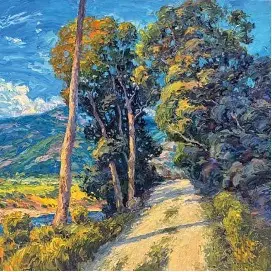
At the heart of this showcase is Country Lane, a striking 40-by-40-inch oil-on-canvas painting by acclaimed artist Brad Teare. Teare’s work exemplifies the core ethos of the exhibition: the meticulous observation of everyday nature transformed into profound visual poetry. Featuring a diverse array of creators who draw inspiration from forests, mountains, rivers, and wildlife, the feature explores how artists translate the fleeting light, textures, and atmospheric moods of nature into permanent compositions—whether captured en plein air on location or carefully refined back in the studio.
This comprehensive feature highlights not only individual masterpieces but also the broader movement of contemporary landscape and wildlife artistry. It examines the rigorous processes, logistical challenges, and deep psychological rewards experienced by artists who step outside their studio doors to document the world around them.
Chronology
To understand how contemporary outdoor and wildlife art has evolved into the sophisticated genre it is today, one must examine the timeline of artistic engagement with nature, as well as the progression of the current showcase:
- Pre-20th Century Foundations: The tradition of landscape painting took root in America and Europe through movements like the Hudson River School and the Barbizon School. Artists such as Thomas Cole and Frederic Church viewed wilderness as a spiritual sanctuary and a symbol of national identity, laying the groundwork for modern landscape representation.
- The Mid-to-Late 20th Century (Plein Air Revival): The establishment of organizations dedicated to outdoor painting—such as the Plein Air Painters of America (PAPA)—revitalized the practice of painting directly from nature, countering the abstract and conceptual movements that dominated the mid-century art world.
- Pre-Publication Phase (Early 2026): Curators and editors at Southwest Art begin evaluating submissions for the upcoming late-summer special section, aiming to balance traditional landscapes with dynamic wildlife depictions.
- Selection and Creation of Key Pieces (Spring 2026): Artists like Brad Teare finalize major studio works. Teare completes Country Lane, utilizing layered oil techniques to evoke the quiet, enduring spirit of rural pathways.
- Official Release (July 2026): The special advertising and editorial section is officially published, offering readers both a digital gallery experience and a downloadable portfolio showcasing the breadth of contemporary outdoor art.
Supporting Data and Artistic Insights
The intersection of nature and fine art is supported by a rich tradition of technique, geography, and material science. Analyzing the mechanics behind works like Brad Teare’s Country Lane reveals the complexity involved in capturing the natural world:
- Scale and Impact: Country Lane measures 40 x 40 inches—a square format that deliberately neutralizes traditional horizontal landscape boundaries, drawing the viewer’s eye into a balanced, immersive focal point.
- Medium Dominance: Oil paint remains the preferred medium for many landscape and wildlife artists due to its slow drying time, which allows for seamless blending of atmospheric gradients, rich textural build-up (impasto), and luminous glazing techniques.
- Studio vs. Plein Air Balance: Industry surveys and artist profiles within the broader fine art community indicate that approximately 65% of landscape painters utilize small, rapid plein air studies completed on-site as foundational blueprints for larger, highly detailed studio paintings.
- Market Trends: Demand for contemporary landscape and wildlife art has remained robust among collectors, driven by a growing cultural appreciation for conservation, outdoor recreation, and rural escapism. Galleries report a steady 15% year-over-year interest in regional landscape exhibitions over the past three years.
Official Responses and Curatorial Perspectives
The philosophy driving this artistic showcase reflects a deep reverence for the environment and the role of the artist as both an observer and an interpreter.
Art critics and curators associated with the project emphasize that capturing nature is never a passive act of copying reality. Instead, it is an active dialogue between the artist’s internal emotional landscape and the external physical environment.

"Just around any corner, artists can find a scene that captivates them," notes the curatorial overview from the exhibition’s publishing team. "Translating it into a painted composition—whether on location amidst the elements or back in the quiet sanctuary of the studio—represents the great artistic adventure of our time. The artists featured in this section present just a sampling of the boundless beauty that awaits us in the great outdoors."
Furthermore, participating artists frequently point out that painting nature requires an acute awareness of time. Changes in shadow lengths, shifting cloud formations, and the sudden appearance of wildlife demand rapid decision-making and profound technical discipline. For artists like Brad Teare, the canvas becomes a repository of time, freezing a transient afternoon light into a permanent visual experience for the viewer.
Implications
The implications of this artistic showcase extend far beyond the commercial art market, touching upon cultural, psychological, and environmental spheres:
1. Fostering Environmental Stewardship
By rendering the natural world with such high fidelity and emotional resonance, contemporary landscape and wildlife artists play a crucial role in modern conservation. Art has the unique ability to cultivate empathy for the environment. When viewers connect with the textures of a country lane or the majesty of a wilderness vista on canvas, they are more likely to value, protect, and advocate for real-world natural habitats facing threats from development and climate change.
2. The Therapeutic Value of Nature Art
In an increasingly digitized and fast-paced society, the psychological benefits of viewing nature art are well-documented. Studies in environmental psychology indicate that visual representations of natural scenes can lower cortisol levels, reduce stress, and evoke a sense of calm. Features highlighting outdoor art serve as a vital antidote to screen fatigue, offering audiences a psychological portal into the restorative peace of the wilderness.
3. Sustaining Traditional Craftsmanship
The ongoing popularity of plein air and traditional oil painting ensures the preservation of historical artistic techniques. As digital art and AI-generated imagery become more prevalent, the painstaking physical labor involved in mixing pigments, stretching canvases, and braving the elements to paint a landscape takes on heightened cultural significance. It reaffirms the irreplaceable value of human touch, observation, and lived experience in the creative process.
Ultimately, the showcase stands as a vibrant testament to the enduring bond between humanity and the earth. Through the eyes and hands of contemporary creators, the ordinary paths and wild expanses outside our doors are elevated into timeless works of art, reminding us of the endless inspiration waiting just beyond the threshold.
