

Published October 7, 2026
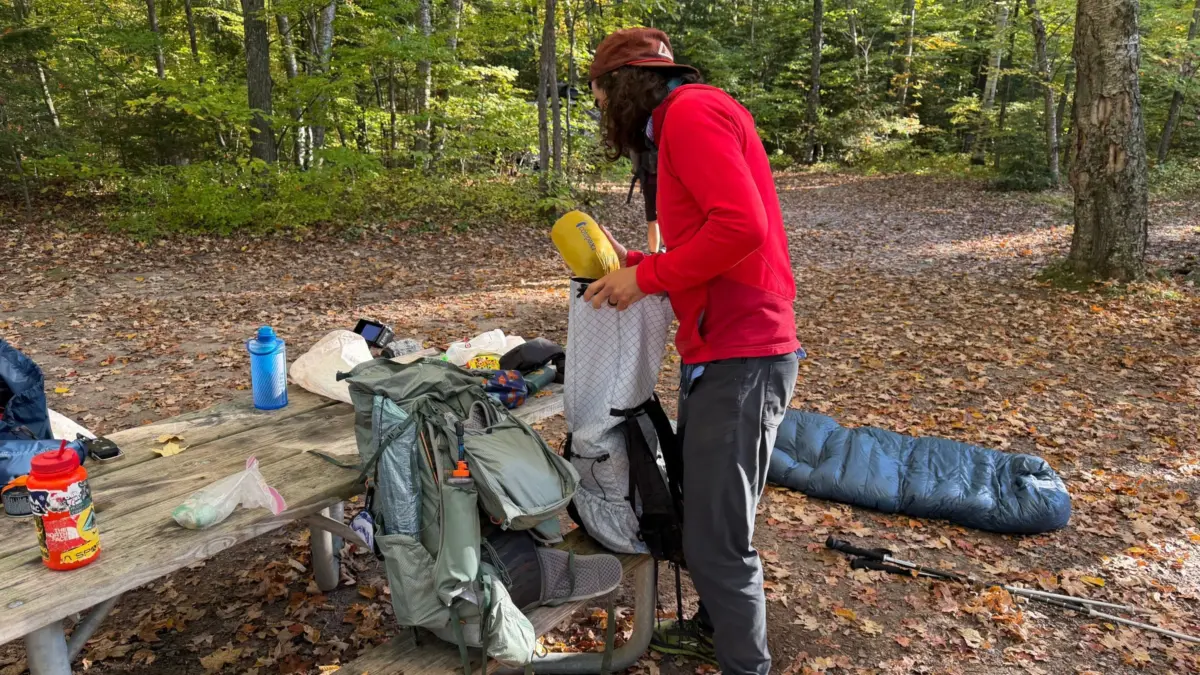
A well-packed backpack is rarely mistaken for a mere piece of luggage; rather, it is a masterwork of human engineering disguised as gear. Streamlined, balanced, and immaculately organized, an expertly loaded pack allows hikers to retrieve essential items without performing a chaotic "yard-sale" display beside the trail. Weight is scientifically distributed between the shoulders and hips, ensuring the vessel does not wobble, sway, or fight the hiker’s center of gravity with each stride. It achieves a delicate equilibrium—avoiding the burden of excessive weight while eliminating the inefficient dead space that causes gear to shift.
Ultimately, a good packing job is profoundly personalized, designed to cater to the individual biomechanics, habits, and endurance levels of the person wearing it. Yet, perhaps most importantly, it must function as a replicable, systematic routine. Because backpackers unpack their gear in camp each night and reverse the process every morning, the system must be fast, intuitive, and foolproof. After decades of accumulated trail experience, the editorial staff at Backpacker has codified these methodologies into a definitive blueprint for efficiency.
Main Facts: The Anatomy of an Efficient Pack
Learning how to pack a backpack is universally recognized as an essential rite of passage for beginners, yet refining that system remains a lifelong pursuit for seasoned thru-hikers. The fundamental philosophy governing professional packing relies on three pillars: weight distribution, accessibility, and volume management.
When a pack is improperly loaded—such as placing heavy items too low or too far away from the spine—it creates a mechanical disadvantage that accelerates fatigue. Conversely, keeping heavy items close to the back and centered prevents the torso from being pulled backward.
However, mechanics are only half the battle. Organization dictates whether a ten-second rest break to grab a snack remains a fluid motion or turns into an exhaustive excavation project. By leveraging strategic storage systems, eliminating air pockets, and unlearning factory-default packing habits, hikers can dramatically enhance their comfort, speed, and safety in the backcountry.
Chronology: The Evolution of Modern Packing Systems
The methodology of trail organization has undergone a quiet revolution over the past several decades, evolving alongside advancements in outdoor gear technology.
- The Early Eras (Pre-1990s): Backpacking was dominated by external frame packs, where gear was largely strapped to the outside of the frame, resulting in high centers of gravity and a propensity for gear to snag on brush.
- The Internal Frame Revolution (1990s–2000s): The mainstream adoption of internal frame packs shifted the focus inward. Hikers began stuffing everything into a single cylindrical chamber, leading to the widespread use of heavy, monolithic stuff sacks that created rigid, awkward blocks inside the pack.
- The Ultralight Movement (2010s): Driven by long-distance hikers on paths like the Pacific Crest Trail (PCT) and Appalachian Trail, the focus shifted toward minimalist gear. This era popularized the "loose-pack" method—discarding heavy stuff sacks in favor of lining the main compartment with a single waterproof trash compactor bag, allowing soft items to naturally mold into every available crevice.
- The Modern Multi-Modality (Present Day): Today’s best practices combine the lessons of the past. Modern backpackers use targeted, lightweight organizational tools (such as one-way valve dry sacks and specialized pocket layouts) while maintaining the flexibility to pack dynamically around hard-sided containers like bear canisters.
Supporting Data & Expert Insights: The Gear Editor Playbook
To unpack the secrets of elite trail organization, Backpacker editors shared the specific, battle-tested strategies they swear by after thousands of miles on trails ranging from the Ice Age Trail to the West Coast Trail.
1. Strategize Your Stuff Sacks
Stuff sacks are ubiquitous, but using them indiscriminately creates rigid geometric blocks that fail to interface cleanly with the contours of a pack. The key is intentionality.
- Nighttime Essentials: Keep items like power banks, headlamps, e-readers, and personal hygiene tools grouped in a color-coded sack (such as a distinct green bag) so they can be instantly retrieved and tossed into a tent during camp setup.
- Sleep Systems: Senior Gear Editor Benjamin Tepler recommends consolidating sleep gear—earplugs, an eye mask, an inflatable pillow, and dedicated sleep clothes—into a single sack to streamline the bedtime routine.
- The Dirty Laundry Rule: Associate Editor Will Brendza routinely packs an empty, designated stuff sack specifically to quarantine dirty, sweat-soaked clothes from clean layers.
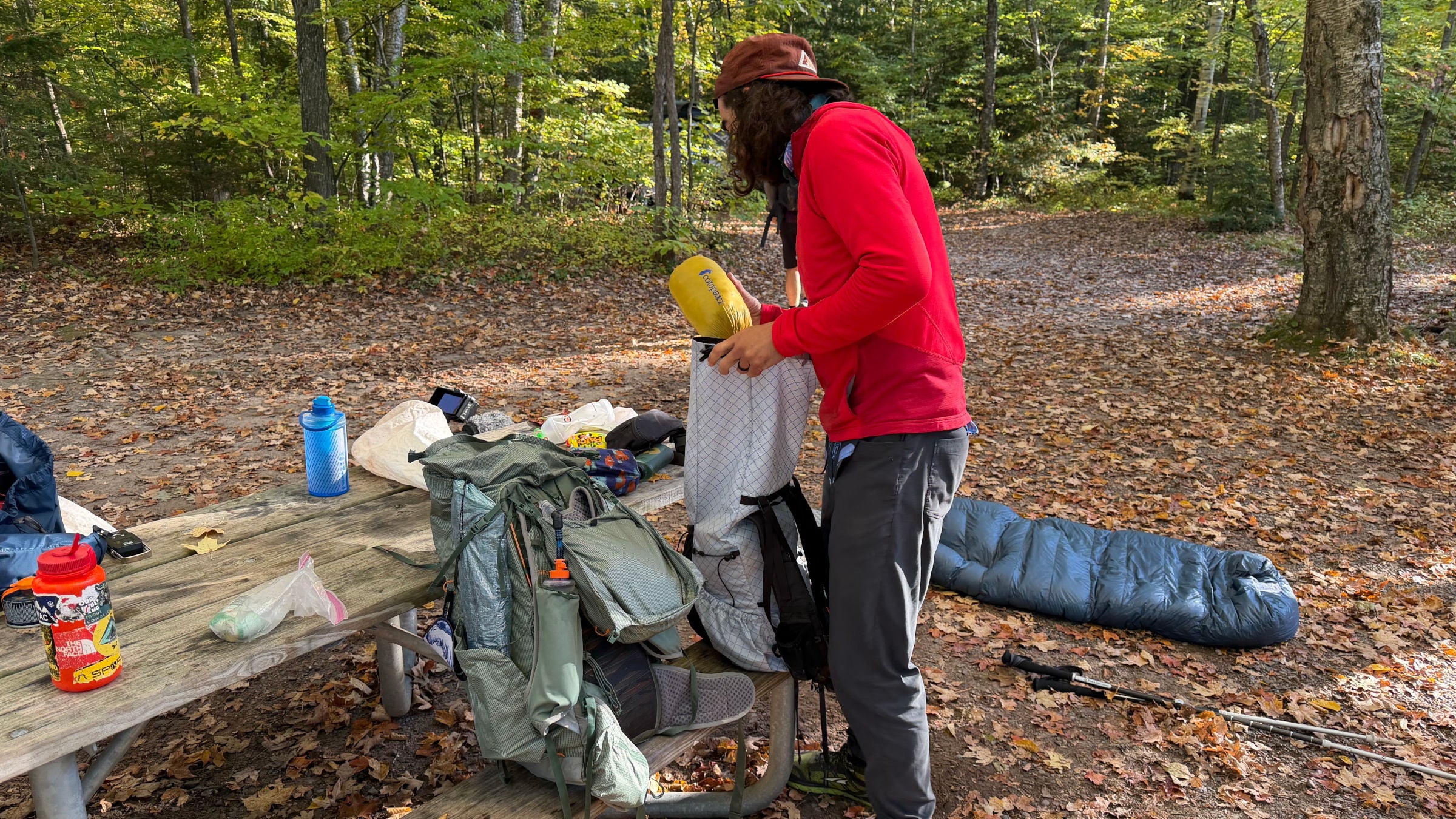
- The Power of One-Way Valves: For soft gear like heavy insulated puffy jackets, Editor-in-Chief Adam Roy champions dry sacks equipped with one-way valves. "They basically shrink-wrap soft gear," Roy notes. However, he cautions against over-compressing everything, advising hikers to leave items like rain jackets or sleeping bags loose to act as natural filler for remaining gaps.
2. Keep Necessities Within Reach
Stopping to take off a backpack every time a snack, map, or layer is needed wastes valuable time and energy.
- Distributed Snacking: The editorial team recommends distributing the day’s caloric allotment across hipbelt pockets, chest harness pockets, pants pockets, and the top lid.
- External Fencing: If hipbelt pockets are too small, Roy suggests wearing an accessible fanny pack. For weather protection, rain jackets should be stuffed into external mesh pockets rather than buried deep inside the main cavity. Similarly, leave one sleeve of an on-the-call insulating layer poking out of the main packbag for quick, on-the-move retrieval.
3. Minimize Dead Space
Air-filled gaps are the arch-nemesis of backpacking efficiency; they allow gear to shift unpredictably, causing the pack to wobble over rough terrain.
- The Loose-Bag Philosophy: Community Engagement Editor and PCT alumnus David Gleisner completely bypasses stuff sacks for his sleeping bag and sleeping pad. "I put my pad folded up against the frame of my pack, and stuff my bag loose into my pack so it leaves no unused space within," Gleisner explains.
- Weaponizing Bear Canisters: Hard-sided bear canisters present a unique packing puzzle. Brendza utilizes dwindling food supplies midway through a trip by back-filling the container with clothing and accessories, eliminating internal rattling and freeing up precious external volume.
- Micro-Hacks: Tepler suggests nesting items efficiently—such as housing soap or hand sanitizer inside the hollow center of a toilet paper roll, and scaling cook sets down to the smallest possible vessel (such as a 750 mL pot) that can swallow a stove, gas canister, lighter, and micro-rag. Another editor favorite involves wrapping medical leukotape around a sunscreen stick or lighter to eliminate the bulk of an entire roll.
4. Break the Mold
Hikers frequently default to manufacturer packaging, which is rarely optimized for trail conditions.
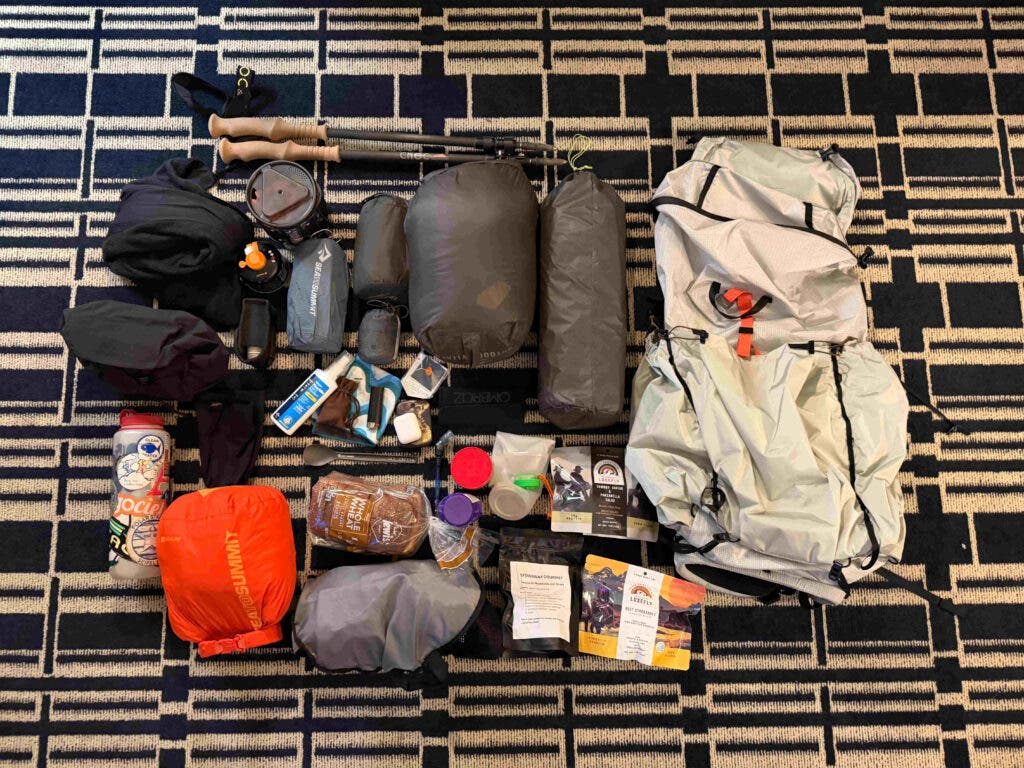
- Deconstructed Food: Roy suggests breaking freeze-dried or dehydrated meals out of their bulky cardboard and plastic boxes before hitting the trail, opting to rehydrate them directly in a pot or a dedicated freezer bag at camp.
- Separating Shelter Components: "There’s no reason you need to pack your tent in its stuff sack," Roy says. Separating the tent poles (the "bones") from the tent body allows hikers to distribute weight and volume symmetrically or wedge rigid items cleanly against the frame.
Official Responses and Perspectives
The transition from a novice packer to an intuitive trail engineer highlights a broader philosophical shift within the outdoor recreation community. Industry manufacturers are increasingly designing gear specifically to address these packing pain points—developing modular harness pockets, asymmetrical compression systems, and ultralight fabrics that conform to dynamic loads.
Yet, veteran instructors emphasize that no piece of gear can replace the intuition gained through repetition. "A wise backpacker once told me: There’s always room for a beer—or whatever luxury item you choose; you just have to find the cranny," Brendza reflects. According to outdoor educators, the psychological comfort of a well-organized pack directly influences morale, resilience, and decision-making when hikers encounter adverse weather or unexpected trail delays.
Implications: How Packing Efficiency Impacts Trail Safety and Sustainability
While the art of packing a backpack is often discussed in the context of comfort and convenience, its implications extend far deeper into safety, physical health, and environmental stewardship.
- Injury Prevention: Poorly distributed weight places asymmetrical stress on the lumbar spine, shoulders, and knees, significantly increasing the risk of muscle strains, joint fatigue, and balance loss on technical terrain (such as steep ladder crossings or boulder fields).
- Emergency Preparedness: When emergency gear—such as a first-aid kit, emergency bivy, or rain gear—is buried beneath days of clothing and food, precious minutes can be lost during a crisis. A systematic pack structure ensures life-saving tools are instantly accessible.
- Leave No Trace Compliance: Securing all gear internally or within proper external pockets prevents items from snagging on delicate alpine foliage or falling loose along fragile ecosystems. Furthermore, utilizing hard-sided containers efficiently ensures that scented items and waste are never left vulnerable to wildlife.
Ultimately, mastering the engineering of your backpack transforms the physical burden of travel into a seamless extension of your body, allowing you to focus less on the weight on your back and more on the wilderness unfolding before you.
