

October 1, 2026
By Global Health & Longevity Desk
Main Facts
A fractured hip, a snapped wrist, or a fractured vertebra can fundamentally rewrite an older woman’s life long after the bones themselves have knitted back together. For decades, the medical community’s primary metric for success in geriatric orthopedics and preventative medicine has been straightforward: survival. If a patient recovers from a severe fragility fracture without fatal complications, the medical intervention is traditionally deemed a success.
However, a landmark global health study published in late 2026 paints a far more complex, sobering portrait of aging and physical autonomy. According to research evaluating trends among women aged 55 and older, medical advancements have successfully reduced mortality rates linked to low bone mineral density (BMD). Fewer women are dying from the catastrophic cascades triggered by osteoporotic fractures.
Yet, there is a profound trade-off. While death rates are falling or plateauing, disability rates are climbing steeply.
Today, millions of older women are surviving fractures, but they are doing so while navigating chronic, life-altering physical limitations. Everyday tasks that once required little thought—climbing a flight of stairs, carrying groceries, bending down to garden, or taking a brisk morning walk—can suddenly become monumental hurdles. The implications of this shift mean that modern bone health must evolve beyond simple mortality prevention. It must pivot toward preserving functional capacity, independence, and long-term mobility.
Chronology: Tracking Three Decades of Bone Health Data
To understand how modern medicine arrived at this critical juncture, researchers had to look backward across a sweeping timeline. The recent study analyzed epidemiological data drawn from the extensive Global Burden of Disease database, capturing a 30-year window spanning from 1994 through 2023.
1994–2000s: The Era of High Mortality and Fragility Vulnerability
During the late 20th and early 21st centuries, low bone mineral density and osteoporosis were heavily correlated with acute, life-threatening events. When older individuals—particularly postmenopausal women—suffered major skeletal breaks like hip fractures, the subsequent immobility frequently triggered severe medical complications. Pulmonary embolisms, deep vein thrombosis, secondary infections, and systemic shock made the post-fracture window a precarious time, resulting in significantly higher mortality statistics.
2010s: Improvements in Acute Care and Surgical Outcomes
As global healthcare systems improved surgical techniques, pain management, and post-operative rehabilitation protocols during the 2010s, immediate post-fracture survival rates began to climb. Hospitals became better equipped to handle geriatric trauma, and pharmacological interventions for osteoporosis—such as early-generation bisphosphonates and hormone therapies—gained wider distribution. Consequently, the immediate risk of a patient perishing from a low-BMD-related event began to decline across G20 nations and rapidly developing regions like China.
2020–2023: The Divergence of Death and Disability
By the early 2020s, data analysts began noticing a stark statistical divergence. While mortality curves flattened or sloped downward, the prevalence of long-term disability curves sharply inverted upward. Even as patients survived the initial trauma of a fracture, their trajectories pointed toward chronic pain, loss of independent ambulation, and accelerated physical frailty.
Looking Ahead to 2035: Projections for the Next Decade
Using historical trajectory models up to 2023, researchers projected epidemiological trends through the year 2035. The mathematical forecasts indicate that while mortality rates associated with low BMD will likely continue their downward trajectory, the absolute number of women living with long-term disability will expand significantly. This is driven in large part by shifting global demographics, specifically the rapidly graying populations in major economic hubs.
Supporting Data: What the Numbers Tell Us
The empirical evidence compiled by the research team highlights several critical demographic and statistical realities regarding women aged 55 and older across China and G20 nations:
- The Paradox of Total Deaths: In China alone, the total absolute number of deaths associated with low BMD more than doubled over the course of the 30-year study period. At first glance, this appears to contradict the finding that death rates are falling. Researchers explain that this discrepancy is driven entirely by population aging and size. China features a vastly larger population of older women today than it did three decades ago. Therefore, even though an individual woman’s statistical risk of dying from a bone-density-related issue has decreased, the sheer volume of aging women means higher aggregate numbers of fatalities.
- The High-Risk Age Bracket: The study identified women aged 75 to 84 as experiencing the fastest acceleration in long-term disability linked to low bone mineral density. This specific cohort represents a critical window where natural age-related muscle loss (sarcopenia) intersects with declining bone mass (osteopenia/osteoporosis).
- Generational Vulnerability Shifts: Intriguingly, data analysis revealed that certain more recent generations of women exhibit a higher relative risk of prolonged disability following bone-density-related incidents, even though their baseline risk of acute mortality is lower than that of their predecessors. This suggests that modern lifestyle shifts, sedentary habits, or changes in nutritional profiles may be influencing recovery resilience.
Official Responses and Perspectives from the Medical Community
Public health officials, geriatricians, and endocrinologists have increasingly sounded the alarm about the rising tide of musculoskeletal disability.
Dr. Elena Vance, a leading clinical researcher specializing in geriatric bone metabolism, notes that the medical system has historically treated bone health as an isolated engineering problem. "For decades, our approach to osteoporosis has mirrored structural repair: find a weak beam, reinforce it with medication, and hope it doesn’t break," Vance explains. "If the bone didn’t snap, or if the patient survived the break, we checked the box and considered the job finished. What this recent data forces us to confront is that surviving a fracture is only half the battle. If a patient survives but loses the ability to walk unassisted, to cook for themselves, or to live independently, we have failed to preserve their quality of life."
Furthermore, international health organizations have begun updating guidelines to emphasize holistic longevity rather than mere life extension. Public health bodies across G20 nations are facing mounting economic and social pressures. Long-term disability among older adults places immense strain on family caregivers, increases institutionalized care costs, and diminishes overall societal productivity and well-being.
As a result, health ministries are shifting toward preventative public health campaigns that target women decades before they reach the high-risk 75–84 age bracket. Rather than waiting for a routine bone density scan (DEXA) at age 65, medical consensus is moving toward early lifestyle optimization beginning in a woman’s 30s, 40s, and 50s.
Implications for Long-Term Health: The Synergy of Bone, Muscle, and Balance
The transition from a mortality-focused paradigm to a disability-prevention paradigm requires a complete rethinking of what wellness looks like as women age. Bone health cannot be addressed in a vacuum. It is deeply intertwined with muscle preservation and neurological balance.
1. The Muscle-Bone Axis
Bones and muscles exist in a constant, dynamic dialogue. When muscles contract during physical activity, they apply mechanical stress to the skeleton. This mechanical load is the primary biological signal that tells bone-building cells (osteoblasts) to lay down new mineral matrix, increasing bone density and structural integrity.
Conversely, when muscle mass degrades—a process known as sarcopenia—bones lose that crucial daily stimulus, accelerating mineral loss. Strong, active muscles also act as physical shock absorbers. If an individual trips or slips, robust musculature around the hips, core, and legs can absorb a significant portion of the impact energy, preventing the force from transferring directly into fragile bone tissue.
2. Balance and Neuromuscular Agility
Preventing falls is just as important as reinforcing bones. Neuromuscular coordination, proprioception (the body’s ability to sense its position in space), and reaction times dictate whether a misstep results in a recovery or a catastrophic fall. Training programs that incorporate stability work, resistance training, and balance challenges are vital tools in reducing the incidence of fragility fractures altogether.
Actionable Strategies: How to Support Your Skeletal and Muscular Health
Building and maintaining a resilient musculoskeletal system is a lifelong endeavor. Medical and fitness experts recommend a multi-pronged approach that can be initiated at any stage of life—though the earlier, the better.
Engage in Progressive Resistance Training
Aerobic exercise like walking is exceptional for cardiovascular health, but it does little to stimulate bone mineral accrual. To prompt bones to strengthen, they require mechanical loading that exceeds normal daily activities.
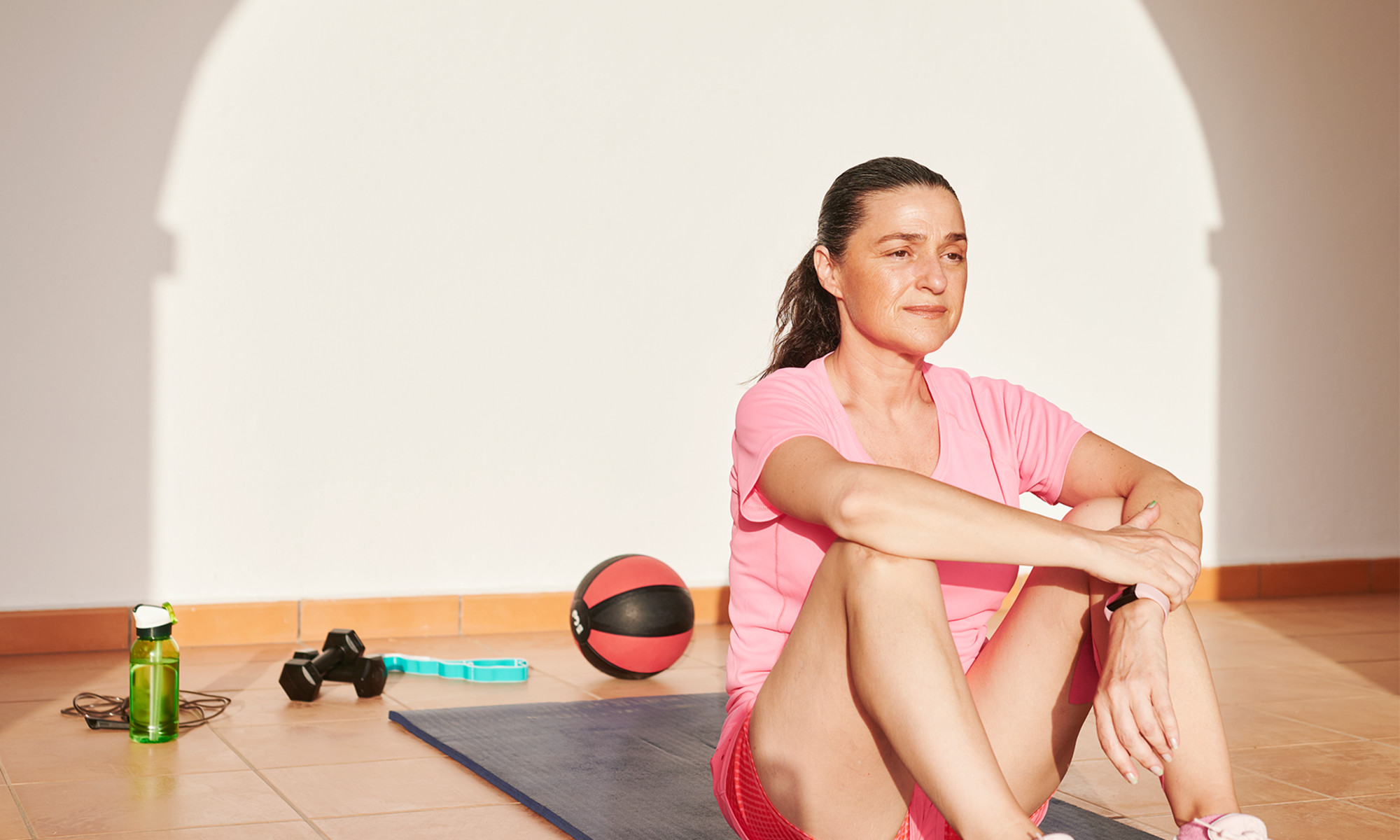
- What to do: Incorporate weight-bearing exercises at least two to three times a week. This can include lifting dumbbells, using resistance bands, performing bodyweight squats, or engaging in functional movements like lunges and step-ups. Always consult a physician or physical therapist before starting a new regimen, especially if you have existing osteopenia or osteoporosis.
Prioritize Adequate Protein and Micronutrient Intake
Bones are not purely calcified rocks; they possess a flexible protein matrix (primarily collagen) that gives them resilience against shattering.
- What to do: Ensure an adequate daily intake of high-quality protein to support both muscle maintenance and bone matrix synthesis. Additionally, optimize your intake of essential bone-supporting micronutrients—most notably calcium, vitamin D3 (which facilitates calcium absorption), and vitamin K2 (which helps direct calcium into the bones rather than arterial walls).
Focus on Balance and Core Stability
Mitigating the risk of a fall requires training the nervous system just as much as the skeletal system.
- What to do: Incorporate balance-focused practices into your weekly routine. Disciplines such as yoga, tai chi, or simple unilateral exercises (like standing on one leg while brushing your teeth) help sharpen proprioception and core stability, dramatically lowering fall risks in older age.
The Ultimate Takeaway
The realization that low bone mineral density is driving an epidemic of long-term disability rather than just acute mortality changes the entire conversation around healthy aging. A healthy skeleton is about far more than simply avoiding a single broken bone; it is the physical foundation that dictates your freedom, autonomy, and quality of life for decades to come.
By recognizing that bone strength, muscle preservation, and balance are inextricably linked, aging women—and the medical professionals who care for them—can adopt a proactive, comprehensive approach to longevity. Protecting your bones today is not just about extending your years; it is about ensuring those years remain active, capable, and entirely your own.
