

By CleanTechnica Field Reports
Photos by Larry Evans
Main Facts: Tesla FSD Meets European Urban Infrastructure
In the evolving landscape of advanced driver-assistance systems (ADAS) and autonomous driving, direct real-world comparisons remain rare. Following our initial evaluation of XPENG’s VLA 2.0 system navigating the densely packed, bicycle-heavy corridors of Amsterdam, our attention shifted to Tesla’s Full Self-Driving (FSD) capability.
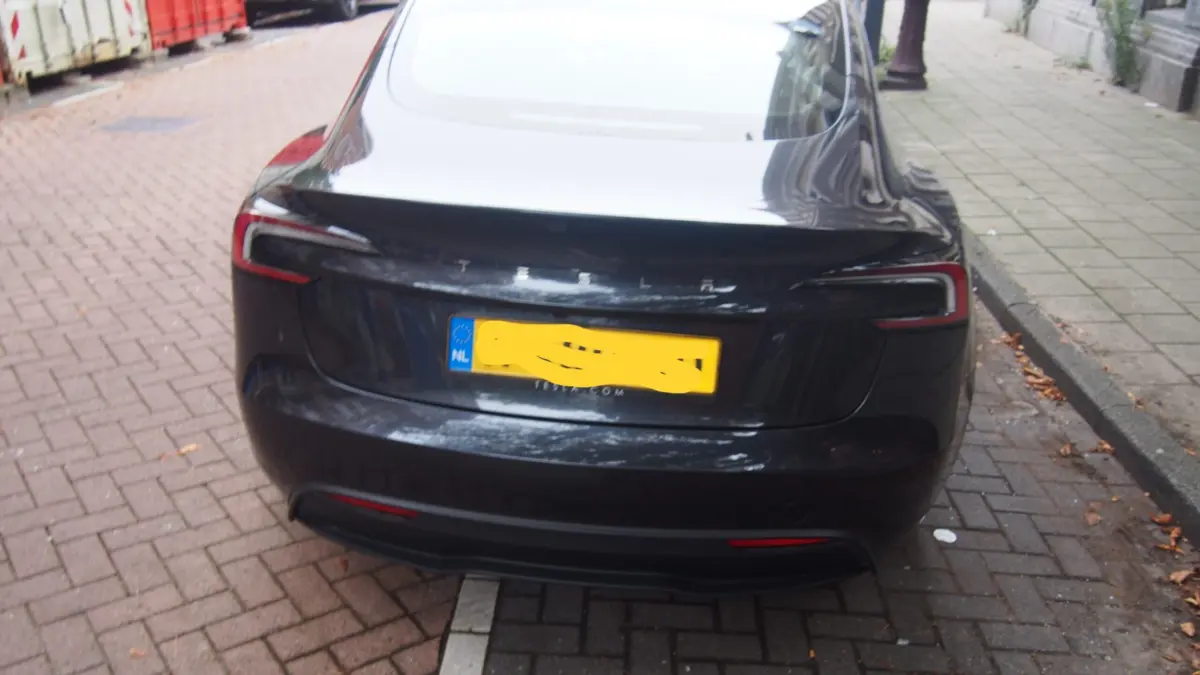
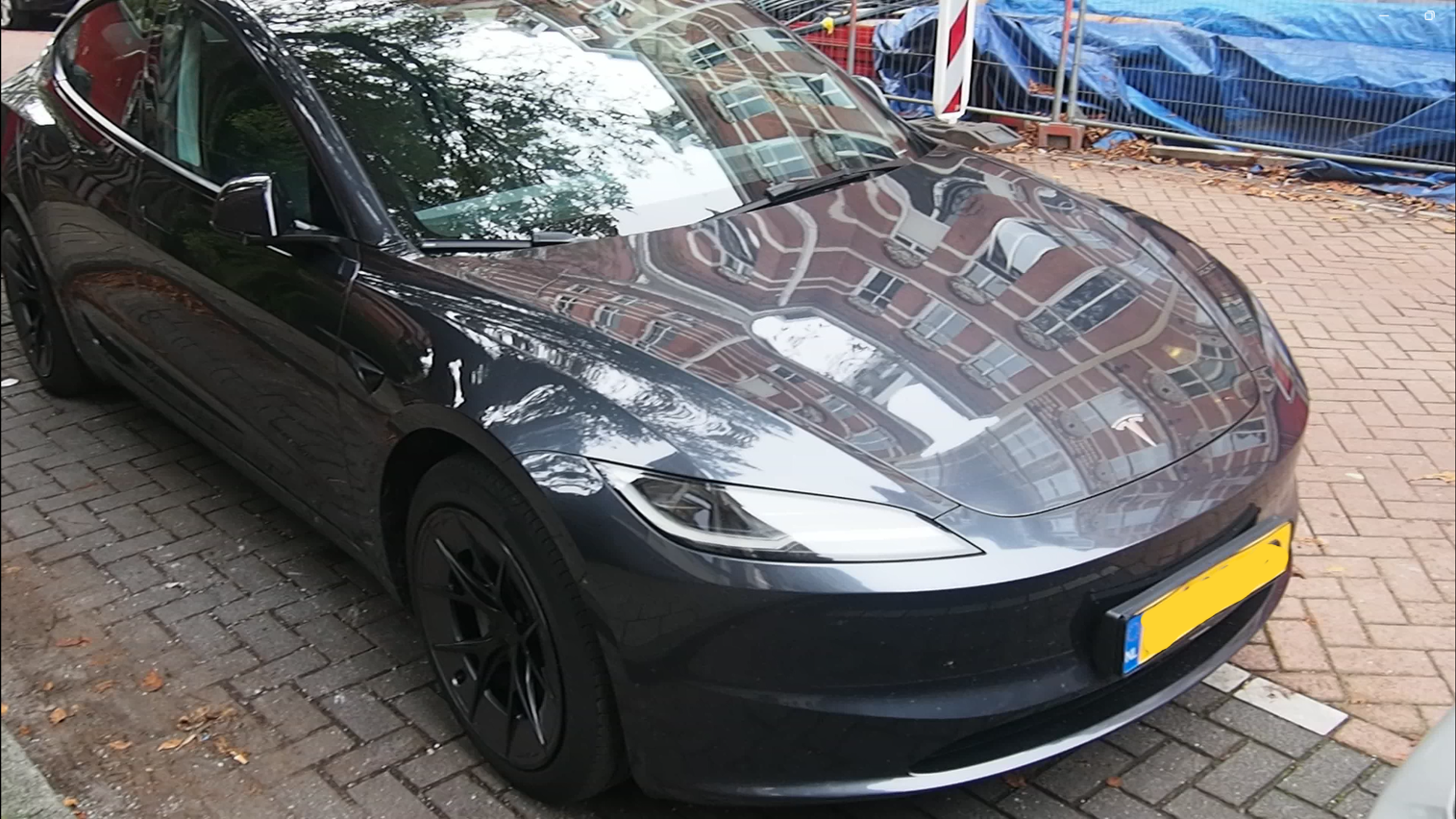
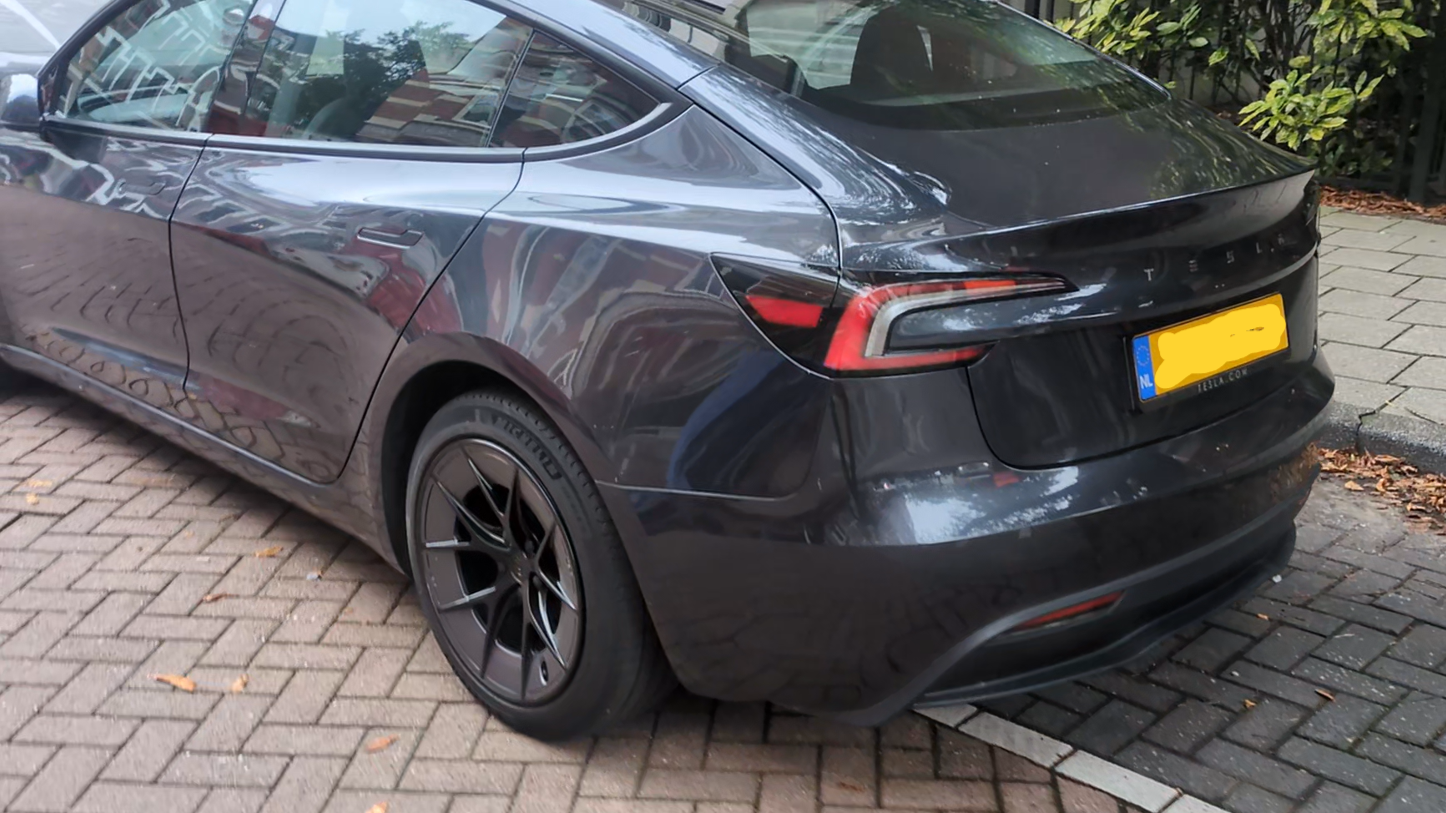
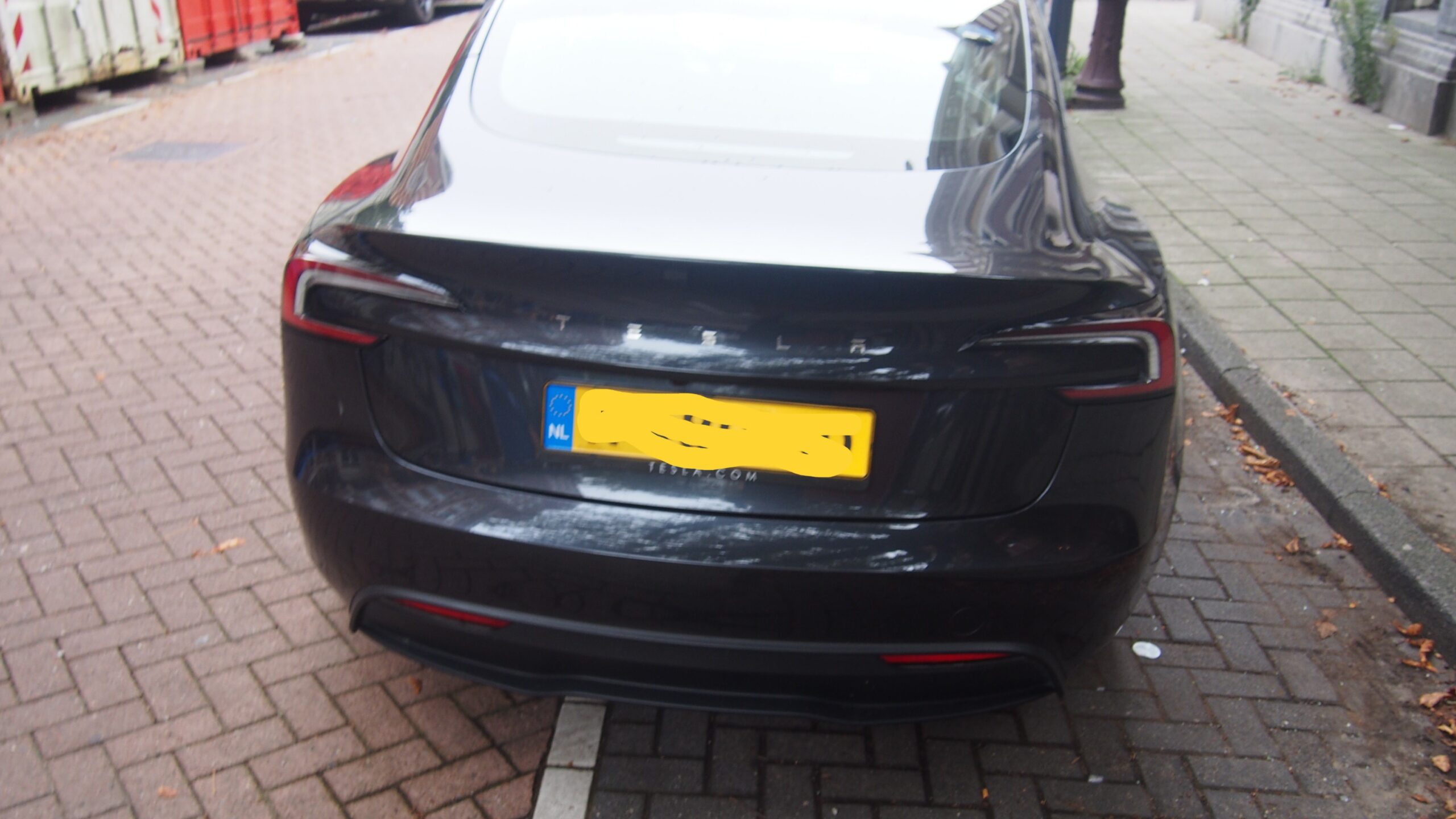
The test vehicle utilized was a customer-owned, Shanghai-produced black Tesla Model 3 Highland, equipped with Hardware 4 (HW4) and running the latest iteration of FSD. While FSD deployment is widespread across the United States, its regulatory approval in Europe remains constrained. Although initial clearances have been secured in the Netherlands and are gradually expanding into neighboring nations, FSD is still largely unfamiliar with the labyrinthine, multi-modal transit ecosystems characteristic of historic European capitals.
Operating on the exact same challenging Amsterdam test loop used for the XPENG evaluation, the Tesla Model 3 offered a unique back-to-back perspective on how American-developed autonomous logic handles urban density, ubiquitous cycling infrastructure, and complex tramway intersections.
Chronology: The Amsterdam Test Loop Experience
Setting the Stage: Consistency and Conditions
Because of minor camera configuration issues during the initial run, the test loop in the Tesla Model 3 was executed twice. This procedural repetition ultimately benefited the evaluation. The same local driver who assisted in the XPENG L03 video accompanied the tester on the second Tesla run, ensuring consistency in risk tolerance and providing valuable qualitative context.
Unlike the earlier XPENG test—which took place during peak afternoon congestion—the Tesla test runs occurred slightly later in the day as local traffic began to subside. Nonetheless, Amsterdam’s unique infrastructure presented immediate hurdles.
Phase One: The "React and Correct" Paradigm
From the outset, the operational philosophy of Tesla’s FSD in this environment could be distilled into three words: react and correct.
When encountering distant cyclists, the vehicle frequently displayed an overly cautious posture. It would register the bicycle, apply abrupt braking, and wait until it calculated a wide safety margin before creeping forward. While theoretically prioritizing safety, this hyper-reactive approach created distinct secondary hazards:
- Blocking Traffic Flow: In one instance, an abrupt stop for an oncoming cyclist in a bike lane left the vehicle stranded long enough to obstruct a second cyclist approaching from the opposite direction.
- Signal Confusion: On multiple occasions, the car stopped for pedestrians approaching—but not entering—intersections while the light was green, delaying movement until the signal cycled to red.
- Traffic Disruption: The vehicle’s hesitation at intersections occasionally drew honks from frustrated local motorists. Once, it halted directly across tram lines and multiple active lanes of traffic. Furthermore, at a designated waypoint on a side street, the system completely stalled in the middle of an intersection, refusing to re-engage autonomously.
Phase Two: Lane Selection, Steering, and Surface Dynamics
Navigating Amsterdam’s non-standard road layouts exposed limitations in map and lane-prediction logic. The Model 3 frequently selected incorrect lanes prior to turns, such as entering a right-turn-only lane when a left turn was required, forcing human intervention to prevent unscheduled neighborhood detours.
Steering inputs also lacked fluidity. Rather than executing smooth, continuous arcs, the steering wheel adjusted in distinct, iterative corrections: turn, correct, turn, correct. On Amsterdam’s slick, wet brick surfaces, these rapid micro-corrections caused minor, perceptible tire slips.
Acceleration profiles similarly lacked refinement. The vehicle routinely hesitated before launching from a stop, lurched forward aggressively, and then abruptly modulated its speed, resulting in a jerky ride quality.
Phase Three: Low-Traffic Improvements and Edge Cases
As evening approached and traffic thinned out during subsequent loops, the Tesla performed markedly better. With fewer dynamic obstacles requiring emergency-style corrections, the vehicle exhibited a smoother, more comfortable ride.
However, specialized maneuvers proved problematic:
- Street Parking: Autonomous parking attempts failed consistently. In one instance, the system signaled a successful parallel park while the vehicle remained partially protruding into an active traffic lane.
- Tight Obstacle Clearance: While the Tesla successfully navigated around roadside obstacles with margins of just a couple of inches, the process was agonizingly slow, requiring numerous micro-adjustments.
- Waypoints: Handling programmed waypoints remained a persistent weakness. The vehicle repeatedly missed designated stops, attempted looping maneuvers to re-acquire them, and occasionally stalled traffic entirely when attempting to fulfill waypoint coordinates on narrow roads.
- Roadblocks and Construction: When confronted with construction zones, the vehicle occasionally made incorrect routing choices. In one dramatic instance, after mounting a curb to bypass a stationary obstruction, the vehicle drove down the wrong lane for an extended stretch before finding a break in the curb to return to the correct side—happily bypassing oncoming police vehicles without incident. Conversely, the car demonstrated impressive reverse-operation capabilities, backing up to yield to oncoming construction machinery on a narrow single-lane pass.
Supporting Data & Operational Observations
To contextualize the performance of Tesla FSD versus regional requirements, several technical and operational factors must be considered:
- Hardware and Software Configuration: The test vehicle ran HW4 software optimized for American driving scenarios, operating on European infrastructure without localized mapping tuned specifically for Dutch multi-modal priority rules.
- Regulatory Pressures: Under emerging United Nations DCAS (Driver Control Assistance Systems) regulations, European authorities are enforcing stricter compliance standards, including mandatory hands-on-wheel requirements during urban transit operations.
- Comparative Kinematics:
- Acceleration Smoothness: FSD exhibited a stop-start-lurch profile in heavy traffic compared to the more predictable linear acceleration observed in competing systems.
- Braking Margins: FSD prioritizes extreme reactionary buffers, which protects immediate focal targets but risks rear-end collisions from human-driven vehicles trailing behind who do not anticipate sudden deceleration.
- Spatial Awareness: While capable of millimeter-precise clearance calculations, the lack of immediate, intuitive corner visibility for human supervisors during tight maneuvers increases cognitive load.
Official Responses and Industry Context
Neither Tesla nor regional regulatory bodies have issued formal statements regarding this specific informal comparison test in Amsterdam. However, industry analysts and regulatory bodies have increasingly scrutinized the deployment of high-level driver assistance software across differing global environments.
European transit authorities maintain that urban environments featuring dense mixed-use corridors—where trams, freight deliveries, thousands of cyclists, and pedestrians share narrow right-of-ways—require significantly higher contextual adaptability than the grid systems typical of many North American suburban developments.
Tesla representatives have historically noted that FSD builds its navigational competency through fleet-wide neural net training, implying that increased regional deployment naturally accelerates localization capabilities. However, until regulatory frameworks across the EU grant broader, unified approval for unsupervised or advanced supervised autonomy, testing remains largely limited to localized validation efforts by enthusiasts and industry evaluators.
Implications: The Global Autonomy Divide
The contrast between running an American-calibrated FSD system in Amsterdam and localized Chinese software solutions highlights a fundamental challenge in the race toward global autonomy: software is only as adaptable as its operational design domain (ODD).
Tesla’s FSD in Amsterdam behaved much like a driver unaccustomed to navigating dense European urban environments—overly cautious, visibly hesitant, and prone to misinterpreting complex multi-modal traffic hierarchies. While FSD excels on open highways and predictable grid networks (such as those found across much of the United States), European historic city centers represent an extreme stress test.
Key Takeaways for the Future of ADAS:
- Infrastructure Adaptation: Autonomous systems must learn to natively process non-standard road sharing, where vulnerable road users (bicyclists and pedestrians) hold absolute or customary priority over vehicular traffic.
- The Danger of Hyper-Caution: Safety protocols that result in erratic braking or unexpected stalling introduce secondary risks, such as provoking rear-end collisions or causing systemic gridlock behind the autonomous vehicle.
- Regulatory Convergence: As Europe implements stricter standards like UN DCAS regulations, software developers will be forced to adapt their operational parameters to ensure predictable, smooth, and human-like driving behavior rather than relying solely on reactive safety margins.
As the autonomous vehicle race accelerates, the litmus test for software maturity will no longer be how well a car performs on familiar American interstates, but how gracefully it can navigate the complex, historic, and chaotic streets of cities like Amsterdam.

Stay tuned for Part 3 of this series, where we dive deeper into the hardware, software architecture, and direct feature comparisons between the competing systems.
