

Main Facts
The rapid, unchecked expansion of the artificial intelligence (AI) industry has ignited a severe public health crisis centered around power generation. As tech giants race to construct massive data centers across the United States, the electricity demand has outpaced the clean energy transition. To bridge the power gap, developers are increasingly turning to fossil fuels, deploying thousands of portable methane-fired generators and keeping aging coal-fired power plants online far past their scheduled retirement dates.
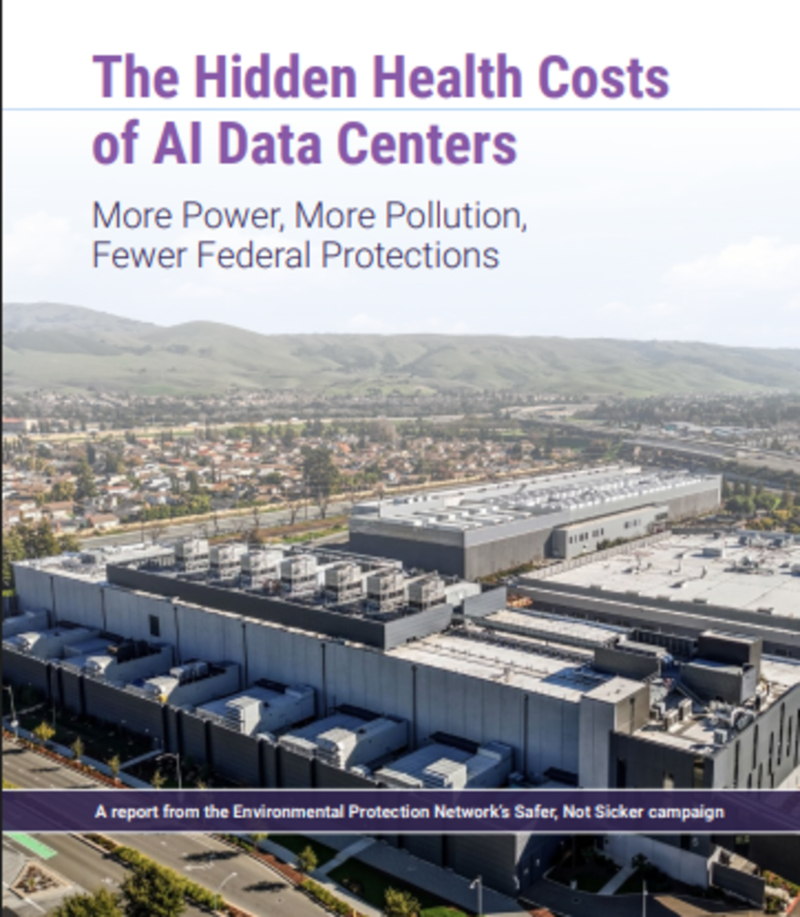
According to a recent report by the Environmental Protection Network (EPN)—an organization comprising former Environmental Protection Agency (EPA) officials—air pollution generated by these data centers could lead to roughly 600,000 new asthma symptom cases, 1,300 premature deaths, and more than $20 billion in annual public health costs by 2028. These projections arrive as federal regulators actively weaken environmental safeguards and slash agency staffing, creating a regulatory vacuum that critics argue places corporate data infrastructure ahead of human survival.
Chronology: From Dieselgate to the AI Data Center Boom
The historical roots of corporate evasion regarding emissions and public health trace back decades, establishing a familiar playbook of deception, regulatory capture, and environmental compromise.
2012: The WHO Diesel Classification
In 2012, the World Health Organization (WHO) officially classified diesel engine exhaust as a human carcinogen. This scientific determination dealt a severe blow to European auto manufacturers—specifically Volkswagen, Mercedes, and BMW—which had heavily capitalized on diesel technology following the 1970s OPEC oil embargoes. Because diesel vehicles achieved superior fuel economy compared to gasoline counterparts, European governments had instituted favorable tax structures, sparking decades of soaring consumer demand.
The EUGT and the Macaque Experiments
Furious over the WHO’s classification, German automakers formed a lobbying front called the European Research Group on Environment and Health in the Transport Sector (EUGT). Tasked with proving that diesel exhaust was harmless, EUGT hired the Lovelace Respiratory Research Institute in Albuquerque, New Mexico.

In a notorious experiment, researchers sequestered ten macaque monkeys in airtight chambers, forcing them to breathe exhaust fumes from a rigged Volkswagen Beetle for four hours while watching cartoons. The deception unraveled when investigators discovered that the test vehicle’s pollution-control software had been manipulated to output artificially low emissions. Facing global scandal, automotive executives feigned ignorance, fired scapegoated mid-level employees, dissolved the EUGT, and promised reform. Within a decade, diesel passenger cars plummeted from dominating the European market to capturing a mere 7% of new sales.
The Modern AI Power Crisis
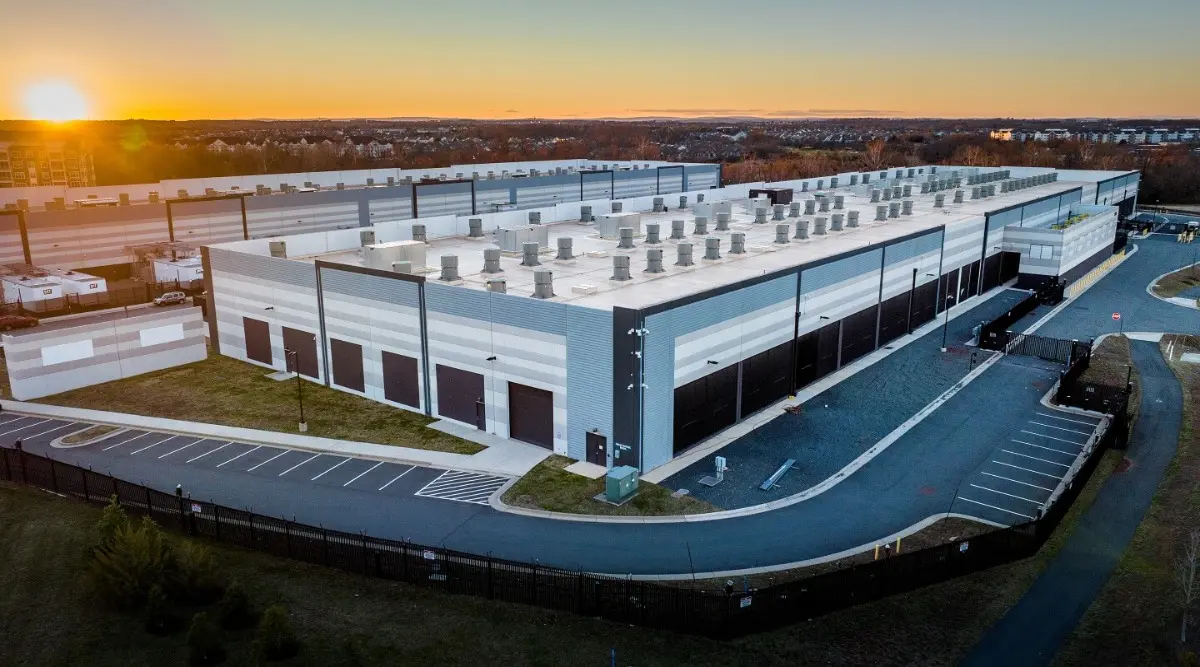
Fast-forward to the present era: the explosive growth of generative AI has triggered an unprecedented data center construction boom. Market intelligence firm Cleanview reports approximately 1,300 active data centers in the United States, with another 2,000 in the planning pipeline.
To satisfy the immense energy demands of these facilities, tech entrepreneurs have sought immediate power solutions. High-profile figures, including Elon Musk, have utilized dozens of portable methane-fired generators to power massive data hubs in Memphis and northern Mississippi. Concurrently, federal directives have mandated the prolonged operation of legacy coal-fired power plants, reversing decades of hard-won air quality progress.
Supporting Data and Projections
The convergence of soaring energy demands and relaxed environmental oversight presents quantifiable dangers to public health. The scale of the crisis is detailed in recent research and analyses:
- Asthma Impact: Data center emissions are projected to trigger approximately 600,000 cases of aggravated asthma symptoms by 2028.
- Premature Mortality: Air pollution derived from these power sources is linked to an estimated 1,300 premature deaths annually.
- Economic Burden: Public health damages resulting from increased particulate matter and smog are expected to exceed $20 billion annually by 2028.
- Infrastructure Growth: The U.S. power grid must support roughly 3,300 operational and planned data centers, many operating around the clock and requiring continuous baseload power that renewable energy installations cannot currently supply fast enough.
- Regulatory Cutbacks: The EPN highlights that ongoing federal staffing reductions at the EPA severely impair the agency’s ability to monitor, audit, and penalize emissions violations across thousands of scattered power sources.
Furthermore, fine particulate matter ($PM_2.5$) generated by fossil fuel combustion is no longer confined to the respiratory tract; scientific studies have increasingly detected these microscopic toxins within human placentas and breast milk, demonstrating a systemic generational accumulation of industrial pollutants.
Official Responses and Regulatory Shifts
The federal government’s posture toward environmental regulation has undergone a sharp pivot, prioritizing the acceleration of the digital infrastructure sector over emissions containment.
In tandem with efforts to keep coal plants online, federal authorities have initiated rollbacks on vehicle emissions standards, permitting higher levels of tailpipe pollution without industry solicitation. This systemic dismantling of oversight has drawn sharp rebukes from public health experts and former regulatory officials.
Dr. Lynn Goldman, a pediatrician and former EPA assistant administrator, sharply criticized the administration’s trajectory in statements to The New York Times:
"What concerns me now is the role EPA and other government agencies are playing and proudly touting — weakening the very safeguards designed to protect people from the pollution in the name of helping tech and power companies accelerate these data center build-outs. These are decisions that can affect what Americans breathe, what gets into our water and, ultimately, what can make its way into our soil and food supply."
The Environmental Protection Network’s report echoes these sentiments, asserting that current administrative actions systematically dismantle 30 distinct federal safeguards. Rather than enforcing environmental justice and protecting vulnerable communities from localized industrial pollution, agencies are actively clearing administrative hurdles for tech conglomerates.

Implications: A Planetary Ecosystem Compromised
The parallels between the "Dieselgate" era and the current AI infrastructure rush reveal a systemic pattern: when corporate profit motives collide with ecological limits, human health is treated as a secondary externality.
Just as European consumers were once lulled into believing diesel technology was clean and efficient, modern society is encouraged to celebrate the boundless promises of artificial intelligence while ignoring the heavy industrial toll required to fuel it. Portable methane generators, resurrected coal plants, and weakened regulatory enforcement represent a collective retreat from climate accountability.
When human infants absorb fossil fuel byproducts in the womb before taking their first breath, society has crossed a critical ethical threshold. The normalization of environmental degradation under the banner of technological progress—justifying increased pollution because renewable energy integration faces intermittent challenges—suggests a profound societal failure of imagination and priorities. As data centers multiply to monitor, compute, and optimize every facet of modern life, the physical environment sustaining human existence is quietly being compromised from within.
