

Introduction: The Nevada No-Show
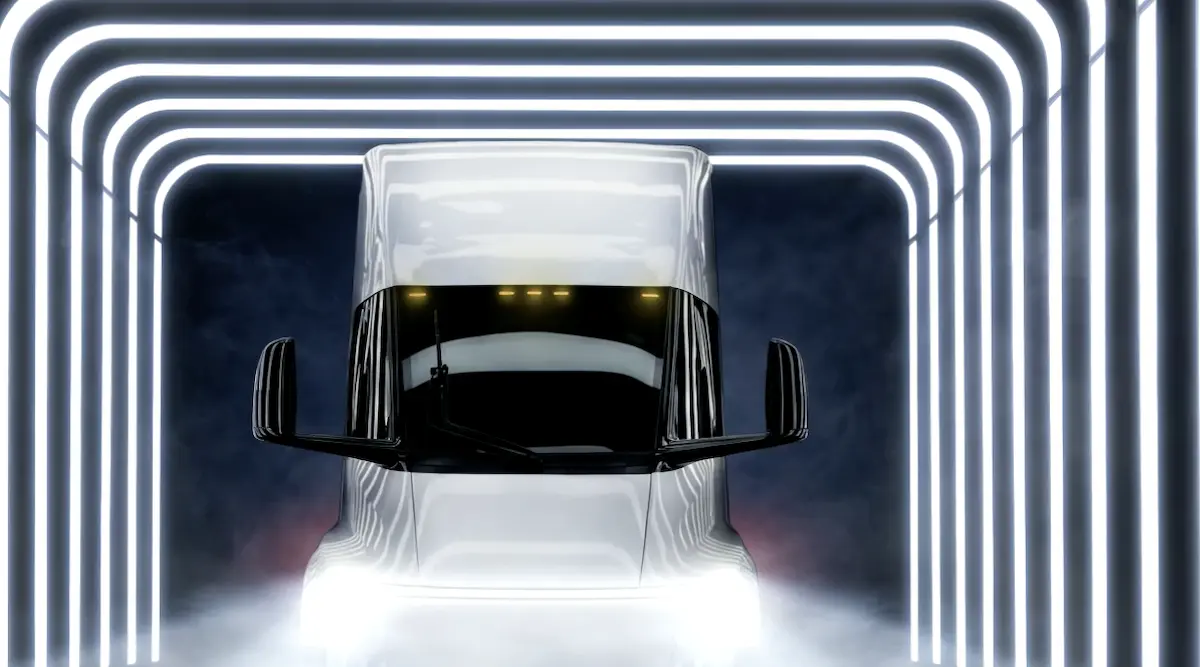
The Tesla Semi Class 8 commercial truck is rapidly shaping up to be a defining commercial success for the pioneering electric vehicle (EV) manufacturer. With robust demand, expanding production footprints, and impressive operational metrics reported from early fleet adopters, the Class 8 vehicle represents a monumental leap forward for commercial freight electrification. Yet, despite the magnitude of the milestone, the official inauguration of Tesla’s dedicated Semi manufacturing facility in Nevada last week was marked by a glaring absence: CEO Elon Musk.
Rather than commanding the stage to deliver his trademark product vision in person, Musk appeared exclusively via a pre-recorded video broadcast. For industry watchers and loyal investors, the digital cameo sparked immediate questions. Why would a visionary leader skip a cornerstone event in Tesla’s core electrification mission?
As it turns out, Musk’s physical absence from the Nevada gigafactory is merely a single thread in a much larger tapestry of high-stakes corporate developments, legal battles, political maneuvering, and media firestorms. To understand why the world’s most prominent tech executive is increasingly phoning it in for Tesla milestones, one must examine a convergence of high-profile events stretching from Washington, D.C., to California courtrooms and the broader 2026 midterms political landscape.
Main Facts: A Convergence of High-Stakes Events
The narrative surrounding Elon Musk’s recent schedule involves several major concurrent developments that paint a complex picture of a polarized corporate titan operating at the intersection of business, politics, and media scrutiny:
- The Nevada Semi Factory Launch: Tesla officially opened its dedicated Semi production plant, celebrating the scaling of its Class 8 truck. Musk addressed the audience only via a pre-recorded video.
- The White House State Dinner: Musk attended a high-profile White House dinner honoring Chinese President Xi Jinping, though notably attending in his capacity as the head of SpaceX rather than as a representative of Tesla.
- Legal and Regulatory Battles: Tesla faces renewed legal pressure, including a high-profile systemic race discrimination and harassment trial brought by the California Civil Rights Department regarding its flagship Fremont assembly plant, alongside parallel lawsuits from the Equal Employment Opportunity Commission (EEOC) and individual workers.
- Political Spending and Midterm Meddling: Through his political action committee, America PAC, Musk has funneled tens of millions of dollars into key 2026 U.S. Senate and House races to support Republican candidates, heavily impacting contested political ground across states like Ohio, Michigan, Iowa, Texas, and Maine.
- The "Musk" Documentary Controversy: Award-winning filmmaker Alex Gibney’s critical documentary Musk generated a massive publicity wave, facing temporary ad rejections and censorship accusations from major tech platforms—including Meta, YouTube, TikTok, and Musk’s own platform, X—before distribution was partially restored.
Chronology: A Timeline of Turbulent Weeks
To fully grasp how these multifaceted storylines intersect, it is necessary to trace the sequence of events that unfolded over late August and September 2026:
Early September 2026: Skipping the Robotaxi Debut
- September 3, 2026: Musk bypassed another major corporate milestone, declining to make an in-person appearance at the heavily publicized launch event for the Tesla Cybercab driverless robotaxi in Austin, Texas.
- Federal Policy and Social Welfare Fallout: Concurrently, policy impacts stemming from the federal administration’s budget shifts—partially influenced by Musk’s prior advisory stint heading the White House’s "DOGE" budget-cutting initiative—sparked widespread disruptions, dropping millions of children from the federal SNAP nutrition assistance program and unsettling agricultural supply chains.
Mid-September 2026: Documentaries and Legal Flashpoints
- September 20–21, 2026: Publicity surrounding Alex Gibney’s documentary Musk reached a fever pitch. Reports emerged that major social media platforms—including YouTube, TikTok, Meta, and X—refused to run advertisements for the film, prompting immediate censorship accusations and widespread media coverage of the "Streisand effect."
- September 21, 2026: The California Civil Rights Department’s long-simmering race discrimination lawsuit against Tesla’s Fremont factory officially headed to trial, thrusting the automaker’s internal workplace culture back into the national spotlight.
- September 25, 2026: Financial disclosures revealed that Musk’s America PAC sharply accelerated its midterm spending, pumping $16.6 million into U.S. Senate contests and millions more into competitive House races.
Late September 2026: High-Level Dinners and Ad Reversals
- Late September 2026: Musk attended the lavish White House state dinner honoring Chinese President Xi Jinping. General Motors CEO Mary Barra was also in attendance, though invited specifically in her capacity as head of GM, while Musk attended under the banner of SpaceX.
- September 26, 2026: Following intense media pressure and inquiries by outlets like The Hollywood Reporter, tech giants reversed course on the documentary ads. Meta and YouTube attributed the blocks to "errors" and automated system restrictions, restoring promotional trailers for Musk on their platforms.
- Late September 2026: Tesla officially launched the Nevada Semi factory via pre-recorded video stream, marking the second major product unveiling in recent weeks that Musk chose to attend strictly "in spirit."
Supporting Data: Financial Footprints and Electoral Investments
The sheer scale of Musk’s financial allocations and corporate footprints during this period underscores his omnipresent yet physically elusive role in public life.
According to financial and political tracking data analyzed by outlets such as the Detroit News and the New York Times, Musk’s America PAC has become a formidable force in the 2026 midterms:
- U.S. Senate Investments: The PAC deployed $16.6 million to bolster Republican candidates in fiercely contested Senate races, focusing heavily on pivotal states including Ohio, Michigan, Iowa, and Maine.
- House District Spending: An additional $3.1 million was dispersed across more than 30 competitive U.S. House districts to aid the GOP in preserving its legislative majorities.
- State-Specific Infusions: Notably, $6.3 million was dropped into a single high-stakes Texas Senate race to support the campaign of Republican Ken Paxton.
These massive political outlays highlight a calculated pivot by Musk. Having faced severe voter backlash in previous local election cycles—such as aggressive political advocacy in a Wisconsin Supreme Court election that inadvertently galvanized Democratic turnout and resulted in a progressive victory—Musk has largely avoided direct, in-person campaign appearances. Instead, he exercises his influence primarily through digital channels, financial conduits, and corporate ecosystems.
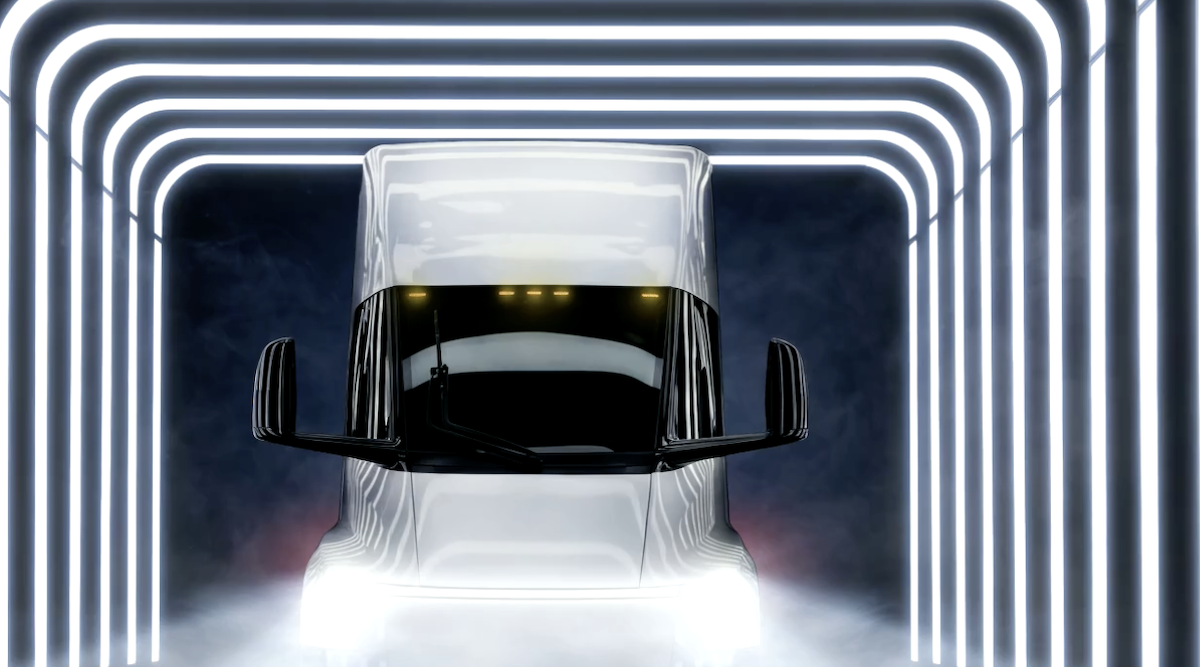
Concurrently, the economic data surrounding Tesla tells a story of resilient industrial growth juxtaposed with persistent labor and regulatory friction. While the Tesla Class 8 Semi factory launch promises to disrupt the heavy-duty logistics sector, the simultaneous launch of the California Civil Rights Department trial exposes the company to substantial financial and reputational liabilities regarding workplace equity.
Official Responses and Corporate Statements
The controversies spanning tech platforms, political PACs, and federal dinners have elicited a series of calculated official responses from corporate communications teams and regulatory bodies:
- On the Documentary Advertising Blackout: When major media publications highlighted that platforms were blocking promotional trailers for the unauthorized documentary Musk, tech executives scrambled to reframe the decisions. A Meta spokesperson told TheWrap on September 26, "This was an error and we’re restoring the ads." Meanwhile, YouTube released a statement asserting that the trailer had always been hosted on its platform, explaining that when submitted specifically as paid advertising, it was "temporarily restricted by our system."
- On White House Invitations: Observers noted a deliberate branding separation regarding the White House state dinner for President Xi Jinping. While automotive industry peer Mary Barra represented General Motors directly, Musk attended as a representative of aerospace venture SpaceX. Analysts suggested this distinction allowed Tesla to temporarily distance its consumer-facing brand from volatile trade policies and polarizing political alignments.
- On Workplace Discrimination Claims: Tesla has consistently denied allegations of systemic discrimination and harassment at its Fremont assembly facility, maintaining that it maintains robust reporting mechanisms, takes swift action against verified misconduct, and enforces zero-tolerance policies for workplace bias. Legal teams representing the automaker have pushed back aggressively against the scope of the lawsuits brought by the California Civil Rights Department and the EEOC.
Implications: What Does Musk’s Absence Mean for Tesla’s Future?
The compounding optics of Elon Musk’s physical absence from monumental Tesla milestones point toward profound structural implications for the world’s most valuable EV maker.
1. Decentralization of the Cult of Personality
For over a decade, Tesla’s brand equity was inextricably linked to Elon Musk’s charismatic, live-stage product reveals. From the chaotic unveiling of the Cybertruck to early Model 3 production hell, Musk served as Tesla’s chief evangelist. However, his physical withdrawal from the Nevada Semi factory launch and the Austin Cybercab debut suggests a potential strategic shift. As Tesla matures from a disruptive startup into a massive global industrial conglomerate, the company must increasingly stand on the merits of its engineering, manufacturing scale, and product utility rather than relying solely on the personal gravitational pull of its CEO.
2. Navigating Regulatory and Legal Landmines
The simultaneous convergence of systemic civil rights lawsuits at the Fremont factory, federal scrutiny over autonomous vehicle safety (NHTSA inquiries into the Cybercab), and political polarization creates a toxic cocktail of reputational risks. By keeping a physical distance from celebratory operational events, Musk may be attempting to insulate core brand achievements—like the commercial viability of the Tesla Semi—from the immediate media storms surrounding his political interventions and legal battles.
3. The Weaponization of Digital Influence
Musk’s heavy-handed financial investments in the 2026 midterms via America PAC, combined with the bizarre saga surrounding the Musk documentary censorship controversies, demonstrate the sheer gravity of his modern cultural footprint. Whether trying to shape the U.S. Senate, navigating ad algorithms on Meta and YouTube, or deploying millions into swing states, Musk operates as a geopolitical and media actor on a scale matched by few private citizens in history.
Conclusion
Ultimately, whether Elon Musk’s dialed-in appearance at the Tesla Semi factory launch was driven by preparation for high-level diplomatic dinners, legal strategy surrounding California labor trials, or meticulous midterm political calculations remains a subject of ongoing debate among analysts, investors, and consumers alike.
What remains indisputable, however, is that the Tesla Semi is forging ahead as an industrial triumph, proving that the company’s manufacturing ambitions can motor forward even when its mercurial leader is operating from afar. As Tesla scales its heavy-duty electric logistics empire against a backdrop of intense political and legal crosswinds, the real question is no longer where in the world Elon Musk is—but whether Tesla can maintain its market dominance independently of its CEO’s physical presence.
